Published: March 31, 2026. The English Chronicle Desk.
The English Chronicle Online—Providing trusted news and professional analysis for the UK and International Affairs.
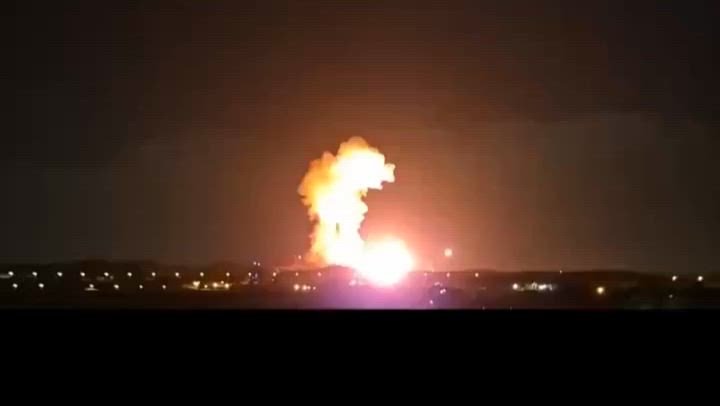
In one of the most significant kinetic actions of Operation Epic Fury to date, the United States military launched a massive precision strike on a hardened ammunition depot in the Iranian city of Isfahan late Monday night. According to Pentagon sources and reports from The Wall Street Journal, U.S. forces deployed dozens of 2,000-pound “bunker-buster” penetrator munitions to neutralize the facility, which was believed to be a central distribution hub for the Islamic Revolutionary Guard Corps’ (IRGC) ballistic missile and drone programs. The strike triggered a spectacular chain of secondary explosions that lit up the Isfahan skyline for hours, with President Donald Trump later sharing uncaptioned footage of the inferno on Truth Social.

The choice of munitions—specifically designed to burrow deep into reinforced concrete before detonating—underscores the transition of the war into a “deep-burial defeat” phase. While earlier weeks focused on surface-level air defenses and naval assets, the current objective is the “systematic dismantling” of Iran’s underground military-industrial base. “We are no longer just clipping the wings of the IRGC,” a senior U.S. defense official told The English Chronicle. “We are going after the heart of their war-sustaining capacity. If it’s buried, we will find it; if it’s reinforced, we will break it.“
The ‘Beyond Halfway’ Assessment
The strike in Isfahan comes as Israeli Prime Minister Benjamin Netanyahu declared that the joint coalition is now “beyond the halfway point” in its mission to degrade Iran’s strategic capabilities. Speaking to Newsmax on Monday, Netanyahu clarified that while he would not set a rigid calendar for the war’s conclusion, the “missions” required to achieve a decisive victory are more than 50% complete. He highlighted the destruction of thousands of IRGC personnel and the near-total neutralization of Iran’s domestic arms industry as key milestones. However, the Prime Minister’s optimism remains tempered by the $116 oil price and the persistent threat to Gulf desalination plants, which continue to strain the coalition’s regional allies.
Secondary Hazards and Civilian Risk
The intensity of the Isfahan explosions has raised urgent questions regarding “collateral environmental damage.” Local reports indicate that the blast radius at the ammo depot was significantly larger than anticipated due to the high volume of stored solid-fuel rocket propellant. While the Pentagon maintains that the target was a “discrete military facility,” the resulting shockwaves caused structural damage to nearby civilian districts, fueling a fresh wave of international calls for a “humanitarian pause.“

-
U.S. Strike Count: Over 10,000 targets hit since February 28.
-
Israeli Strike Count: Over 3,000 targets hit across Iran and proxy territories.
-
Total Casualties: While official figures are suppressed by Tehran, NGOs estimate thousands of combatant and “non-trivial” civilian casualties.
As the conflict enters its second month, the “42-day” timeline originally suggested by the White House is under severe pressure. With Secretary of State Marco Rubio noting that the war may still last “weeks” rather than months, the Isfahan strike serves as a loud signal that the U.S. is doubling down on high-yield, high-risk munitions to force a conclusion. For the residents of central Iran, the “beyond halfway” mark brings no relief—only the sound of deeper, more powerful bombs reaching for the bunkers below.
Related News:
 Trump Says US Will Act on Greenland ‘Whether They Like It or Not’
 Trump Receives Machado’s Nobel Medal in White House Meeting
 Thousands Protest ICE Operations in Nationwide US Day of Action
 Epstein Files Reveal Trump Officials’ Emails with Financier
 Thousands Protest ICE in New York Against Trump Deportation Campaign
 US Must Be Prudent When Supplying Arms to Taiwan, Xi Tells Trump
 Fears of New Arms Race as US-Russia Nuclear Weapons Treaty Expires
 US Military Says Two Killed in Strike on Alleged Drug Boat in Eastern Pacific
 Trump Endorses Japan’s Takaichi Ahead of Snap Election
 Venezuela’s Opposition Says Party Leader Kidnapped Hours After Being Freed
 Trump Bizarrely Claims China Will ‘Terminate All Ice Hockey in Canada’ in Threat to Block New Border Bridge
 US Says It “Supports” UK Chagos Islands Deal
 Iran Says ‘Guiding Principles’ Agreed With US at Nuclear Talks
 As Trump Retreats from Climate Goals, China Is Becoming a Green Superpower
 US ‘Suitcase Murderer’ Deported From Bali After 11 Years in Jail
 Trump’s Iran Endgame Unclear After Mixed Messaging on War Aims
 Trump Seeks to Delay Meeting With Xi
 Two National Guard Soldiers Critically Injured Near White House
 American Mother Extradited From UK to U.S. on Murder Charges
 Russia losses Ukraine war peace talks intensify amid rising deaths
 Trump Taiwan China drills: US President Downplays Tensions
 US Cities Erupt in Protests Against Trump’s Venezuela Military Action
 Trump Escalates Minnesota Immigration Surge Amid Rising Tensions
 Capitol Attack Anniversary Sparks Deep Political Divide
 Trump Weighs Response to Iran Crackdown as Tehran Says Communication Open With US
 Trump targets Iran trade with 25% tariff warning
 US Clears Nvidia AI Chip Sales to China in Policy Shift
 Trump Threatens Strong Action If Iran Executes Protesters
 Gulf states warn Trump Iran strikes risk wider Middle East war
 Machado Trump medal gesture reshapes Venezuela power struggle
 Greenland defence seen as shared Nato duty amid troop arrivals
 Syria President Declares Victory as Ceasefire Reached with SDF
 US Considers Asylum for British Jews Amid Rising Antisemitism
 Trump Aide Sparks Fury as Greenland Dispute Intensifies
 EU Says US Ties Have Suffered ‘Big Blow’ After Greenland Crisis
 Arizona border shooting leaves suspect hospitalised after agent pursuit
 Videos reveal earlier clash before Alex Pretti shooting
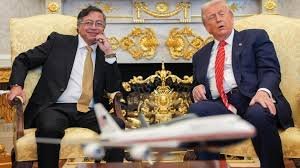 Trump Praises ‘Terrific’ Petro After White House Talks
 Trump Says Iran Regime Change Is “Best Thing That Could Happen”
 Obama Slams Trump’s Racist ‘Ape’ Video Amid Backlash
 ‘He Did It for Us’: US Soldier Recalls Jesse Jackson’s Efforts to Free Him and Two Other POWs
 Stephen Colbert Says CBS Spiked Interview With Democrat Over FCC Fears
 Moment Officers Rescue Injured Bald Eagle From Icy Hudson River
 Indian University Kicked Out of AI Summit for Claiming Chinese Robot Dog as Its Own Invention
 Eight Skiers Found Dead After California Avalanche
 US Urges Iran to Make Deal as Military Presence Rises
 US Will Not Back Out of Tariff Deals with UK and Others, Says Trump Trade Representative
 Who Was El Mencho, Mexico’s Most Wanted Man?
 Inside Atlanta’s Soul Food Revolution
 Drugs, Denial, Stigma: Fiji’s HIV Crisis Hits Children
 Trump’s new tariff takes effect at lower than expected rate
 Threat of Further Violence Looms After Mexican Cartel Rampage
 Bill Gates ‘Took Responsibility’ Over Epstein Ties in Staff Meeting, Foundation Says
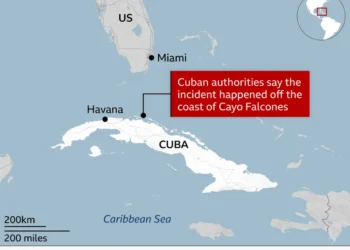 American Citizen Killed in Cuba Boat Shooting, U.S. Officials Say
 Why Asian Firms Are Not Cheering Trump Tariff Ruling
 Hopes and Fears as US Iranians Take to Streets After Toppling of Supreme Leader
 Iran, the US, and a World Cup That Starts in Three Months
 Trump Faces Questions Over Iran Conflict Plan
 Months of Planning Behind US‑Israeli Mission to Target Iran’s Supreme Leader
 UK Will Allow US to Use Bases to Strike Iranian Missile Sites, PM Says
 Israel Launches Fresh Strikes on Tehran & Beirut; US Warns “Hardest Hits” Ahead
 Carney to Push His Middle Power Strategy During Australia Visit
 The US Now Has the Medicine for Cheap Swarming Drone Attacks
 Trump Underestimated the Iranian Regime’s Will to Survive
 US Senate Backs Trump War Powers Amid Iran Missile Barrage
 US Senate Vote Fails to Rein in Trump War Powers on Iran
 Azerbaijan Promises Retaliation After Iranian Drone Hits Airport
 UK Prepares Aircraft Carrier for Middle East Crisis
 Pete Hegseth Iran War Remarks Spark Alarm
 Real Estate Brothers Convicted in Sex Trafficking Trial
 Trump Threatens Iran With ‘Twenty Times Harder’ Oil Strike
 Iran War Puts Trump at Political Risk Amid Rising Prices
 Iran Rejects Ceasefire, Warns Trump With Chilling Message
 Yvette Cooper: UK Must Follow Principles, Not US Pressure
 Trump’s Confidence Undimmed — But Every Iran Option Carries Risk
 Wary Allies Signal No Easy Path in Iran Crisis
 Saudi Arabia Urging US to Keep Up Iran Attacks
 Beyond ‘Halfway’: Netanyahu Signals Progress as Iranian Drone Strikes Tanker in Dubai
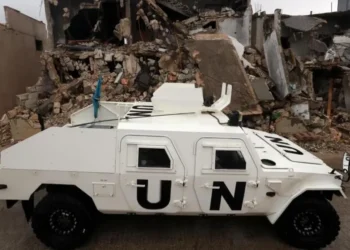 Tragedy in Lebanon: Two Indonesian UN Peacekeepers Killed in Border Explosion
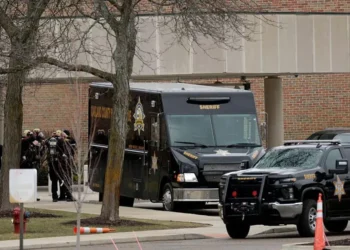 ‘In Our Backyard’: FBI Labels Michigan Synagogue Attack as Hezbollah-Inspired Terrorism