Published: 01 April 2026. The English Chronicle Desk. The English Chronicle Online.
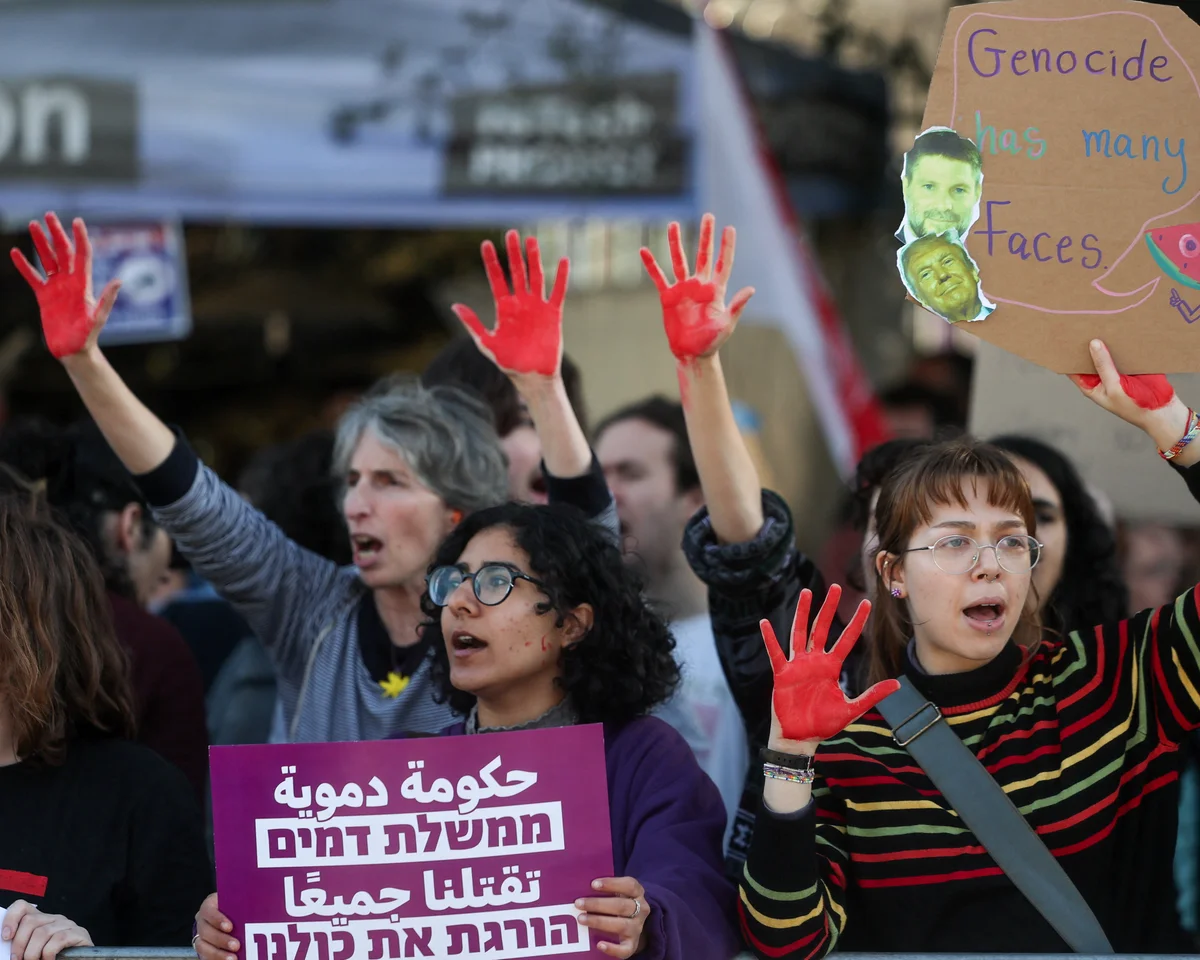
The global community stands at a crossroads following a major legal shift in Israel. A controversial new law now permits the death penalty for specific Palestinian terror convictions. This move has sparked intense outrage from high-ranking United Nations officials and European leaders. Critics argue the law creates a dual system of justice based on ethnic identity. The UN rights chief has officially warned that this legislation violates international legal standards. If enacted, the policy could be classified as a war crime under global law. The bill specifically targets those convicted of deadly attacks deemed as acts of terrorism. However, the law does not apply to Jewish extremists accused of similar crimes. This asymmetry has led many experts to label the measure as deeply discriminatory.
Volker Türk serves as the United Nations high commissioner for human rights currently. He described the law as patently inconsistent with the basic right to life. Türk stated that the legislation raises serious concerns regarding essential due process rights. He emphasized that the discriminatory application of death sentences is a grave violation. Applying such measures to residents of occupied territories often constitutes a war crime. The high commissioner urged the Israeli government to repeal the bill immediately and fully. This statement adds to a mounting wave of international condemnation from many global allies. Many nations see this as a departure from Israel’s long-standing judicial traditions and norms. The Knesset passed the legislation on Monday despite these heavy warnings from abroad.

The European Union has expressed deep concern regarding the introduction of this harsh penalty. EU spokesperson Anouar El Anouni spoke about the issue during a briefing in Brussels. He called the bill a clear step backwards for human rights in the region. The discriminatory nature of the law is a primary concern for the European Union. Spanish Prime Minister Pedro Sánchez shared his strong opposition on his social media account. He noted that the measure would not apply equally to all Israeli citizens. Sánchez argued that having different punishments for the same crime is not true justice. He warned that this policy brings the region one step closer to apartheid. These comments reflect a growing rift between Israel and some of its partners.
Germany has traditionally been one of the closest and most loyal allies of Israel. However, the German government stated it cannot endorse this new capital punishment law. Spokesperson Stefan Kornelius said Berlin views the passed legislation with great and sincere concern. The rejection of the death penalty is a fundamental principle of German foreign policy. Kornelius noted the law would likely apply exclusively to people in Palestinian territories. This selective application undermines the principle of equality before the law for all people. Germany joined other nations in calling for a reconsideration of the harsh judicial measure. Such public criticism from a close ally highlights the severity of the current situation. The international pressure continues to build as the legal framework moves toward implementation.
The legislation makes the death penalty the default punishment for specific Palestinian convicts. It applies to those in the occupied West Bank guilty of carrying out attacks. Military courts will have the power to deem these deadly acts as terrorism. Under the new bill, prisoners would be held in a strictly separate facility. They would be denied visits from anyone except for specifically authorized state personnel. Legal consultations would be conducted only through a restricted and remote video link system. This isolation has raised alarms among various human rights advocates and legal scholars. The law also mandates that executions be carried out within ninety days maximum. This rapid timeline leaves very little room for thorough appeals or judicial reviews.
Israel has rarely used the death penalty since the state was founded decades ago. It has only been applied in truly exceptional cases of extreme historical significance. The Nazi war criminal Adolf Eichmann was the last person executed in 1962. For many years, the country maintained a de facto moratorium on the practice. This new shift represents a radical change in the national criminal justice strategy. National Security Minister Itamar Ben-Gvir is one of the strongest backers of the bill. He has often worn a noose-shaped lapel pin to show his personal support. His public displays have been met with both support and fierce internal criticism. The political climate within the country remains highly charged over this specific issue.
A security committee recently made some amendments to the original version of the bill. It successfully passed its first vote in the parliament during a heated session. Israel’s public broadcaster reported that executions would be carried out by hanging soon. The measure allows courts to impose death sentences without a request from prosecutors. This gives judges an unprecedented level of power in these high-stakes criminal cases. A simple majority decision would be enough to sentence an individual to death. Previously, such a heavy sentence would have required a unanimous vote by judges. Military courts in the West Bank are now empowered to hand down these sentences. The defense minister also has the authority to submit a formal legal opinion.
Adam Coogle serves as the deputy Middle East director for Human Rights Watch. He argued that the death penalty is being used to entrench systemic discrimination. Coogle stated that the bill creates a two-tiered system of justice for residents. He believes these hallmarks of apartheid are becoming more evident in the region. The death penalty is described by his organization as irreversible and deeply cruel. He noted the 90-day execution timeline aims to kill detainees with less scrutiny. This lack of oversight is a major concern for human rights monitors globally. They fear that the speed of the process will lead to irreversible errors. The international community is being urged to take a stronger stand against it.

Oxfam has also released a statement regarding the horrifying nature of this bill. Campaign lead Shaista Aziz called the legislation another act of state-sanctioned violence. She argued that Israel is knowingly violating several established points of international law. The law ensures the death penalty applies almost exclusively to the Palestinian population. Aziz highlighted the surge in coordinated attacks by settler militias in the area. She noted that thousands of Palestinians are currently held in various Israeli jails. Many are reportedly subject to inhumane conditions and a lack of proper food. The humanitarian situation for detainees remains a top priority for various global agencies. They see this law as a way to further target a vulnerable population.
Legal challenges to the law are already moving through the Israeli court system. Several domestic human rights groups have filed petitions to the nation’s supreme court. They are seeking to overturn the law on various constitutional and moral grounds. Three members of parliament have also joined these petitions to stop the bill. The Association for Civil Rights in Israel spoke out against the parallel tracks. They believe the law was designed specifically to target and disadvantage one group. The supreme court will now have to decide on the legality of the measure. This domestic battle reflects the deep divisions within the society over the issue. Many citizens are worried about the long-term impact on the country’s democracy.
The world is watching as the legal proceedings and international protests continue daily. The tension in the West Bank remains high as the new law looms. Diplomatic efforts are being made to convince the government to change its course. The implications for regional peace and security are considered to be very significant. If the law stands, it could redefine Israel’s relationship with the United Nations. Many hope that judicial review will prevent the implementation of the death penalty. For now, the debate over justice and equality continues to dominate the headlines. The English Chronicle will continue to provide updates on this developing story regularly. The future of the region’s legal landscape remains uncertain and highly volatile.
Related News:
 Plea for Mercy: The Battle to Bring Ahmed al-Doush Home
 Israeli Strikes in Lebanon Kill 10 Amid Ceasefire Strain
 Former ICC prosecutor condemns US sanctions
 Gambia Supreme Court Hears Case to Overturn FGM Ban
 Iran Death Toll Crisis Exposed: Bodies, Mass Graves, and Concealment
 Files Link Andrew to Epstein Dinner After Prison Release
 Thousands Protest ICE in New York Against Trump Deportation Campaign
 Concerns rise for Canberra boy amid Iran detention fears
 Brazilian Politician Brothers Sentenced for Marielle Murder
 Anthony Albanese Must Uphold Rights for All Australians
 Woman Executed in Somalia Sparks Debate on Justice System
 Uganda Crackdown: Two Women Arrested for Public Kissing
 Ukraine war briefing: Zelenskyy offers help to Saudi Crown prince on combatting Iranian drones
 Saudi Arabia Urging US to Keep Up Iran Attacks
 Diplomacy on the Brink: Pakistan’s Risky Peace Mission
 Police Seek Immunity in Indigenous Custody Death Case
 Manila Transport Crisis: Fuel Costs Hit Breaking Point
 Trump Slams Europe as Transatlantic Tensions Boil Over
 High-Value Target: Iranian Strike Destroys US Radar Plane
 UK Activist Leaders Convicted Over Protest Violations
 Spain Faces Backlash Over Xenophobic Chants in Egypt Draw
 A Global Voice For Justice: Stephen Lewis Dies At Age 88
 Trump Issues Stark Warning After Strike On Iran’s Largest Bridge
 Artist Sues in Paris Over Israeli Strike Killing Parents
 Hope and Fear as Iranians Flee Across the Turkish Border
 Death, displacement and military duties: children plunged into crisis
 The Price of Hubris: Trump, Netanyahu, and the ‘Easy’ War
 Queensland Youth Justice Debate: The Data Behind the Law
 Gaza Child Arrives in UK for Life-Changing Care
 Brisbane Rideshare Driver Faces Serious Assault Charges
 Middle East Peace Crisis: Ceasefire Strained by New Violence
 Tragedy in the Channel as Four Lives Lost in Boat Sinking
 Netanyahu Vows Continued Lebanon Strikes Amid Peace Talks
 US and Iran Pursue Extension of Ceasefire via Pakistan
 Trump’s Islamabad Gamble: The High Stakes of a New Iran Deal
 Kyiv and Odesa Mourn After Deadly Wave of Russian Strikes
 France Urges Release of Elderly Widow Held by ICE
 The General’s Gambit: Pakistan’s New Role in Global Peace
 Can Trump’s Ceasefire Hold in Lebanon?
 Trump Weighs Sending Afghan Allies to the Congo
 Prominent Voices Challenge Palestine Action Ban
 Aid Crisis Grows as Hormuz War Disrupts Supply
 Australian Activists Detained as Gaza Aid Flotilla Intercepted
 Standoff Over Syria: Australia Defies Trump Repatriation Plea
 Desperation in Odisha: A Brother’s Grim Bank Protest
 Activists allege abuse after Gaza flotilla seizure
 Middle East Crisis Escalates as Oil Routes Shake Markets
 Australia Faces Rising Tide of Modern Antisemitism
 Saudi Arabia Blocks Trump’s Naval Plan for Hormuz Strait
 Security Failures and the Road to the Bondi Inquiry
 Tensions Emerge in Netanyahu-Trump Alliance
 Mexico’s Missing: State Complicity in a Growing Crisis
 UAE’s Secret Strike on Iran Risks Wider Gulf Conflict
 Nobel Laureates Demand Release of Activist Narges Mohammadi
 Netanyahu Claims Secret UAE Visit Amid Regional Conflict
 Court Upholds Landmark Win for Transgender Rights
 Trump Issues New Threat of Strikes Amid Iran Standback
 Global Outrage After Israeli Minister Mocks Bound Activists
 Taliban Codifies Strict New Marriage and Divorce Legislation
 Hunger increasingly weaponised in global conflicts
 Trump and Netanyahu Clash Over Crucial US and Iran Peace Deal
 Silenced Stitches: The Cost of Memory in Hong Kong
 Israel Defies Trump in Direct Strikes on Targets Across Iran
 Vision Lost Amid the Rubble of Modern Conflict
 US and Iran Agree Historic Framework to End 15-Week War
 Controversial London Property Show Sparks Legal Fury
 Uncertainty Prevails as Landmark Peace Talks Abruptly Conclude Before Commencement
 High Drama in Tehran Over Secret Nuclear Letters
 US Supreme Court Rejects Trump Attack on Birthright Law
 Iran Prepares for Massive Six-Day Funeral for Khamenei
 Iran Prepares for Massive Funeral for Supreme Leader
 Iran Bids Farewell to Fallen Leader in Massive Procession
 Iran Mourns: Millions at Khamenei’s Final Procession
 Hamas Proposes Handing Over Control of Gaza Strip
 UK Charity Funds Illegal Hebron Settlement Expansion
 Israeli Officer Investigated for Car Grenade Attack
 Yemen Accuses Iran of Violating National Sovereignty
 Trump Threatens Iran Power Strikes Over Hormuz Impasse
 Houthis Strike Saudi Arabia as Middle East Tensions Rise
 Taliban global ties grow as rights fears mount