Published: 07th August 2025 | The English Chronicle Online
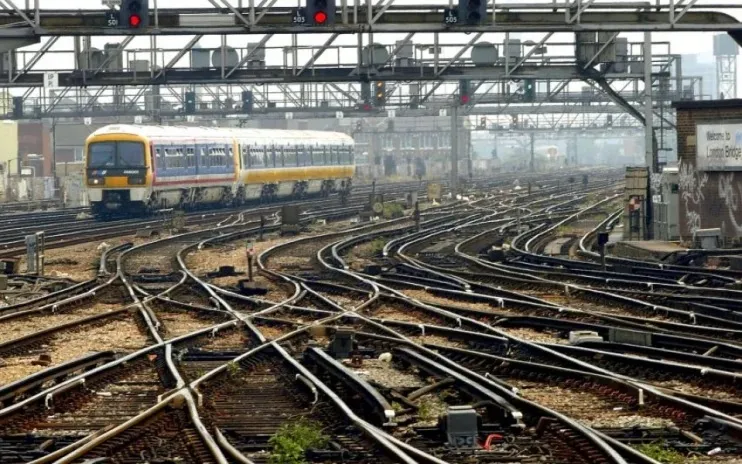
Travellers across southern England are bracing for significant disruption as a major railway line serving one of the UK’s busiest airports is scheduled to close for two weeks this September. Network Rail has announced that the North Downs Line, which links the towns of Guildford, Reigate, and Gatwick Airport, will be temporarily shut to allow for a vital infrastructure upgrade, prompting concerns of travel chaos during a busy holiday period.
The works are set to take place between September 14 and 27, with thousands of passengers – particularly holidaymakers heading to and from Gatwick – expected to face delays, detours, and increased journey times. Commuters and airport travellers alike will be required to seek alternative transport as the essential maintenance renders part of the line inoperable.

According to Network Rail, the closure is part of a “critical” upgrade project that aims to modernise the railway infrastructure and increase capacity on this crucial southern corridor. Sixteen new signalling units will be installed between the Surrey villages of Shalford and Gomshall, which lies along the route from Guildford to Gatwick Airport. Once completed, the new systems are expected to support a higher volume of train services, thereby improving long-term efficiency and passenger flow across the region.
In addition to the signalling work, four level crossings along the affected route will undergo enhancements to bolster safety. At Brook and Burrows Lane, radar technology will be installed to assist in monitoring vehicular and pedestrian movement. At Chilworth and Tangley, modern CCTV systems will be introduced, improving visibility and operational control at these critical junctures. Network Rail has stressed that the upgrade works are essential to maintain a safe and reliable railway and to support the region’s growing transport demands.
Mark Goodall, Network Rail’s Wessex route director, extended an advance apology to passengers, motorists, and pedestrians who may experience inconvenience during the shutdown. “We are advising passengers who use the North Downs Line between Guildford, Reigate and Gatwick Airport to please note the dates of this upcoming closure,” he said. “Upgrading the signalling is critical to ensuring we’re providing a safe and reliable railway and will also increase capacity and allow for additional services to run in future, allowing more passengers across Surrey to connect with Gatwick Airport. We know that there is never a good time to close the railway or level crossings and recognise this may be disruptive to rail passengers, motorists and pedestrians alike. We’d like to apologise in advance and thank anyone affected for their patience and understanding while we complete these important upgrades.”
The announcement comes just days after Gatwick Airport faced its own crisis, when a radar failure at the UK’s air traffic control centre in Swanwick grounded flights and left thousands of travellers stranded on the tarmac. The National Air Traffic Services (NATS) confirmed a technical issue had caused widespread disruption, delaying departures and sparking frustration among passengers at multiple UK airports. While the issue was eventually resolved, the incident highlighted the fragility of Britain’s transport networks during peak travel periods.
With holidaymakers now warned of further complications in September, transport authorities are urging early planning and careful coordination for any trips that would normally depend on the affected line. While replacement bus services and diversions are expected to be announced closer to the date, there remains concern about congestion on roads and alternative rail routes, particularly around Gatwick – the UK’s second busiest airport.

As infrastructure modernisation becomes an increasingly urgent priority across the country’s aging rail system, the challenge for operators remains balancing long-term benefits with the immediate impact on the public. For now, Network Rail is asking for patience – but for many, the timing could hardly be worse.
Related News:
 Minute’s Silence for Diogo Jota Abruptly Ended After Wembley Tribute Disrupted
 UK Must Act with Courage and Clarity on Israel-Palestine Conflict, Says Foreign Affairs Committee Report
 The Ketamine Crisis in the UK is a Silent Epidemic Leaving Users with Lifelong Pain
 London Set to Honour Euro 2025 Champions as Lionesses Take Victory Parade Through the Capital
 Targeted Attack in Bury Sparks Murder Investigation as Community Awaits Justice
 100 children from Gaza seek evacuation to the UK for critical medical treatment
 Princess of Wales Launches Animated Video Series to Support Early Childhood Development
 Mass Arrests in London as Protest Defies Ban on Palestine Action
 UK Government Expands ‘Deport Now, Appeal Later’ Policy to 23 Countries
 Cats Develop Dementia Similarly to Humans, Study Finds
 UK Heatwave Continues with Temperatures Soaring, Thunderstorms Forecast Across the Country
 Manchester Airport Faces Delays After EasyJet Planes’ Wings ‘Clip’ on Runway
 Access to Iconic Cornish Beach Cut Off by National Trust Amid Safety Concerns
 Where Is Prince William and Kate Middleton’s New House? Inside the Historic Lodge Set to Become Their ‘Forever Home’
 Larger Families Could Gain Thousands if Labour Ends Two-Child Benefit Cap
 Drunken Passenger Sexually Assaults Woman on Jet2 Flight from Manchester to Tenerife
 Palestine Action Ban Protesters Plan Tactic to Overwhelm Police at Next London Demonstration
 High Court Rules Against Noel Clarke in Libel Case Against Guardian Publisher
 Desperate Plea to ‘End This Tide of Misery’ as Children Struggle in the English Channel
 Grimsby Stun Manchester United in Dramatic Penalty Shootout
 Rachel Reeves’s Budget Advisor Proposes Sweeping Tax Hikes: What Could Hit Households Next
 Why E-Bikes and E-Scooters Are Making Streets a ‘Nightmare’ for Blind People
 Retail Sales See Uptick Amid Errors and Delays as ONS Faces Scrutiny
 Millions in the UK at Higher Risk of Heart Failure and Stroke Due to Air Pollution, Study Warns
 UK Launches Major Crackdown on Networks Profiting from Online Child Sexual Abuse
 UK Rejoining EU ‘Unlikely in My Lifetime,’ Says Starmer’s Europe Reset Negotiator
 Prime Suspect in Madeleine McCann Case Declines Metropolitan Police Interview Ahead of German Prison Release
 ‘Unite the Kingdom’ Rally Sparks Fears of Far-Right Normalisation Among Minority Britons
 Growing Crisis in UK Schools: One in Three Parents Seek Special Needs Assessments
 Thousands Gather in London to Protest Donald Trump’s Second UK State Visit
 Zarah Sultana Seeks Legal Action After Bitter Clash with Jeremy Corbyn Over Party Membership Funds
 Watchdog, Cornflakes and Courage: Remembering John Stapleton, a Broadcaster Who Did It All
 Top Andy Burnham Ally Launches Fierce Critique of Starmer Ahead of Labour Conference
 Mahmood Pledges Reform of Modern Slavery Laws After Court Blocks Deportation Appeal
 UK Government Backs Return of International Rail Travel to Kent Stations
 Arsenal VS Newcastle Hearts with Dramatic Late Turnaround at St James’ Park
 Ed Miliband Urges Labour to Confront Billionaire-Backed Opposition to Net Zero Goals
 A Third of EU Citizens in UK Report Discrimination by Public Bodies Post-Brexit
 Wetherspoon vows to keep prices low amid soaring energy and tax costs
 Teacher Permanently Banned After Slapping Pupil Over Classroom Incident
 Digital ID Plans Ignite Debate Over £600m Treasury Tax Boost and Privacy Concerns
 Millions in the UK at Risk of Cyber-Attacks as Microsoft Ends Windows 10 Updates, Warns Which?
 Public Trust in SNP Hits Historic Low Amid NHS Concerns
 Yvette Cooper Backs Digital ID Plan for UK Teens
 Strictly Celebs Starstruck as Cynthia Erivo Shines
 Ian Watkins Killed in Prison; Ex-Girlfriend Speaks Out
 Johnson Suggests Mandelson Linked to China Spy Controversy
 Ministry of Justice fails to file £11bn in spending receipts
 Rachel Reeves signals welfare reform ahead of key budget
 Reform UK candidate fined £19,000 after using AI-generated cases to challenge election
 Harry and Meghan join global AI leaders urging superintelligence ban
 William Steps Up Over Prince Andrew Palace Response
 Hospice Cuts Raise Alarm Across England Amid Funding Crisis
 UK Woman Loses Child Benefit After Booking Flight She Never Took
 Green Party Surges Past Labour in Latest UK Poll
 Zarah Sultana Launches Party to Change Politics
 Mass Stabbing on Doncaster to London Train Leaves Ten Injured
 Children to Learn Local History in Major Curriculum Overhaul
 Granit Xhaka Rescue Earns Everton Draw at Sunderland
 The Lowry Hotel: Manchester’s Iconic Five-Star Retreat
 Prince William Plants Trees with Brazil’s Nature Heroes
 Just Stop Oil Protesters Convicted Amid Climate Defence Row
 Tony Blair think tank warns Rachel Reeves must cut taxes if manifesto broken
 Bellingham has ‘the edge’ among England No 10s
 King Charles to Lead Nation in Remembrance Sunday Service
 How to get help when a child goes missing – call 999 urgently
 Starmer Faces Growing Dissent as Labour MPs Weigh Leadership Challenge
 Mary Earps’s Manchester United Return Faces Mixed Reception
 Son Reveals UK Couple in Iran Resort to Hunger Strike for Help
 Valve Opens the Door for Android Games on Steam
 Peers Flood Assisted Dying Bill with 942 Amendments
 Former Lion Heskey Warns of Shortage of England Strikers
 Mother Watches in Horror as Teen Daughter Dies on Tracks
 ‘Traumatic Wait’: Northern Ireland Women Face Breast Cancer Delays
 Serial Rapist and Former Cop Found Guilty Again
 Most Tories Expect to Support a Farage-Led Government
 Bill Murray Terrified Wes Anderson but Became His Closest Collaborator
 Karen Carney Stuns on Blackpool Week, Deserves Strictly Final
 Fibromyalgia Patients Struggle as NHS Fails to Provide Care
 Virgin Media Fined £23.8m Over Telecare Safety Failures