Published: 3 April 2026 . The English Chronicle Desk. The English Chronicle Online—Analyzing the shifting tides of Caribbean diplomacy and human rights.
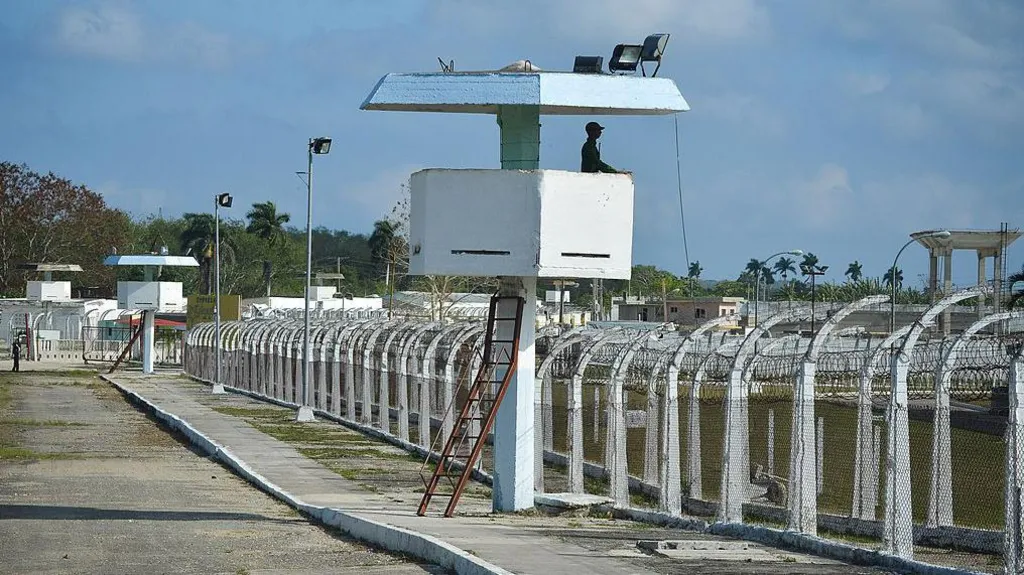
In one of the largest acts of clemency in the nation’s recent history, the Cuban government announced late Thursday, 2 April 2026, that it has pardoned and released 2,010 prisoners. The sweeping move, described by Havana as a “humanitarian and sovereign gesture” to mark Holy Week, comes as the island grapples with a suffocating U.S. oil blockade and rare, high-stakes negotiations with the Trump administration. While the Cuban presidency framed the release as a customary practice of the Revolution, international observers view it as a calculated “goodwill signal” aimed at de-escalating a crisis that has pushed the island’s economy to the brink of collapse.
According to a statement published in the state-run newspaper Granma, the pardons were granted following a “careful analysis” of inmate conduct and health.
-
Eligible Groups: The release prioritizes women, young people under the age of 30, and inmates over the age of 60. It also includes foreign nationals and Cuban citizens who reside abroad.
-
Exclusions: The government was quick to note that those convicted of violent crimes—including murder, homicide, and sexual aggression—were strictly ineligible. Significantly, those convicted of “illegal slaughter of livestock” (a major crime in food-scarce Cuba) and “crimes against public authority” were also barred.
-
The Political Question: It remains unclear if any of the estimated 1,200 political prisoners identified by the group Prisoners Defenders are among those freed. Human rights activists are closely monitoring the gates of Havana’s prisons to see if any high-profile dissidents or participants of the July 2021 protests are among the 2,010.
The timing of the release is inextricably linked to a brutal energy crisis. For over 90 days, a de facto U.S. oil blockade had effectively halted fuel shipments to the island, causing widespread blackouts and grounding the domestic economy.
-
The Russian Lifeline: On Sunday, 29 March, President Trump unexpectedly allowed a Russian-flagged oil tanker to dock in Havana with 700,000 barrels of oil, citing “humanitarian reasons.” A second tanker is currently en route.
-
The “Stone Age” Threat: The reprieve followed a period of intense rhetoric from the White House. President Trump recently mused about “taking Cuba” and suggested the island was “next” on his agenda following the U.S. military operation that captured former Venezuelan President Nicolás Maduro in January.
-
Secret Channels: Reports suggest that Raul Guillermo Rodriguez Castro (grandson of Raúl Castro) has been engaged in back-channel talks with U.S. Secretary of State Marco Rubio. The prisoner release is seen by experts as a “sign that some of the conversation between both governments is advancing.”
While the pardon is the year’s second release (following 51 detainees freed in March after Vatican mediation), the Trump administration insists its core policy has not changed. White House Press Secretary Karoline Leavitt told reporters this week that sanctions remain in place and future oil shipments will be approved only on a “case-by-case basis.”
For President Miguel Díaz-Canel, the pardons provide a dual benefit: reducing the strain on an impoverished prison system while offering a diplomatic “olive branch” that doesn’t officially concede to U.S. demands for regime change. As the 2,010 inmates return to their families this Easter weekend, the world watches to see if this “humanitarian gesture” will be enough to turn a temporary oil reprieve into a lasting diplomatic off-ramp.
Cuba Prisoner Release & U.S. Pressure: April 2026
| Metric | Detail / Status |
| Number Freed | 2,010 Inmates |
| Release Category | Women, Elderly, Young, Non-Violent |
| U.S. Action | Temporary easing of oil blockade (Russian Tanker) |
| U.S. Demand | “Systemic change” and release of all political prisoners |
| Previous 2026 Release | 51 inmates (Vatican mediation) |
| Economic Context | Worst energy crisis in decades |
Related News:
 Britain Demands Israel Reverse Ban on Aid Groups
 Iran Leader Blames Protesters, Says They Serve Trump
 Emails Show Epstein Funded Mandelson’s Husband After Jail
 Thousands Protest ICE in New York Against Trump Deportation Campaign
 The Martin Luther King Protégé Who Helped Reshape America
 ‘Anyone who runs is shot’: Russian soldiers describe killings of troops who refuse orders
 China Moves to Enshrine ‘Ethnic Unity’ Law
 Istanbul Mayor Faces Corruption Trial Amid Political Storm
 Iranian Footballers Escape Team Hotel to Seek Asylum
 Iran Women Footballers Seek Asylum After Anthem Protest
 Middle East crisis live: Supreme leader ‘safe’, Iran and Israel escalate conflict
 China Approves ‘Ethnic Unity’ Law Requiring Minorities to Learn Mandarin
 Anti-Regime Iranians Turn Anger Toward Trump
 Zelensky Visits Saudi Arabia After Offering Drone Expertise
 Min Aung Hlaing Poised for Presidency Amid Engineered Transition
 Kinnock’s Rebuke Echoes Loudly as Corbyn Allies Launch Left-Wing Breakaway: “A Gift to Farage”
 Trump Administration Dismisses 17 Immigration Judges, Sparking Debate Over Judicial Independence
 UK Must Act with Courage and Clarity on Israel-Palestine Conflict, Says Foreign Affairs Committee Report
 Trump Threatens 100% Tariff on Nations Importing Russian Oil Amid India Standoff Over Ukraine War
 Radioactive Leak at UK’s Nuclear Warhead Base Sparks Outcry Over Safety and Secrecy
 Mutual Inconvenience: Why Alaska Was Chosen for the Trump-Putin Summit on Ukraine
 Hong Kong Summons UK and Australian Envoys Following Asylum Grants to Democracy Activists
 Is the UK Ready to Put Boots on the Ground in Ukraine? Assessing Military Capacity and Challenges
 Channel Crossings Surge: Over 1,000 People Arrive in the UK in Small Boats in a Single Day
 Widow of Charlie Kirk Forgives Killer at Emotional Memorial Service
 Yvette Cooper Signals Global Momentum Towards Gaza Peace Deal Amid Humanitarian Crisis
 Russia’s Latest Push to Win US Favors Shows Deep Desperation
 BBC to Apologise Over Edited Trump Speech Amid Backlash
 Britain deploys RAF specialists to assist Belgium with drone threats
 Trump Urges Herzog to Grant Netanyahu Full Pardon
 Indian authorities demolish Kashmir home linked to Red Fort blast
 Greene Pushes Epstein Files Amid Trump Fallout
 December Run-Off in Chile as Election Produces No Winner
 Canada Passes Carney’s First Budget in Tight Parliamentary Vote
 Shadow Fleet at Sea: Europe’s Battle Against Illicit Oil Shipping
 India’s COP30 Delay Raises Global Climate Concerns
 Georgians Defy Government Crackdown After Year of Protests
 Russia losses Ukraine war peace talks intensify amid rising deaths
 Albanese Opens Door to Bondi Royal Commission Amid Rising Pressure
 Trump Escalates Minnesota Immigration Surge Amid Rising Tensions
 Iran Protesters Defy Crackdown as Violent Clashes Intensify
 EU weighs response amid Greenland tariff crisis with Trump
 EU Says US Ties Have Suffered ‘Big Blow’ After Greenland Crisis
 Israel Moves to Bar MSF From Gaza Operations
 After the Landslide: Can India Reset Ties with BNP Bangladesh?
 Australian Families Leave Syrian Camp for Home
 Starmer Weighs Fast-Tracking Defence Boost
 Trump Attacks UK-California Energy Pact
 ‘I Would Scream in My Sleep’: Alawite Women from Syria Tell of Kidnap and Rape
 Nine Arrested in France Over Death of Far‑Right Student
 Andrew Arrest Sparks Republic Debate in Australia
 Australian PM Says Former Prince Andrew Has Suffered ‘Extraordinary Fall’ but That Won’t Prompt Republic Referendum
 Musk Cuts Starlink Access for Russian Forces – Giving Ukraine an Edge at the Front
 Farage Chagos Islands Row Sparks Fury
 Ukraine Negotiator Reveals What It Feels Like Facing Russia
 Chad Shuts Border With Sudan in Bid to Stop Conflict Spreading
 French Minister Moves to Block US Envoy Kushner from Government Access
 Has Europe truly learned from the failures of 2022?
 American Citizen Killed in Cuba Boat Shooting, U.S. Officials Say
 Iran’s Regime Still Intact — Coming Days Will Test Its Survival
 Trump Faces Questions Over Iran Conflict Plan
 Herzog Asio meeting sparks security storm
 Finland Plans to Lift Decades‑Old Ban on Hosting Nuclear Weapons
 Minister Meets Crews Who Will ‘Take Out’ Iranian Drones
 Nine Days of Strikes Reshape the Middle East
 Trump Pressures Congress Over Save America Act
 Iran War Puts Trump at Political Risk Amid Rising Prices
 Iranian Football Squad Asylum Drama Shocks Australia
 Ukraine War Becomes Flashpoint in Hungarian Election
 Queensland Protest Laws Spark Free Speech Backlash
 Yvette Cooper: UK Must Follow Principles, Not US Pressure
 Trump Nato threats expose Iran strategy vacuum
 Trump’s Confidence Undimmed — But Every Iran Option Carries Risk
 Israel Says Iran Security Chief Larijani ‘Killed’
 Philippines energy emergency sparks coal power surge
 Trump Facing Backlash from Epstein Survivors Over Files
 UK Forces Ready to Seize Russian Shadow Fleet Vessels
 Trump Considers Military Operation to Seize Iran’s Uranium
 Trump Signals US Exit From Iran as Tehran Eyes Peace
 A Global Voice For Justice: Stephen Lewis Dies At Age 88