Published: 04 April 2026. The English Chronicle Desk. The English Chronicle Online
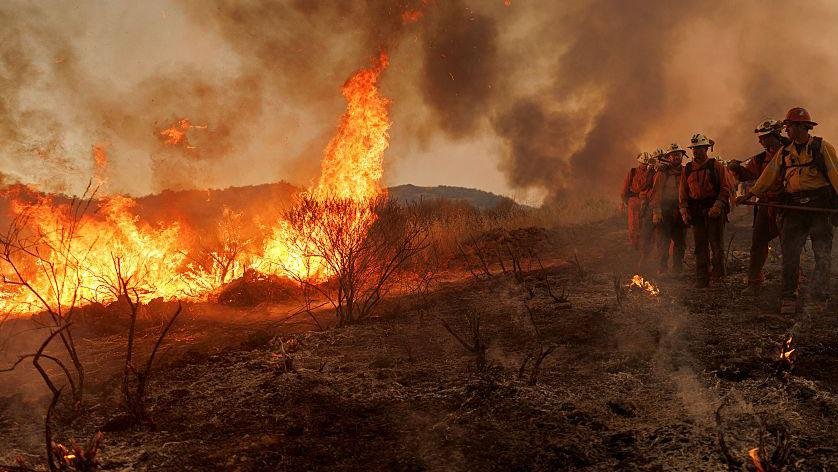
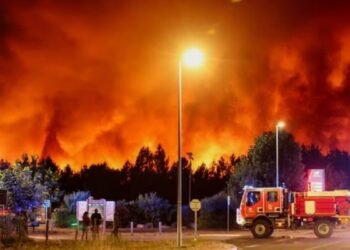
Emergency evacuations were ordered in parts of southern California after two fast-moving wildfires broke out amid strong winds and unusually high spring temperatures, raising concerns among residents and authorities about the early arrival of wildfire season. The blazes, driven by gusts reaching up to 50 miles per hour, spread smoke across multiple communities and forced fire crews to mobilise rapidly in an effort to contain the growing threat.
The largest blaze, known as the Springs fire, erupted in Riverside County and quickly expanded across thousands of acres of dry terrain. The fire spread through areas north and east of Lake Perris, affecting portions of a state recreation area known for its natural landscape and outdoor activities. As flames advanced toward Moreno Valley, a city with a population of approximately 200,000 people, emergency teams moved swiftly to protect homes and infrastructure.

Officials confirmed that the fire had burned more than 4,000 acres within hours of igniting, underlining the dangerous combination of dry vegetation, strong winds, and rising temperatures. The exact cause of the Springs fire remains under investigation, though authorities emphasised that the weather conditions significantly contributed to the speed of its spread. Firefighters deployed helicopters, air tankers, and dozens of fire engines to slow the advance of the flames and safeguard residential areas. Hundreds of emergency personnel were assigned to the operation, working in difficult conditions as shifting winds complicated containment efforts.
Local authorities established evacuation centres to assist displaced residents. Valley View High School was designated as a temporary shelter, while animal rescue services were arranged at facilities including the San Jacinto Animal Shelter and Moreno Valley Animal Services to ensure the safety of pets and livestock affected by evacuation orders. Officials reported that the Springs fire had reached partial containment by Friday evening, though risks remained high as winds continued to fuel the blaze.
A second wildfire, referred to as the Crown fire, ignited in Los Angeles County near the unincorporated community of Acton. Though significantly smaller in size, burning approximately 260 acres, the fire also prompted evacuation orders due to the potential for rapid spread. Emergency responders were able to make progress in controlling the Crown fire more quickly, achieving partial containment within hours of its outbreak.
Weather experts from the National Weather Service had issued a wind advisory for parts of southern California, warning that gusts could reach dangerous levels capable of accelerating fire behaviour and spreading smoke across wide areas. Residents in nearby communities reported strong smoke odours and reduced air quality as the fires intensified, highlighting the broader environmental and health impacts associated with wildfire activity.
Wildfires are a recurring challenge in California, particularly during periods of prolonged dryness and heatwaves. Climate scientists have noted that rising global temperatures and changing weather patterns are contributing to longer and more intense wildfire seasons across many regions. Spring wildfires of this scale are considered unusual, underscoring concerns that climate conditions may be shifting in ways that increase the frequency of early-season blazes.

Authorities continue to urge residents in affected areas to remain vigilant and follow official safety guidance as firefighting operations progress. Emergency teams remain on standby to respond to changing conditions, with aerial and ground resources coordinated to minimise damage and protect lives. Officials also emphasised the importance of preparedness, encouraging communities to remain aware of evacuation routes and emergency procedures during periods of heightened wildfire risk.
The twin fires serve as an early warning for what could become a challenging wildfire season in the months ahead. While firefighters have made progress in containing the blazes, the combination of heat, wind, and dry vegetation continues to present risks that require ongoing monitoring and rapid response. As climate pressures intensify, authorities and communities alike are increasingly focused on improving resilience and strengthening disaster preparedness measures to mitigate future wildfire impacts.
Related News:
 Queensland Braces for Potential Second Severe Cyclone Hit
 Wildfires rage across Europe as hundreds arrested in France
 Scotland’s Climate Plans Face Scrutiny Over ‘Science Fiction’ Targets
 Ocean Warming Drives Massive Marine Life Loss, Study Warns
 Tropical Flowers Shift Blooming Due to Climate Crisis
 UK Records Earliest Spring as Nature Awakens Fast
 Cyclone Vaianu Forces Mass Evacuations in New Zealand
 Capitalism ‘Suicidal’, Warns Petro at Climate Summit
 Record May Heat to Cold Front in Eastern Australia
 UK Faces Mass Water Shortages by 2055, Lords Warn
 Hope for mountain bongos returns to Kenya
 US Courts Back Trump on Park Signage Removals
 Sydney Records Hottest June Since 1859 as Expert Warns New High a ‘Signature’ of Global Warming
 UK Heatwaves Ignite Crisis of Sleep and Public Safety
 UK Seas Face Extreme Heatwave as Global Temperatures Surge
 Europe Scorched as Record Heatwaves Grip the Continent
 Three-Quarters of England’s Riverbanks Still Off Limits
 Two National Guard Soldiers Critically Injured Near White House
 US National Guard Member Killed in DC Shooting
 ‘Extinct’ Antelope Returns to Sahara, Bringing Hope
 American Mother Extradited From UK to U.S. on Murder Charges
 Federal Immigration Shift: Officers Leave Louisiana for Minneapolis
 Trump press secretary attacks reporter over ICE question
 Kyrsten Sinema Faces High-Profile Lawsuit Over Marriage Interference
 Polycrisis Anxiety Leaves Many Feeling Trapped in the Present
 Judi Dench Champions Fight to Save London’s Green Spaces
 Trump Fed bid heads to Supreme Court
 Half the World’s Largest Cities Face Rising Water Stress
 Partial US Government Shutdown Hits Homeland Security Funding
 Sinema payment row deepens after $9,000 transfer claim
 Nurses’ families fear breakup under UK immigration crackdown
 California Democrats Vow Trump Reckoning
 Trump’s Surgeon General Pick Evades Vaccine Questions
 Greenpeace $345m Ruling Sparks Appeal Battle
 New Poll Reveals Reform UK Stance on British Citizenship
 Adelaide University Faces Backlash Over Event Cancellation
 ‘Drinking from a Fetid Pond’: Superbug Genes in Lough Neagh
 Utah Woman Found Guilty of Poisoning Husband for Inheritance
 Extreme Weather: Europe Shivers as Cyclone Narelle Hits
 Middle East Deluge: Freak Storms Bangle Desert Nations
 Cyclone Maila Intensifies to Category Five Strength
 RSPB Urges Summer Bird Feeder Removal to Curb Disease
 15 Million Oysters Set to Revive UK Marine Ecosystems
 Medellín’s Green Revolution: A Global Climate Blueprint
 Trump’s Presidency: A House of Cards Collapsing?
 Trump Starts $166bn Tariff Refund Process
 Crackdown Backfires on UK Climate Protesters
 Trump Defiant After Washington Hotel Shooting
 Identity Revealed: Suspected Washington Gunman Named
 Renewable Energy as a Strategic Shield for UK Security
 Urban Flood Crisis: A Growing Threat to English Homes
 Coalition pushes fossil fuel phaseout plan
 White House Security Case Sparks Political Firestorm
 Trump approval plunges amid Iran war fears
 Ohio’s Battle for Trust: Democrats Vying to Flip the Buckeye State
 US ‘Narco Boat’ Strikes Draw Global Outcry
 Afghan Families Left in Limbo Face Risk of Deportation
 Florida Surgeon ‘Devastated’ Over Fatal Surgery Error
 US Awaits Iran Reply on New Ceasefire Proposal
 US green card applicants must apply from abroad, DHS says
 Pope Meets Families in Italy Toxic Waste Zone
 Man killed in shark attack on Great Barrier Reef
 DeSantis’s ‘Alligator Alcatraz’ Faces Final Shutdown
 House Curbs Trump’s War Powers in Rare Rebellion
 Trump Urged to Condemn UFC Fighter Over Obama Slurs
 US Military Pacific Boat Strike Kills Three People
 Deadly H5 Bird Flu Reaches Australia’s East Coast
 Trump’s Mount Rushmore Speech: A Divisive Anniversary
 Trump Intervenes in Fifa World Cup Balogun Ban
 US Airman Avoids British Court in Indecent Exposure Case
 Britain’s Mini Fan Craze Sparks Major Waste Crisis
 US Chemical Accidents Rise as Protections Are Rolled Back
 Swift Nesting Crisis Sparks Outrage in South Tyneside
 UK Schools Struggle as Classrooms Top 40C
 London Tube Heat Reaches Dangerous Levels
 Florida Executes One of Its Oldest Death Row Prisoners
 Thames Water Future Remains Uncertain Amid Funding Crunch
 Houthis Strike Saudi Arabia as Middle East Tensions Rise
 Wildfires Force Mass Evacuations in France And Spain
 Gen Z turns to BirdTok for a gentler digital escape