Published: 04 April 2026. The English Chronicle Desk. The English Chronicle Online
Growing tensions within the United Kingdom’s labour movement have emerged as trade unions privately express concerns about the strategy adopted by doctors in their ongoing pay dispute with the government. Senior union figures have reportedly questioned both the scale of the demands put forward by the medical profession and the potential impact of strike action on wider negotiations involving National Health Service staff.
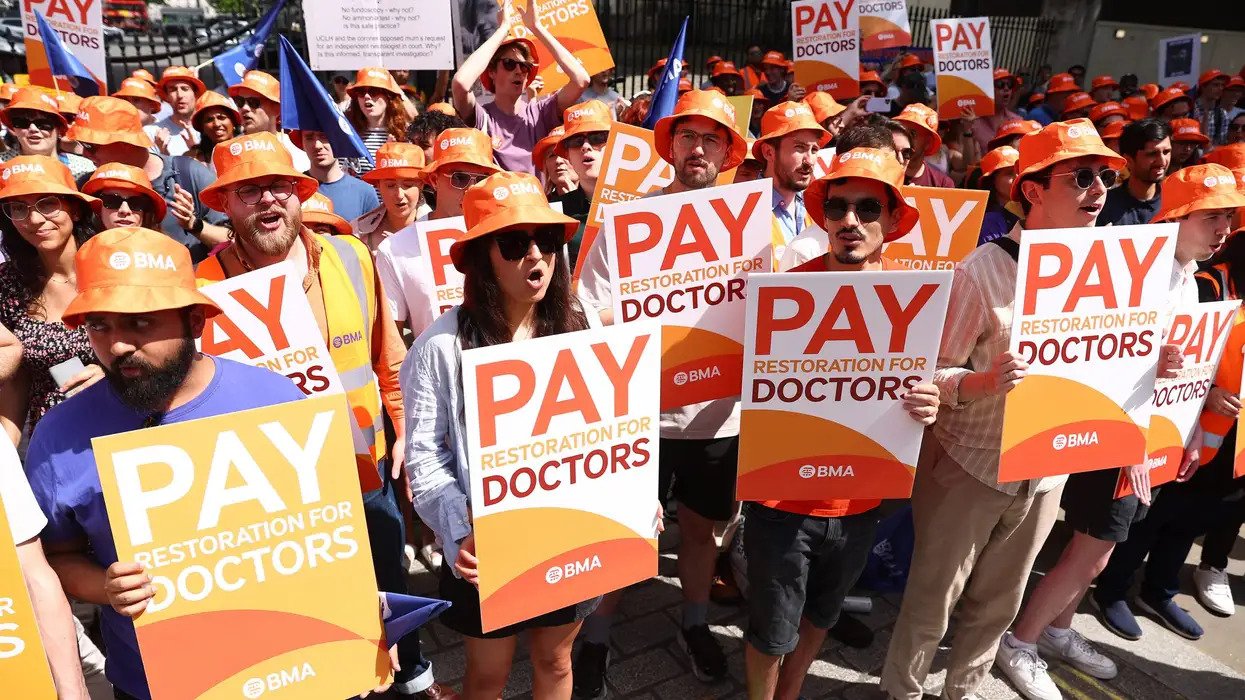
The dispute centres on negotiations led by the British Medical Association, which is seeking a pay increase higher than the 3.5 percent rise offered by the government to medical professionals. Planned strike action by resident doctors has intensified debate within the labour sector, particularly because more than one million NHS employees working in other roles are expected to receive a lower pay increase through the established Agenda for Change pay framework.

The National Health Service employs a wide range of professionals whose salaries are determined through collective agreements covering roles such as nurses, physiotherapists, midwives, ambulance staff, healthcare assistants and support personnel. Under the current framework, many of these workers are due to receive a 3.3 percent pay increase, a figure slightly lower than the offer made to doctors. Some union representatives have privately indicated frustration that the medical profession’s negotiating position could complicate wider efforts to secure improved pay settlements for other healthcare staff.
According to senior figures within the labour movement, concerns have also been raised regarding the structure of negotiations led by resident doctors themselves, rather than by experienced full-time union negotiators. Some union officials believe that the current approach may limit the scope for compromise, potentially prolonging the dispute and affecting broader industrial relations within the healthcare sector.
The debate highlights underlying tensions between professional groups within the NHS, where different pay structures and working conditions have evolved over time. The Agenda for Change system, which governs pay for many NHS employees, was introduced to create consistency and transparency in salary structures. However, differences in pay progression and job demands have occasionally led to disagreements between professional groups seeking improved conditions.
The BMA has defended its position, arguing that doctors have experienced significant reductions in real-terms income over more than a decade. Representatives of the organisation say that pay erosion since the late 2000s has contributed to workforce pressures, including recruitment challenges and the migration of doctors to countries offering more competitive salaries and working conditions. Medical leaders emphasise that improving pay is necessary to maintain staffing levels and ensure the sustainability of healthcare services.
Industrial action within the NHS carries broader implications for healthcare delivery, particularly during periods of high demand for services. Government representatives have urged continued dialogue in order to minimise disruption to patients and maintain operational stability across hospitals and clinics. Officials have also emphasised the need to balance fair pay settlements with fiscal responsibility, particularly given wider economic pressures affecting public sector budgets.
Some trade unions representing NHS staff have highlighted the importance of ensuring fairness across different professions within the healthcare system. They argue that disparities in pay settlements can influence morale and perceptions of value among employees whose roles are essential to maintaining service quality. Concerns about pay satisfaction have been reflected in workforce surveys indicating that many NHS staff feel undervalued despite the critical nature of their work.
Separate tensions have also emerged involving internal pay arrangements affecting employees of the British Medical Association itself. Reports indicate that staff within the organisation are considering industrial action related to their own pay offer, adding further complexity to the broader dispute. Observers note that such developments underline the challenges faced by trade unions when balancing advocacy for members with internal organisational responsibilities.
The dispute reflects broader economic and political pressures shaping public sector pay negotiations across the UK. Rising living costs, workforce shortages and evolving healthcare demands have intensified discussions about how best to ensure fair compensation while maintaining financial sustainability within public services.
Analysts note that public sector pay disputes often involve competing priorities, including employee wellbeing, service continuity and budgetary constraints. Healthcare systems in many countries have faced similar challenges in recent years as governments seek to manage fiscal pressures while retaining skilled professionals.

The outcome of negotiations between the government and medical representatives is likely to influence wider discussions about pay structures across the NHS. Observers suggest that any settlement could set a precedent for future negotiations involving other professional groups working within the healthcare sector.
As talks continue, policymakers, union leaders and healthcare professionals face the complex task of balancing financial realities with the need to maintain a motivated and stable workforce. The debate underscores the importance of constructive dialogue in resolving disputes that affect both public services and the employees responsible for delivering them.
The situation remains closely monitored by policymakers and labour organisations alike, as the resolution of the dispute may shape future approaches to public sector pay negotiations. Ensuring equitable outcomes while preserving healthcare service quality remains a central challenge in the ongoing discussions.
Related News:
 Celebrities and Charities Demand UK Government Act on Child Poverty
 Lancashire council plans to close care homes and day centres
 Reeves rejects £1bn plea for NHS redundancy payouts
 Boris Johnson Oversaw Toxic No 10 Culture, Covid Inquiry Finds
 Welsh Government Christmas 2020 Lockdown Criticised
 Reform UK Health Plan ‘Would Cost £1.7bn’, Streeting Says
 NHS Negligence Ruling Raises Payout Costs
 NHS Maternity Units Cover Up Harmful Childbirth Errors
 NHS Plans to Cut Overseas Workers Labeled Overambitious
 UK Doubles Steel Tariffs to 50% to Protect Domestic Plants
 NHS Staff Shortages Stifling Recovery for Stroke Survivors
 Wes Streeting Accuses Doctors of Torpedoing Pay Deal
 NHS Safety Fears as Nurses Cover Doctor Gaps
 BBC News Faces Deep Cuts in 2,000 Job Plan
 NHS Drug Deal Faces Legal Threat Over US Trade Agreement
 UK Pushes for New EU Goods Trade Deal
 Reeves Fights to Keep Treasury Role Amid Labour Turmoil
 The Race for Radical Change in Westminster
 Labour MP Revives Blocked Assisted Dying Bill in Commons
 Labour MPs Urge Burnham to Revive UK Aid Target
 Trump’s UK Ambassador Urges North Sea Drilling to Strengthen US Ties
 French Taxi Driver Cleared in David Lammy Theft Case After Fare Dispute
 Patients to Test Health at Home to Ease NHS Winter Pressure
 Millionaires group urge Reeves to introduce wealth tax to ‘lift kids out of poverty’
 Shouting Works Best to Deter Gulls, UK Study Finds
 PM Condemns Leaks, Vows Loyalty to Ministers and Stability
 Major Rent Reform Ends No-Fault Evictions in England
 Senator John Fetterman Hospitalized After Fall from Heart Flare-Up, Keeps Sense of Humor
 Stroke Patient Mistaken for Drunk, Care Delayed
 Five-Year-Old Dies After Rare Tonsil Surgery Complication
 Starmer Says Labour’s Economic Plan Needs Years to Deliver
 More Patients Now Contacting GPs Online, Data Shows
 UK Enforces Junk Food Ad Ban Before 9pm
 Labour Blocks Burnham as Party Rift Deepens Ahead of Polls
 Artificial intelligence will cost jobs, admits Liz Kendall
 Mandelson Faces Police Inquiry Over Epstein Leak
 Streeting moves on doctor pay to end strike dispute
 UK reports baby formula toxin poisoning cases across the country
 Morgan McSweeney downfall shocks Labour leadership
 Farage Unveils Reform UK Frontbench Team
 Placenta Accreta Warning as Hunt Urges Action
 Wales Approves Assisted Dying Bill Consent
 UK EU Trade Reset Gains Public Backing
 Corbyn Leads Your Party in Coordinated Left-Flank Strategy
 Asylum Seekers to Work After Year-Long Wait
 Starmer Row as Greens Demand Apology
 Proposed Law Leaves Gap for Children of Convicted Paedophiles
 New Zealand Covid Response Praised Despite Lingering Scars
 Gordon Brown urges court for crimes against children
 Inquiry into HMRC child benefit errors launched by NAO
 Farage Faces Backlash Over Crypto Cameo Endorsements
 Palantir Boss Defends NHS Deal Amid Government Break Clause
 Relationship with Trump may be beyond repair, Starmer warned
 Private Profits From NHS Contracts Spark Urgent National Debate
 Starmer Faces Commons Test Over Mandelson Scandal
 Crackdown Backfires on UK Climate Protesters
 Starmer Survives Mandelson Rebellion
 New AI Tool To Target Obesity Risk And Transform NHS Care
 Ohio’s Battle for Trust: Democrats Vying to Flip the Buckeye State
 Labour Members Doubt Starmer Future as Burnham Leads Poll
 Reform UK Faces Crisis as Newly Elected Councillors Resign
 Farage Faces New Questions Over Private Helicopter Use
 Green Party Makerfield Candidate Resigns Over Posts
 US green card applicants must apply from abroad, DHS says
 Discontent grows around Putin amid war strain
 Record Spending Highlights Growing Crisis In National Health Service
 Secret Role of UK Security Services in Troubles Amnesty Law
 Starmer Leadership Under Pressure After Setbacks
 The Hidden Crisis Eroding Trust in British Communities
 Deepfake Abuse on X Sparks Safety Concerns for Dissidents
 Clean Air Initiatives Spark Major Fall in London Hospital Admissions
 UK Ministers Lobby Trump Over Under-16s Social Media Ban
 Starmer Resolves to Fight Burnham in Leadership Battle
 NHS Urges Investigation For Irregular Periods
 Hollie Ridley to Step Down as Labour General Secretary
 Jarvis Urges Burnham to Secure 3.5% Defence Spending
 Farage Warns Sky News Following Financial Inquiry
 Reform UK Finances Face Deep NCA Probe
 Ann Widdecombe, Formidable Political Figure, Dies at 78
 UK Schools Struggle as Classrooms Top 40C