Published: April 7, 2026. The English Chronicle Desk.
The English Chronicle Online — Navigating the pulse of global finance and the UK economy.
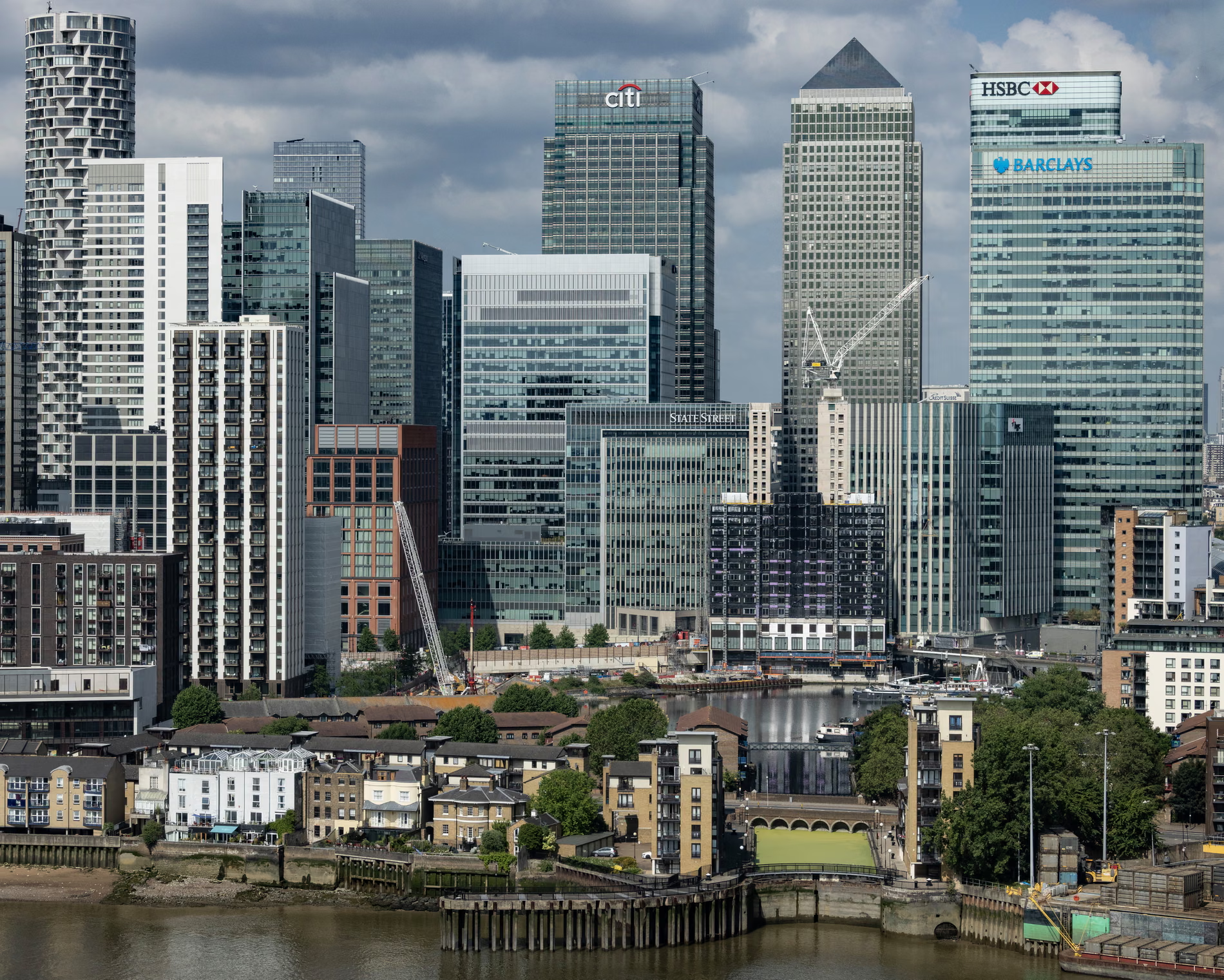
In a stunning reversal of fortune that has blindsided even the most seasoned market watchers, Britain’s financial services companies have reported their fastest turnaround in business volumes in three decades. According to the latest comprehensive survey by the Confederation of British Industry (CBI), the sector has shifted from a gloomy contraction at the end of 2025 to a robust expansion at the start of 2026. The data reveals that a positive balance of nearly two-thirds of firms noted an expansion in activity, a dramatic leap from the negative balance of 38% recorded just four months ago. This represents the most significant swing in sentiment and activity since December 1996, signaling a powerful “spring awakening” for the City of London.

The recovery is being driven by a surge in profitability across banks, insurers, and investment managers, many of whom have successfully navigated a period of intense interest rate volatility. Despite the broader geopolitical anxiety surrounding the conflict in the Middle East and the closure of the Strait of Hormuz, the UK’s “crown jewel” industry has shown remarkable resilience. Analysts suggest that improved credit availability and the enduring financial resilience of British households and businesses have created a fertile environment for growth. This rebound is a timely boost for the government, which has placed the financial sector at the heart of its national growth strategy, urging regulators to prioritize economic expansion alongside consumer protection.
Sentiment among City firms has picked up for the first time since June 2024, ending a six-quarter streak of flat or falling optimism. This renewed confidence is translating into tangible investment plans, particularly in the realm of digital transformation. The survey indicates that financial institutions are significantly increasing their capital allocation toward information technology and artificial intelligence, seeking to streamline operations and enhance productivity in an increasingly competitive global landscape. While headcount has remained broadly stable since the end of last year, firms are now signaling a slight increase in recruitment as they prepare for a sustained period of high-volume trading and deal-making.
However, the “turnaround” is not without its shadow. While business volumes and profits are up, average spreads—the difference between what banks pay for deposits and what they charge for loans—have narrowed at the fastest rate since late 2024. This suggests that while firms are busier than ever, their profit margins are under pressure from intense competition and rising operational costs. Furthermore, the CBI survey, which concluded in mid-March, warns that the full economic impact of the global energy crisis sparked by the Iran conflict has yet to be fully felt. The Bank of England has already cautioned that if high energy prices persist, the resulting pressure on mortgage rates could eventually dampen the current demand for loans.

As the second quarter begins, the mood in the Square Mile remains one of “ambitious caution.” The sector appears to have digested the initial shocks of early 2026 and is now positioning itself for a long-term transformation journey. For the government, the success of these City firms is essential for funding public services and driving national GDP. For the firms themselves, the current momentum offers a rare opportunity to reinforce the UK’s global edge in financial services. As Alpesh Paleja, the CBI’s deputy chief economist, noted, the sharp recovery has provided a much-needed rebound in sentiment, but the sector remains at the epicenter of volatile global moves that will continue to test its mettle in the months to come.
Related News:
 Live Markets Bet on Spring Rate Cut as Inflation Falls
 City Bets on Rate Cuts as Unemployment Soars
 Close Brothers to Axe 600 Jobs in £85m Cuts
 Oil Markets Surge as Investors Await Trump’s Final Iran Ultimatum
 Global Oil Markets Volatile After Trump’s Profane Threat to Iran
 Reform Plans to Keep UK’s Budget Watchdog in Office
 Tories Call for Rethink of Parliament Revamp Plans
 UK Inflation Rate Falls to 3% in Year to January
 Reeves Blocking Spending Boost for Defence
 Jenrick: I’ll Back OBR but There’ll Be No More Cosy Consensus
 Another U-turn Ahead as Labour Reconsiders Youth Minimum Wage
 How Budget Fast Fashion Is Taking Small‑Town India by Storm
 Uncertainties Loom for Businesses and Consumers After Trump’s Tariff Changes
 Trump Announces Global Tariffs to Rise to 15%
 ‘Hard to Keep Lights On’: Business Owners Cautiously Welcome Tariff Ruling
 Canada Eyes Trade Talks After US Supreme Court Tosses Trump Tariffs
 Trump’s tariff strategy collapse sows global chaos and confusion
 Why Middle Managers Can’t Get a Job Anymore
 Global markets face turmoil as Hormuz crisis deepens
 Tim Wilson Sells Out Controversial Share Market Bet
 China Sets Lowest Economic Growth Target Since 1991
 Stock Markets and Oil Prices Still Volatile Over Fears Iran War May Drag On
 Could Trump Threaten London’s £50bn Insurance Giant?
 G7 to Hold Emergency Oil Talks as Markets Plunge
 Reeves Faces Triple Threat as Markets Reel From Global Turmoil
 Gulf Oil Shock Sends Global Economic Ripples
 Iran War Costs to Be Passed to Consumers, Shipping Boss Warns
 ‘Chippies Will Die Unless We Eat Cheaper Fish’
 US Launches Probe into Trading Partners Including EU, China, and India
 Fuel Price Rise Makes Profit ‘Tricky’ for Taxis
 Oil Price Jumps Despite Deal to Release Record Amount of Reserves
 Wealthy Britons Flee Gulf War but Avoid UK Taxes
 UniCredit’s Bold Move to Reshape European Banking
 India’s $300bn Outsourcing Industry Faces AI Test
 Gas on the Line: Will the Iran War Squeeze India’s Piped Gas Next?
 UK Wage Growth Slows as Jobs Market Holds Firm
 Oil and Gas Prices Surge Amid Iran-Israel Attacks on Gasfields
 Estate of Late Tycoon Mike Lynch to Pay £920m
 NS&I Boss Replaced Amid Saver Delays
 FCA to Unveil Final Rules for Car Finance Redress Scheme
 Badenoch Demands Energy Tax Cuts Over ‘Benefit Street’ Bailouts
 Australia Halves Fuel Tax and Offers Free Transport Amid Crisis
 Tories Urge Three-Year VAT Scrap on Energy Bills to Combat Price Spike
 China’s AI ‘Lobster’ Craze Signals Bigger Ambitions
 India’s High-Growth Economy Braces for a Middle East Oil Shock
 Asian Powers Secure Energy Lifelines as Trump’s Hormuz Deadline Looms
 Universal Music Group Receives Historic Takeover Bid from Bill Ackman’s Pershing Square
 Post Office Scandal Compensation Tops £1 Billion as Victims Finally See Justice
 UK House Price Growth Slows as Buyers Exercise Caution Ahead of Autumn Budget
 Kemi Badenoch Unveils ‘Golden Rule’ to Halve Spending Cuts for Deficit Reduction at Tory Conference
 New V-Level qualification to transform post-16 education
 Real living wage set to rise nearly 7% for UK workers in 2026
 Reeves Faces Setback as Labour May Miss Homes Target
 Trump’s UK Ambassador Urges North Sea Drilling to Strengthen US Ties
 Ryanair Chief UK Economy ‘Doomed’ Under Labour
 M&S Profits More Than Halve After Cyber-Attack
 Millionaires group urge Reeves to introduce wealth tax to ‘lift kids out of poverty’
 From Lego to Pokémon: How Adults Are Driving UK Toy Market Growth
 Starmer Says Labour’s Economic Plan Needs Years to Deliver
 Historic £100-Weekly Pension Boost Brings Relief for UK Mineworkers
 US Dollar Hits Four-Year Low Amid Market Turmoil
 UK New Car Discounts Near £6,000 as Prices Are Slashed
 Pound Sinks and Borrowing Costs Rise as Starmer Fights for Job
 Major UK Clothing Firm Collapses into Administration — 109 Jobs at Risk
 Is Dining Out Dying Out?
 Could Manchester Lead the UK’s Economic Revival?
 Lloyds Boss Accepts Concern Over Use of Staff Data in Pay Talks
 AI Coding Firm’s ‘Pride’ at Business Award Win
 UK Job Vacancies Hit Five-Year Pandemic Low
 UK Youth Unemployment Surges Amid Tax Changes
 Burger King Rolls Out AI Headsets to Track Employee ‘Friendliness’
 Oil Prices Surge Above $100 Amid Iran War
 ‘Heating Oil Suppliers Are Holding Us to Ransom’ as Prices and Cancellations Surge
 Sri Lanka Sets Weekly Shutdown to Save Fuel
 Charity Watchdog Takes Control of Learning Disability Care Home
 The 8 Million Dilemma: Why Britain’s Disability Safety Net is Facing a ‘2026 Reckoning’
 Russia: The Unforeseen Winner of the Iran Conflict
 National Treasure: Raja Ravi Varma Masterpiece Smashes Indian Art Record with $17.9m Sale
 New UK Farm Inheritance Tax Rule Will Cause ‘Significant Challenges’, Say Accountants
 Oil and Diplomacy: Russian Refineries Burn as Zelenskyy Secures Middle East Shield