
Published: April 7, 2026. The English Chronicle Desk.
The English Chronicle Online — Shedding light on the digital shadows of the modern age.
LONDON — It started with a simple friend request and a shared interest in vintage cinema. For “Alex,” a 24-year-old postgraduate student, the online connection with “Maya” felt like a rare, genuine spark in a world of superficial swipes. But over the course of three weeks, that spark was systematically engineered into a “sextortion” nightmare that left Alex nearly £4,000 in debt and contemplating a devastating exit from his degree. His story is a chilling blueprint of a global crime wave that, in 2026, is claiming victims at a rate of one every five minutes across the UK and North America.

Sextortion—a form of blackmail where criminals trick victims into sharing intimate images and then threaten to distribute them to friends, family, or employers—has evolved. No longer the work of “lone wolves,” it is now the primary revenue stream for organized “yahoo-boy” syndicates operating out of specialized hubs in West Africa and Southeast Asia. According to the National Crime Agency (NCA), reported cases have surged by 140% since 2024, with young men between the ages of 18 and 25 being the most targeted demographic.
The “Alex” case highlights the sophisticated psychological warfare used by these syndicates. “Maya” wasn’t a bot; she was a persona managed by a team of “closers” who used Alex’s social media footprint to mirror his personality. “They didn’t ask for photos right away,” Alex recalls. “We talked about my thesis, my favorite directors, my cat. I felt I had found someone who truly ‘got’ me.”
The transition from friendship to intimacy was gradual and “natural.” When the request for a video call finally came, Alex felt safe. However, the “Maya” he saw on screen was a pre-recorded high-definition loop. While Alex was lured into performing intimate acts, the criminals were recording every second and simultaneously scraping his “Followers” list on Instagram and LinkedIn.
“The second the call ended, my phone exploded,” Alex says. “They sent me a collage of my video next to a screenshot of my mother’s Facebook profile and my boss’s email address. The message was simple: ‘Pay £500 in Bitcoin now, or we hit Send.'”
The true power of sextortion lies not in the technology, but in the shame it weaponizes. Victims often feel “ashamed and scared” to the point of total isolation, which is exactly what the blackmailers rely on. In Alex’s case, the initial £500 demand was just the “entry fee.” Over the next 48 hours, the syndicate used “good cop/bad cop” routines to squeeze him for more, eventually totaling nearly £4,000—his entire tuition savings.
The mental health toll is catastrophic. The Cybersmile Foundation reports that 1 in 10 victims of sextortion attempt self-harm within the first 72 hours of the threat. “This is a shadow pandemic,” says digital safety expert Dan Raisbeck. “The criminals aren’t just stealing money; they are stealing a person’s sense of safety and their digital identity.”
As of April 2026, the global response is finally catching up. A new treaty between the UK, US, and the Economic Community of West African States (ECOWAS) has led to the dismantling of three major “blackmail farms” in Lagos this month alone. Tech platforms like Instagram and TikTok have also introduced “Nudity Protection” features that automatically blur intimate images in DMs and prevent screenshots in video calls.

For Alex, the nightmare only ended when he contacted the Internet Watch Foundation (IWF). “The moment I told someone, the power they had over me vanished,” he says. His advice to others is a stark warning: “Never pay. They will never stop asking once you start. And remember, the person on the other side isn’t your friend—they are a predator with a script.”
Related News:
 Five Young People Die in Spain Apartment Block Fire
 ‘Staggeringly Stupid’ Man Jailed After Tattooing Children
 Suspect in Rhode Island Ice Hockey Shooting Killed Ex‑Wife and Son
 Epstein Eyed Record Label Investment to Access Women, Files Suggest
 Austrian Climber Found Guilty After Girlfriend Froze to Death on Mountain
 Murdered Student ‘Algasim’ Was ‘the Most Special Person’, Friends Say
 Wealthy Parents Play Dead After Son Hires Hitman to Kill Them
 Ecuador Deploys 75,000 Forces in Anti-Gang Drive
 Teen Admits Filming Westfield Chair Prank
 Missing Cuba-Bound Aid Ships Spark Urgent Search
 ‘I Will Not Abandon Him’: Pauline Hanson Stands by Ben Roberts-Smith After War Crime Charges
 The Two-Wheeled Renaissance: How Paris Swapped Cars for Bikes and Reclaimed its Soul
 ‘The Nanny of Bondi’: Accused Pinochet Agent Adriana Rivas to be Extradited to Chile
 ‘I Know Him in My Bones’: Melissa Gilbert Denies Being ‘Naive’ in Defense of Timothy Busfield
 ‘It Was an Accident’: Rohan Dennis Breaks Silence to Attack ‘False Narrative’ Over Wife’s Death
 The Digital Frontline: Inside the Rise of Africa’s ‘Manosphere’
 Northern Ireland Family of Three Shot Dead in Maguiresbridge Home Incident
 Seventeen Dead as Russia Targets Ukrainian Prison in Devastating Airstrike
 Channel Crossings Surge: Over 1,000 People Arrive in the UK in Small Boats in a Single Day
 Cooper Unveils £4m Cyber Plan Against Russian Hackers
 Kosovo agrees to host Britain’s refused asylum seekers
 WW2 Pilot’s Long-Lost Crash Site Unearthed in Essex
 Just Stop Oil Protesters Convicted Amid Climate Defence Row
 Oklahoma Governor Grants Last-Minute Clemency to Death Row Inmate
 Indian authorities demolish Kashmir home linked to Red Fort blast
 Greene Pushes Epstein Files Amid Trump Fallout
 Deadly Russian Strikes Hit Western Ukraine, 20 Killed in Ternopil
 Venezuela Threatens Nobel Winner Machado with Fugitive Status
 Two National Guard Soldiers Critically Injured Near White House
 Southern Lebanon reels as Israeli strikes shatter communities
 American Mother Extradited From UK to U.S. on Murder Charges
 Thousands Flee Cambodia Scam Centres Amid Global Pressure
 SA Police Intensify Search in Gus Lamont Case
 Disability and LGBT Hate Crimes Set to Become Aggravated Offences
 Snow and Rain Warnings as Cold Snap Continues in the UK
 Teacher Who Lied About Cambridge Degree Banned From Profession
 Last‑ditch Call to Save Police Front Counters in London
 Deaf Woman Killed After Night Out With Strangers, Court Hears
 Nine Arrested in France Over Death of Far‑Right Student
 Eight Skiers Found Dead After California Avalanche
 South Korea’s Ex-President Faces Death Penalty in Insurrection Trial
 How Much Could Andrew’s Arrest Hurt the Royal Family?
 Epstein Files Could Be Just Tip of the Iceberg for Andrew Investigation
 Dad Found in Bed with Daughter 16 Years After Abandoning Her as a Child
 ‘Don’t Make Us Security Guards,’ Says Teacher Stabbed by Pupil
 El Mencho Killed as Mexico Faces Violence
 Australian Prosecutors Consider Reopening British Girl’s Cold Case Disappearance
 ‘We Pray for Peace’: Indian Filmmaker From Troubled State Who Won a BAFTA
 Sydney kidnapping mystery deepens as grandfather’s remains found after mistaken abduction
 Louvre Museum Director Resigns Months After High‑Profile Heist
 ‘Fear Is Everywhere’: Reports From Mexican City Turned Into War Zone by Drug Cartel Feud
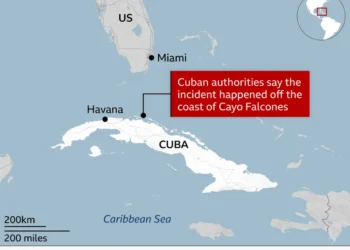 American Citizen Killed in Cuba Boat Shooting, U.S. Officials Say
 Instagram Investigating AI Profiles ‘Fetishising’ Disabled People
 Grave of Murdered Toddler James Bulger Vandalised
 Kidnapping of Foreigners Soars in Africa’s Lawless Sahel Region
 Stranger ‘On Drugs’ Stabbed Saudi Student to Death in Cambridge
 Calls Grow to Remove Billboard Following Lyra McKee Graffiti
 ‘Every Day Feels Like a Month’: Iranians Describe Life Under ‘Constant’ US‑Israeli Strikes
 Tears and Cheers as Controversial Long‑Running Australian Breakfast Radio Show Implodes
 My One-Hour Flight Transfer Left Me Facing 10 Days Stuck in a City Under Attack
 Alleged Bondi gunman seeks order to suppress family’s identity
 Real Estate Brothers Convicted in Sex Trafficking Trial
 Teen Wins Payout After TRNSMT Crush Horror
 Biker Suffers Fractured Spine After Hitting Pothole in Edinburgh
 Scots Head Teacher Pays Tribute to Teen Who Died in Car Fire
 Point-Blank Gunshot Misses Indian Politician
 Chinese National Arrested Over Attempt to Smuggle 2,000 Queen Ants From Kenya
 Second Man Arrested Over ‘Gunshot’ Death of Young Dad in Motherwell Home
 Michigan Synagogue Attack Leaves Suspect Dead in Tragic Incident
 Rapist Caught After Victim Calls Police Mid-Attack
 Families Tortured by Authorities During Investigations Inquiry Told
 Watchdog Probes Police Handling of Andrew Tate Abuse Claims
 Dawn Raids in Scotland and Spain: Eight Arrested in Major Organised Crime Sting
 Four Teens Charged After Assault on Rescue Volunteer and Dog
 ‘The Final Word’: Kathleen Stock’s Polemic Against Assisted Dying Reshapes the UK Debate
 ‘The Cost of Living’: Asia’s Migrant Workers Debate if Gulf Jobs are Worth the Risk of War
 “The Monster of Hull”: Funeral Director Admits to Preventing 30 Burials and Stealing Charity Cash
 Pope Leo Urges Peace in First Easter Mass Address
 The Great Saddle-Up: Sydney Commuters Ditch the ‘Crazy’ Bowsers for the Bike Lane
 ‘The Soul of Spain’: Politicians Clash Over Renewed Push to Move Picasso’s Guernica