Published: 09 April 2026. The English Chronicle Desk. The English Chronicle Online.
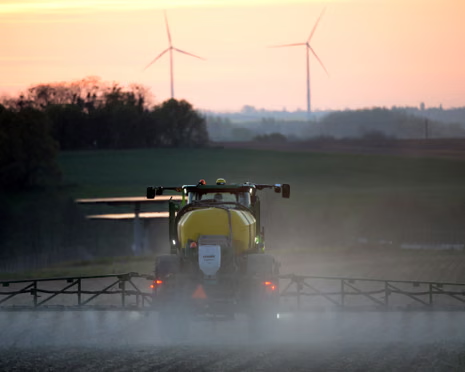
The story of modern British farming remains deeply tied to a controversial chemical past. Scottish farmers first pioneered the use of glyphosate on wheat crops during the late eighties. They struggled within damp glens to ensure their grain dried evenly before the winter. Desiccation became a vital tool for those facing the unpredictable and harsh northern weather. By killing the crop early, they could accelerate the harvesting process across the country. Glyphosate was then hailed as a revolutionary herbicide that spared all forms of animal life. It seemed like the perfect solution for agricultural regions that were both wet and cold. Four decades later, thousands of tonnes are now applied to British soil every single year. This chemical is found on large farms, municipal green spaces, and in domestic gardens. However, the safety record of the substance is now being very fiercely contested globally. Its current operating licence is up for renewal this coming December in the UK. Many campaigners are now calling for the government to ban or severely restrict it. Recent analysis of official data shows that farmers sprayed massive amounts during last year. Over two thousand tonnes were applied to fields, mostly targeting wheat and other cereals. This represents a ten-fold increase in chemical use over the past three decades alone. Usage remains incredibly high despite serious health warnings issued by the World Health Organization. International scientists classified the chemical as probably carcinogenic to humans back in mid 2015. Bayer continues to maintain that its specific herbicides do not cause any human cancer.

Nick Mole from Pesticide Action Network UK claims the national addiction is out of control. He argues that the substance has links to many different life threatening human diseases. The campaign group insists that the chemical damages our fragile environment and local wildlife. It pollutes our vital water systems and harms the biodiversity of our countryside areas. The government needs to commit to a total phase out of this toxic substance. Officials must help farmers and local councils find safe and sustainable agricultural alternatives instead. Glyphosate acts as a full spectrum herbicide which effectively kills every type of weed. This makes it a very powerful tool within the arsenal of any modern farmer. The UK uses this chemical differently than the United States where GM crops exist. American farmers spray resistant plants liberally while they are still growing in the fields. British farmers primarily apply the chemical before any new crop is actually planted today. This method kills off all the weeds currently growing across the open field surface. Helen Metcalfe from Rothamsted Research notes that regenerative farming drives this recent chemical increase. Farmers use it to avoid ploughing which can destroy the health of the soil. They are trying to prevent erosion while building up carbon in the ground naturally. To perform regenerative farming well, many feel they must apply these strong chemical sprays. However, the heavy deployment of synthetic chemicals always carries significant and lasting hidden dangers.
In the United States, Bayer offered billions to settle thousands of ongoing legal lawsuits. These cases allege the company failed to warn people about potential cancer risks involved. People believe the product Roundup caused their illness after years of heavy chemical exposure. The French government has even acknowledged a link between Parkinson’s disease and glyphosate use. They are now compensating farmers who have suffered from this debilitating and neurological condition. Wayne Carter from the University of Nottingham studies the biological impact of these pesticides. He suggests that higher levels of exposure lead to much greater health concerns today. High levels of the substance are potentially toxic to the human body and mind. You could be exposed through your daily diet or even through simple inhalation routes. People should also be very mindful when using these chemicals in their own gardens. In late 2023, the European Union banned the use of glyphosate before the harvest. This move reflected growing fears about the accumulation of chemicals in our food supply. A UK government spokesperson insisted that current regulations remain very strict and quite safe. They only approve pesticides if evidence shows no harm to human or animal health. The government claims these substances will not have unacceptable effects on our natural environment. Yet the pressure from environmental groups continues to grow as the December deadline nears. Scientists are now looking for ways to farm without relying on such heavy chemicals.
Transitioning away from this chemical dependence will require a massive shift in agricultural thinking. Many smaller organic farms have already proven that high yields are possible without herbicides. These pioneers use traditional methods like crop rotation and mechanical weeding to manage their land. They argue that the long term health of the soil is worth the effort. Critics of the chemical industry believe that corporate interests have influenced global farming policy. They point to the massive profits made from selling both seeds and compatible sprays. The debate over food security versus environmental safety is becoming more intense every year. Some researchers are developing new technology like robotic weeders that use lasers or steam. These innovations could eventually replace the need for spraying large areas of the countryside. Public opinion in the United Kingdom seems to be shifting toward more natural methods. People are becoming much more aware of what is being sprayed near their homes. Schools and local parks are increasingly being declared as pesticide free zones by councils. This grassroots movement is putting more pressure on the national government to take action. The future of British biodiversity may depend on the decisions made later this year. Protecting bees and other vital pollinators is a major concern for many local activists. Without these insects, the entire food chain could face a very serious collapse soon.

International trade deals also complicate the situation for the United Kingdom after leaving Europe. Different standards for pesticide residues can create barriers for farmers wanting to export grain. If the UK maintains higher chemical limits, it might struggle to sell to Europe. This economic pressure could force the government to align with stricter European safety standards. Farmers are caught in the middle of this complex political and scientific battle today. They want to produce affordable food while also being good stewards of the land. Financial support for those switching to greener methods is currently limited and quite hard. The agricultural industry needs clear guidance and long term certainty from the British government. Relying on a single chemical for decades has created a very fragile farming system. Weeds are beginning to develop resistance to glyphosate in many parts of the world. This means farmers have to use even more of the chemical to get results. This cycle of increasing usage is exactly what campaigners describe as a dangerous addiction. Breaking this cycle will be difficult but many believe it is absolutely necessary now. The health of the British public and the countryside is at a crossroads. As we approach the winter licence renewal, all eyes are on the policy makers. They must balance the needs of the industry with the safety of the citizens. The legacy of the 1980s Scottish pioneers is now being rewritten by modern science. A greener and cleaner future for British farming may finally be on the horizon. This transition will require courage, innovation, and a genuine commitment to public health. The English Chronicle will continue to monitor this vital story as it develops further.
Ultimately, the choice lies between short term convenience and the long term survival. Our fields deserve a rest from the heavy burden of constant synthetic chemical application. Every citizen has a right to know what is in their local environment. Transparency in the testing and approval of these substances is now more important. The coming months will reveal if the UK is ready to lead the way. We must move toward a more harmonious relationship with the land we all share. Only then can we ensure a healthy world for the generations yet to come. The era of the all powerful herbicide may finally be coming to an end. It is time for a new chapter in the history of British agriculture. Success will be measured by the health of our soil and our people. Let us hope for a decision that prioritizes life over simple chemical profit.
Related News:
 Traces of Glyphosate Found in UK Playground Tests
 Polycrisis Anxiety Leaves Many Feeling Trapped in the Present
 James Valentine Retires from ABC After Cancer Battle
 Chikungunya Spread in Europe Climbs as Climate Warms
 ‘Drinking from a Fetid Pond’: Superbug Genes in Lough Neagh
 The Toxic Scent Destroying Life in a Lancashire Town
 Nature Deficit: How Britain Lost Its Connection with the Great Outdoors
 Deadly H5 Bird Flu Reaches Australia’s East Coast
 UK Heatwaves Ignite Crisis of Sleep and Public Safety
 Europe Scorched as Record Heatwaves Grip the Continent
 Hospice Cuts Raise Alarm Across England Amid Funding Crisis
 Patients to Test Health at Home to Ease NHS Winter Pressure
 Shouting Works Best to Deter Gulls, UK Study Finds
 Reeves rejects £1bn plea for NHS redundancy payouts
 Senator John Fetterman Hospitalized After Fall from Heart Flare-Up, Keeps Sense of Humor
 New AI tool could cut wasted efforts in organ transplants
 Stroke Patient Mistaken for Drunk, Care Delayed
 ‘Traumatic Wait’: Northern Ireland Women Face Breast Cancer Delays
 Healthy Habits in Your 30s That Boost Life in Your 70s
 Scottish Families Take Legal Action Over School CO Leak
 Vicki Fears Losing Motability Car
 Five-Year-Old Dies After Rare Tonsil Surgery Complication
 Fibromyalgia Patients Struggle as NHS Fails to Provide Care
 More Patients Now Contacting GPs Online, Data Shows
 ‘Extinct’ Antelope Returns to Sahara, Bringing Hope
 Kenya Signs $2.5bn Health Deal with US Amid Data Concerns
 UK Enforces Junk Food Ad Ban Before 9pm
 Patients Collapsing in NHS Corridors, Watchdog Warns
 Google Removes Some AI Health Summaries Over Safety Concerns
 Judi Dench Champions Fight to Save London’s Green Spaces
 Half the World’s Largest Cities Face Rising Water Stress
 Streeting moves on doctor pay to end strike dispute
 Autistic Girls Often Missed in Childhood Diagnoses, Study Finds
 UK reports baby formula toxin poisoning cases across the country
 Placenta Accreta Warning as Hunt Urges Action
 Ocean Warming Drives Massive Marine Life Loss, Study Warns
 Greenpeace $345m Ruling Sparks Appeal Battle
 Zorevunersen Breakthrough for Dravet Syndrome
 Cancer Death Rate in Britain Falls by Nearly a Third
 New Zealand Covid Response Praised Despite Lingering Scars
 Taking Multivitamins Daily Could Slightly Slow Ageing, Study Finds
 Welsh Water Faces £44.7m Enforcement Over Sewage Breaches
 NHS Plans to Cut Overseas Workers Labeled Overambitious
 Extreme Weather: Europe Shivers as Cyclone Narelle Hits
 Middle East Deluge: Freak Storms Bangle Desert Nations
 Palantir Boss Defends NHS Deal Amid Government Break Clause
 Unions Raise Concerns Over Doctors’ Pay Dispute
 RSPB Urges Summer Bird Feeder Removal to Curb Disease
 Private Profits From NHS Contracts Spark Urgent National Debate
 15 Million Oysters Set to Revive UK Marine Ecosystems
 Medellín’s Green Revolution: A Global Climate Blueprint
 Broken Promises: Murray-Darling River Crisis Deepens
 Renewable Energy as a Strategic Shield for UK Security
 Urban Flood Crisis: A Growing Threat to English Homes
 Capitalism ‘Suicidal’, Warns Petro at Climate Summit
 New Scan Offers Hope for Faster Endometriosis Diagnosis
 New AI Tool To Target Obesity Risk And Transform NHS Care
 WHO approves first malaria drug for babies
 The Hidden Danger Facing Mothers in British Hospitals
 Hantavirus Cruise: Britons Face 45-Day Isolation Order
 Florida Surgeon ‘Devastated’ Over Fatal Surgery Error
 Crisis in the Canary Islands as Cruise Ship Evacuated
 UK Experts Urge Four-Day Week to Combat National Obesity
 French Patient Told Hantavirus Was Just Anxiety
 Heavy Caring Burden Linked to Faster Mental Decline
 NHS Drug Deal Faces Legal Threat Over US Trade Agreement
 Pope Meets Families in Italy Toxic Waste Zone
 Man killed in shark attack on Great Barrier Reef
 Record Spending Highlights Growing Crisis In National Health Service
 Clean Air Initiatives Spark Major Fall in London Hospital Admissions
 NHS Urges Investigation For Irregular Periods
 US Courts Back Trump on Park Signage Removals
 Britain’s Mini Fan Craze Sparks Major Waste Crisis
 US Chemical Accidents Rise as Protections Are Rolled Back
 Trump Immigration Cuts Threaten US Caregiver Stability
 Swift Nesting Crisis Sparks Outrage in South Tyneside
 UK Schools Struggle as Classrooms Top 40C
 London Tube Heat Reaches Dangerous Levels
 Japan Bear Hunt: Serial Fridge Raider Sparks Panic
 Thames Water Future Remains Uncertain Amid Funding Crunch