Published: April 10, 2026. The English Chronicle Desk.
The English Chronicle Online — Reporting from the “eye of the storm” in the Middle East.
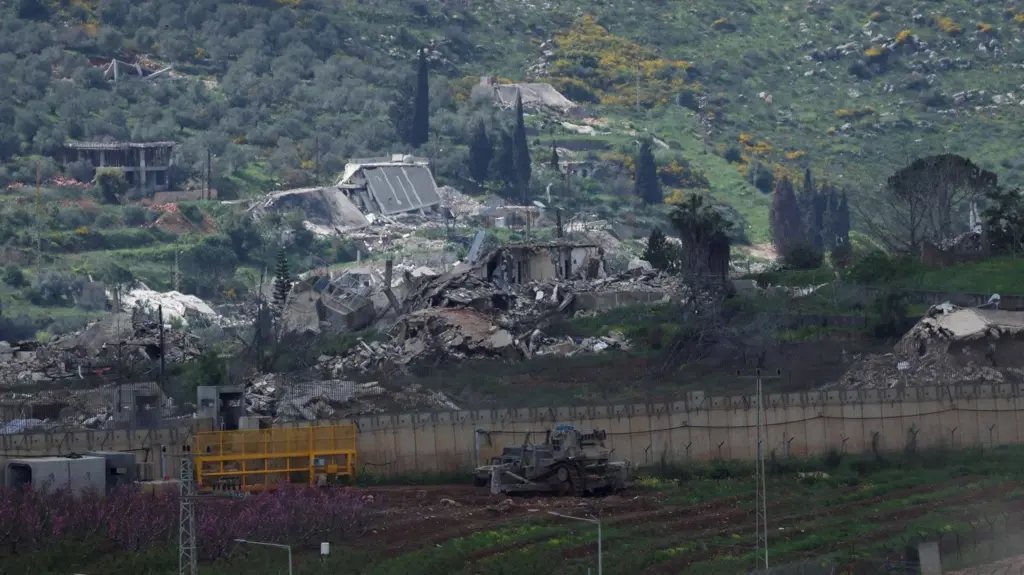
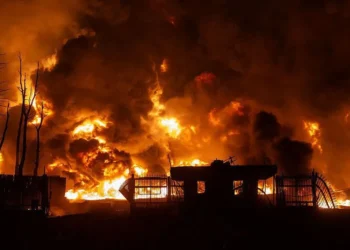
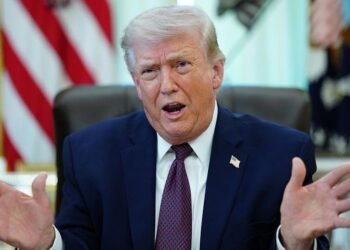
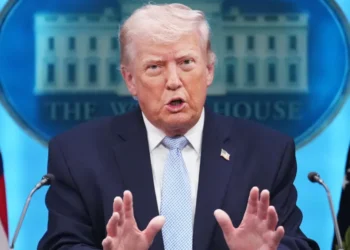
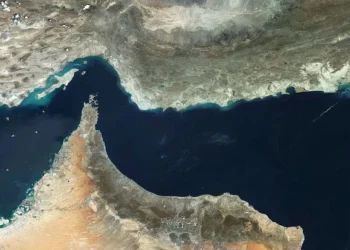
BEIRUT / JERUSALEM / WASHINGTON — The fragile 14-day ceasefire between the U.S. and Iran hit a “seismic” friction point overnight as Israel and Hezbollah engaged in their most intense artillery and drone exchange since the conflict began on February 28. While the Islamabad-brokered truce has largely silenced the direct “Power Plant” exchanges between Washington and Tehran, the “Lebanon Loophole” remains wide open. In Washington, President Trump seized on the escalation to launch an “unfiltered” critique of the Iranian regime’s “incompetent” handling of the Strait of Hormuz, accusing Tehran of using the chokepoint to “blackmail the civilized world.”

The overnight strikes focused on the Bekaa Valley and Southern Lebanon, where the Israeli Defense Forces (IDF) targeted what they described as “advanced precision-missile manufacturing sites.” Hezbollah retaliated with a “remarkable” barrage of over 60 rockets targeting northern Israeli communities. The escalation underscores the “tectonic” instability of the current peace, as regional proxies continue to operate outside the primary ceasefire’s “digital footprint.”
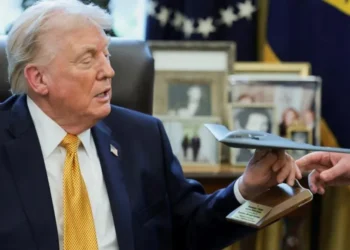
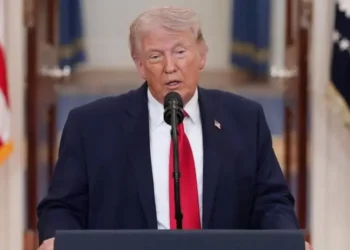
President Trump’s comments, delivered from the Oval Office late Thursday, have sent a “market shock” through the diplomatic community.
-
The ‘Incompetence’ Accusation: Trump argued that Iran’s previous threats to block the Strait of Hormuz demonstrated a “total failure of leadership” that has cost the global economy billions in “logistical friction.”
-
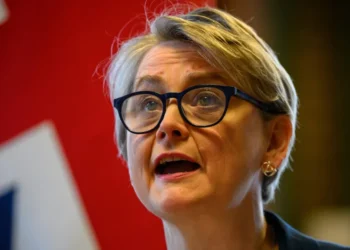
The Toll-Free Mandate: Echoing Home Secretary Yvette Cooper’s earlier statements, the President warned that any final Islamabad agreement must include “permanent, toll-free, and guaranteed” access to the Strait, or the U.S. would return to a “maximum pressure” military posture.
-
The Hezbollah Factor: Trump signaled that the U.S. would not restrain Israel’s “right to self-defense” against Hezbollah, even if it risked the broader 14-day truce. “We made a deal with the masterminds, not the puppets,” he stated.
For the “Life & Society” of the region, the war has split into two distinct realities.
-
The False Peace: In Tehran and the Persian Gulf, the ceasefire has allowed for a “holding pattern” of relief, with civilians hoping for a permanent end to the “Epic Fury” strikes.
-
The Active Front: In Beirut and Northern Israel, the “unprecedented” frequency of sirens and explosions means that for millions, the 14-day truce is a “technical glitch” that has not changed the daily reality of survival.
-
The Energy Seesaw: Global oil markets reacted with “seismic” volatility to the overnight strikes, as traders fear that a Hezbollah-Israel escalation will lead to “Power Plant Day” scenarios where regional energy infrastructure is once again targeted.

As diplomats in Pakistan prepare for “Friday Prayers” and the next round of negotiations, the “bum note” of the Lebanon escalation hangs over the table. The “Pakistan Protocol” is intended to be a comprehensive “system update” for regional security, but critics argue that as long as the Strait of Hormuz remains a “strategic hostage,” the risk of a “tectonic” collapse of the peace remains high.
With the 14-day clock ticking down, the “unfiltered” question remains: can the world achieve a “remarkable wisdom” that addresses both the shipping lanes of the Gulf and the rocket batteries of the Levant, or is the overnight fire just a preview of a much larger conflagration?
Related News:
 Trump Administration Probe of Fed’s Powell Draws Pushback
 Iran Rejects Ceasefire, Warns Trump With Chilling Message
 Trump Faces New Warning Signs as Iran War Hits Home
 The Horns of Dilemma: Why the 2026 Iran War Ignited and Where It Goes Next
 Tectonic Tension: Trump Blasts NATO Costs as Rutte Admits to ‘Very Frank’ Exchange
 Modi’s London Visit Seals Historic UK-India Trade Pact Amid Global Tensions
 Rachel Reeves to lead UK trade push in Saudi Arabia amid rights debate
 Canada Passes Carney’s First Budget in Tight Parliamentary Vote
 India’s Labour Law Overhaul Sparks Fierce Debate
 Trump to Recheck Green Cards from 19 Nations After DC Attack
 Carney’s Alberta Pipeline Deal Sparks Immediate Pushback
 Russia losses Ukraine war peace talks intensify amid rising deaths
 Trump Escalates Minnesota Immigration Surge Amid Rising Tensions
 Austrian Airlines Halts Tehran Flights Amid Political Unrest
 Trump: US Stands Ready to Help Iran Find Freedom Amid Widespread Unrest
 Top Senate Republican Says Federal Probe of Powell Could Challenge Fed Nominees
 Trump Threatens Strong Action If Iran Executes Protesters
 Government Unveils Northern Powerhouse Rail Plans
 Trump Receives Machado’s Nobel Medal in White House Meeting
 Greenland Crisis Forces Europe to Draw a Line With Trump
 Iran Cannot Be Bombed Into Democracy, Only Helped There
 Trump Fed bid heads to Supreme Court
 Historic Abu Dhabi Talks Bring US, Ukraine and Russia Together
 EU Says US Ties Have Suffered ‘Big Blow’ After Greenland Crisis
 ‘Repatriate the Gold’: Germany Debates Bringing Reserves Home
 Thousands Protest ICE Operations in Nationwide US Day of Action
 Trump Praises ‘Terrific’ Petro After White House Talks
 Fears of New Arms Race as US-Russia Nuclear Weapons Treaty Expires
 New Nuclear Talks Between US and Iran Begin in Geneva
 ‘He Did It for Us’: US Soldier Recalls Jesse Jackson’s Efforts to Free Him and Two Other POWs
 Stephen Colbert Says CBS Spiked Interview With Democrat Over FCC Fears
 Japan Braces as Takaichi Begins New Term with Huge Mandate for Low‑Tax, Ultra‑Conservative Agenda
 US Urges Iran to Make Deal as Military Presence Rises
 Sanders Condemns Billionaire ‘Greed’ in California Tax Debate
 US and Indonesia Finalise Deal to Cut Tariffs to 19%
 US Trade Deficit Hits Fresh High Despite Trump’s Tariffs
 Billionaire Les Wexner Tells US Lawmakers He Was ‘Naive’ and ‘Conned’ by Epstein
 US Will Not Back Out of Tariff Deals with UK and Others, Says Trump Trade Representative
 What Now for Asia After Trump’s Tariffs Were Struck Down?
 Inside Kyiv’s resolve as conflict nears five‑year mark
 What to Watch for During Trump’s State of the Union Address
 Trump’s tariff strategy collapse sows global chaos and confusion
 Bill Gates ‘Took Responsibility’ Over Epstein Ties in Staff Meeting, Foundation Says
 Clinton Testimony Erupts in Fiery Exchange
 American Citizen Killed in Cuba Boat Shooting, U.S. Officials Say
 Hillary Clinton Tells House Panel She ‘Had No Idea’ of Epstein’s Crimes
 Hopes and Fears as US Iranians Take to Streets After Toppling of Supreme Leader
 Iran, the US, and a World Cup That Starts in Three Months
 Trump Faces Questions Over Iran Conflict Plan
 Trump’s Iran Endgame Unclear After Mixed Messaging on War Aims
 Rubio Responds to Reported Strike on Iranian School
 US Senate Backs Trump War Powers Amid Iran Missile Barrage
 US Senate Vote Fails to Rein in Trump War Powers on Iran
 Trump Removes Kristi Noem From Homeland Security Role
 UK Prepares Aircraft Carrier for Middle East Crisis
 Pete Hegseth Iran War Remarks Spark Alarm
 Iran War Puts Trump at Political Risk Amid Rising Prices
 Gulf Oil Shock Sends Global Economic Ripples
 US Says 16 Iranian Mine Ships Destroyed in Hormuz
 Russia Seeks Gains as Iran War Reshapes Global Politics
 Trump’s Confidence Undimmed — But Every Iran Option Carries Risk
 Fox News Cut In Over Trump King Charles Claim
 Trump Seeks to Delay Meeting With Xi
 PM Seeks to Reassure Australians Over Fuel Supply
 Reeves to Join Emergency G7 Meeting as Oil Hits $116
 Zelensky Looks to Gulf to Protect Him from Putin
 Iran Strikes Kuwaiti Desalination Plant, Killing Worker as ‘Water War’ Escalates
 Epic Fury: The Strategic Logic and Uncertain Horizon of the 2026 Iran War
 Can Congress Stop US Sports Teams From Moving Cities?
 Trump’s Harsh Rhetoric on Iran Sparks Global Alarm
 “Region Will Burn”: Iran Issues Defiant Retaliation Warning After Trump’s Expletive-Laced Deadline
 Oil and Diplomacy: Russian Refineries Burn as Zelenskyy Secures Middle East Shield
 “A Perfect Storm”: UK Small Businesses Face Doubling Energy Bills as Iran War Rattles Markets
 The $100 Billion Peace: Trump’s ‘Grand Bargain’ Ends Iran Conflict at a Staggering Cost
 ‘A Double-Sided Ceasefire’: Inside the 14-Day Truce Between the US and Iran
 Diplomatic Sprint: Starmer Heads to the Gulf as 14-Day Truce Holds
 The Great Chokehold: Why the Strait of Hormuz is the Epicenter of the 2026 Crisis
 Global Commerce Crisis: Cooper Demands Immediate, Toll-Free Access to Hormuz
 The Academic Chill: Beijing Condemns ‘Hostile’ US Questioning After Researcher’s Death
 ‘Stressed and Struggling’: Farmers Lead Tractor Convoys in Desperate Plea for Fuel Tax Cuts