Published: 19 April 2026. The English Chronicle Desk. The English Chronicle Online
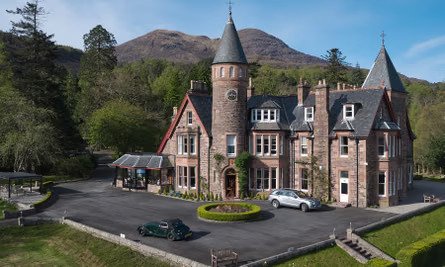
Scotland’s Highlands and Islands have long drawn travellers seeking dramatic landscapes, remote tranquillity, and stays that feel deeply connected to nature. From rugged sea lochs and wind-swept moorlands to car-free islands and centuries-old inns, the region offers accommodation experiences that are as memorable as the scenery itself. These are places where architecture blends into wilderness, where history sits beside modern eco-design, and where the journey is often as rewarding as the destination. Across the Highlands, from Wester Ross to the Hebrides, each stay tells its own story of isolation, beauty, and quiet luxury.
In the far north-west, on the shores of Loch Torridon, a restored stone bothy on the Ben Damph estate offers a rare kind of simplicity. Built from the remains of a traditional black house, it looks out across the loch towards towering peaks. With log burners for warmth, hand-crafted wooden furniture, and a glass “sitooterie” framing mountain views, it balances rustic living with thoughtful comfort. There is no electricity, yet running water and a hot gas shower ensure basic ease, while the surrounding estate provides a sense of total seclusion.

Deep in the Cairngorms National Park, the Old Bridge Inn near Aviemore combines sociable hospitality with outdoor adventure. Set beside the River Spey, this gastropub and bunkhouse attracts hikers, climbers, and paddlers who spend their days exploring forests and hills before returning to folk music and roaring fires. Its rooms offer simple comfort, while the nearby Rothiemurchus estate provides one of Scotland’s most accessible wilderness playgrounds, where wildlife and water sports sit side by side.
Further west, in the legendary valley of Glen Coe, accommodation takes on a more dramatic tone. The Kingshouse Hotel and adjoining bunkhouse sit beneath towering peaks and steep ridges that have witnessed centuries of history, including the infamous 1692 massacre of the MacDonald clan. Today, the glen is a magnet for walkers on the West Highland Way. Glass-fronted dining spaces allow guests to absorb the valley’s shifting light, while the surrounding landscape offers some of the most challenging hikes in the country.
On the remote, car-free island of Ulva, time slows to a different rhythm entirely. Accessible only by boat from Mull, Ulva’s landscapes are shaped by woodland trails and coastal paths. A converted bothy known as Bearnus sits above a quiet beach, offering off-grid living with wood-burning stoves, candlelight, and sea views. Inside, books, games, and hand-crafted touches create a sense of homely isolation, while the surrounding island invites exploration on foot, free from roads or traffic.
On the Isle of Skye’s Waternish peninsula, the historic Stein Inn, dating back to 1790, blends maritime heritage with contemporary hospitality. Overlooking the sea, it serves locally caught langoustine, lobster, and crab just steps from the shore. The inn’s rooms, recently refreshed with modern Scottish design, offer sweeping coastal views, while the surrounding area remains one of Skye’s most peaceful and scenic corners, far from the island’s busier tourist routes.
In the wild expanse of Rannoch Moor, the Loch Ossian Eco Hostel provides one of Scotland’s most remote sustainable stays. Accessible only by train and a short hike or cycle from Corrour Station, the hostel sits beside a loch surrounded by moorland wilderness. Powered by wind and solar energy, it uses composting toilets and eco-friendly systems to minimise environmental impact. The absence of roads or vehicles enhances the sense of isolation, making it a haven for hikers seeking solitude.
Further north, the Kylesku Hotel on the North Coast 500 route offers a striking contrast, combining modern design with rugged coastal scenery. Overlooking Loch Glendhu, it provides panoramic views of fishing boats and distant mountains. Guests can explore the surrounding Assynt landscape, a UNESCO-designated geopark known for its ancient geological formations. Activities range from kayaking to guided storytelling walks, making it a gateway to both nature and culture.
In Argyll, a new wave of architect-designed bothies by the Croft Collective is redefining remote luxury. Overlooking sea lochs and distant islands, these minimalist retreats feature vast windows, Japanese-style sunken baths, and hammocks suspended to capture uninterrupted views of the coast. Wildlife such as seals, otters, and eagles often appear in the surrounding waters and skies, reinforcing the connection between design and environment.

On the shores of Loch Carron lies the conservation village of Plockton, often described as one of Scotland’s most picturesque settlements. Palm trees line its waterfront, yachts drift in the bay, and the Plockton Inn offers colourful, characterful accommodation split across historic buildings. The village serves as a base for exploring nearby Eilean Donan Castle and sampling freshly caught seafood landed directly on the pier.
Finally, on the Isle of Lewis, a small cabin at Croft 10 offers west-facing views over the Atlantic, where sunsets stretch across open water. Surrounded by Hebridean sheep and coastal farmland, the cabin provides a simple yet immersive experience of island life. Nearby wild swimming spots and walking trails allow guests to connect directly with the landscape, while the ever-changing sky over Broad Bay completes the sense of remote beauty.
Across Scotland’s Highlands and Islands, these stays reflect more than just accommodation; they represent a way of experiencing landscape, history, and isolation in its purest form. Whether it is an off-grid bothy, a historic inn, or a modern eco-cabin, each place invites visitors to slow down and engage deeply with some of Europe’s most dramatic natural scenery.
Related News:
 Undercover officer deceived women with ‘grotesque and cruel’ lies, spycops inquiry told
 UK Banks Maintain £100 Contactless Limit Despite FCA Rule Change
 Rising Costs Force Families to Rethink Days Out
 EU Biometric Border Checks Delayed for UK Travellers
 Archbishop Prays for Middle East Peace in First Easter Sermon
 Storm Dave Disrupts Travel but Conditions Set to Ease
 Kezia Dugdale Warns of Possible Reversal of Equal Rights Gains
 Synagogue Arson Attempt Sparks Security Fears
 NHS Safety Fears as Nurses Cover Doctor Gaps
 Walsall Rapist Jailed After Hate-Filled Online Trail
 Two Children Die in Wolverhampton House Fire Tragedy
 Reform UK funding: mystery billionaire revealed
 Farke’s Leeds revival: from pressure to FA Cup glory chase
 John Terry Faces Backlash Over Political Posts
 UK may ban protests amid rising antisemitism fears
 Greens Face Internal Row Over Antisemitism Claims
 Barrister Criticises Trial After Suicide Case Verdict
 Tractor Breakdown Tests Lincolnshire Farmers
 Labour Members Turn Against Starmer Leadership
 Britons Build Emergency Supplies Amid Rising Fears
 Sycamore Gap Artwork Chosen After Public Vote
 Victim says non-custodial rape sentence ‘rock in my face’
 Essex valley emerges as rising English wine hub
 Farage and Reform UK Reshape British Politics
 Starmer Leadership Under Pressure After Setbacks
 Thailand Tightens Visa Rules to Curb Tourist Misbehavior
 Public Confidence in University Degrees Plummets in the UK
 UK Nations Brace for Potential Breakup Amid Reform Surge
 Cornwall Van Dwellers Face Eviction in Housing Crisis
 British Teens in EU Face Soaring UK University Fees
 UK Schools Struggle as Classrooms Top 40C
 London Tube Heat Reaches Dangerous Levels
 Italy’s Beach Lunch Ban Sparks Holiday Backlash
 Olympus Awaits Unesco Heritage Recognition
 Three-Quarters of England’s Riverbanks Still Off Limits
 Westminster Council Threatens Charing Cross Soup Kitchen
 BBC Warned About Missing Clothes of Murder Victim
 Cambridge Professor Jason Arday Found Dead at Home
 London’s 2026 ‘Great Stink’ Raises Sewer Concerns
 Burnham unveils £65m drought aid for farmers
 Reeves Faces Setback as Labour May Miss Homes Target
 Kate Winslet to Narrate Film Highlighting King’s Environmental Mission
 Trump’s UK Ambassador Urges North Sea Drilling to Strengthen US Ties
 UK Bans Fake Numbers: Scammers Lose Their Trick
 Millionaires group urge Reeves to introduce wealth tax to ‘lift kids out of poverty’
 Reeves rejects £1bn plea for NHS redundancy payouts
 PM Condemns Leaks, Vows Loyalty to Ministers and Stability
 Inside the Helpline Protecting Missing Children in the UK
 PlayStation PS5 Deals Hit Lowest Prices Ahead of Black Friday
 Five-Year-Old Dies After Rare Tonsil Surgery Complication
 Starmer Says Labour’s Economic Plan Needs Years to Deliver
 Starmer Faces Parliamentary Battles Over UK-EU ‘Reset’ Plan
 Met Police Vetting Failures Let Serial Rapists Remain
 Fatal Bolton Taxi Crash Claims Three Teens and Driver
 ScottishPower Tops List of Worst UK Energy Suppliers
 Judi Dench Champions Fight to Save London’s Green Spaces
 Crowborough Camp Welcomes First Asylum Seekers
 Inquiry into HMRC child benefit errors launched by NAO
 Scott Mills Sacked by BBC Over Personal Conduct Claims
 Palantir Boss Defends NHS Deal Amid Government Break Clause
 Relationship with Trump may be beyond repair, Starmer warned
 UK Government Poised to Revive Stalled Hillsborough Law
 New AI Tool To Target Obesity Risk And Transform NHS Care
 Met Officers Probed Over Al Fayed Abuse Allegations
 Reform UK Faces Crisis as Newly Elected Councillors Resign
 Starmer Strikes Back as 100 MPs Sign Support Pledge
 UK Firms Freeze Spending as Iran Conflict Bites
 Reeves to Fast-Track Clean Energy Amid Iran Crisis
 The Battle for Wembley Sparking Unprecedented Legal Warfare
 Pope Meets Families in Italy Toxic Waste Zone
 Secret Role of UK Security Services in Troubles Amnesty Law
 Tube Strike Brings Capital to a Standstill Over Shift Disputes
 Teaching Machines Right From Wrong in the Digital Age
 The Hidden Crisis Eroding Trust in British Communities
 Stolen Mobiles Could Soon Become Useless Bricks
 Clean Air Initiatives Spark Major Fall in London Hospital Admissions
 UK Care Crisis: Row Explodes Over New Visa Settlement Rules
 Sainsbury’s Boss Optimistic As Grocery Inflation Eases
 Trump’s Mount Rushmore Speech: A Divisive Anniversary
 US Airman Avoids British Court in Indecent Exposure Case