Published: 19 April 2026. The English Chronicle Desk. The English Chronicle Online
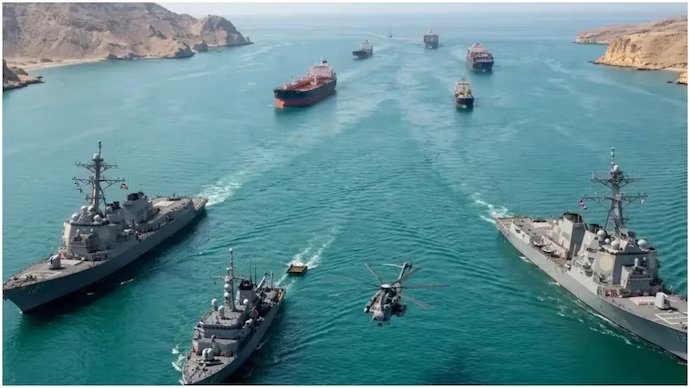
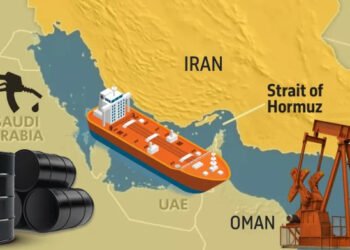
Tensions in the Gulf have escalated sharply after Iranian authorities announced the reimposition of restrictions on the Strait of Hormuz, following renewed disputes with the United States over sanctions and maritime access.
Iranian officials said the shipping lane had been returned to its “previous status” under strict military oversight, effectively tightening control over one of the world’s most critical oil transit routes. The announcement came after Washington reiterated that its blockade of Iranian ports would remain in place until broader negotiations reached a final agreement.
The Strait of Hormuz, through which roughly a fifth of global oil and liquefied natural gas passes, is once again at the centre of international concern. Any disruption in the area has immediate implications for global energy markets, with analysts warning of potential price volatility if tensions continue.

Iran’s elite military force, the Islamic Revolutionary Guard Corps (IRGC), has reportedly taken a leading role in enforcing the renewed restrictions. Iranian state-linked military commands stated that the movement of vessels linked to Iran would remain restricted until Washington guarantees what they describe as “full freedom of navigation” for Iranian shipping.
In a significant escalation, maritime monitoring agencies reported that IRGC vessels allegedly fired upon a commercial tanker attempting to pass through the strait during a brief reopening window. The vessel, reportedly an oil tanker, was said to be operating in international waters north-east of Oman when it came under fire from fast-moving patrol boats.
Another separate incident involving an Indian-flagged crude oil tanker was also reported in the same maritime corridor, raising further concerns about the safety of civilian shipping in the region. However, authorities have confirmed that no crew members were injured in the incidents, and investigations are ongoing.
Iranian officials, including deputy foreign minister Saeed Khatibzadeh, insisted that the United States cannot impose maritime restrictions on Tehran while expecting unrestricted passage for all vessels. Iranian statements emphasised that the strait would remain under strict control as long as what they describe as “economic siege conditions” persist.
Tehran’s top nuclear negotiator, Mohammad Bagher Ghalibaf, acknowledged that diplomatic talks with the United States had seen limited progress, but said significant disagreements remain unresolved. He noted that while discussions have advanced in some areas, major gaps continue to exist over nuclear policy and maritime security arrangements.
Meanwhile, US President Donald Trump maintained that Washington’s position remains firm. He said negotiations with Iran were ongoing but warned against what he described as “blackmail” linked to control of the strategic waterway. The US administration has insisted that any easing of restrictions would depend on a comprehensive peace agreement.
According to regional diplomatic sources, a fragile ceasefire agreement tied to broader Middle East tensions is also under pressure, with concerns that failure in negotiations could lead to further escalation. Talks involving international mediators are expected to continue, although no firm timeline has been confirmed.
The maritime situation briefly appeared to stabilise earlier in the day when several commercial vessels successfully transited the strait. However, Iran’s reversal of its reopening decision quickly reintroduced uncertainty for shipping companies and global energy traders.

The UK’s Maritime Trade Operations Centre confirmed reports of hostile activity involving Iranian naval units and advised vessels in the region to exercise extreme caution. It stated that while targeted ships and crews remained safe, the incidents highlight ongoing risks in one of the world’s most strategically sensitive waterways.
Energy analysts have warned that continued instability in the strait could have immediate global consequences, particularly for oil-importing economies. Previous disruptions in the region have led to sharp increases in crude oil prices and heightened volatility in international markets.
Diplomatic efforts continue behind the scenes, with mediators from regional and international governments urging restraint. Egyptian officials have expressed cautious optimism that a negotiated agreement could still be reached in the coming days, though the situation remains highly unpredictable.
As both sides exchange warnings and conditions, the Strait of Hormuz remains a critical pressure point in already strained US-Iran relations, with global markets watching closely for any further escalation.
Related News:
 Trump Faces Crisis as Iran Reopens Hormuz Tensions
 Trump likens US Navy actions to ‘pirates’
 Ohio’s Battle for Trust: Democrats Vying to Flip the Buckeye State
 Middle East Crisis Escalates as Oil Routes Shake Markets
 UK Pushes for New EU Goods Trade Deal
 Reeves Fights to Keep Treasury Role Amid Labour Turmoil
 Discontent grows around Putin amid war strain
 Trump Claims Iran Peace Deal Near Completion
 Labour MPs Urge Burnham to Revive UK Aid Target
 BBC to Apologise Over Edited Trump Speech Amid Backlash
 Britain deploys RAF specialists to assist Belgium with drone threats
 US Justice Department Files Lawsuit Against California Over Partisan Voting Maps
 Greene Pushes Epstein Files Amid Trump Fallout
 Trump Deploys DHS to Charlotte in Major Arrest Operation
 December Run-Off in Chile as Election Produces No Winner
 Canada Passes Carney’s First Budget in Tight Parliamentary Vote
 Shadow Fleet at Sea: Europe’s Battle Against Illicit Oil Shipping
 Pentagon Officials in Ukraine to Discuss War End
 Venezuela Threatens Nobel Winner Machado with Fugitive Status
 Georgians Defy Government Crackdown After Year of Protests
 EU plans $105bn Ukraine aid using frozen Russian assets
 Global campaign launched to free Palestinian leader Barghouti
 Trump Policies Boost China’s Global Rise, Survey Finds
 Iran unrest slows under brutal crackdown and global tensions
 Pentagon Signals Reduced Role in Deterring North Korea
 Thousands Protest ICE Operations in Nationwide US Day of Action
 Epstein Files Reveal Trump Officials’ Emails with Financier
 Starmer Condemns ‘Depraved’ Russian Strikes on Ukraine
 Herzog visit sparks protests across Australian cities
 UK and US Drop in Global Corruption Index Rankings
 Sydney Protest Escalates and Elderly Woman Suffers Severe Injury
 Tarique Rahman’s Rise Toward Bangladesh’s Top Job
 Canberra Poster Seizure Sparks Free Speech Row
 Evo Morales Returns After Mysterious Absence
 AFP Reviews Pauline Hanson Comments
 Duterte ICC Hearing Begins Amid Defiance
 Trump Tariffs Threat Spark UK and EU Alarm
 The Dangerous Rise of Remigration Across Modern Europe
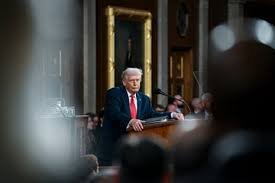 Trump’s Marathon Speech Fails to Mask a Growing National Disconnect
 Jacinda Ardern Moves To Australia Following Her US Fellowships
 US to offer passport services in West Bank settlements
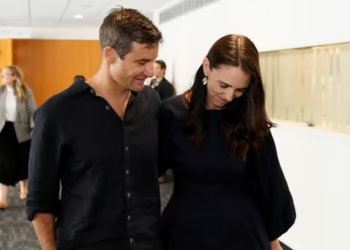 Jacinda Ardern Move Sparks Kiwi Reflection
 Health Funding Row Rocks US‑Africa Relations
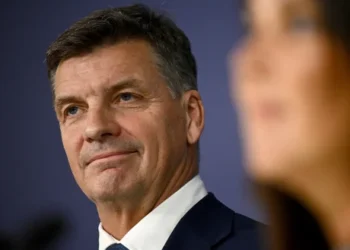 Nick Greiner Warns Over Election Review Fallout
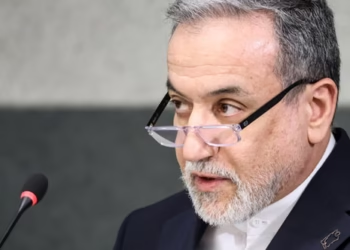 Iran Defiance Grows Amid US-Israel War Pressure
 Injured Mojtaba Khamenei Elevated as Iran Leader
 Gordon Brown urges court for crimes against children
 Oil Prices Jump After Trump Claims Iran Oil Hub Destroyed
 Pakistan Targets Militant Hideouts in Afghanistan
 Danish Election Deadlock Shakes Frederiksen’s Grip
 Air Canada CEO Faces Outcry Over Recent Language Misstep
 Trump to Visit China in May After Iran War Delay
 Pope Rebukes Leaders for War as Middle East Tensions Rise
 Trump to Deploy “God Squad” Over Gulf Wildlife Protections
 Army Probes Apache Flyover at Kid Rock’s Nashville Estate
 Relationship with Trump may be beyond repair, Starmer warned
 Italian Town Buys Mussolini Villa to Keep Away Fascist Fans
 Unions Raise Concerns Over Doctors’ Pay Dispute
 Report Says Pezzullo Acted ‘Recklessly’ in Dealings
 Trump Employs Nixon’s Madman Theory Amid Iran Crisis
 Hungary election: Orbán faces biggest test amid scandal
 Suspected Plot Targets Pipeline Before Hungary Vote
 Trump Brokers Landmark Lebanon Ceasefire Amid Regional Hopes
 Capitalism ‘Suicidal’, Warns Petro at Climate Summit
 Coalition pushes fossil fuel phaseout plan
 Judge halts deportation of Yemeni refugees in US
 Trump approval plunges amid Iran war fears
 US ‘Narco Boat’ Strikes Draw Global Outcry
 Afghan Families Left in Limbo Face Risk of Deportation
 US Awaits Iran Reply on New Ceasefire Proposal
 US green card applicants must apply from abroad, DHS says
 Albanese Defends Tax Reforms Amid Emotional Speech
 Starmer Leadership Under Pressure After Setbacks
 House Curbs Trump’s War Powers in Rare Rebellion
 Germany Summons Chinese Envoy Over Russian Troop Training
 New South Wales Premier Chris Minns Signals Tough Road Ahead for Labor
 Le Pen to Run for President Despite Embezzlement Conviction
 Ukraine Creates Long-Range Strike Command
 Le Pen’s Popularity Holds Despite Conviction
 Houthis Strike Saudi Arabia as Middle East Tensions Rise