Published: 23 April 2026. The English Chronicle Desk. The English Chronicle Online
In a PR blunder that has drawn widespread condemnation, telecommunications giant Sky has been forced to issue a formal apology to a mother of three whose home was razed by a fire. The controversy erupted after the company’s automated systems demanded the return of a Sky Q box—which was buried under the ash of her destroyed property—or a £58 non-return fee. The incident has sparked a heated debate on social media regarding the “automated cruelty” of corporate billing systems in the face of human tragedy.
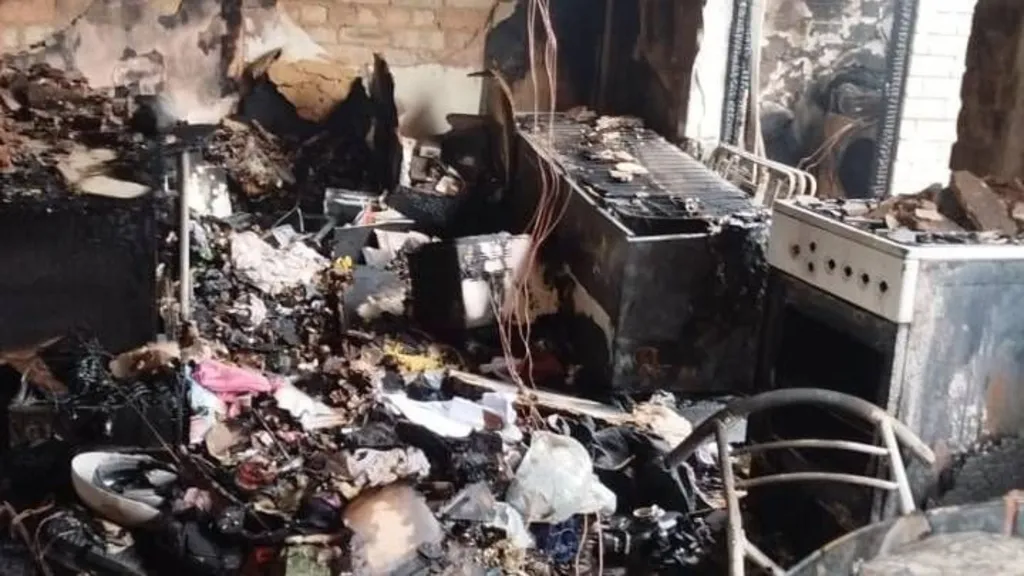
The ordeal began in March, on the eve of a long-awaited family holiday for Hannah Foster and her three children in Derby. What should have been a night of packing turned into a nightmare when a faulty tumble dryer ignited, sending flames tearing through their home. While Ms. Foster successfully rescued her children from the blaze, the family lost nearly everything they owned. “The house was just a shell,” she told reporters. “We walked out with the clothes on our backs.”

Despite the catastrophic nature of the loss, Sky’s automated correspondence system continued to function as normal. Weeks after the fire, while the family was living in temporary accommodation and navigating the trauma of displacement, Ms. Foster received a notification informing her that her equipment had not been returned following the cancellation of her service.
The Ultimatum: Sky requested that the box be sent back in a pre-paid envelope to avoid a penalty.
The “Charred” Reality: When Ms. Foster explained that the box was a melted lump of plastic somewhere in a condemned building, she was allegedly told she would still face a £58 fine for “unreturned equipment.”
The Impact: “I was dealing with insurance, trauma, and trying to keep my kids’ lives together,” Ms. Foster said. “To be told I had to go into a burnt-out house to find a piece of junk or pay £58 felt like a kick in the teeth.”
Following a public outcry after the story was shared by consumer rights groups, Sky moved to rectify the situation. A spokesperson for the company confirmed that the charge has been waived and a “gesture of goodwill” has been offered to the Foster family.
“We are incredibly sorry for the distress caused to Ms. Foster,” the statement read. “In circumstances as tragic as these, our teams should have more flexibility to override our standard procedures. We are reviewing our internal processes to ensure this does not happen again.”
However, consumer advocates argue that this is not an isolated incident. In 2026, as more utility and entertainment companies move toward fully automated, AI-driven debt collection, the “human touch” is increasingly absent. Financial experts note that while automation is efficient for 99% of cases, it fails spectacularly during “force majeure” events like house fires, floods, or sudden bereavements.
The incident has also refocused attention on the ongoing safety risks of white goods. The fire at the Foster home is the latest incident linked to a faulty tumble dryer, a recurring issue that has led to calls for stricter manufacturing regulations.

As Ms. Foster and her children begin the long process of rebuilding their lives, her story serves as a dual warning: one about the literal dangers lurking in utility rooms, and another about the figurative coldness of the modern corporate machine. For now, the “charred remains” of the Sky box stay where they are, and a mother is finally being allowed to focus on her children rather than a £58 debt.
Related News:
 Gender Pay Gap Won’t Close for Another 30 Years, Warns Union
 Royal Mail Blames Poor Weather and Sickness for Delayed Deliveries
 Popular UK Service Station Announces Closures Amid Another’s Liquidation
 Store at Famous Shopping Village to Close After 18 Years Due to Rising Costs
 Tesco Announces New Rule for Customer Parking Spaces – ‘We Need These Everywhere!’
 Fury as Jobless-Migrant Households Receive Benefits Worth £10bn – ‘We Need to End This’
 Closing Factory Workers Paid to Help at Food Bank
 South East Water Faces £22m Fine for Supply Failures Affecting Hundreds of Thousands
 Sarah Ferguson Loses Another £1.5m Amid Financial Struggles
 Courier Firm Bust After 14 Years as Evri Deliveries Face ‘Temporary Disruption’
 Fuel Costs Are Rising — Drivers on the Frontline of the Price Surge
 ‘Heating Oil Suppliers Are Holding Us to Ransom’ as Prices and Cancellations Surge
 Disabled Girl ‘Felt Like Alien’ in Shoe Row
 Rising Costs Force Families to Rethink Days Out
 Glasgow Central Set for Full Reopening After Fire
 Fire Crews Battle Major Blaze at Coventry Car Dealership
 Gridlock Britain: Easter 2026 Set for Busiest Roads in Four Years
 ‘Empty Tanks’: UK Drivers Cry Foul as Petrol Prices Surge Amid $120 Oil Threat
 Debt Relief or Drop in the Ocean? UK Caps Student Loan Interest at 6%
 The ‘Shredder’ Syndrome: Why the 2026 Job Market is Breaking Entry-Level Spirits
 Property Peak? UK House Prices Dip Amid Geopolitical Jitters and ‘War Uncertainty’
 The Kitchen Table Crisis: How the 2026 Iran War Hits Your Wallet
 The Pre-School Lottery: Families Left in ‘Holding Pattern’ as Local Places Vanish
 The Silent Lifeline: Why the 2026 Digital Switchover has Millions Saying, ‘I Didn’t Realise How Much I Needed My Landline’
 The Cost of Compassion: Rising Fuel Prices Put ‘Seismic’ Strain on Transport Charity
 The Price of Help: Fuel Surge Threatens Charitable ‘Power Plant’
 The Liquid Gold Heist: Arrests Made After Man Found with ’20 Olive Oil Bottles’
 The Freedom Hub: Can a Former Women’s Jail Unlock This City’s Potential?
 The Green Mile: Country Lane Solar Farm Set to Power 13,000 Homes
 The Sustainable Departure: Crematorium Completes £5m ‘Green’ Transformation
 The Waiting Ward: ‘Month of Worry’ as Doctor Strikes Trigger Seismic Surgery Delays
 Powering the Future: Green Light for ‘Seismic’ Nuclear Project Promising 8,000 Jobs
 ‘The Triple-Shift Generation’: The 20-Somethings Juggling Three Jobs to Stay Afloat
 Statistical Mirage: UK Unemployment Dips to 4.9% as Students Exit the Workforce
 ‘A Beacon of Hope’: £3m Injection Set to Transform Town’s Community Hub
 ‘The Flyover Returns’: A40 Westway Reopens Overnight Following Month-Long Gridlock
 ‘The Tap is Turning’: Stormont Eyes £3bn Windfall Through Water Charges and Rate Hikes
 ‘The Logistics of Mercy’: Charities Pushed to Breaking Point by 190p Fuel Spike
 ‘Economic Sandbags’: UK Retailers Activate Price Rise Contingency Plans as Supply Chain Strains Mount
 ‘The Cost of a Life’: Air Ambulances Fear Fuel Spikes May Force Operational Grounding
 McDonald’s Leadership Under Fire Over Stance on Workplace Misconduct
 UK Pub Price Hikes: Landlady Calls Drink Increases Last Resort
 Restoring the Gateway: £6.2m Investment to Save Historic Harbour
 “Jobs Will Go”: Rishi Sunak Warns AI is Already Eroding Entry-Level Opportunities
 The Hidden Debt Trap: Thousands Sued by Councils Over Soaring Home Care Costs
 The Price of Safety: Why Parents are Quitting Careers to Manage Child Food Allergies
 Great Britain’s Energy Operator Commits to Strengthening Grid to Prevent Blackouts
 UK House Price Growth Slows as Buyers Exercise Caution Ahead of Autumn Budget
 Kemi Badenoch Unveils ‘Golden Rule’ to Halve Spending Cuts for Deficit Reduction at Tory Conference
 New V-Level qualification to transform post-16 education
 Real living wage set to rise nearly 7% for UK workers in 2026
 Reeves Faces Setback as Labour May Miss Homes Target
 Trump’s UK Ambassador Urges North Sea Drilling to Strengthen US Ties
M&S Profits More Than Halve After Cyber-Attack
Trump’s UK Ambassador Urges North Sea Drilling to Strengthen US Ties
M&S Profits More Than Halve After Cyber-Attack
 Millionaires group urge Reeves to introduce wealth tax to ‘lift kids out of poverty’
 Starmer Says Labour’s Economic Plan Needs Years to Deliver
 Historic £100-Weekly Pension Boost Brings Relief for UK Mineworkers
 UK New Car Discounts Near £6,000 as Prices Are Slashed
 Labour Utterly Humiliated by Straight-Talking Mum Who Cut Through Keir Starmer’s Insanity
 Pound Sinks and Borrowing Costs Rise as Starmer Fights for Job
 Major UK Clothing Firm Collapses into Administration — 109 Jobs at Risk
 Renters Furious as Decent Homes Standard Delayed Until 2035
 Could Manchester Lead the UK’s Economic Revival?
 Motorists Could Face ‘Mandatory’ Driving Ban for Road Offences Under Tougher Laws
 Snow and Rain Warnings as Cold Snap Continues in the UK
 Lloyds Boss Accepts Concern Over Use of Staff Data in Pay Talks
 UK Job Vacancies Hit Five-Year Pandemic Low
 UK Youth Unemployment Surges Amid Tax Changes
 Strong Rebound for UK Housing Market Sees 6% More Homes
 Calls Grow to Remove Billboard Following Lyra McKee Graffiti
 Father Dies by Suicide Weeks After Wedding in Clitheroe
 Charity Watchdog Takes Control of Learning Disability Care Home
 US Lawmaker Demands Testimony Over Sarah Ferguson’s ‘Close Epstein Ties’
 The 8 Million Dilemma: Why Britain’s Disability Safety Net is Facing a ‘2026 Reckoning’
 New UK Farm Inheritance Tax Rule Will Cause ‘Significant Challenges’, Say Accountants
 Paws on the Wheel: Driver Facing Fine After Dog Photographed on Lap
 The Miracle of Phoenix: ‘Half Dead’ Rescue Dog Defies the Odds in Worcestershire
 Roadside Reckoning: Nearly 160,000 Uninsured Vehicles Seized in National Crackdown
 ‘The Last of the Greatest’: UK’s Oldest WWII Veteran Passes Away Aged 109
 ‘Unviable and Unfair’: Private Hire Drivers Warn New 2026 Rules Will Decimate Local Trade