Published: 30 April 2026. The English Chronicle Desk. The English Chronicle Online
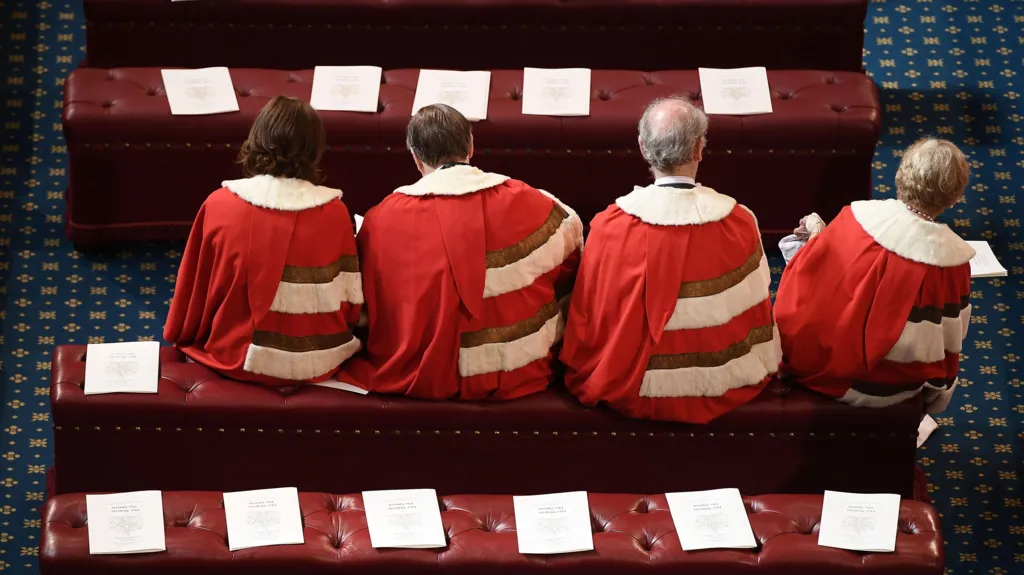
In a moment of profound constitutional finality, the doors of the House of Lords have officially closed on a 700-year-old tradition. Yesterday afternoon, as Parliament was formally prorogued ahead of the next session, the remaining 92 hereditary peers sat on the red benches for the final time. The enactment of the House of Lords (Hereditary Peers) Act 2026 marks the total abolition of the hereditary principle in British law-making, completing a reform process that began more than a quarter of a century ago.

The atmosphere in the Upper Chamber was one of somber reflection as Black Rod, Sarah Clarke, summoned MPs from the Commons for the traditional prorogation ceremony. For the dukes, earls, and viscounts whose ancestors have shaped British history since the Middle Ages, it was a “last hurrah” that signals the end of an aristocratic right to govern by birth.
The removal of the remaining hereditary element—a “temporary” compromise left over from the 1999 reforms—has been a cornerstone of the Labour government’s constitutional agenda.
The Legislative Hammer: The Act, which received Royal Assent on March 18, 2026, officially came into full force at the stroke of prorogation yesterday.
The “92” Disperse: While over 600 hereditaries were removed in 1999, 92 were famously “excepted.” As of today, that number is effectively zero.
Merit over Lineage: Minister for the Cabinet Office, Nick Thomas-Symonds, hailed the move as a victory for modern democracy: “Our Parliament should be a place where talent is recognized and merit counts—never a gallery for old boys’ networks.”
Despite the abolition, the Chamber will not lose all its familiar faces. In a strategic compromise reached in early March, the government offered a “soft landing” to several active peers.
The Transition 15: To ensure the Lords continues to function effectively, approximately 15 hereditary Conservative and Crossbench peers have been offered life peerages, allowing them to retain their seats based on their individual contributions rather than their titles.
The Ceremonial Exception: The Earl Marshal and Lord Great Chamberlain—the two highest-ranking hereditary offices—will lose their right to vote on legislation but will maintain their ceremonial roles during state occasions, such as the State Opening of Parliament.
The Retirement Rule: The Act also introduced new provisions for peers to resign if they lose capacity, a further “tidying up” of the Upper House’s archaic rules.
The debate surrounding the bill remained fierce until the final hour. Conservative critics, led by Lord Strathclyde, condemned the move as “political vandalism” and a “vendetta” against the aristocracy.
“These individuals have given distinguished service to this country for decades,” noted Lord Forsyth of Drumlean, the Lords Speaker, during a moving tribute. “To remove them solely on the basis of their name is to lose a wealth of historical memory and independent expertise.”
However, Baroness Smith of Basildon, Leader of the House of Lords, remained firm: “It has never been about the individuals. It is about the underlying principle that in a 21st-century democracy, no one should sit in Parliament by virtue of an inherited title.”

As the hereditary peers clear their lockers, the focus now shifts to the King’s Speech on May 13. The next session of Parliament is expected to bring even more radical reforms, including a mandatory retirement age for life peers and a potential shift toward a partially elected chamber.
While the King is currently in the U.S. celebrating the “special relationship” and the 250th anniversary of a republic that famously rejected the Crown, his own Parliament has quietly executed a revolution of its own. The “Red Benches” are now, for the first time since the 14th century, entirely cleared of those who sit there by right of blood.
Related News:
 Last‑ditch Call to Save Police Front Counters in London
 Met Police Resume Arrests for Palestine Action Supporters
 Holyrood Campaign ‘In Meltdown’ as Fifth Reform UK Candidate Quits
 US Lawmaker Demands Testimony Over Sarah Ferguson’s ‘Close Epstein Ties’
 The Last of the Lords: Two Hereditary Peers to Retain Ceremonial Roles Amid Historic Ousting
 Global Crisis: Marco Rubio Convenes Emergency G7 Meeting as Iran Conflict Escalates
 ‘My Daughter is Under the Rubble’: The Human Cost of the Tehran Strikes
 ‘An Evil Man is Dead’: Australian Fugitive Dezi Freeman Shot Dead After 216 Days
 ‘Eye in the Sky’ Blinded: Photos Reveal Destroyed US Radar Jet at Saudi Base
 ‘Full and Immediate Access’: Netanyahu Reverses Palm Sunday Ban on Latin Patriarch
 Power Grab: Myanmar Junta Chief Min Aung Hlaing Nominated as President
 ‘I Dread the Phone Ringing’: Inside the Kennels on the Frontline of Britain’s XL Bully Crisis
 ‘Seismic Change’: How Nationalist Wins in Celtic Nations Could Reshape the UK
 Border Blockade: Londoner Stranded Abroad by ‘Seismic’ New Dual-National Rule
 MoD Has Lost Track of Veteran Recall List, Says Adviser
 ‘Crystal Clear Answers’: O’Neill Demands Truth Over Claims Former Police Ombudsman Failed Vetting
 The “Squandered” Landslide: Starmer Defends Record as Badenoch Slashes at Labour’s “Process”
 Tasers Introduced in UK Prisons to Combat Rising Violence and Protect Staff
 Angela Rayner Faces Scrutiny as Stamp Duty Row Deepens
 Tanni Grey-Thompson Faces Abuse Over Opposition to Assisted Dying Bill
 Mahmood Pledges Reform of Modern Slavery Laws After Court Blocks Deportation Appeal
 Migrants in UK May Need to Contribute or Face Removal, Home Secretary Signals
 Jailed Georgian Opposition Leaders Warn UK of Iranian Links to Ruling Party
 Digital ID Plans Ignite Debate Over £600m Treasury Tax Boost and Privacy Concerns
 Johnson Approved China’s London ‘Super-Embassy’ in 2018
 French Taxi Driver Cleared in David Lammy Theft Case After Fare Dispute
 Major Rent Reform Ends No-Fault Evictions in England
 Peers Flood Assisted Dying Bill with 942 Amendments
 UK Asylum Overhaul Sparks Debate Over Human Rights and Deportations
 Peers Get Extra Time to Debate Assisted Dying Bill
 Plans to Limit Jury Trials Face Retreat After Mounting Opposition
 Starmer tariffs stance rejects US trade retaliation
 Motorists Could Face ‘Mandatory’ Driving Ban for Road Offences Under Tougher Laws
 Disability and LGBT Hate Crimes Set to Become Aggravated Offences
 Civil Service Pay: Union Urges Ministers to End ‘Barking Mad’ Limits
 How Much Could Andrew’s Arrest Hurt the Royal Family?
 Schools in England to Get Budget for Children with Special Needs as Part of SEND Overhaul
 Sadistic Pair Jailed for Blowing Up Sheep
 Grave of Murdered Toddler James Bulger Vandalised
 Labour MP’s Partner Arrested on Suspicion of Spying for China
 Police Scotland Pays £8m Compensation to Staff
 Proposed Law Leaves Gap for Children of Convicted Paedophiles
 Gran Vows to Shield Huntley’s Daughter From Soham Killer’s Funeral
 Labour Faces Backlash Over Conscription Warning
 SNP Health Secretary Criticised Over NHS Failures Locally
 Rapist Caught After Victim Calls Police Mid-Attack

 Mandelson’s Phone Messages Requested in Files Release
 Families Tortured by Authorities During Investigations Inquiry Told
 Watchdog Probes Police Handling of Andrew Tate Abuse Claims
 ‘Teenage Me Could Not Have Imagined This’ Says First Female Archbishop
 Dawn Raids in Scotland and Spain: Eight Arrested in Major Organised Crime Sting
 Trust in Turmoil: Just Eat and Autotrader Among Firms Probed Over Fake Reviews
 Woman Deported from China Over Manx Passport Mix-Up
 ‘I Was Naive,’ Says Minister Who Quit Over Labour Together Claims
 How the King Became the Jewish Community’s Greatest Ally
 ‘Ghost Offences’: Data Reveals No Children Charged with New ‘Adult Crime’ Laws in 11 Years
 The $100 Billion Peace: Trump’s ‘Grand Bargain’ Ends Iran Conflict at a Staggering Cost
 Heartbreak in Bournemouth: The Tragic Death of James Blanch
 The Changing Face of Georgia: Trump-Backed Clay Fuller Wins Election
 Rebranded or Reclaimed? Seized Tate Assets to Fund Domestic Abuse Support
 Paws on the Wheel: Driver Facing Fine After Dog Photographed on Lap
 The Miracle of Phoenix: ‘Half Dead’ Rescue Dog Defies the Odds in Worcestershire
 Faith and Friction: Church Officer Branded a ‘Satanist’ After Flagging Safeguarding Risks
 Toxic Trail: Dog Owners Warned Over ‘Vile’ Poisoned Meat Found in Parks
 Digital Shield: Met Police Trial AI to Fast-Track Child Abuse Investigations
 Rights and Respect: Nurse Wins Legal Settlement Over Transgender Pronoun Dispute
 The Masked Frontier: Allegations of Greek Police Using Proxies for ‘Seismic’ Border Pushbacks
 ‘Pressured and Bypassed’: Sacked Sir Olly Robbins to Reveal ‘Toxic’ Atmosphere Behind Mandelson Appointment
 ‘A Sacred Space Shattered’: Two Found Guilty in London Church Drive-By Murder Trial
 “Jobs Will Go”: Rishi Sunak Warns AI is Already Eroding Entry-Level Opportunities
 Border Breakthrough: UK and France Finalize New £662m Small Boats Deal
 NHS Safety Fears as Nurses Cover Doctor Gaps
 Crackdown Backfires on UK Climate Protesters
 A Nation in Flux: UK Healthy Life Expectancy Plummets to Record Lows
 “Significant” Fire at Pink Punters: 51-Year-Old Man Arrested Following LGBT+ Club Blaze
 Breaking the “Glass Turnstile”: Bradford City Leads Charge for Greater Gender Diversity
 US Court Weighs Fate of TPS for Migrants
 The “Charles Charm” Offensive: Did the Royals Find Their Mojo in D.C.?
 The “Invisible” Tape: Leaked Video Contradicts Police Denial in Brutal Arrest Case