Published: 30 April 2026. The English Chronicle Desk. The English Chronicle Online
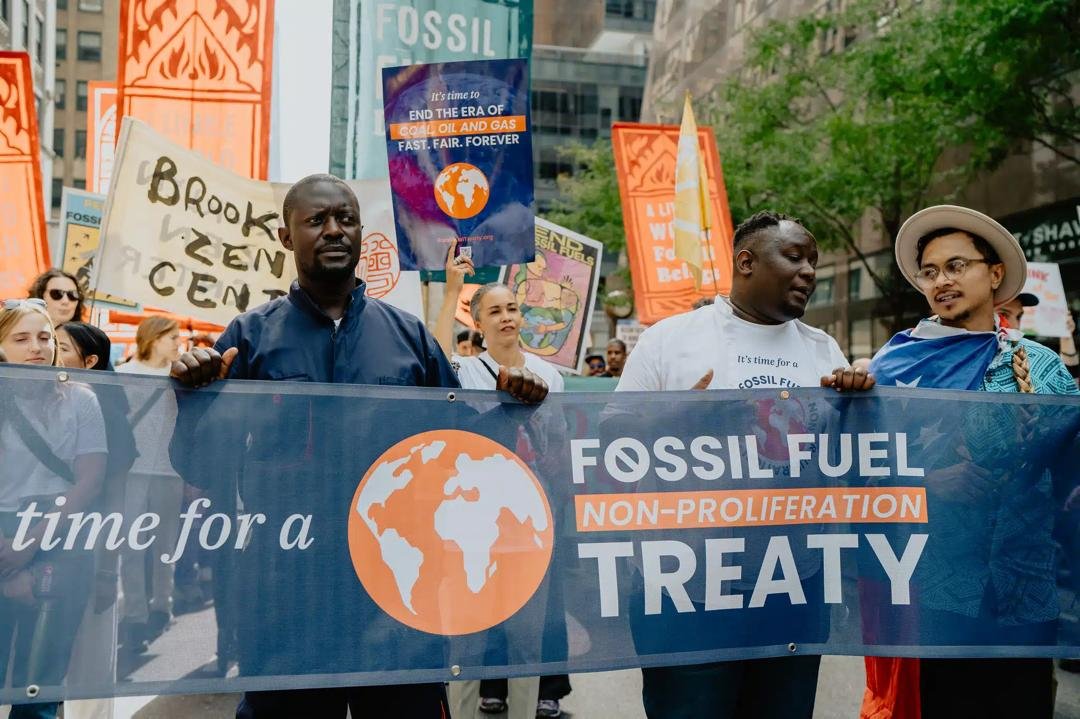
The landscape of global environmental diplomacy shifted significantly this week as Santa Marta, Colombia, became the backdrop for a pivotal moment in the fight against climate change. Nearly sixty nations gathered not merely to discuss carbon emissions in the abstract, but to confront the primary driver of global warming: the extraction and consumption of fossil fuels. This inaugural conference, co-hosted by Colombia and the Netherlands, concluded with an optimistic vision for the future, centered on the creation of voluntary national roadmaps designed to systematically wean the global economy off coal, oil, and gas. Unlike previous summits that have often ended in diplomatic stalemate, the Santa Marta talks focused on concrete political and collective endeavors, aiming to turn long-standing slogans into actionable domestic policy that directly addresses the root causes of the climate crisis.

The atmosphere in Colombia was one of both urgency and palpable frustration with the traditional United Nations climate negotiations. For over three decades, annual UN summits have struggled to achieve a direct mandate for a fossil fuel phaseout, largely due to consensus-based rules that allow major petrostates to block aggressive language regarding oil and gas production. In contrast, the Santa Marta meeting was a “coalition of the willing,” excluding most of the world’s largest emitters like China, the United States, Russia, and Saudi Arabia, in favor of a smaller, more committed group. This selective participation allowed for a deeper level of honesty regarding the economic dependence many nations have on fossil fuel exports and the complex trade and debt challenges that accompany a transition to renewable energy. By stepping outside the rigid UN framework, these nations sought to create a new standard of accountability that prioritizes planetary health over short-term industrial interests.
Irene Vélez Torres, the Colombian environment minister and chair of the discussions, emphasized that the decision to move away from a life-destructive economy is a moral imperative. She noted that future generations would judge the current leadership not by the conference itself, but by whether they rose to the challenge of their time. The proposed roadmaps are intended to close a significant loophole in current climate plans, known as Nationally Determined Contributions under the Paris Agreement. While those plans typically focus on domestic emissions, they often ignore the climate impact of a country’s fossil fuel exports. The new Santa Marta framework seeks to address this by requiring producer nations to detail how they will wind down their actual output, ensuring that the carbon footprint of exported energy is finally accounted for in national strategies.
The conference saw early leadership from developed and developing nations alike, signaling a rare cross-continental alignment on energy policy. France distinguished itself by becoming the first developed country to release a national roadmap specifically targeting the phaseout of fossil fuels, while Colombia published its own draft during the proceedings to serve as a template for other producer nations. Stientje van Veldhoven, the Netherlands’ minister for climate and green growth, acknowledged that the transition cannot be a one-size-fits-all model. She highlighted that countries start from vastly different economic positions and face unique challenges, necessitating different speeds of transition. This flexibility is seen as essential for maintaining the coalition’s momentum and encouraging other nations to join the initiative in the coming months without the fear of immediate economic collapse.
Indigenous leaders, scientists, and activists also played a crucial role in the discussions, ensuring that the social and economic impacts of the transition remained at the forefront. The dialogue extended beyond mere energy production to include the necessity of comprehensive financial reform. Participants agreed on the need to support poorer and more vulnerable nations by providing the technical expertise required for roadmap development and addressing the crippling debt that often prevents developing countries from investing in green infrastructure. The focus on climate justice was palpable, with calls for systemic changes to current energy models to ensure energy sovereignty for all through decentralized renewable energy. This approach aims to dismantle corporate dominance in the energy sector, replacing it with community-led initiatives that provide reliable power without the ecological cost.

Looking ahead, the momentum generated in Colombia is set to carry over to a second conference scheduled for early next year on the Pacific island of Tuvalu. As a nation uniquely vulnerable to rising sea levels, Tuvalu’s involvement underscores the life-and-death stakes of these negotiations. The transition from the mountains of Colombia to the atolls of the Pacific highlights the global reach of the fossil fuel problem. While the roadmaps remain voluntary, there is a growing expectation that governments will arrive at the next summit with concrete plans in hand, rather than vague promises. By building this coalition of ambitious nations, organizers hope to break the consensus deadlock that has historically paralyzed global action, eventually influencing the broader UN system and setting the stage for more aggressive commitments at the Cop31 conference in November. The Santa Marta breakthrough represents more than just a meeting; it is a declaration that a world beyond fossil fuels is not only necessary but achievable through collective political will.
Related News:
 Petrol Prices Soar as Retailers Accused of Gouging Amid Global Tension
 UK Wage Growth Slows as Jobs Market Holds Firm
 Trump Faces Crisis as Iran Reopens Hormuz Tensions
 Iran Reimposes Strait of Hormuz Restrictions Amid Tension
 Chornobyl Still at Risk 40 Years After Disaster
 Aid Crisis Grows as Hormuz War Disrupts Supply
 Capitalism ‘Suicidal’, Warns Petro at Climate Summit
 Trump likens US Navy actions to ‘pirates’
 Ohio’s Battle for Trust: Democrats Vying to Flip the Buckeye State
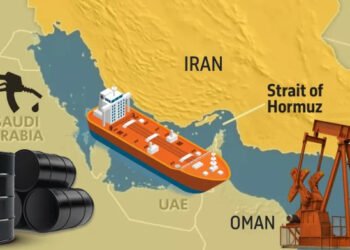 Middle East Crisis Escalates as Oil Routes Shake Markets
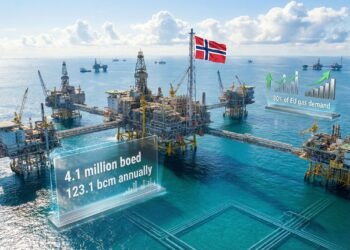 Norway Doubles Down on Oil and Gas for Europe Energy Security
 Doomsday Clock Nears Midnight Amid Global Crises
 UK Pushes for New EU Goods Trade Deal
 Reeves Fights to Keep Treasury Role Amid Labour Turmoil
 Pope Meets Families in Italy Toxic Waste Zone
 UK rejects EV charging VAT cut amid Treasury clash
 Essex valley emerges as rising English wine hub
 Discontent grows around Putin amid war strain
 Trump Claims Iran Peace Deal Near Completion
 UN Issues Urgent Warning: Imminent Return of El Niño
 Germany Summons Chinese Envoy Over Russian Troop Training
 Labour MPs Urge Burnham to Revive UK Aid Target
 Venezuela Quake Death Toll Surpasses 4,000
 Olympus Awaits Unesco Heritage Recognition
 Wildfires Force Mass Evacuations in France And Spain
 Powerful 7.7-Magnitude Earthquake Hits Eastern Indonesia
 Wildfires rage across Europe as hundreds arrested in France
 BBC to Apologise Over Edited Trump Speech Amid Backlash
 Britain deploys RAF specialists to assist Belgium with drone threats
 Greene Pushes Epstein Files Amid Trump Fallout
 December Run-Off in Chile as Election Produces No Winner
 Zelenskyy Signs Fighter Jet Deal Amid Russian Drone Attacks
 Shadow Fleet at Sea: Europe’s Battle Against Illicit Oil Shipping
 Tiny Curacao Makes History as Smallest Nation to Reach World Cup
 US Suspends Afghan Immigration After White House Shooting
 Georgians Defy Government Crackdown After Year of Protests
 ‘Extinct’ Antelope Returns to Sahara, Bringing Hope
 Irish Beach Tragedy: Irish Drown at Whitehaven Beach in Australia
 Sanctioned oil tankers sail Channel amid Russia scrutiny
 Pentagon Signals Reduced Role in Deterring North Korea
 UK and US Drop in Global Corruption Index Rankings
 SA Police Intensify Search in Gus Lamont Case
 Canberra Poster Seizure Sparks Free Speech Row
 Evo Morales Returns After Mysterious Absence
 Jacinda Ardern Moves To Australia Following Her US Fellowships
 Jacinda Ardern Move Sparks Kiwi Reflection
 Middle East Airspace Crisis Strands Thousands
 Nick Greiner Warns Over Election Review Fallout
 Kelly Wilkinson Inquest Reveals Bail Failure
 Tehran Strikes Mark War’s Most Devastating Night
 Injured Mojtaba Khamenei Elevated as Iran Leader
 Gordon Brown urges court for crimes against children
 The Kill Line: A Shifting Vision of the American Dream
 Pakistan Targets Militant Hideouts in Afghanistan
 ICE detention warning sparks fear among immigrants
 Air Canada CEO Faces Outcry Over Recent Language Misstep
 Extreme Weather: Europe Shivers as Cyclone Narelle Hits
 Asia Turns Back to Coal Amid Middle East Energy Crisis
 Relationship with Trump may be beyond repair, Starmer warned
 Unions Raise Concerns Over Doctors’ Pay Dispute
 Trump’s Six-Week Iranian War: The High Cost of Ignorance
 Artemis II Returns After Historic Moon Flyby
 Orbán Ousted: Péter Magyar’s Tisza Party Wins in Hungary
 Trump Brokers Landmark Lebanon Ceasefire Amid Regional Hopes
 Ben Roberts-Smith Denies War Crime Allegations in First Statement
 UK Stands Firm on Falklands Amid US Rift
 Albanese Rejects Gas Export Tax Push
 Trump approval plunges amid Iran war fears
 US ‘Narco Boat’ Strikes Draw Global Outcry
 FIFA Confirms Global Ban for Benfica Star Prestianni
 Putin Signals War End as Russian Momentum Stalls
 Scepticism and tight security as Beijing braces for Trump
 Philippine Senator Flees After Days Under Senate Siege
 Tensions Flare as Israeli Nationalists March in Jerusalem
 High Street Crisis: Fears Grow Over Post Office Closures
 Oil Markets Face ‘Red Zone’ Threat Amid Iran Crisis
 Aukus Deal Facing Fierce Backing and Historic Criticism
 Sydney Records Hottest June Since 1859 as Expert Warns New High a ‘Signature’ of Global Warming
 UK Schools Struggle as Classrooms Top 40C
 Houthis Strike Saudi Arabia as Middle East Tensions Rise