
Published: 15 August 2025 — The English Chronicle Desk
As Liverpool prepare for the opening match of their Premier League campaign, the memory of Diogo Jota casts a profound shadow over Anfield. Beyond the floral tributes, banners, and songs, it is the empty seat in the dressing room, once occupied by the late forward, that stands as the most poignant reminder of a teammate tragically lost. Players, staff, and new recruits alike instinctively respect this space, ensuring that Jota’s memory remains physically and emotionally present in every preparation and ritual.
Since the morning of 3 July, when Jota and his brother André Silva were killed in a car accident, the trajectory of Liverpool’s season—and the lives of all who knew him—was irreversibly altered. The reigning champions now play not only for sporting glory but also to honour a friend whose absence is profoundly felt. Every glance toward Jota’s unoccupied seat is a quiet acknowledgment of the dual responsibility faced by the squad: to carry private grief while fulfilling public duties on the pitch.

The club’s tributes have been extensive and deeply personal. Floral displays outside the Axa Training Centre, banners emblazoned with his name, and a Kop mosaic set to be unveiled during the traditional singing of You’ll Never Walk Alone all commemorate the forward. In a show of solidarity, Chelsea FC will donate their Club World Cup player bonuses to the families of Jota and Silva. Matchday rituals, including chanting Jota’s name on the 20-minute mark, will ensure his presence is felt in stadiums for years to come. A sculpture commissioned for Jota and his brother and the “Forever 20” emblem stitched onto team attire further anchor his legacy within the club’s identity.
Liverpool’s squad has navigated these past weeks with remarkable stoicism. Leadership, from the managerial staff to senior players like Virgil van Dijk and Andy Robertson, has sought to balance emotional support for one another with professional obligations. Some senior players have assumed informal mentoring roles, guiding younger teammates through grief while maintaining focus on the challenges of elite competition. Arne Slot, Liverpool’s manager, acknowledged the importance of allowing players to express emotion authentically, telling the squad, “We will always carry him with us in our hearts, in our thoughts, wherever we go.”
The impact of Jota’s passing extends beyond personal grief. It shapes the season’s narrative, influencing every game and every decision on and off the pitch. From pre-season tours in Asia to domestic friendlies and the Community Shield at Wembley, the players have encountered repeated moments of reflection, each underscoring the weight of loss. Even as media attention quickly shifts to transfers and match results, the Liverpool squad continues to bear the emotional weight of the summer, balancing the drive for success with the ongoing process of mourning.

Liverpool’s leadership has also emphasised the primacy of support for Jota’s family. Van Dijk has highlighted the need for fans and teammates to centre the conversation on the family’s grief and healing. The club’s measures, from personal guidance during visits to tributes in matches, aim to provide a consistent and meaningful connection to Jota’s memory, ensuring that the sentiment “never forgotten” is more than symbolic.
The No. 20 jersey, once synonymous with record-equalling triumphs and victories, now carries a deeper significance. While Liverpool look forward to new milestones and sporting challenges, the empty seat and permanent commemorations serve as a reminder of a season unlike any other—one marked by the intertwining of triumph, tragedy, and the enduring power of remembrance.
Liverpool’s campaign will proceed with the memory of Diogo Jota at its heart, a source of inspiration and a solemn weight, as the club honours the life of a player whose presence will forever be felt in the fabric of Anfield.
Related News:
 Predicted Leicester Line-ups Reflect Cifuentes’ Tactical Plans Ahead of New Season
 Lionesses Return in Glory with an Open-Top Parade, Spark National Pride and Rewrite the Future of Women’s Football
 Central London Gears Up for Lionesses’ Victory Parade as Thousands Prepare to Celebrate Historic Women’s Euros Win
 London Set to Honour Euro 2025 Champions as Lionesses Take Victory Parade Through the Capital
 Rangers Boss Russell Martin Launches Blistering Critique After Disappointing Draw with Motherwell
 Ngumoha Shines Bright as Liverpool’s Future Looks Fiercely Promising
 Minute’s Silence for Diogo Jota Abruptly Ended After Wembley Tribute Disrupted
 Premier League Supercomputer Predicts Tough Season for Man Utd Amid Three-Team Title Battle
 Aston Villa Under Pressure as Newcastle Take on Hosts in Premier League Opener
 Isaac Price Shines as West Brom Clinch 3-2 Victory at Wrexham’s Championship Return
 Tottenham Make Three Changes as Spurs Prepare to Host Burnley in Premier League Opener
 Manchester City Announce Their Return in Style with Haaland Double and Debut Goals at Wolves
 FIFA Eyes Biennial Club World Cup from 2029, Plans Possible Expansion
 European Football: Atlético Madrid Stumble at Espanyol as Vitinha Secures PSG Win
 Leeds Mark Premier League Return with Gritty Win Over Everton
 Arsenal Move to Secure Eberechi Eze, Outpacing Tottenham
 Rodgers Acknowledges Celtic Must Strengthen Squad After Frustrating Kairat Draw
 Mateta’s Strike Gives Crystal Palace First-Leg Edge in Conference Playoff
 British Paralympians Accused of Disrespect After Turning Backs During Israeli Anthem
 Ruby Tui Emerges as the BBC Rugby Pundit Fans Never Knew They Needed
Ruby Tui Emerges as the BBC Rugby Pundit Fans Never Knew They Needed
Ruby Tui Emerges as the BBC Rugby Pundit Fans Never Knew They Needed
 Grimsby Stun Manchester United in Dramatic Penalty Shootout
 Club Brugge Crush Ten-Man Rangers to Deepen Russell Martin’s Crisis
 Guardiola Admits City ‘Forgot to Play’ After Shock Defeat to Brighton
 Morgan MacRae: From 17 Minutes Dead to Returning to Rugby in Six Weeks
 Serbia Humiliated 0-5 by England in World Cup Qualifier
 Fábio Carvalho’s Last-Minute Heroics Deny Chelsea Victory at Brentford
 Tottenham Cruise to 3-0 Victory Over 10-Man West Ham in London Derby
 Terence Crawford Shocks Canelo Álvarez to Claim Undisputed Super-Middleweight Crown
 Mbappé Leads Real Madrid to Dramatic Champions League Victory Amid Red Card Controversy
 Guardiola Faces Criticism for Defensive Approach in Manchester City’s Clash with Arsenal
 England Must Stay True to Their Style Ahead of Women’s Rugby World Cup Final: Lessons from 1991
Liverpool Vs outhampton Set for Carabao Cup Clash at Anfield
England Must Stay True to Their Style Ahead of Women’s Rugby World Cup Final: Lessons from 1991
Liverpool Vs outhampton Set for Carabao Cup Clash at Anfield
 Chelsea Survive Lincoln City Scare to Advance in Carabao Cup
 Dickie Bird: Cricket’s Beloved Umpire Who Won Hearts with Wit and Integrity
 Aston Villa Edge Bologna as Europa League Campaign Kicks Off
 Tottenham Salvage Point with Stoppage-Time Palhinha Strike Against Wolves
 Arsenal VS Newcastle Hearts with Dramatic Late Turnaround at St James’ Park
 Aston Villa Fight Back to End Winless Run with Convincing Victory over Fulham
 Tragic Death Strikes Half-Marathon in Stoke-on-Trent: Runner Dies Shortly After Crossing Finish Line
 Postecoglou Stands Firm Amid Mounting Forest Fan Frustration
 Tuchel Criticises ‘Silent Wembley’ After England Win
 Kane’s Double Seals England’s World Cup Qualification
 Ronaldo’s Record Not Enough as Hungary Hold Portugal
 Fulham vs Arsenal Trossard Strike Sends Gunners Three Points Clear
 Ange Postecoglou’s Naivety Premier League Misadventure Ends
 Arsenal vs Atlético Madrid,Gyökeres Double Secures 4-0 Champions League Victory
 Barnes Inspires Newcastle to Champions League Triumph Over Benfica
 Gibbs-White Inspires Forest to Thrilling Win Over Porto
 Go Ahead Eagles Shock Aston Villa as Buendía Misses Late Penalty
 Aaronson and Rodon Punish West Ham as Leeds Claim Victory
 Manchester United triumph as Mbeumo brace seals thrilling win
 Fabio Wardley stuns Joseph Parker to earn Usyk title shot
 Brentford Dominate Grimsby in Carabao Cup, Collins Seals 5-0 Triumph
 Sarr Double Sinks Young Liverpool in Carabao Cup
 Nwaneri and Saka Secure Arsenal Win Over Brighton
 Woltemade Hot Streak Fires Newcastle Past Spurs
 Salah & Gravenberch Lead Liverpool to Win Against Villa
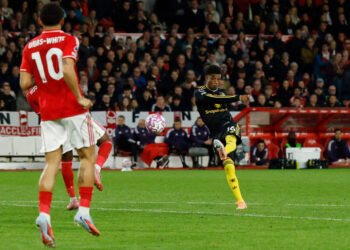 Dyche Criticises Corner Decision as Forest Draw with United
Caicedo Shines as Chelsea Edge Spurs in Chaotic Derby
Dyche Criticises Corner Decision as Forest Draw with United
Caicedo Shines as Chelsea Edge Spurs in Chaotic Derby
 Granit Xhaka Rescue Earns Everton Draw at Sunderland
 Burn and Joelinton Head Newcastle to Victory Over Bilbao
 Foden shines as Man City dismantle Dortmund in dominant display
 Garnacho Spares Chelsea From Shock Champions League Loss in Baku
 Tension and Turmoil at Aston Villa v Maccabi Match
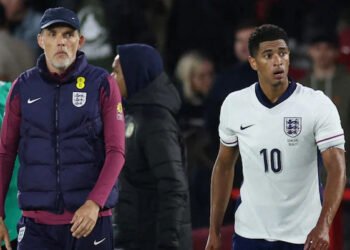 Bellingham has ‘the edge’ among England No 10s
Man City Masterclass on Guardiola’s Milestone Day Exposes Liverpool Woes
Bellingham has ‘the edge’ among England No 10s
Man City Masterclass on Guardiola’s Milestone Day Exposes Liverpool Woes
 Lando Norris Dominates Brazil GP to Strengthen F1 Title Bid
 England cannot afford to be in awe of the All Blacks, warns Jamie George
 VAR Must Rein Its Neck In to Save Football’s Spirit
 Trescothick Hints Pope Will Keep Number Three Spot
 Ronaldo Confirms Final World Cup and Plans Retirement
 Mary Earps’s Manchester United Return Faces Mixed Reception
 Sam Kerr Stars in Chelsea Return with Champions League Double
 This kid is something else: Alex Scott’s rise to England call-up
 Former Lion Heskey Warns of Shortage of England Strikers
 Moyes Defends Gueye After Dramatic Everton Bust-Up
 Jac Morgan to Miss Six Nations Start After Surgery
 Alexander Isak ends drought as Liverpool stop rot with win at West Ham
 Mbappe rescues Real Madrid with a penalty at Girona