
Published: 14 May 2026. The English Chronicle Desk. The English Chronicle Online.
The political landscape in Washington reached a fever pitch this Wednesday afternoon. Democratic senators launched their seventh formal attempt to halt American military involvement in Iran. This latest legislative push highlighted a deepening divide within the halls of the Senate. President Donald Trump continues to maintain a hardline strategy regarding the ongoing Middle East conflict. The war powers resolution was championed by Senator Jeff Merkley of Oregon this week. It ultimately failed to pass following a tense forty-nine to fifty floor vote. Every Senate Democrat except for John Fetterman of Pennsylvania supported the measure on Wednesday. This specific outcome underscores the immense difficulty of checking executive power during active hostilities. The conflict first ignited in February and has since dominated the global news cycle. Democrats have consistently introduced similar resolutions to curb military spending and troop deployments abroad. These efforts have frequently met stiff resistance from the unified Republican voting bloc until now. Wednesday marked a significant shift in the internal dynamics of the Republican party membership. Senator Lisa Murkowski of Alaska joined the ranks of those opposing the current strategy. She cast her vote alongside fellow Republicans Rand Paul and Susan Collins of Maine. This trio represents a small but vocal group of conservatives demanding more transparency today. Their alliance signals a potential crack in the previously solid wall of GOP support. All other Republican senators present for the vote chose to side with the administration. The political fallout from this narrow defeat is expected to resonate across the country.
Senator Murkowski released a poignant statement immediately following the conclusion of the Senate session. She challenged the administration’s narrative regarding the current state of the regional ceasefire agreement. The Alaska senator noted that American forces still face consistent attacks in the region. She also highlighted the ongoing naval blockade currently being enforced against various Iranian ports. Murkowski pointed out that sixty days have elapsed since the initial outbreak of violence. The 1973 War Powers Act requires formal congressional authorization after this specific time period. Congress has yet to provide a legal mandate for continued American military operations abroad. Murkowski argued that the administration cannot justify keeping service members in such harm’s way. Her statement emphasized the constitutional requirement for legislative approval before waging an indefinite war. She has occasionally broken ranks with President Trump during his busy second term in office. The senator also announced she would abandon her previous effort to introduce an AUMF. This would have mirrored the authorizations passed after the 9/11 attacks many years ago. She indicated that any resumption of hostilities would force her to reconsider this stance. Until that happens she will support measures to officially end all active American hostilities. Her primary goal remains bringing the men and women of the military home safely. She vowed to oppose any effort to redefine the legal definition of active hostilities. This stance is intended to prevent the president from bypassing necessary congressional oversight roles.
The Democratic minority leader Chuck Schumer was quick to criticize his Republican colleagues’ actions. He accused the opposing party of enabling a conflict without proper legal or moral standing. Schumer noted that several Republicans previously demanded a vote after the sixty-day legal mark. That deadline has now passed without any meaningful action from the Senate leadership team. He claimed that Republicans were given a clear chance to hold the president accountable. Schumer argued that many senators chose to prioritize party loyalty over their constitutional duties. He stated that the GOP continues to bow to the will of President Trump. The administration maintains that the ceasefire has effectively reset the legal clock for authorization. Officials argue that the sixty-day deadline no longer applies under the current diplomatic circumstances. This legal interpretation remains a point of intense debate among various constitutional law experts. Critics argue that this sets a dangerous precedent for future executive military actions abroad. The humanitarian cost of the conflict also continues to weigh heavily on public opinion. International observers have reported significant civilian displacement and infrastructure damage across the affected region. Recent polling suggests that a growing majority of British and American citizens favor de-escalation. Economic markets have also shown volatility due to the uncertainty surrounding global energy supplies. The English Chronicle will continue to monitor this developing story as it unfolds today. This legislative stalemate ensures that the debate over Iran will remain a central issue. Both parties are now preparing for a long summer of intense political maneuvering ahead. The world watches closely as the United States navigates this complex and dangerous path.
Related News:
 Reeves Faces Setback as Labour May Miss Homes Target
 Kate Winslet to Narrate Film Highlighting King’s Environmental Mission
 Trump’s UK Ambassador Urges North Sea Drilling to Strengthen US Ties
 UK Bans Fake Numbers: Scammers Lose Their Trick
 Vibe coding’ named Collins dictionary’s word of the year
BBC to Apologise Over Edited Trump Speech Amid Backlash
Vibe coding’ named Collins dictionary’s word of the year
BBC to Apologise Over Edited Trump Speech Amid Backlash
 Millionaires group urge Reeves to introduce wealth tax to ‘lift kids out of poverty’
 Reeves rejects £1bn plea for NHS redundancy payouts
 PM Condemns Leaks, Vows Loyalty to Ministers and Stability
 Phillipson Accused of Appeasing Unions by Diluting EBacc
 Saka Solidifies Role as Tuchel’s Key England Lieutenant
 Greene Pushes Epstein Files Amid Trump Fallout
 Zelenskyy Signs Fighter Jet Deal Amid Russian Drone Attacks
 Sundar Pichai Cautions on AI Hype and Market Risks
 Shadow Fleet at Sea: Europe’s Battle Against Illicit Oil Shipping
 Snow and Ice Cause Travel Chaos in North Yorkshire
 Director Michael Caton-Jones Reflects on Career and Beginnings
 Inside the Helpline Protecting Missing Children in the UK
 PlayStation PS5 Deals Hit Lowest Prices Ahead of Black Friday
 US Suspends Afghan Immigration After White House Shooting
 Five-Year-Old Dies After Rare Tonsil Surgery Complication
 Starmer Says Labour’s Economic Plan Needs Years to Deliver
 ‘Extinct’ Antelope Returns to Sahara, Bringing Hope
 IndiGo Cancels Hundreds of Flights Amid Pilot Shortages
 Young Britons Face Heaviest Burden from Ageing Population, Lords Warn
 U‑Turn on Farmers’ Inheritance Tax Sparks Political Firestorm
 Aston Villa Remain Arsenal’s Key Obstacle in Title Pursuit
 Irish Beach Tragedy: Irish Drown at Whitehaven Beach in Australia
 Starmer Faces Parliamentary Battles Over UK-EU ‘Reset’ Plan
 Met Police Vetting Failures Let Serial Rapists Remain
 Federal Immigration Shift: Officers Leave Louisiana for Minneapolis
 Fatal Bolton Taxi Crash Claims Three Teens and Driver
 Australia grants Asio powers to designate hate groups under new laws
 Friedman Uninvited From 2024 Adelaide Writers’ Week
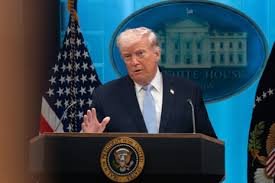 US and Iran Agree to Two-Week Provisional Ceasefire
 Battle of Britain Tower to House Tourists and Bats
 The Challenger: Will Péter Magyar End the Orbán Era?
 UK Government Poised to Revive Stalled Hillsborough Law
 Democrats Move to Impeach Defense Secretary Pete Hegseth
 Security Alert Near Israeli Embassy as Police Investigate
 Ben Roberts-Smith Denies War Crime Allegations in First Statement
 Home Office Faces Legal Risks Over Asylum Hotel Living
 US-Iran Standoff: Will Trump Deploy Ground Troops?
 Crisis in NHS Surgery Scheduling Hits Patients Hard
 Investigation Into Anti-Trump Motives After Gala Shooting
 Dubai Assets Linked to Sudan’s RSF Militia Exposed
 Blue Badge Abuse: The Rising Tide of Public Hostility
 Tragedy Strikes at Parafield Airport
 Scott Parker Leaves Burnley After Premier League Drop
 Silent Tracks: Rail Line Without Passengers
 Arteta urges Arsenal to step up in Atlético semi-final
 RFU Backs Borthwick Despite England’s Poor Six Nations
 Major test for Labour as polls open in Great Britain
 High-Profile Murder Trial Begins for Ian Watkins Death
 Trump Rejects Tehran Peace Plan as Regional Truce Crumbles
 Wes Streeting faces narrow road to Labour members’ favour
 Keir Starmer Struggles to Secure His Grip on Downing Street
 Trump and Xi Convene in Beijing for Historic High-Stakes Summit
 Tensions Flare as Israeli Nationalists March in Jerusalem
 UK Firms Freeze Spending as Iran Conflict Bites
 UK Job Market Squeezed as Iran War Drives Jobless Rate to 5%
 Reeves to Fast-Track Clean Energy Amid Iran Crisis
 The Battle for Wembley Sparking Unprecedented Legal Warfare
 Tony Abbott Returns as New Liberal Party President
 Pope Meets Families in Italy Toxic Waste Zone
 Royal Ascot Allegation Sparks Wider Police Inquiry
 Secret Role of UK Security Services in Troubles Amnesty Law
 Tube Strike Brings Capital to a Standstill Over Shift Disputes
 Teaching Machines Right From Wrong in the Digital Age
 Is Ollie Robinson the Chaos English Cricket Needs Today?
 The Hidden Crisis Eroding Trust in British Communities
 Saving the Scalloped Hammerhead: The Pacific Battle
 Stolen Mobiles Could Soon Become Useless Bricks
 Clean Air Initiatives Spark Major Fall in London Hospital Admissions
 Fearless Pioneer of Investigative Journalism Dies Aged 83
 Trump Urged to Condemn UFC Fighter Over Obama Slurs
 The Fear Gap: Why Europe Feels Less Safe Than It Is
 US Military Pacific Boat Strike Kills Three People
 Dettol Apologises for ‘Toxic Men’ Advert Backlash in China
 UK Care Crisis: Row Explodes Over New Visa Settlement Rules