Published: 18 May 2026. The English Chronicle Desk. The English Chronicle Online.
Global financial markets faced significant turbulence today as escalating Middle East tensions triggered widespread economic anxiety. Oil prices climbed rapidly while government bonds experienced volatile trading sessions across major western nations. Investors worldwide reacted with growing concern to the fresh geopolitical risks unfolding in the Gulf. This sudden market movement reflects deep fears regarding prolonged inflation and restrictive monetary policies. Central banks may feel compelled to raise interest rates to combat these rising costs.
The international oil benchmark Brent crude experienced a notable surge during early trading hours. This price increase followed reports of a serious drone attack in the region. Specifically, a critical nuclear power plant in the United Arab Emirates was targeted. This dangerous escalation shattered recent market stability and heightened fears of wider regional warfare. Energy traders immediately priced in the potential for significant disruptions to global crude supplies.
The geopolitical situation worsened as critical diplomatic efforts between global superpowers hit a roadblock. Peace talks between Washington and Tehran stalled during their sixth consecutive week of negotiations. The fragile ceasefire agreement now appears increasingly vulnerable to total collapse on the international stage. Former United States President Donald Trump complicated matters further with a fiery social media post. He warned Iran that time was running out for a peaceful diplomatic solution. Trump stated that the clock was ticking and urged them to move fast. He added that delay could result in total destruction for the Middle East nation. This aggressive rhetoric from the prominent American politician fueled further anxiety across global boards. Brent crude initially jumped by almost two percent to reach over one hundred dollars. This specific peak represented the highest valuation for international oil in two whole weeks. However, energy prices eased slightly later in the day following a diplomatic update. Iranian officials announced they had officially responded to a fresh American peace proposal. This new framework aims to find a sustainable method to end the war.
The Iranian foreign ministry spokesperson Esmaeil Baqaei confirmed these sensitive diplomatic exchanges were ongoing. He noted that communications were currently being handled directly through a Pakistani government mediator. However, the official spokesperson declined to provide specific details regarding the counter proposal. This slight diplomatic opening offered a glimmer of hope to anxious energy market traders. Consequently, the price of Brent crude settled back down to around one hundred dollars.
Meanwhile, global sovereign bond markets experienced a highly choppy and unpredictable trading session. The benchmark ten year United States Treasury yield surged to over four percent. This sharp increase marked the highest level for American bonds since early last year. Investors quickly dumped safe haven assets as they anticipated higher interest rates for longer. The yield did pull back slightly toward the end of the afternoon session.
In the United Kingdom, government bonds suffered even greater volatility throughout the morning. The British ten year gilt yield spiked sharply to over five percent today. This dramatic move surpassed the eighteen year high recorded during the previous Friday session. The yields later retreated slightly but remained at historically elevated levels for Britain.
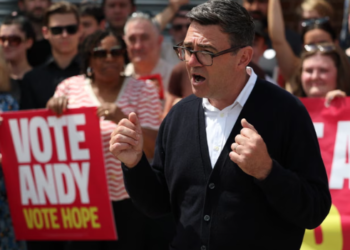
This intense volatility in British debt is being driven by domestic political instability. City traders are anxiously anticipating a potential leadership challenge within the governing Labour Party. Speculation suggests the Manchester Mayor Andy Burnham could challenge Prime Minister Keir Starmer. This internal political rivalry is expected to materialize fully later this calendar year.
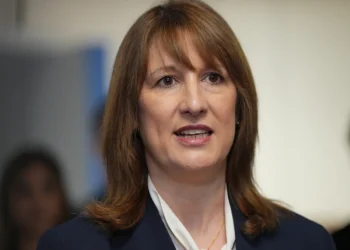
These dramatic market swings occurred as international finance ministers gathered in France today. United Kingdom Chancellor Rachel Reeves met with her Group of Seven counterparts in Paris. The high level summit focused primarily on assessing the economic impacts of war. Ministers expressed deep concern over how the Middle East conflict affects global trade.
Prominent market analysts weighed in heavily on the unique risks facing the United Kingdom. Mohit Kumar, chief economist at Jefferies, highlighted investor fears regarding British fiscal policy. He suggested that bond holders were deeply worried about a potential leftward shift. Kumar explained that the current British fiscal picture was already in very poor shape. The government had previously failed to deliver on promised public sector spending cuts.
The chief economist warned that a political shift would imply higher public expenditure. This increased spending would occur even though the government lacks sufficient fiscal room. Furthermore, Kumar stated that British tax rises have already reached a critical stage. Additional tax hikes would likely prove unproductive and fail to generate more revenue.
However, the Manchester Mayor attempted to soothe nervous financial markets over the weekend. Andy Burnham explicitly tried to calm investor concerns regarding future public sector spending. Speaking to national television, he declared his absolute support for established fiscal rules. Burnham emphasized that the government must maintain a clear plan to reduce debt.
Some market experts believe British government bonds could witness a recovery this week. Kathleen Brooks, research director at XTB, suggested that yields might attempt a retreat. She noted that markets might feel they have successfully tamed Burnham’s spending. If investors trust his fiscal discipline, borrowing costs could fall back down Monday. Brooks stated the key test involves the ten year yield dropping below five percent. Furthermore, the thirty year yield must show trust by falling from historic highs.
The fiscal anxiety was not limited to Western economies during Monday’s global session. In Asia, Japanese government bond yields rose significantly to hit fresh historical milestones. The Japanese ten year yield reached an astonishing thirty year high today. This move occurred as Tokyo prepared to issue large amounts of fresh debt. The government plans to use these funds to cushion its domestic economy. This financial intervention aims to lessen the severe blow from the overseas war.
European equity markets also opened notably lower as negative investor sentiment spread widely. The Stoxx Europe 600 index fell by nearly one percent during early trading. This major index tracks the performance of the largest companies across the continent. Meanwhile, the United Kingdom’s blue chip FTSE 100 index remained relatively flat today.
Asian stock markets mirrored this downward trend during their respective local trading hours. Japan’s benchmark Nikkei index dropped by approximately one percent by the closing bell. Hong Kong’s Hang Seng index similarly lost one percent amidst the global panic. The Shanghai Composite index in mainland China slipped by a fraction of a percent. Bucking the wider global trend, South Korea’s Kospi index closed slightly higher today. Financial markets remain highly sensitive to further updates from the volatile Middle East.
Related News:
 Reeves Faces Setback as Labour May Miss Homes Target
 Trump’s UK Ambassador Urges North Sea Drilling to Strengthen US Ties
 ABF May Split Primark from Food Division Amid Tough Market
 M&S Profits More Than Halve After Cyber-Attack
 Tony Blair think tank warns Rachel Reeves must cut taxes if manifesto broken
 Oprah enjoys Meghan’s jam on English muffins
 Millionaires group urge Reeves to introduce wealth tax to ‘lift kids out of poverty’
 UK toy market enjoys bumper year as ‘kidults’ fuel demand
 Global markets drop amid tech sell-off and China slowdown
 PM Highlights UK Business at G20 in South Africa
 Mossmorran Plant Closure Hits Cowdenbeath Hard
 UK Taskforce Unveils Plan to Streamline Nuclear Reactor Rules
 Steel billionaire Lakshmi Mittal reportedly leaves UK
 Starmer Says Labour’s Economic Plan Needs Years to Deliver
 Virgin Media Fined £23.8m Over Telecare Safety Failures
 Rising Water Bills Lift Troubled Thames Back to Profit
 Sainsbury’s CEO leads business honours in New Year list
 Starmer Faces Parliamentary Battles Over UK-EU ‘Reset’ Plan
 Phoenixism Costs UK Taxpayers Millions in Recruitment Sector
 ScottishPower Tops List of Worst UK Energy Suppliers
 City & Guilds pay surge sparks backlash amid £22m cuts
 UK Government Borrowing Drops to £11.6bn in December
 AI job losses UK: Britain faces sharper employment shock
 Most young adults in UK fear uncertain jobs and economic future
 Royal Mail delivery delays affect 16 million during Christmas
 UK Housing Market Shows Early Recovery Signs
 UK economy struggles as growth stalls at 0.1% in late 2025
 Bank of England Urged to Cut Rates to Spur Growth
 UK Unemployment Rate Climbs to 5.2% Peak
 UK shelves £110m border project amid trade strain
 UK Inflation Surprise Sparks Early Rate Cut Hopes
 Progress on gender equality at top UK firms ‘achingly slow’
 Reeves Must Back Defence Plan or Face Dismissal, Says Unite Chief
 Switching Energy Deal Can Save £200 as Price Cap Falls
 OBR Reform Row Deepens Before Spring Forecast
 UK Hotel Data Sharing Probe Shakes Global Chains
 Rachel Reeves Faces Middle East Conflict Test
 Grocery Inflation Rises Amid War Fears
 Peak Greggs fears as profits tumble sharply
 BrewDog sold Highland estate for knockdown price after abandoning reforestation plans
 Yorkshire Water Funding Sparks Debate Amid Fines and Pay Row
 New £10bn rescue plan offered for Thames Water
 UK Energy Reform Could Cut Bills by £200
 Rising Costs Force Families to Rethink Days Out
 Hospitality Sector Teeters on Brink as Costs Surge
 Iceland Boss Offers Role to Sacked Waitrose Employee
 Student Loan Interest May Rise Despite 6% Cap
 Aegon Sells Historic UK Arm to Standard Life for £2bn
 Major Housebuilder Cuts Land Buying Amid Global Unrest
 UK Staycations Rise as Travel Fears Grow
 City & Guilds Sale Sparks Fees and Pay Uproar
 Silent Tracks: Rail Line Without Passengers
 Heathrow Chair Seeks Peace to Save Third Runway
Carillion Executives Banned After Reckless Misconduct
Heathrow Chair Seeks Peace to Save Third Runway
Carillion Executives Banned After Reckless Misconduct
 Lotus Boss Pledges Future to Norfolk and Seeks State Support
 Millionaires Back Higher Taxes to Save UK Public Services
 UK Firms Freeze Spending as Iran Conflict Bites
 Summer Shock: British Energy Bills Set for Grim July Hike
 Reeves to Fast-Track Clean Energy Amid Iran Crisis
 M&S Boss Slates Food Price Caps as ‘Preposterous’
 UK Pushes for New EU Goods Trade Deal
 UK Urged to Build EU Rejoin Consensus, Says Miliband
 Tube Strike Brings Capital to a Standstill Over Shift Disputes
 BP Stands Firm on Amanda Blanc Amid Boardroom Storm
 Steel Tensions Rise Between United Kingdom and European Union
 UK House Prices Drop For Third Month Due To War Fears
 Top Chefs Back Andy Burnham to Save UK Hospitality Sector
 UK Steel Crisis: Jingye Demands Payout After Takeover
 Flutter to Cancel London Stock Exchange Share Listing
 AI Scams Push UK Investment Fraud Past £220m
 Whitehall Steps In: The Battle Over Thames Water Deepens
 Thames Water Nationalisation Pushes Closer After Rescue Objected
 John Lewis Invests £20m in Glasgow Store Upgrade
 Andy Burnham Enlists Economic Heavyweights for Leadership Bid
 Tories Clinch Shock Victory in Aberdeen South Byelection
 Rethinking the Blueprint for Youth Employment in Britain
 Sainsbury’s Boss Optimistic As Grocery Inflation Eases
 UK Households Suffer Squeeze As Disposable Incomes Drop
 Bank of England Eases Rules Despite Rising AI Risks
 BBC Faces Real Jeopardy as Licence Fee Income Declines