Published: 21 May 2026. The English Chronicle Desk. The English Chronicle Online.
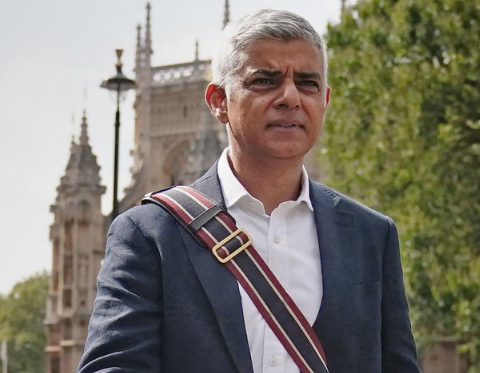
The digital landscape of British policing has encountered a monumental roadblock in the heart of the capital. London Mayor Sadiq Khan has dramatically intervened to halt a massive fifty million pound technology contract. This substantial deal was set between Scotland Yard and the controversial American technology giant known as Palantir. City Hall officials formally blocked the arrangement after uncovering what they termed a clear procedural breach. The sudden decision marks a dramatic escalation in the ongoing debate surrounding public sector procurement rules. It also highlights the growing political tension regarding the ethical implications of modern artificial intelligence.
The Metropolitan Police had been engaged in advanced negotiations to deploy advanced artificial intelligence software. These secret discussions were originally brought to light by national investigative journalists just last month. The force intended to utilise this automated software to accelerate complex criminal intelligence data analysis. This halted agreement would have represented the largest contract Palantir had ever secured in Britain. However, the Mayor’s Office for Policing and Crime ultimately decided to withhold its necessary approval. This powerful oversight body maintains strict authority over all major capital expenditure within London policing.
City Hall discovered that senior police leaders had actively engaged with only one technology supplier. This lack of open competition raised immediate red flags regarding transparency and market fairness across London. Officials argued that the Metropolitan Police ran a severe risk of becoming permanently locked in. They stated that relying entirely on one firm could jeopardise long term technological independence. Furthermore, the mayor insists the proposed deal failed to demonstrate genuine financial value for taxpayers. A mayoral spokesperson stated that public funds must only support companies reflecting local civic values.
The current intervention does not entirely prohibit the tech firm from bidding for future contracts. The oversight framework expects to collaborate with police leaders on a fresh procurement strategy soon. However, this high profile rejection arrives amidst escalating public concern regarding the firm’s British expansion. The controversial software company already secures over six hundred million pounds in lucrative state contracts. Its algorithms currently assist the National Health Service, the military, and the financial conduct authority. Several smaller regional police forces also utilize these algorithmic tools to manage local crime data.
The software company was famously co-founded by Peter Thiel, a prominent billionaire tech investor. Thiel is well known for his substantial financial support of various conservative political campaigns. Additionally, the technology firm provides analytical support to foreign militaries and international border agencies. These corporate associations have sparked intense criticism from numerous civil liberties groups across the nation. The company previously employed a prominent British lobbying firm to build deep political connections. This political networking ultimately led to senior government ministers visiting the firm’s American showrooms.
Public discomfort intensified further after the company’s chief executive officer published a highly unusual manifesto. The controversial document strongly championed Western power while suggesting some global cultures were inherently inferior. A prominent Member of Parliament openly described these written opinions as villainous and deeply concerning. Current British procurement regulations strictly dictate that corporate ethics cannot influence official contract awarding processes. Nevertheless, the London mayor intends to challenge these existing rules with senior government ministers. Khan believes public bodies should possess the legal right to scrutinise corporate behavior more thoroughly.
The specific two year contract was blocked due to fundamental flaws in procurement strategy. Scotland Yard neglected to secure formal approval before entering deep negotiations with the American corporation. This serious oversight made it impossible to verify if the wider market was tested. Deputy Mayor Kaya Comer-Schwartz expressed her deep dissatisfaction in a formal letter to commissioners. She confirmed that no acceptable explanation was provided for this serious breach of rules. The deputy mayor warned that the flawed process created significant legal and reputational risks.
Financial scrutiny also revealed that the Metropolitan Police originally undervalued the total project costs. Early estimates placed the annual expenditure between fifteen million and twenty-five million pounds globally. The final negotiated deal sat precisely at the absolute maximum limit of that range. This high pricing further automated suspicions regarding the overall efficiency of the sole supplier process. Meanwhile, investigators discovered that the police had already conducted an unadvertised trial of the software. This internal trial aimed to monitor officer behaviour and root out internal police corruption.
The cost of that initial trial sat just below the financial threshold requiring mayoral approval. Scotland Yard recently celebrated the trial results, claiming it successfully identified hundreds of rogue officers. Identified misdemeanours included abusing computerized shift rotas and falsely claiming physical attendance in the office. Other officers faced disciplinary investigations for failing to declare memberships in secret fraternal organisations. Despite these operational successes, the secretive nature of the trial sparked intense political backlash. Critics argued the internal project bypassed necessary democratic oversight and avoided public transparency.
Opposition to the technology company extends far beyond the boundaries of the Metropolitan Police force. Hundreds of thousands of citizens have signed national petitions demanding the cancellation of public contracts. Activists are particularly concerned about a three hundred million pound national healthcare data platform. Several politicians have publicly labelled the massive medical data arrangement as dreadful and deeply shameful. Even senior government officials have quietly conceded they do not support the firm’s politics. This widespread resistance has forced corporate leadership into a highly visible public relations defense campaign.
The company’s United Kingdom chief executive has aggressively defended their record in public forums. He argues that their specialized healthcare systems have directly enabled over one hundred thousand operations. Corporate data suggests the software has also caused a dramatic reduction in hospital discharge delays. Furthermore, smaller regional police departments have described the automated software as an absolute revelation. Officers claim it allows teams to process overwhelming volumes of mobile phone evidence rapidly. The system translates foreign languages and connects disparate pieces of intelligence in mere seconds.
One regional force credited the software with dismantling a highly sophisticated organised crime syndicate. The targeted gang had successfully stolen eight hundred thousand pounds from various automated teller machines. These operational victories demonstrate why the technology remains highly attractive to modern law enforcement leaders. Consequently, the mayor’s sudden intervention represents a major setback for broader national policing strategies. The current Home Secretary recently urged British forces to rapidly increase their use of artificial intelligence. The government envisions a future where algorithmic tools are deployed at a national scale.
The overarching national strategy includes establishing a dedicated centre for artificial intelligence within law enforcement. Ministers have already pledged one hundred and fifteen million pounds to develop this platform. This funding aims to identify, test, and scale advanced digital tools for every force. The sudden collapse of the London deal creates an awkward friction between local and national leaders. It raises fundamental questions about how Britain will balance rapid technological advancement with strict procurement compliance. For now, London’s police must restart their search for a legally compliant intelligence solution.
Related News:
 Reeves Faces Setback as Labour May Miss Homes Target
 Kate Winslet to Narrate Film Highlighting King’s Environmental Mission
 Trump’s UK Ambassador Urges North Sea Drilling to Strengthen US Ties
 UK Bans Fake Numbers: Scammers Lose Their Trick
 M&S Profits More Than Halve After Cyber-Attack
 Patients to Test Health at Home to Ease NHS Winter Pressure
 Millionaires group urge Reeves to introduce wealth tax to ‘lift kids out of poverty’
 Reeves rejects £1bn plea for NHS redundancy payouts
 Northern Lights may illuminate UK skies this week
 PM Condemns Leaks, Vows Loyalty to Ministers and Stability
 Major Rent Reform Ends No-Fault Evictions in England
 Stroke Patient Mistaken for Drunk, Care Delayed
 Inside the Helpline Protecting Missing Children in the UK
 Boots Showstopper Beauty Bundle Outshines Many Advent Calendars This Holiday Season
 PlayStation PS5 Deals Hit Lowest Prices Ahead of Black Friday
 Five-Year-Old Dies After Rare Tonsil Surgery Complication
 Starmer Says Labour’s Economic Plan Needs Years to Deliver
 UK unemployment rises to four-year high of 5.1% before budget
 Wiltshire Police Use Lasso to Catch Rampaging Village Goat
 Coasting Drinks: The Trend Redefining Alcohol Enjoyment This New Year
 Rising Hate Crimes Threaten Safety on UK Public Transport
 Starmer Faces Parliamentary Battles Over UK-EU ‘Reset’ Plan
 Met Police Vetting Failures Let Serial Rapists Remain
 Google Employee Claims Redundancy After Harassment Report
 Fatal Bolton Taxi Crash Claims Three Teens and Driver
 ScottishPower Tops List of Worst UK Energy Suppliers
 Judi Dench Champions Fight to Save London’s Green Spaces
 Crowborough Camp Welcomes First Asylum Seekers
 BBC Funding Crisis: Tim Davie Warns of Jeopardy Ahead
 Storm Chandra floods Somerset, triggers major incident declaration
 Artificial intelligence will cost jobs, admits Liz Kendall
 Older Women Vanish from BBC Screens, Review Confirms Bias
 Streeting moves on doctor pay to end strike dispute
 Send spending gap leaves deprived areas behind
 Hidden Crisis: Domestic Abuse Suicide Toll in UK
 UK Unemployment Rate Climbs to 5.2% Peak
 BBC World Cup Presenting Duties Shared Among Trio
 Wales Approves Assisted Dying Bill Consent
 CPS Updates Guidance on Honour-Based and Dowry Abuse
 Asylum Seekers to Work After Year-Long Wait
 Inquiry into HMRC child benefit errors launched by NAO
 Rising Costs Force Families to Rethink Days Out
 Scott Mills Sacked by BBC Over Personal Conduct Claims
 Palantir Boss Defends NHS Deal Amid Government Break Clause
 Relationship with Trump may be beyond repair, Starmer warned
 UK Government Poised to Revive Stalled Hillsborough Law
 Home Office Faces Legal Risks Over Asylum Hotel Living
 Crisis in NHS Surgery Scheduling Hits Patients Hard
 Welsh Labour Faces Potential Historic Election Defeat
 Blue Badge Abuse: The Rising Tide of Public Hostility
 UK Faces Future Where Deaths Outnumber Births Yearly
 Scott Parker Leaves Burnley After Premier League Drop
 Silent Tracks: Rail Line Without Passengers
 RFU Backs Borthwick Despite England’s Poor Six Nations
 Major test for Labour as polls open in Great Britain
 Keir Starmer Struggles to Secure His Grip on Downing Street
 Fear and Betrayal: The Chilling Case of Kouri Richins
 Farage Faces Standards Probe Over Cash Property Purchase
 Closing the Gap: UK Pensions Commission Demands Action
 Record Spending Highlights Growing Crisis In National Health Service
 Secret Role of UK Security Services in Troubles Amnesty Law
 Tube Strike Brings Capital to a Standstill Over Shift Disputes
 BP Stands Firm on Amanda Blanc Amid Boardroom Storm
 Teaching Machines Right From Wrong in the Digital Age
 UK House Prices Drop For Third Month Due To War Fears
 The Hidden Crisis Eroding Trust in British Communities
 Deepfake Abuse on X Sparks Safety Concerns for Dissidents
 Stolen Mobiles Could Soon Become Useless Bricks
 Clean Air Initiatives Spark Major Fall in London Hospital Admissions
 United Kingdom Politics Worse Now Than Before Brexit, Warns MP
 Russian Tanker Captain Remanded in UK Court After Channel Seizure
 Shocking Zoo Incident Sparks Attempted Murder Probe
 The Hybrid School Revolution Defying the Social Media Ban
 UK Care Crisis: Row Explodes Over New Visa Settlement Rules
 Sainsbury’s Boss Optimistic As Grocery Inflation Eases
 NHS Urges Investigation For Irregular Periods
 US Airman Avoids British Court in Indecent Exposure Case
 Farage Warns Sky News Following Financial Inquiry
 Ann Widdecombe, Formidable Political Figure, Dies at 78
 UK Schools Struggle as Classrooms Top 40C