Published: 30 June 2026. The English Chronicle Desk. The English Chronicle Online.
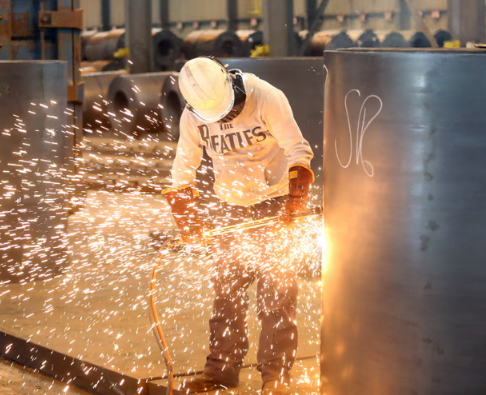
The European Union has fundamentally reshaped its current approach to international steel trade this week. This significant policy shift intends to shield continental markets from cheap global industrial manufacturing. Brussels officials decided to halve the total volume of duty-free steel entering European markets. However, the continental authorities granted much softer restrictions to a select group of trading partners. United Kingdom steel manufacturers are among those receiving preferable treatment from European decision makers. Thirteen specific nations possessing existing free trade agreements will experience a smaller quota reduction instead. Their specific duty-free access will decline by only one-third rather than the standard one-half. This strategic compromise ensures continuous commercial stability for traditional exporters during major global transitions. European leaders want to prevent an overwhelming influx of underpriced industrial goods from foreign markets. High Chinese production capacity remains the primary target for these newly implemented continental trade barriers.
European Trade Commissioner Maroš Šefčovič defended the implementation of these strict protective mechanisms recently. He emphasized that the Commission is putting vital practical arrangements into place quite immediately. These administration measures will ensure the steel system operates effectively from its very first day. European authorities want to provide international market participants with high levels of long-term predictability. They intend to achieve this clarity through transparent and beautifully structured quota distribution rules. The revised regulations balance severe market protections with fair consideration for established economic partners. This balanced perspective avoids complete isolation while safeguarding fragile domestic industrial ecosystems within Europe. Industry leaders across the continent have largely welcomed the regulatory clarity provided by Brussels. They believe the new transparency will prevent sudden supply shocks within the local market. Importers can now plan their annual procurement strategies with far greater operational certainty.
These new steel safeguards mark the biggest commercial divergence with Britain since Brexit happened. The formal departure occurred in twenty twenty but trade relations remain deeply interconnected today. Interestingly, the European moves closely match similar protections announced last week by British ministers. The United Kingdom government previously acted to reduce foreign imports and boost domestic industries. Both jurisdictions are moving toward tighter national boundaries regarding critical industrial metal supplies nowadays. The original inspiration for these European curbs stems from massive global supply chain disruptions. Continental authorities desired to slow down the integration of cheap Chinese products into factories. This necessity became urgent after international trade flows diverted from the United States market. Former President Donald Trump triggered this disruption by launching his historic liberation day tariffs. Those aggressive American taxes commenced in April twenty twenty-five and upended global commodity routes.
The European Commission initially announced its sweeping tariff reduction intentions during the previous year. They planned to cut overall tariff-free imports from non-bloc countries starting July first. The chosen target reduction represents a significant forty-seven percent drop from twenty twenty-four levels. Furthermore, the authorities decided to double import tariffs to fifty percent outside those quotas. This heavy financial penalty would apply universally to any unallocated shipments entering the continent. However, exceptions were carved out for thirteen specific countries holding active free trade agreements. These special arrangements allow the preferred nations to sell up to two-thirds of historic levels. Their final permitted allocations average between sixty-six and sixty-seven percent of previous trade volumes. Brussels bureaucrats confirmed these specific figures after lengthy calculations involving multiple complex economic variables. This compromise softens the economic blow significantly for trusted partners nearby and across oceans.
The comprehensive list of countries receiving these superior import terms spans several global continents. The United Kingdom stands out alongside Turkey as key regional neighbors receiving better treatment. Major Asian manufacturing economies like India and South Korea also secured these beneficial terms. Indonesia and Singapore represent Southeast Asian interests within this privileged economic trading circle today. From the African continent, both Egypt and South Africa achieved inclusion in the agreement. South American trade interests are represented by Brazil and Argentina within the official text. European nations outside the bloc, including Switzerland and North Macedonia, also gained special status. Finally, Ukraine received these supportive conditions to assist its ongoing economic stabilization efforts. Together, these thirteen trading nations represent the core of Europe’s external industrial supply network. Their inclusion highlights a geopolitical desire to maintain strong alliances amid rising global tensions.
The extensive protective framework encompasses exactly twenty-eight individual categories of industrial metal products. These regulated items include high-grade rolled steel which is vital for the automotive industry. Specialized steel bars used heavily in construction to reinforce concrete are also strictly monitored. European officials calculated the specific quotas allocated to these countries using historical trade metrics. The baseline data relies heavily on recorded trade documentation from twenty twenty-two through twenty-four. This historical foundation ensures that modern import allowances reflect genuine, long-standing economic partnerships. Previously, representatives from the British steel industry expressed grave concerns about the impending regulations. They warned of potentially devastating consequences if the quota system became overly restrictive for exporters. Domestic manufacturers feared losing vital access to lucrative European manufacturing supply chains quite permanently. The softer reduction rate offers substantial relief to these anxious British corporate boardrooms today.
Nevertheless, these unilateral rules effectively quash immediate hopes for a formal bilateral alliance structure. Many executives previously desired a strategic steel club between the United Kingdom and Europe. Such an arrangement would have provided completely tariff-free trade across the English Channel effortlessly. It would have also allowed both powers to work cooperatively against unfair Chinese competition. Instead, Brussels opted for a standardized framework that applies across its entire trading network. Officials explained their desire to create a system solving problems without creating new friction. They still harbor long-term ambitions to establish a broader transatlantic industrial steel alliance soon. This grand coalition would ideally include the United States alongside the United Kingdom eventually. A unified bloc could effectively ringfence domestic markets from global rivals breaking trade rules. Such cooperation remains a high priority for Western diplomats navigating modern macroeconomic challenges.
The newly established quota allocations are not entirely rigid or set in stone permanently. European authorities can adjust specific country limits if unexpected shortages emerge in domestic markets. If European factories face severe supply deficits, the commission can increase the allowed volumes. This inherent flexibility protects local manufacturing sectors from experiencing harmful component scarcities during production. The ultimate goal is balancing robust market defense with fluid, reliable supply chain operations. As the July deadline approaches, global markets are adapting swiftly to this new reality. The collaborative compromise demonstrates that international trade can survive even amidst growing protectionist sentiments.
Related News:
 UK Experts Raise Alarm Over Machinery Export to Armenian Firm
 Caffè Nero Warns Coffee Prices May Rise Again
 Middle East Conflict Risks UK Food Supply Chains This Summer
 BP Profits Surge Amidst Middle East Conflict Crisis
 UK Urged to Build EU Rejoin Consensus, Says Miliband
 Steel Tensions Rise Between United Kingdom and European Union
 Reeves Faces Setback as Labour May Miss Homes Target
 Trump’s UK Ambassador Urges North Sea Drilling to Strengthen US Ties
 M&S Profits More Than Halve After Cyber-Attack
 Tony Blair think tank warns Rachel Reeves must cut taxes if manifesto broken
 Millionaires group urge Reeves to introduce wealth tax to ‘lift kids out of poverty’
 Global markets drop amid tech sell-off and China slowdown
 Mossmorran Plant Closure Hits Cowdenbeath Hard
 Starmer Says Labour’s Economic Plan Needs Years to Deliver
 Virgin Media Fined £23.8m Over Telecare Safety Failures
 Rising Water Bills Lift Troubled Thames Back to Profit
 Starmer Faces Parliamentary Battles Over UK-EU ‘Reset’ Plan
 Phoenixism Costs UK Taxpayers Millions in Recruitment Sector
 British skier killed in La Plagne avalanche tragedy
 ScottishPower Tops List of Worst UK Energy Suppliers
 City & Guilds pay surge sparks backlash amid £22m cuts
 UK Government Borrowing Drops to £11.6bn in December
 AI job losses UK: Britain faces sharper employment shock
 India-EU Free Trade Deal Marks Historic Economic Shift
 UK economy struggles as growth stalls at 0.1% in late 2025
 UK Unemployment Rate Climbs to 5.2% Peak
 UK shelves £110m border project amid trade strain
 UK Inflation Surprise Sparks Early Rate Cut Hopes
 Reeves Must Back Defence Plan or Face Dismissal, Says Unite Chief
 Switching Energy Deal Can Save £200 as Price Cap Falls
 Rachel Reeves Faces Middle East Conflict Test
 Grocery Inflation Rises Amid War Fears
 Peak Greggs fears as profits tumble sharply
 UK suspends study visas for four nations to curb asylum
 Jordanian Arrested in Philippines Over Bondi Beach Terror Links
 BrewDog sold Highland estate for knockdown price after abandoning reforestation plans
 Ukraine war briefing: Zelenskyy offers help to Saudi Crown prince on combatting Iranian drones
 Yorkshire Water Funding Sparks Debate Amid Fines and Pay Row
 Abramovich Chelsea Sale Cash Faces Jersey Probe
 Starmer Praised for Stance on Trump and Iran Conflict
 UK Energy Reform Could Cut Bills by £200
 Rising Costs Force Families to Rethink Days Out
 Trump Slams Europe as Transatlantic Tensions Boil Over
 Hospitality Sector Teeters on Brink as Costs Surge
 Trump Facing Backlash Over Firing of Cabinet Women
 US and Iran Agree to Two-Week Provisional Ceasefire
 Melania Trump Denies Ties to Epstein and Ghislaine Maxwell
 Aegon Sells Historic UK Arm to Standard Life for £2bn
 UK Staycations Rise as Travel Fears Grow
 Trump Starts $166bn Tariff Refund Process
 Prominent Voices Challenge Palestine Action Ban
 Oil Prices Surge Above $120 Amid Iran Blockade Fears
 Silent Tracks: Rail Line Without Passengers
 High Stakes in Beijing as Trump and Xi Meet Amid Global Turmoil
 Lotus Boss Pledges Future to Norfolk and Seeks State Support
 Fear and Betrayal: The Chilling Case of Kouri Richins
 Trump and Xi Convene in Beijing for Historic High-Stakes Summit
 Big Tobacco Under Fire Over Controversial New Ad Campaign
 UK Firms Freeze Spending as Iran Conflict Bites
 Rubles and Resilience: How Russia-China Border Towns Thrive
 Summer Shock: British Energy Bills Set for Grim July Hike
 Reeves to Fast-Track Clean Energy Amid Iran Crisis
 Tube Strike Brings Capital to a Standstill Over Shift Disputes
 Tube Strike Brings Capital to a Standstill Over Shift Disputes
 BP Stands Firm on Amanda Blanc Amid Boardroom Storm
 Teaching Machines Right From Wrong in the Digital Age
 US Condemns ‘Two-Tier’ UK Policing After Student Murder
 UK House Prices Drop For Third Month Due To War Fears
 Top Chefs Back Andy Burnham to Save UK Hospitality Sector
 Millions in British Charity Funds Linked to Illegal Settlements
 Captain in the Spotlight: The Future of England Cricket
 AI Scams Push UK Investment Fraud Past £220m
 Russian Tanker Captain Remanded in UK Court After Channel Seizure
 Gas Prices Fall Below $4 Following US-Iran Peace Deal
 Scouts Introduce Badges For AI And Digital Skills
 Rethinking the Blueprint for Youth Employment in Britain
 Sainsbury’s Boss Optimistic As Grocery Inflation Eases
 UK Households Suffer Squeeze As Disposable Incomes Drop
 Bank of England Eases Rules Despite Rising AI Risks
 BBC Faces Real Jeopardy as Licence Fee Income Declines