Published: 01 July 2026. The English Chronicle Desk. The English Chronicle Online.
The ambitious vision to transform rail connectivity across the north of England faces severe scrutiny today. A powerful committee of Westminster politicians has raised urgent alarms over the multi-billion-pound infrastructure scheme. The Northern Powerhouse Rail project aims to link major economic hubs across the traditional industrial heartlands. Members of Parliament warn that this grand venture risks mimicking the financial disasters of HS2. They claim the government currently possesses no convincing strategy to control the monumental project costs. The public accounts committee published a highly critical assessment of the ongoing railway development plans. Their report suggests that civil servants have failed to absorb past lessons from infrastructure mismanagement. Taxpayers could face spiralling bills if the current Department for Transport oversight is not tightened.
The massive project received renewed political backing and significant financial commitments earlier this year in January. Ministers promised a comprehensive network of new and upgraded tracks connecting several major northern cities. The planned routes will dramatically improve high-speed links between Liverpool, Manchester, Leeds, York, and Sheffield. Local leaders have long campaigned for this investment to rebalance the skewed British national economy. However, parliamentary watchdogs remain deeply skeptical about the official delivery timescales and the total budget. They note that the current funding cap of forty-five billion pounds seems entirely arbitrary. The committee expressed serious doubts that the promised benefits can fit within this financial limit. Past experience with major British transport initiatives suggests that initial costings rarely remain accurate.
High-level proposals for a radically transformed northern rail network were first introduced way back in 2014. Successive Conservative prime ministers have repeatedly promised to deliver this vital piece of regional infrastructure. The latest iteration of the project relies on a complex three-phase construction strategy over decades. This strategy builds directly upon the existing work being done for the TransPennine Route upgrade. Despite these detailed phases, parliamentarians argue that immense uncertainty still clouds the entire national project. Crucial details regarding exact journey times and total passenger capacity remain completely unconfirmed by officials. The definitive geographic routes and the specific engineering firms responsible for construction are also undecided. This lack of clarity makes it impossible to accurately forecast the ultimate financial burden.
The influential parliamentary committee questioned how the Treasury managed to calculate the specific funding ceiling. Setting a strict financial limit before completing the detailed engineering designs seems inherently flawed to experts. The report explicitly warned that the final phase of the project remains in serious jeopardy. This crucial closing stage involves building a completely new high-speed line between Liverpool and Manchester. If initial estimates prove unrealistic, this vital western connection might face severe delays or cancellation. The risk is heightened because HS2 Limited remains heavily involved in producing the cost estimates. The Department for Transport possesses a notoriously poor track record regarding major infrastructure cost estimation. Relying on the same institutional mechanisms that derailed HS2 inspires very little confidence among politicians.
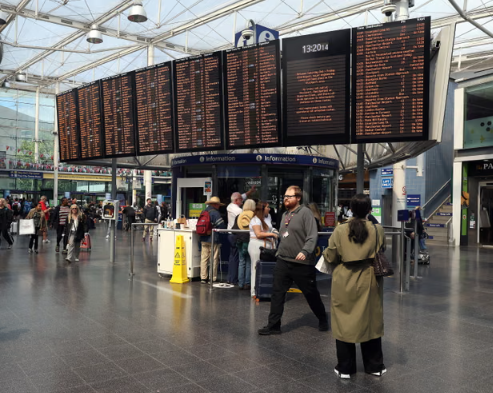
One major unresolved dilemma involves the future configuration of the central hub at Manchester Piccadilly station. The regional mayor has consistently campaigned for a completely new underground station to maximize capacity. Some independent engineering assessments suggest this subterranean option could add five billion pounds to costs. A traditional surface-level expansion would be cheaper but might restrict long-term economic growth across the region. This single decision exemplifies the incredibly complex financial trade-offs inherent in such massive engineering projects. Balancing local political aspirations with national fiscal responsibility remains a major challenge for Whitehall officials. Without a clear decision on Manchester Piccadilly, the entire budget framework looks increasingly unstable and unrealistic.
The deputy chair of the public accounts committee emphasized the widespread desire for improved northern transport. Clive Betts stated that there is a genuine appetite to finally deliver this essential infrastructure. However, he noted that the ominous shadow of the failed HS2 project hangs over this scheme. The committee has reportedly detected troubling echoes of past governance mistakes during their recent evidence sessions. Early oversight failures that doomed previous rail projects seem to be repeating themselves quite clearly. The previous high-speed rail disaster serves as a textbook example of poor project management practices. The involvement of the same delivery bodies does not inspire confidence among parliamentary watchdogs.
Both the Treasury and transport officials face urgent questions regarding the validity of the budget. It remains incredibly difficult to understand how the government arrived at a firm spending limit. Politicians are demanding to know the exact mathematical methodology used to calculate the funding cap. They also want clear guarantees explaining how the department will prevent future cost overruns effectively. Furthermore, the committee stresses the need for greater local democratic oversight from regional mayoral authorities. Giving local leaders more scrutiny powers could ensure the project meets actual community needs successfully. Without local accountability, the national government risks alienating the very people the railway intends to serve.
A spokesperson for the Department for Transport strongly defended the current scope of the project. They insisted that Northern Powerhouse Rail represents the largest single transport investment in a whole generation. The completed network will provide northern communities with the modern, reliable transport links they deserve. Government officials believe the scheme will successfully drive economic growth, create jobs, and stimulate business investment. The department firmly rejects any suggestions that they will repeat the historic mistakes of HS2. They have reportedly accepted all the strategic recommendations made by the recent independent James Stewart review. Ministers are now pursuing a highly disciplined, phased approach to managing the massive infrastructure spend. Detailed technical assessments are being completed with local stakeholders before finalizing any major infrastructure choices.
The chief executive of the Northern Powerhouse Partnership also commented on the latest critical report. Henri Murison acknowledged that the government has established a helpful high-level scope and clear timing. However, he emphasized that regional businesses and residents now require urgent clarity on key local issues. The newly established regional steering group should play an essential role in directing government officials. The Treasury must also ensure that appropriate fiscal devolution powers are granted to northern leaders. This financial flexibility would allow local authorities to raise extra funding for the underground station. Substantial progress on these crucial funding mechanisms is widely expected during the upcoming autumn budget. The next few months will determine whether this vital project can truly escape the past.
Related News:
 Green Party Surges Past Labour in Latest UK Poll
 Trump’s UK Ambassador Urges North Sea Drilling to Strengthen US Ties
 French Taxi Driver Cleared in David Lammy Theft Case After Fare Dispute
 Millionaires group urge Reeves to introduce wealth tax to ‘lift kids out of poverty’
 Starmer Faces Growing Dissent as Labour MPs Weigh Leadership Challenge
 Reeves rejects £1bn plea for NHS redundancy payouts
 PM Condemns Leaks, Vows Loyalty to Ministers and Stability
 Major Rent Reform Ends No-Fault Evictions in England
 Peers Flood Assisted Dying Bill with 942 Amendments
 Most Tories Expect to Support a Farage-Led Government
 Labour MP claims devolution bill is ‘blatant discrimination’ against Cornwall
 Millions Face Higher Taxes Under Reeves New Budget
 Starmer Says Labour’s Economic Plan Needs Years to Deliver
 Culture secretary to review Telegraph takeover by Daily Mail owner
 UK Government Borrowing Drops to £11.6bn in December
 Labour Blocks Burnham as Party Rift Deepens Ahead of Polls
 Andy Burnham and the Labour Rift Over Power and Leadership
 Huge mistake: Labour blocks Burnham from byelection bid
 Artificial intelligence will cost jobs, admits Liz Kendall
 Labour targets Greens on drugs in Gorton Denton byelection
 Greens nominate Hannah Spencer for Gorton and Denton byelection
 Mandelson Faces Police Inquiry Over Epstein Leak
 Starmer Condemns ‘Depraved’ Russian Strikes on Ukraine
 Labour Thinktank Row Deepens Over Journalist Probe Claims
 Morgan McSweeney downfall shocks Labour leadership
 Labour Lord Doyle Apologises Over Paedophile Ties in Political Storm
 Cabinet Secretary Shake-Up Triggers Due Diligence Warning
 Starmer Faces Inquiry Calls Over Thinktank Probe
 Royal Mail Delivery Crisis Deepens Amid Weather Chaos
 UK shelves £110m border project amid trade strain
 Farage Unveils Reform UK Frontbench Team
 California Democrats Vow Trump Reckoning
 Trump Tariffs Threat Spark UK and EU Alarm
 Wales Approves Assisted Dying Bill Consent
 UK EU Trade Reset Gains Public Backing
 Green Party Stuns Labour in Gorton and Denton Byelection
 Corbyn Leads Your Party in Coordinated Left-Flank Strategy
 Labour Together scandal sparks clean break vow
 Asylum Seekers to Work After Year-Long Wait
 Starmer Row as Greens Demand Apology
 Proposed Law Leaves Gap for Children of Convicted Paedophiles
 Gordon Brown urges court for crimes against children
 Starmer Praised for Stance on Trump and Iran Conflict
 Inquiry into HMRC child benefit errors launched by NAO
 NHS Plans to Cut Overseas Workers Labeled Overambitious
 Farage Faces Backlash Over Crypto Cameo Endorsements
 Army Probes Apache Flyover at Kid Rock’s Nashville Estate
 Relationship with Trump may be beyond repair, Starmer warned
 Unions Raise Concerns Over Doctors’ Pay Dispute
 UK Government Poised to Revive Stalled Hillsborough Law
 UK Stands Firm on Falklands Amid US Rift
 Welsh Labour Faces Potential Historic Election Defeat
 Starmer Survives Mandelson Rebellion
 Silent Tracks: Rail Line Without Passengers
 Major test for Labour as polls open in Great Britain
 Labour Members Doubt Starmer Future as Burnham Leads Poll
 Reform UK Faces Crisis as Newly Elected Councillors Resign
 Farage Faces New Questions Over Private Helicopter Use
 Keir Starmer Struggles to Secure His Grip on Downing Street
 Farage Faces Standards Probe Over Cash Property Purchase
 Green Party Makerfield Candidate Resigns Over Posts
 Secret Role of UK Security Services in Troubles Amnesty Law
 Farage and Reform UK Reshape British Politics
 Starmer Leadership Under Pressure After Setbacks
 Minister Criticises Police Guidance Amid Southampton Protests
 Makerfield Voters Demand Real Change as Election Looms
 The Hidden Crisis Eroding Trust in British Communities
 Deepfake Abuse on X Sparks Safety Concerns for Dissidents
 UK Ministers Lobby Trump Over Under-16s Social Media Ban
 Labour MP Revives Blocked Assisted Dying Bill in Commons
 Starmer Resolves to Fight Burnham in Leadership Battle
 Starmer Set to Announce Exit Plan as Burnham Eyes No 10
 Hollie Ridley to Step Down as Labour General Secretary
 New South Wales Premier Chris Minns Signals Tough Road Ahead for Labor
 Jarvis Urges Burnham to Secure 3.5% Defence Spending
 Farage Warns Sky News Following Financial Inquiry
 Reform UK Finances Face Deep NCA Probe
 Ann Widdecombe, Formidable Political Figure, Dies at 78
 Treasury Reform Urged After Tragic Loss
 Sadiq Khan Backs Call for Maximum UK Work Heat Limit