Published: 24 September 2025. The English Chronicle Desk
Chelsea were forced to dig deep to avoid an upset at Sincil Bank as they came from behind to edge past League One side Lincoln City in the Carabao Cup, a match that tested the resolve of Enzo Maresca’s young squad and highlighted once again the unpredictable nature of English cup competitions.
Lincoln, who have built a reputation as set-piece specialists in the lower divisions, took full advantage of their physicality and direct approach to unsettle the Premier League giants. It was a strategy that very nearly paid off, with Michael Skubala’s team deserving their half-time lead and forcing Maresca to deliver what he later described as some “angry words” in the dressing room. For the Italian coach, the contest was not only about securing progression in the competition but also about teaching his emerging players valuable lessons in resilience and adaptability against opponents of a different style.

The opening half could hardly have gone more in Lincoln’s favour. From the first whistle, their approach was clear: press aggressively, launch the ball forward at every opportunity, and exploit Chelsea’s vulnerability under the high ball. The Imps were relentless in their aerial bombardment, using long throws, set-pieces, and direct deliveries into the box to ask constant questions of a makeshift Chelsea backline. It was hardly surprising given Lincoln’s remarkable statistic from last season: 30 goals from set-pieces, the highest across all four divisions of English football.
Rob Street, who celebrates his 24th birthday this week, delivered the moment that home fans will cherish. After a spell of pressure, Ivan Varfolomeev seized upon a careless pass from Enzo Fernández on the edge of the Chelsea penalty area, sliding the ball through to Street. With composure belying the occasion, the striker fired low past goalkeeper Filip Jörgensen to give Lincoln a deserved lead. The celebrations that followed reflected both the shock of the moment and the belief coursing through Skubala’s team.
For Chelsea, the first half was a catalogue of errors and hesitancy. Maresca had made eight changes to his starting lineup, offering opportunities to younger players and fringe squad members, but the lack of cohesion was evident. Jörgensen, deputising in goal after Robert Sánchez’s red card against Manchester United, looked uncomfortable under Lincoln’s high balls and long throws. The defensive unit, stripped of its usual organisation, struggled to impose itself physically.
The London club, fresh from back-to-back defeats against United and Bayern Munich, were already under pressure to respond with a performance that reassured supporters. Yet the first 45 minutes at Sincil Bank only deepened doubts. As Maresca admitted afterwards, his players had been outfought and lacked the desire required to handle the particular challenges of a League One opponent.
The turning point came in the manager’s response at half-time. Speaking later, Maresca acknowledged that he had no choice but to raise his voice in the dressing room. “Absolutely,” he said when asked if he had delivered harsh words. “Sometimes it is not about tactics, it is about desire. We knew the game we were going to face—long balls, duels, throw-ins, every time into the box. Some of these players had never faced that kind of game before. They need to learn, and tonight they had to.”
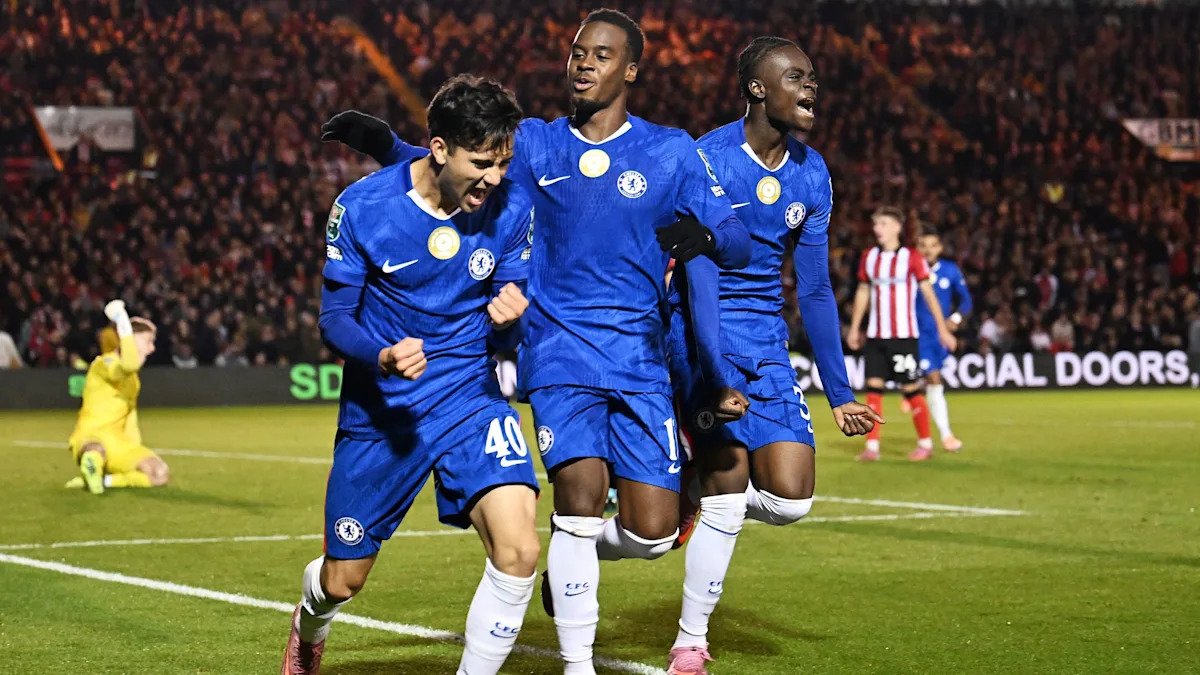
His words had the desired effect. Chelsea re-emerged for the second half with a sharper intensity and an urgency that had been lacking. Within five minutes of the restart, they were not only level but ahead. The equaliser came when Lewis Montsma’s attempted clearance fell kindly to Tyrique George, who struck a sweet shot in off the post from the edge of the penalty area. It was a goal of quality and confidence, shifting the momentum immediately.
Barely two minutes later, Chelsea were in front. A neat interchange down the left released George again, and his pass found Facundo Buonanotte, the Argentine forward on loan from Brighton, who clipped the ball home to score his first goal for the club. In the space of moments, Lincoln’s advantage had been erased, and Chelsea’s composure returned.
From then on, Maresca’s side controlled the tempo more effectively, though Lincoln continued to press with admirable energy. Skubala’s players did not retreat into their shell, instead pushing forward when possible and keeping Chelsea honest until the final whistle. The Imps even forced the Premier League side into time-wasting late on, a reflection of how competitive they had been.
Skubala, understandably, was proud of his team’s efforts despite the result. “I’m really pleased with the first half—it could have been more than 1-0,” he said afterwards. “We are adaptable. We changed shape, went to a 5-diamond-1, and pressed with our midfielders. It was by design, and it worked. At the end, we were disappointed not to take it to penalties, but we can take huge confidence from this. Not many teams make Chelsea time-waste at the end of a game.”
The Lincoln manager also pointed to the spirit within his squad, recalling the club’s famous run to the FA Cup quarter-finals nine seasons ago. That tradition of defying expectations was evident once more, and the home supporters responded with passion throughout, aware they had witnessed a performance of character even in defeat.
For Chelsea, the positives came in the form of their response. Youngsters such as George impressed, while Buonanotte’s goal will boost his confidence after a slow start to his loan spell. Yet concerns remain, particularly about defensive frailties and the team’s ability to handle physical contests. Jörgensen’s hesitancy under pressure will not have gone unnoticed, and Maresca will be aware that sterner tests lie ahead.

Cup competitions, however, are often about survival, and Chelsea did enough to secure their passage to the next round. The match will be remembered less for the quality of the visitors’ play and more for the determination shown by Lincoln, who demonstrated once again why lower-league sides are capable of troubling the elite. For Maresca, the evening may prove a valuable lesson for his developing squad, underlining the importance of resilience, adaptability, and humility in the face of unexpected challenges.
In the broader context, Chelsea remain a club in transition. The departures, new signings, and tactical overhaul under Maresca have yet to produce consistency. Nights such as this one, difficult though they may be, contribute to the process of building cohesion and experience. For Lincoln, the defeat will sting but will also serve as a benchmark of how close they came to upsetting one of England’s most decorated clubs.
As the Carabao Cup progresses, Chelsea’s ambitions will inevitably stretch towards silverware. For now, their focus shifts back to stabilising league form. Yet the memory of a tough night in Lincolnshire may linger, serving as a reminder that success in English football often comes not just from technical ability but from the grit to withstand the unexpected.
Related News:
 Predicted Leicester Line-ups Reflect Cifuentes’ Tactical Plans Ahead of New Season
 Lionesses Return in Glory with an Open-Top Parade, Spark National Pride and Rewrite the Future of Women’s Football
 Central London Gears Up for Lionesses’ Victory Parade as Thousands Prepare to Celebrate Historic Women’s Euros Win
 London Set to Honour Euro 2025 Champions as Lionesses Take Victory Parade Through the Capital
 Rangers Boss Russell Martin Launches Blistering Critique After Disappointing Draw with Motherwell
 Ngumoha Shines Bright as Liverpool’s Future Looks Fiercely Promising
 Minute’s Silence for Diogo Jota Abruptly Ended After Wembley Tribute Disrupted
 Premier League Supercomputer Predicts Tough Season for Man Utd Amid Three-Team Title Battle
 Diogo Jota’s Empty Seat at Liverpool: A Symbol of Grief, Inspiration, and Duty
 Aston Villa Under Pressure as Newcastle Take on Hosts in Premier League Opener
 Isaac Price Shines as West Brom Clinch 3-2 Victory at Wrexham’s Championship Return
 Tottenham Make Three Changes as Spurs Prepare to Host Burnley in Premier League Opener
 FIFA Eyes Biennial Club World Cup from 2029, Plans Possible Expansion
 European Football: Atlético Madrid Stumble at Espanyol as Vitinha Secures PSG Win
 Leeds Mark Premier League Return with Gritty Win Over Everton
 Arsenal Move to Secure Eberechi Eze, Outpacing Tottenham
 Mateta’s Strike Gives Crystal Palace First-Leg Edge in Conference Playoff
 British Paralympians Accused of Disrespect After Turning Backs During Israeli Anthem
 Ruby Tui Emerges as the BBC Rugby Pundit Fans Never Knew They Needed
 Grimsby Stun Manchester United in Dramatic Penalty Shootout
 Club Brugge Crush Ten-Man Rangers to Deepen Russell Martin’s Crisis
 Guardiola Admits City ‘Forgot to Play’ After Shock Defeat to Brighton
 Morgan MacRae: From 17 Minutes Dead to Returning to Rugby in Six Weeks
 Serbia Humiliated 0-5 by England in World Cup Qualifier
 Fábio Carvalho’s Last-Minute Heroics Deny Chelsea Victory at Brentford
 Tottenham Cruise to 3-0 Victory Over 10-Man West Ham in London Derby
 Terence Crawford Shocks Canelo Álvarez to Claim Undisputed Super-Middleweight Crown
 Guardiola Faces Criticism for Defensive Approach in Manchester City’s Clash with Arsenal
 England Must Stay True to Their Style Ahead of Women’s Rugby World Cup Final: Lessons from 1991
Liverpool Vs outhampton Set for Carabao Cup Clash at Anfield
England Must Stay True to Their Style Ahead of Women’s Rugby World Cup Final: Lessons from 1991
Liverpool Vs outhampton Set for Carabao Cup Clash at Anfield
 Dickie Bird: Cricket’s Beloved Umpire Who Won Hearts with Wit and Integrity
 Aston Villa Edge Bologna as Europa League Campaign Kicks Off
 Tottenham Salvage Point with Stoppage-Time Palhinha Strike Against Wolves
 Manchester City Dominate Burnley 5-1 as Haaland’s Brace Secures Vital Win
 Arsenal VS Newcastle Hearts with Dramatic Late Turnaround at St James’ Park
 Aston Villa Fight Back to End Winless Run with Convincing Victory over Fulham
 Tragic Death Strikes Half-Marathon in Stoke-on-Trent: Runner Dies Shortly After Crossing Finish Line
 Postecoglou Stands Firm Amid Mounting Forest Fan Frustration
 Tuchel Criticises ‘Silent Wembley’ After England Win
 Kane’s Double Seals England’s World Cup Qualification
 Ronaldo’s Record Not Enough as Hungary Hold Portugal
 Fulham vs Arsenal Trossard Strike Sends Gunners Three Points Clear
 Ange Postecoglou’s Naivety Premier League Misadventure Ends
 Arsenal vs Atlético Madrid,Gyökeres Double Secures 4-0 Champions League Victory
 Barnes Inspires Newcastle to Champions League Triumph Over Benfica
 Gibbs-White Inspires Forest to Thrilling Win Over Porto
 Go Ahead Eagles Shock Aston Villa as Buendía Misses Late Penalty
 Aaronson and Rodon Punish West Ham as Leeds Claim Victory
 Manchester United triumph as Mbeumo brace seals thrilling win
 Fabio Wardley stuns Joseph Parker to earn Usyk title shot
 Tottenham shine at Everton but Frank wary of title push
 Brentford Dominate Grimsby in Carabao Cup, Collins Seals 5-0 Triumph
 Lecomte Shines as Fulham Edge Wycombe in Nervy Carabao Cup Win
 Sarr Double Sinks Young Liverpool in Carabao Cup
 Nwaneri and Saka Secure Arsenal Win Over Brighton
 Woltemade Hot Streak Fires Newcastle Past Spurs
 Salah & Gravenberch Lead Liverpool to Win Against Villa
 Dyche Criticises Corner Decision as Forest Draw with United
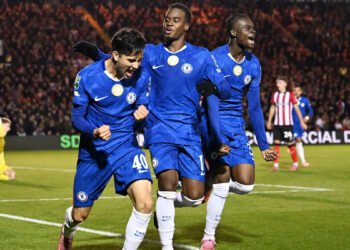 Caicedo Shines as Chelsea Edge Spurs in Chaotic Derby
 Granit Xhaka Rescue Earns Everton Draw at Sunderland
 Liverpool Edge Real Madrid 1-0 in Champions League Thriller
 Burn and Joelinton Head Newcastle to Victory Over Bilbao
 Foden shines as Man City dismantle Dortmund in dominant display
 Garnacho Spares Chelsea From Shock Champions League Loss in Baku
 Tension and Turmoil at Aston Villa v Maccabi Match
 Bellingham has ‘the edge’ among England No 10s
Man City Masterclass on Guardiola’s Milestone Day Exposes Liverpool Woes
Bellingham has ‘the edge’ among England No 10s
Man City Masterclass on Guardiola’s Milestone Day Exposes Liverpool Woes
 Lando Norris Dominates Brazil GP to Strengthen F1 Title Bid
 England cannot afford to be in awe of the All Blacks, warns Jamie George
 VAR Must Rein Its Neck In to Save Football’s Spirit
 Trescothick Hints Pope Will Keep Number Three Spot
 Ronaldo Confirms Final World Cup and Plans Retirement
 Mary Earps’s Manchester United Return Faces Mixed Reception
 Sam Kerr Stars in Chelsea Return with Champions League Double
 This kid is something else: Alex Scott’s rise to England call-up
 Former Lion Heskey Warns of Shortage of England Strikers
 Moyes Defends Gueye After Dramatic Everton Bust-Up
 Jac Morgan to Miss Six Nations Start After Surgery
 Alexander Isak ends drought as Liverpool stop rot with win at West Ham
 Mbappe rescues Real Madrid with a penalty at Girona