Published: 17 October 2025. The English Chronicle Desk. The English Chronicle Online.
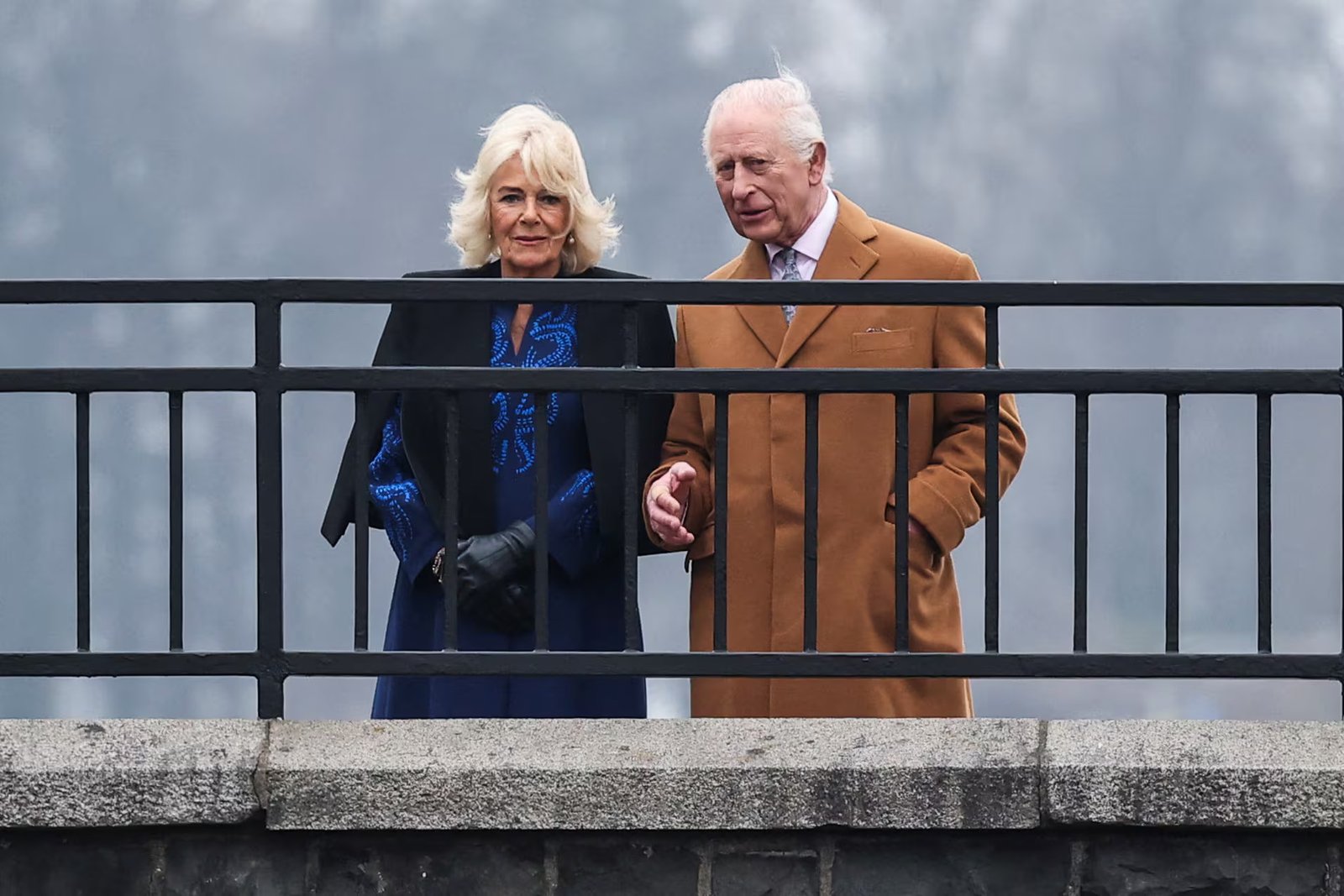
King Charles will become the first reigning English monarch in nearly 500 years to pray publicly with a pope during his state visit to the Holy See next week, marking a historic moment in relations between the Catholic Church and the Church of England. The unprecedented gesture will see Charles join Pope Leo XIV for an ecumenical service in the Sistine Chapel on 22–23 October, accompanied by the queen. The event is being hailed as a significant step in the ongoing dialogue between the two churches, reflecting decades of gradual rapprochement following centuries of religious division.
The royal visit also includes a trip to the Basilica of St Paul Outside the Walls, a site with deep historical connections to the English crown dating back to Saxon rulers such as King Offa and King Æthelwulf. These monarchs supported the upkeep of St Paul the Apostle’s tomb within the papal basilica, highlighting a long-standing, though intermittent, relationship between English royalty and the Vatican. During the visit, King Charles will receive the title of “royal confrater” at the pope’s invitation—a recognition of spiritual fellowship that acknowledges the king’s decades-long commitment to fostering dialogue and unity among faiths.

A special seat has been created for King Charles in the basilica, adorned with the royal coat of arms. He will use the chair during the ecumenical service, after which it will remain permanently in the apse of the basilica as a lasting symbol of mutual respect between the pope and the English monarch. This historic gesture underlines both the spiritual and diplomatic significance of the visit, which represents continuity in efforts to bridge gaps between the Catholic Church and the Church of England.
A Buckingham Palace spokesperson emphasised the significance of the event, stating, “This will be the first state visit, since the Reformation, where the pope and the monarch will pray together in an ecumenical service in the Sistine Chapel, and the first time the monarch will have attended a service in St Paul’s Outside the Walls, a church with an historic connection to the English crown.” The Palace highlighted that the visit is as much a symbolic gesture of reconciliation as it is a diplomatic engagement.
The Church of England, while noting the historic tensions between the English state and the papacy, said that the king’s public prayer with the pope reflects a continuing search for unity. A spokesperson for the church remarked that the royal confrater title “whilst it confers no duties or obligations on the king and makes no changes whatsoever to the formal constitutional and ecclesiastical position of his majesty as supreme governor of the Church of England, is a tribute to his majesty and to his own work over many decades to find common ground between faiths and to bring people together.”
The visit also carries significant diplomatic weight. A UK Foreign Office spokesperson stated that, “At a time of global instability and conflict, the UK’s relationship with the Holy See is more important than ever – and this historic state visit will be a key moment to strengthen this relationship.” The Vatican has increasingly engaged in international diplomacy, and the king’s visit is intended to reinforce shared values while highlighting the UK’s commitment to interfaith dialogue.
Queen Elizabeth II was the first British monarch since the Reformation to make an official visit to the Holy See in 1961, setting a precedent for royal engagement with the Vatican. King Charles’ visit, however, is unique in that it involves the active participation of a reigning monarch in an ecumenical service alongside the pope—a public act of prayer that carries both spiritual and symbolic significance.
Observers have noted that the king’s decision to accept the title of royal confrere and participate in a shared prayer service is the culmination of decades of personal engagement in interfaith initiatives. Throughout his public life, Charles has promoted dialogue and understanding among different religious communities, advocating for respect, reconciliation, and cooperation. His actions during the Vatican visit will reinforce this longstanding commitment while demonstrating the Church of England’s willingness to engage constructively with the Catholic Church.
The planned service in the Sistine Chapel is being meticulously prepared to reflect both liturgical traditions, ensuring that it remains respectful to Catholic ritual while allowing the monarch to participate fully. Vatican officials have described the service as a “symbolic and ecumenical moment,” highlighting the significance of shared prayer in bridging centuries-old divisions. The king’s role as supreme governor of the Church of England underscores the historic importance of his participation, as it represents a rare and meaningful moment of unity between the two faiths.
The visit also includes discussions on global issues, reflecting the broader diplomatic dimensions of the engagement. By meeting with Pope Leo XIV and other Vatican officials, the king and queen will explore areas of mutual concern, including interfaith collaboration, humanitarian efforts, and the promotion of peace and stability. This approach demonstrates that the visit is not only ceremonial but also focused on practical cooperation between the United Kingdom and the Holy See.
For centuries, relations between the English crown and the papacy have been marked by conflict and estrangement, beginning with Henry VIII’s break from Rome in 1534. The Reformation set in motion a long period of tension, mistrust, and at times hostility between England and the Catholic Church. While diplomatic and religious relations have gradually improved over the past century, King Charles’ public prayer with the pope represents the first instance in nearly 500 years in which a reigning English monarch has openly participated in a shared service with the leader of the Catholic Church.

The royal visit underscores the continuing evolution of interfaith dialogue in the modern era. By creating spaces for shared spiritual reflection and mutual respect, the visit highlights the potential for reconciliation and cooperation between religious institutions historically divided by theology and politics. King Charles’ engagement with the Vatican reinforces the symbolic and practical importance of building bridges, fostering understanding, and promoting peace in an increasingly interconnected world.
As preparations for the state visit continue, both Buckingham Palace and the Holy See have stressed the careful planning and significance of the events. The creation of the royal confrater seat, the ecumenical service in the Sistine Chapel, and the visit to St Paul Outside the Walls together constitute a series of gestures designed to celebrate shared heritage, spiritual fellowship, and ongoing dialogue between the United Kingdom and the Vatican.
This landmark visit is expected to resonate beyond the immediate religious community, sending a powerful message about the importance of interfaith engagement, reconciliation, and the role of the monarchy in fostering diplomacy and understanding. It is likely to be remembered as a historic milestone in the centuries-long journey of relations between the Church of England and the Catholic Church.
Related News:
 Prince Harry Cleared of Bullying Allegations Amid Charity Dispute Fallout
 Close Friend of Princes William and Harry Faces Delicate Godparent Decision
 Where Is Prince William and Kate Middleton’s New House? Inside the Historic Lodge Set to Become Their ‘Forever Home’
 Duchess of Kent Dies at 92, Buckingham Palace Confirms
 Prince Harry Meets King Charles in First Private Encounter in 19 Months
 George and Amal Clooney Celebrate Global Human Rights Champions at Star-Studded Albies
 Prince Harry Responds to Charity Commission Criticism Over Sentebale Row
 Sussexes Warn on Children’s Phone Use Echoing Princess of Wales
 Prince Andrew told Epstein “we are in this together”
 Admiral of the Fleet Sir David Bathurst Dies Aged 89
Prince Andrew steps aside as royal succession shifts
Giuffre’s bombshell memoir names Prince Andrew 88 times in shocking revelations
Admiral of the Fleet Sir David Bathurst Dies Aged 89
Prince Andrew steps aside as royal succession shifts
Giuffre’s bombshell memoir names Prince Andrew 88 times in shocking revelations
 Harry and Meghan join global AI leaders urging superintelligence ban
 William Steps Up Over Prince Andrew Palace Response
 Prince Andrew May Leave Royal Lodge for Frogmore Cottage
 King Charles Heckled Over Prince Andrew-Epstein Links
Prince Andrew Hosted Epstein Days Before Arrest
Prince Andrew Under Pressure as MPs Question Royal Lodge Rent Arrangements
King Charles Heckled Over Prince Andrew-Epstein Links
Prince Andrew Hosted Epstein Days Before Arrest
Prince Andrew Under Pressure as MPs Question Royal Lodge Rent Arrangements
 Prince Andrew Stripped of Title: Giuffre Family Hails Historic Moment
 Kate Winslet to Narrate Film Highlighting King’s Environmental Mission
Trump Speaks on Prince Andrew’s Royal Scandal Fallout
Kate Winslet to Narrate Film Highlighting King’s Environmental Mission
Trump Speaks on Prince Andrew’s Royal Scandal Fallout
 Prince of Wales showcases volleyball skills on Brazil visit
 Prince William Plants Trees with Brazil’s Nature Heroes
 Meghan ‘to return to acting’ after eight-year hiatus
 Oprah enjoys Meghan’s jam on English muffins
 King Charles to Lead Nation in Remembrance Sunday Service
 Second world war veterans honoured as King leads Remembrance Sunday
 The Debate Over Princess Beatrice and Eugenie’s Royal Status Intensifies
 Farage appointee to lead Reform youth accused of anti-British views
Palace to reinstate hyphen in Andrew’s surname
Farage appointee to lead Reform youth accused of anti-British views
Palace to reinstate hyphen in Andrew’s surname
 Princess of Wales Hosts Festive Christmas Service at Abbey
 Princess Eugenie-Linked Gallery Faces Russia Sanctions Charges
 Princess Anne Takes the Controls in Airbus Flight Simulator
 Catherine urges end to stigma around addiction
 UK Must Act with Courage and Clarity on Israel-Palestine Conflict, Says Foreign Affairs Committee Report
 London Set to Honour Euro 2025 Champions as Lionesses Take Victory Parade Through the Capital
 Targeted Attack in Bury Sparks Murder Investigation as Community Awaits Justice
 Princess of Wales Launches Animated Video Series to Support Early Childhood Development
 Heartbreak in the New Forest as Shetland Ponies Vanish, Community on Edge
 Fire Contained at Edinburgh’s Arthur’s Seat After Overnight Battle by Firefighters
 Premier League Supercomputer Predicts Tough Season for Man Utd Amid Three-Team Title Battle
 Mystery Wallaby Spotted on Norfolk-Suffolk Border Sparks Police Appeal
 UK Weather: Heat Alerts Extended as Temperatures Set to Reach 30°C This Weekend
 Terence Stamp, ’60s British Film Legend and Star of Superman, Dies at 87
 Merseyside Police Helicopter Crew Cleared After Low-Altitude Pursuit of Suspect
 Is the UK Ready to Put Boots on the Ground in Ukraine? Assessing Military Capacity and Challenges
 Education Leaders Call for End to Compulsory GCSE Resits in English and Maths
 Police Scotland Spends £500,000 Compensating Officers Over Trump Visit
 Thousands of New School Nursery Places to Be Rolled Out Across England
 Urgent Action Needed on Windrush Compensation as Survivors Speak of “Waiting to Die”
 Tanni Grey-Thompson Faces Abuse Over Opposition to Assisted Dying Bill
 Rising Food Bank Dependence Highlights Deepening Hardship Across the UK
 Birmingham Bin Strike Enters Sixth Month as Negotiations Stall
 TfL Invites RMT to Resume Talks as London Tube Strikes End
 Over 40% of Private Renters Forced to Ration Energy to Afford Bills, Study Reveals
 Systemic Racism in Maternity Care Continues to Endanger Black Women in England, MPs Warn
 One in Three GPs in England Do Not Work in NHS, Raising Concerns Over Access to Care
 Northern Ireland Faces Fears of Prolonged Race Riot “Permacrisis”
 Nigel Farage Unveils Controversial Immigration and Welfare Plans at Reform UK Press Conference
 Scottish Teenager’s Petition on Single-Use Plastics Gains Parliamentary Support
 White Low-Income Pupils in England Show Lowest Levels of School Engagement, Study Finds
 No Evidence Found to Substantiate Alleged Rape in Oxfordshire Churchyard, Police Confirm
 UK House Price Growth Slows as Buyers Exercise Caution Ahead of Autumn Budget
 Massive London Poundland Fire Engulfs High Street
 Paedophile Singer Ian Watkins Dies After Prison Attack
 UK border officers deployed to Balkans to tackle migrant smuggling
 Rachel Reeves signals welfare reform ahead of key budget
 Reform UK candidate fined £19,000 after using AI-generated cases to challenge election
 Hospice Cuts Raise Alarm Across England Amid Funding Crisis
 Green Party Surges Past Labour in Latest UK Poll
 Children to Learn Local History in Major Curriculum Overhaul
 Starmer Faces Growing Dissent as Labour MPs Weigh Leadership Challenge
 Son Reveals UK Couple in Iran Resort to Hunger Strike for Help
 Former Lion Heskey Warns of Shortage of England Strikers
 ‘Traumatic Wait’: Northern Ireland Women Face Breast Cancer Delays
 Serial Rapist and Former Cop Found Guilty Again
 Most Tories Expect to Support a Farage-Led Government
 Karen Carney Stuns on Blackpool Week, Deserves Strictly Final
 Fibromyalgia Patients Struggle as NHS Fails to Provide Care
 Virgin Media Fined £23.8m Over Telecare Safety Failures