Published: 21 October 2025. The English Chronicle Desk The English Chronicle Online.
Virginia Giuffre’s posthumous memoir, Nobody’s Girl, has caused a stir in the UK and beyond, with the late Epstein victim’s account naming Prince Andrew 88 times and detailing alleged sexual abuse at the hands of both Jeffrey Epstein and his associate, Ghislaine Maxwell. Collaborating with author Amy Wallace, Giuffre, who tragically died by suicide in April at the age of 41, sought to ensure that her suffering would serve a broader purpose—shining a light on systemic abuse and holding powerful figures accountable.
In the 400-page diary-style book, Giuffre recounts her harrowing experiences while under the control of Epstein and Maxwell. The memoir reveals that her encounters with Prince Andrew began when she was just 17, and Giuffre details in chilling clarity how power, privilege, and manipulation left her feeling powerless. From the outset, she emphasises that her story is intended not only as personal testimony but as a cautionary tale for others, particularly highlighting the intersection of wealth, influence, and sexual exploitation.

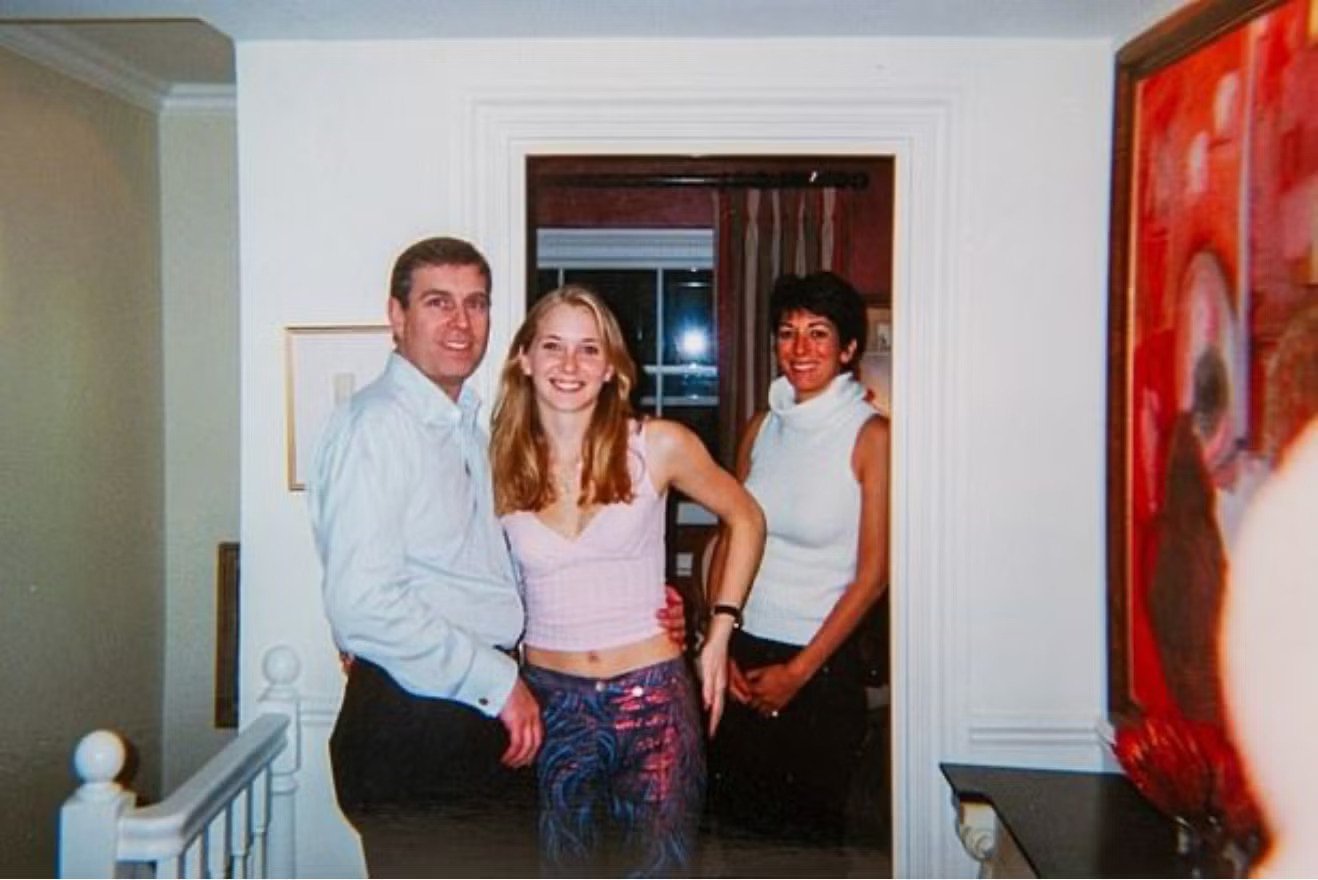
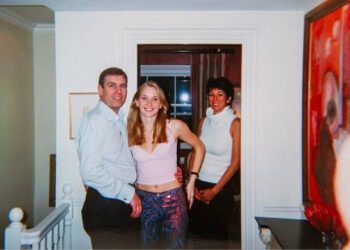
Giuffre recounts being in London at Maxwell’s townhouse when she was told Andrew would be joining them for dinner. “Just like Cinderella, I was going to meet a handsome prince,” she wrote, describing how she had spent the day shopping for outfits in preparation. During the evening, she wrote that Andrew, then 41, arrived and chatted with Epstein and the group in the entryway. She asked Epstein to take a photograph of herself with Andrew, capturing a moment that would later become a focal point in her legal claims.
The memoir details the night’s events further, including a visit to Tramp nightclub, where Giuffre described Andrew as a “bumbling dancer.” Returning to Maxwell’s home, she alleged that Maxwell instructed her, “you are to do for him what you do for Jeffrey,” leading to her first sexual encounter with Andrew. She recounted that he said “thank you in his clipped British accent. Afterwards, a phrase she interpreted as a display of entitlement.
Giuffre later described receiving $15,000 from Epstein for “servicing the man the tabloids called ‘Randy Andy.’” Around a month afterwards, she alleged another encounter at Epstein’s New York residence, where Maxwell presented Andrew with a puppet of himself, and Giuffre claims he touched another alleged victim, Johanna Sjoberg, inappropriately. Giuffre interpreted the puppet as a symbol of control, writing: “Johanna and I were Maxwell and Epstein’s puppets, and they were pulling the strings.”
Her memoir also details a third alleged sexual encounter with Andrew on Epstein’s private Caribbean island, Little Saint James, which she referred to as “Little Saint Jeff’s.” She stated that all the girls involved appeared to be under 18 and that many did not speak English, with Epstein allegedly laughing about how easily they could be manipulated. Giuffre’s recollections mirror prior sworn statements and legal filings, emphasising the consistency of her testimony over the years.
Giuffre also reflects on the psychological impact of her situation, particularly in relation to broader conspiracy theories surrounding Princess Diana’s death. She wrote that she felt trapped and powerless in the presence of people with enormous influence, including Andrew and Epstein. Giuffre’s then-boyfriend, Tony Figueroa, is quoted as expressing fear for her safety, highlighting the profound sense of entrapment she experienced while abroad.
Following Epstein’s release from prison for procuring a minor for prostitution, Giuffre wrote that she was shocked to see a photograph of Andrew with him in Central Park in 2011. The memoir describes how this fueled her perception of Andrew’s arrogance and the ongoing threats she faced. Later, she sold a photograph of herself with Andrew to the Mail on Sunday for $160,000, under an agreement not to speak to other outlets for three months, which she later reflected on as a naïve decision misunderstood by the public as opportunistic.
In 2019, Giuffre considered filing a lawsuit against Andrew, coinciding with his widely publicised BBC Newsnight interview in which he denied ever meeting her and claimed to have been at Pizza Express with his daughter on the date in question. Giuffre wrote that the interview, while devastating publicly for Andrew, strengthened her legal team’s resolve and provided critical leverage for her case.
Her memoir recounts the legal proceedings in the U.S., including initial difficulties in serving papers on Andrew due to his retreat to Balmoral Castle. Progress was made when a witness came forward, confirming seeing Giuffre and Andrew together at the Tramp nightclub. Giuffre also alleged that Andrew’s team attempted to hire internet trolls to discredit her online, adding another layer of intimidation she faced.
Concluding her memoir, Giuffre emphasizes that she came forward to protect others from experiencing similar abuse. She wrote: “I don’t regret it, but the constant telling and retelling has been extremely painful and exhausting. With this book, I seek to free myself from my past.” The proceeds from her out-of-court settlement with Andrew, reported to exceed $12 million, were directed toward her Reclaim (Soar) foundation, which combats human trafficking. She dedicated the book to “my Survivor Sisters and to anyone who has suffered sexual abuse,” reinforcing the memoir’s overarching purpose as both testimony and advocacy.

The publication of Nobody’s Girl arrives amid continued scrutiny of Andrew’s past conduct and broader investigations into Epstein and Maxwell’s networks. Legal experts and survivors’ advocacy groups have hailed Giuffre’s courage in documenting her story, noting that her detailed account could have implications for ongoing civil and criminal cases involving powerful individuals implicated in similar networks of abuse.
Royal commentators have noted that the memoir’s revelations further complicate Andrew’s already fraught public standing. While the prince has stepped back from public duties, the book rekindles debates about accountability, privilege, and the mechanisms that allow alleged abuse to continue unchecked in elite circles. Media outlets have highlighted the book’s repeated references to Andrew, interpreting them as a testament to the persistence and consistency of Giuffre’s allegations.
Public reactions have been mixed. Advocates for survivors have praised the memoir for its transparency and for giving voice to victims of sexual exploitation, while critics of Andrew emphasise the need for a thorough legal review before drawing conclusions. Nevertheless, the memoir is likely to influence public discourse on accountability for high-profile figures and the ongoing challenges faced by survivors seeking justice.
As Nobody’s Girl reaches bookstores, Giuffre’s account stands as a stark reminder of the human cost of abuse and the systemic failures that allow it to persist. Her commitment to advocacy, even posthumously, underscores the enduring impact that survivors can have in fostering awareness, justice, and structural change.
Related News:
 Close Friend of Princes William and Harry Faces Delicate Godparent Decision
 Where Is Prince William and Kate Middleton’s New House? Inside the Historic Lodge Set to Become Their ‘Forever Home’
 Prince Andrew May Leave Royal Lodge for Frogmore Cottage
Prince Andrew Hosted Epstein Days Before Arrest
Prince Andrew May Leave Royal Lodge for Frogmore Cottage
Prince Andrew Hosted Epstein Days Before Arrest
 Prince Harry Cleared of Bullying Allegations Amid Charity Dispute Fallout
 Tragedy Strikes in Portugal: UK-Based Family of Four Killed in Devastating Holiday Collision
 Mystery Wallaby Spotted on Norfolk-Suffolk Border Sparks Police Appeal
 Manchester Airport Faces Delays After EasyJet Planes’ Wings ‘Clip’ on Runway
 UK Weather: Heat Alerts Extended as Temperatures Set to Reach 30°C This Weekend
 Access to Iconic Cornish Beach Cut Off by National Trust Amid Safety Concerns
 Aston Villa Under Pressure as Newcastle Take on Hosts in Premier League Opener
 Tottenham Make Three Changes as Spurs Prepare to Host Burnley in Premier League Opener
 Manchester City Announce Their Return in Style with Haaland Double and Debut Goals at Wolves
 Tragic Loss: 11-Year-Old Girl Dies in Water Accident at Cornwall Beauty Spot
 Westminster Bridge Shut Amid Police Response to Mental Health Incident
 “Social Housing Crisis in England: Tenant Complaints Soar Amid Dangerous Living Conditions”
 Dawson’s Creek” Cast Reunites for Special Broadway Benefit to Support James Van Der Beek
 Aston Villa Fight Back to End Winless Run with Convincing Victory over Fulham
 Storm Amy Ravages UK: Fatalities, Widespread Travel Chaos, and Power Outages
 Arsenal Edge Past West Ham Amid Injury Concerns
 Who is Ruth Codd? All about the Irish actress on Celebrity Traitors
 Sussexes Warn on Children’s Phone Use Echoing Princess of Wales
 Women Challenge Meta Over Targeted Ads After Miscarriage
 Prince Andrew told Epstein “we are in this together”
 Former Premier League Referee David Coote Pleads Guilty to Child Image Offence
 Owl rescued after flying 180 miles to North Sea oil rig
 King Charles to pray publicly with pope in historic Vatican visit
Prince Andrew steps aside as royal succession shifts
King Charles to pray publicly with pope in historic Vatican visit
Prince Andrew steps aside as royal succession shifts
 Ange Postecoglou’s Naivety Premier League Misadventure Ends
 Barnes Inspires Newcastle to Champions League Triumph Over Benfica
City shine with PlayStation-style football to overwhelm Villarreal
Barnes Inspires Newcastle to Champions League Triumph Over Benfica
City shine with PlayStation-style football to overwhelm Villarreal
 Harry and Meghan join global AI leaders urging superintelligence ban
 Lisbon Transport Board Resigns After Deadly Funicular Crash
 William Steps Up Over Prince Andrew Palace Response
 Gibbs-White Inspires Forest to Thrilling Win Over Porto
 Go Ahead Eagles Shock Aston Villa as Buendía Misses Late Penalty
 Children to Judge Inaugural Booker Prize for Young Readers
 Manchester United triumph as Mbeumo brace seals thrilling win
 Fabio Wardley stuns Joseph Parker to earn Usyk title shot
 Lotto result jackpot draw halted due to technical glitch
 Man Trapped in Quicksand Rescued in Dramatic Coastal Rescue
 King Charles Heckled Over Prince Andrew-Epstein Links
 Hospice Cuts Raise Alarm Across England Amid Funding Crisis
 Morning-After Pill Now Free Across England’s Pharmacies
 Zarah Sultana Launches Party to Change Politics
 Ex-Army Sergeant Jailed for Assault on Soldier Who Later Died
 Dyche Criticises Corner Decision as Forest Draw with United
 Caicedo Shines as Chelsea Edge Spurs in Chaotic Derby
 Trump Speaks on Prince Andrew’s Royal Scandal Fallout
 Millions of Brits Adjust Lifestyle to Afford Essentials
 Prince William Plants Trees with Brazil’s Nature Heroes
 Oprah enjoys Meghan’s jam on English muffins
 King Charles to Lead Nation in Remembrance Sunday Service
 The Debate Over Princess Beatrice and Eugenie’s Royal Status Intensifies
 Mary Earps’s Manchester United Return Faces Mixed Reception
 Sam Kerr Stars in Chelsea Return with Champions League Double
 This kid is something else: Alex Scott’s rise to England call-up
 Farage appointee to lead Reform youth accused of anti-British views
Palace to reinstate hyphen in Andrew’s surname
Farage appointee to lead Reform youth accused of anti-British views
Palace to reinstate hyphen in Andrew’s surname
 Son Reveals UK Couple in Iran Resort to Hunger Strike for Help
 Pressure Mounts on Starmer to Sack Chief of Staff Over Briefing Row
 Former Lion Heskey Warns of Shortage of England Strikers
 Princess Anne Takes the Controls in Airbus Flight Simulator
 UK Asylum Reforms: Temporary Refugee Status and Faster Deportations
 Mother Watches in Horror as Teen Daughter Dies on Tracks
 Commuters warned as yellow snow and ice alert hits Northern Ireland
 UK Vulnerable to Attack, Defence Committee Finds
 Rama Rebukes Mahmood for Targeting Albanian Families
 Russian Vessel Used Lasers on RAF Pilots, UK Claims
 Serial Rapist and Former Cop Found Guilty Again
 TikTok Star Jessie Yendle Mocked by KFC
 Catherine urges end to stigma around addiction
 Millions Face Higher Taxes Under Reeves New Budget
 Peers Get Extra Time to Debate Assisted Dying Bill
 Planned Palestinian Flag Raising at Belfast City Hall Faces Delay Amid Legal Concerns
 Sudanese Family Vows to Stay After Racist Graffiti
 Machynlleth High Street Left Without Christmas Lights
 Government righting decades-old injustice for miners
 Second homes curbs quashed in Gwynedd legal ruling
 Search underway for British man overboard off Tenerife