
Published: 14 November 2025. The English Chronicle Desk. The English Chronicle Online
England’s qualifying campaign for the 2026 World Cup continues to demonstrate not only the squad’s depth but also the emergence of key individuals who could define the team’s fortunes on the global stage. In a recent clash against Serbia, head coach Thomas Tuchel was afforded the luxury of showcasing his bench strength, introducing Jude Bellingham, Phil Foden, and Eberechi Eze after 65 minutes. Each substitute brought energy, creativity, and intent to the field, confirming why England boasts such a formidable pool of talent. Yet, despite the fresh injection of attacking flair, it was Bukayo Saka who once again underscored his irreplaceable status in Tuchel’s plans.
While Bellingham, Foden, and Eze were designed as game-changers, ready to inject pace and ingenuity in the final third, Saka’s performance highlighted a different, equally vital quality: consistency. The Arsenal star remained on the pitch for the full ninety minutes, producing a performance that blended technical proficiency with tactical intelligence. He opened the scoring with a superb goal, setting the tone for a 2-0 victory and providing Tuchel with yet another reason to regard him as one of England’s indispensable players.
The context surrounding Saka’s role cannot be overstated. England have now qualified for the World Cup, but the battle for a starting place in the tournament remains intensely competitive. Questions persist over the number 10 role, where Aston Villa’s Morgan Rogers and Real Madrid’s Jude Bellingham both present tantalizing options, and the left flank, where Manchester City’s Phil Foden jostles for consideration. Amidst this competitive environment, Tuchel has no doubts about Saka. At 24, he is a player whose experience, versatility, and form have made him an automatic pick for the starting XI. His goal against Serbia was his 14th in 47 appearances for England since his debut in October 2020, and he now holds the distinction of being Arsenal’s leading England goalscorer, surpassing the legendary Cliff Bastin with his strike against Wales in October.

Tuchel’s faith in Saka is not misplaced. The Arsenal star brings more than just goals; his movement, pressing, and ability to link with teammates make him a linchpin in both attack and defensive transitions. Alongside captain Harry Kane, Saka forms one of the most reliable partnerships in the squad. Kane, England’s all-time leading goalscorer with 76 goals in 111 appearances, demonstrated his characteristic hunger during the match, even dropping deep to win the ball back in a crunching defensive tackle near England’s penalty area. While Kane embodies leadership and experience, Saka represents the blend of youthful dynamism and high-level consistency that Tuchel values highly.
The match against Serbia may not have carried significant weight in terms of qualifying points—England were already on an unblemished seven-match winning run—but it provided a platform for both established and emerging players to stake their claims. Bellingham, Foden, and Eze were eager to impress, and they did not disappoint. Eze capped the game with a curling finish that highlighted his quality, while Bellingham and Foden created multiple opportunities in the final stages. Tuchel reflected positively on their impact: “We had good impact from the bench straight away. We brought on quality players and they wanted to show what they could do. They created chances, half chances and scored in the end. You could see the impact and it has to stay like this.”
Tuchel’s management philosophy is clear: individual brilliance must coexist with team cohesion. “It is not about building a starting eleven. It is about building a team and they buy into it. Put ego behind them because it is the right thing to do for the team,” he added. This approach is particularly relevant in England’s current squad, which combines seasoned internationals with younger, high-potential talents. Maintaining harmony and ensuring that emerging stars are given pathways to flourish is a delicate balancing act, one that Tuchel appears to navigate with a measured hand.
While the forwards and creative midfielders drew the headlines, the match offered insights into other areas of potential concern. The left-back position, central defense, and the elusive number 10 role remain open for debate. Tuchel used the game against Serbia as an evaluative tool, providing minutes to players like Morgan Rogers, whose energetic performance included deft touches and the near creation of a second-half goal for Marcus Rashford. By delaying the immediate reintegration of Bellingham into the starting XI, Tuchel demonstrated a commitment to rewarding recent form and maintaining squad competition—principles that are central to sustaining performance over the long haul of a major tournament.
Bellingham’s introduction at the 65-minute mark was met with a chorus of cheers from England supporters, reflecting his stature and growing influence. Despite some early wayward attempts, he linked effectively with Foden in the dying moments of the match to set up Eze for the finishing touch, ensuring that the impact of the substitutes was tangible. The sequence epitomized the synergy Tuchel seeks to cultivate: players entering at different stages of the game must integrate seamlessly with those already on the pitch, enhancing rather than disrupting the team dynamic.
For Saka, the match reinforced his status as an automatic starter and one of Tuchel’s most trusted lieutenants. The Arsenal winger combines technical excellence with mental resilience, attributes that are essential in the high-pressure environment of a World Cup. His ability to deliver in crucial moments—whether scoring, assisting, or simply drawing defenders to create space—makes him indispensable. With England’s first World Cup match approaching, only injury stands between Saka and a starting berth, a testament to his consistency and reliability.
England’s campaign under Tuchel has benefited from the balance between established leaders and emerging talents. Harry Kane provides experience and goal-scoring acumen, while Saka offers versatility, creativity, and energy. The substitutes—Bellingham, Foden, and Eze—represent the next generation, players capable of changing the course of a game with a single intervention. This combination ensures that England are not overly reliant on any single individual, creating a well-rounded squad equipped to compete at the highest level.

The match against Serbia also highlighted the tactical flexibility at Tuchel’s disposal. By allowing Saka to stay on the pitch throughout, Tuchel ensured continuity in attacking patterns and defensive coverage. Meanwhile, the introduction of fresh legs allowed England to maintain intensity and creativity, testing the opposition to the final whistle. This approach not only secures results but also builds confidence among the squad, fostering an environment where every player feels capable of contributing meaningfully.
Tuchel’s management style emphasizes loyalty, performance-based selection, and squad harmony. By keeping faith with players like Morgan Rogers, even when more high-profile stars like Bellingham are available, he sends a clear message: performance on the training ground and in competitive matches dictates selection. This philosophy nurtures competition while maintaining cohesion, a key factor in sustaining success throughout the tournament.
As England look ahead to the World Cup in North America, the importance of having dependable performers like Saka cannot be overstated. His blend of skill, vision, and work ethic provides Tuchel with a player capable of influencing matches from multiple positions across the front line. Paired with Kane, Saka ensures that England have both a creative and a clinical edge—a combination that could prove decisive in tight knockout fixtures.
Off the ball, Saka’s contribution is equally significant. His pressing, positional awareness, and ability to track back provide defensive stability, allowing teammates to operate with confidence in attack. This dual responsibility underscores why he is a central figure in Tuchel’s tactical plans: a player who seamlessly bridges defensive solidity and attacking ingenuity.
The match against Serbia, therefore, was more than just a routine qualifier. It was a microcosm of England’s strategy, combining depth, talent, and tactical nuance. Tuchel’s ability to manage egos, nurture talent, and maintain squad harmony ensures that players like Saka and Kane can thrive while giving opportunities to emerging stars. The result—a convincing 2-0 win—reflects not only individual brilliance but also collective coherence, a hallmark of teams capable of challenging for major international honours.
Looking forward, England’s main challenges will be maintaining form, managing injuries, and ensuring that competition for places drives performance rather than discord. Tuchel’s approach to integrating players like Saka into the starting XI while utilizing the bench effectively demonstrates a blueprint for success: balance, trust, and adaptability. In this context, Saka is more than just a goal-scorer; he is a cornerstone of Tuchel’s vision, a player around whom the team can be built.
In conclusion, Bukayo Saka’s performance against Serbia confirmed what many had already suspected: he is a vital figure in England’s World Cup plans. His blend of technical skill, tactical intelligence, and mental resilience ensures that he can operate alongside Harry Kane as one of Tuchel’s trusted lieutenants. With emerging talents like Bellingham, Foden, and Eze ready to make their mark, England possess both experience and depth—a combination that could finally see them challenge for the nation’s first major men’s trophy since 1966. Saka’s consistency, leadership, and match-winning ability make him central to this quest, and if he maintains this level of performance, he will undoubtedly play a defining role in England’s journey next summer.
Related News:
 Dyche Criticises Corner Decision as Forest Draw with United
 Caicedo Shines as Chelsea Edge Spurs in Chaotic Derby
 Mary Earps’s Manchester United Return Faces Mixed Reception
 Sam Kerr Stars in Chelsea Return with Champions League Double
 This kid is something else: Alex Scott’s rise to England call-up
 Ronaldo’s Red in Dublin Sparks Managerial Debate and Drama
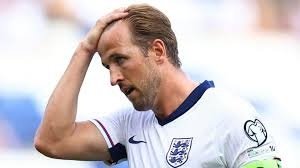 Former Lion Heskey Warns of Shortage of England Strikers
 Cardiff Nights Could Propel Wales to World Cup Glory
 Germany and Netherlands Confirm Places in 2026 World Cup
 Cristiano Ronaldo Joins Trump, Bin Salman at State Dinner
 Haiti Qualifies for World Cup Despite Coach Never Visiting Country
 Scotland Fans Celebrate Historic World Cup Qualification
 Major League Baseball Scores New Broadcast Deals Through 2028
 Rookie Driver Hollie McRae Flips Car but Walks Away Safe
 Chelsea Dominates Barcelona with 3-0 Champions League Win
 India, Pakistan to Clash in T20 World Cup 2026 Group Match
 Kids Football Coach Removed Over Suspected ‘Drugs Menu’
 Mbappe Scores 4 as Real Madrid Edge Olympiakos
 Man City Lose, Champions League Risk
 Barcelona, Atletico set for decisive La Liga showdown
 Maxwell withdraws from IPL 2026 after 13 seasons
 Barcelona Come From Behind to Beat Atletico 3-1
 Aston Villa Under Pressure as Newcastle Take on Hosts in Premier League Opener
 India Triumph in Dubai Amid Unexpected Twists
 Aston Villa Fight Back to End Winless Run with Convincing Victory over Fulham
 Bournemouth Stun Fulham with Dramatic Comeback in Premier League Thriller
 Arsenal Edge Past West Ham Amid Injury Concerns
 Chaos at Ibrox as Martin’s Rangers Era Comes to an End
 Arsenal Showcase Depth and Flexibility as Arteta Eyes Title Challenge
 Gibbs-White Inspires Forest to Thrilling Win Over Porto
 Manchester United triumph as Mbeumo brace seals thrilling win
 Hospice Cuts Raise Alarm Across England Amid Funding Crisis
 Wolvaardt’s Masterclass Fires South Africa into First World Cup Final
 Granit Xhaka Rescue Earns Everton Draw at Sunderland
 Bellingham has ‘the edge’ among England No 10s
 Man City Masterclass on Guardiola’s Milestone Day Exposes Liverpool Woes
 Britain deploys RAF specialists to assist Belgium with drone threats
 US Senate Passes Funding Bill to End Historic Shutdown
 VAR Must Rein Its Neck In to Save Football’s Spirit
 From Lego to Pokémon: How Adults Are Driving UK Toy Market Growth
 Shouting Works Best to Deter Gulls, UK Study Finds
 UK and Ireland Announce Venues for Euro 2028 Tournament
 PM Condemns Leaks, Vows Loyalty to Ministers and Stability
 Son Reveals UK Couple in Iran Resort to Hunger Strike for Help
 TalkTV Fires Mike Graham Over Racist Facebook Post
 US Justice Department Files Lawsuit Against California Over Partisan Voting Maps
 Israel Confirms Returned Hostage as Meny Godard
 Australia Mourns Paralympic Champion Paige Greco
 How Cultures Interpreted the Aurora Through History
 Orban Says Ukraine Has ‘No Chance’ as EU Support Continues
 Mother Watches in Horror as Teen Daughter Dies on Tracks
 Irish Hero Parrott Says Goal Brought First Tears in Years
 Seven Countries, One Winner: Europe’s Best Christmas Market
 Israeli Strike Kills 13 Near Palestinian Camp in Lebanon
 Zelensky Meets US Envoy in Turkey to Push Ukraine Peace Talks
 Commuters warned as yellow snow and ice alert hits Northern Ireland
 From heartbreak to glory: Scotland’s dramatic return to the World Cup
 US Judge Says Meta Did Not Hold Illegal Social Media Monopoly
 Serial Rapist and Former Cop Found Guilty Again
 Woman Meets Boy Whose Life She Saved with Kidney
 Pentagon Officials in Ukraine to Discuss War End
 Ex-Harvard President Pauses Teaching Over Epstein Emails
 Vietnam Battles Deadly Floods as Rains Continue
 Scottish Families Take Legal Action Over School CO Leak
 Venezuela Threatens Nobel Winner Machado with Fugitive Status
 At Least Three Dead in Bangladesh Earthquake
 Moyes Defends Gueye After Dramatic Everton Bust-Up
 Vicki Fears Losing Motability Car
 Israel Confirms Hamas Returned Dror Or’s Body
 Millions Face Higher Taxes Under Reeves New Budget
 Peers Get Extra Time to Debate Assisted Dying Bill
 Two National Guard Soldiers Critically Injured Near White House
 Sri Lanka Floods Leave 56 Dead, Dozens Missing
 India’s Labour Law Overhaul Sparks Fierce Debate
 Scotland Gains 33 New Towns – Life in Growing Communities
 Machynlleth High Street Left Without Christmas Lights
 Jordan Bardella: France’s Young Presidential Contender
 AI Actress Creator Says Tilly Norwood Won’t Replace Actors
 Search underway for British man overboard off Tenerife
 Pavarotti statue frozen in Italian ice rink sparks backlash