Published: 17 November 2025 Monday. The English Chronicle Desk. The English Chronicle Online
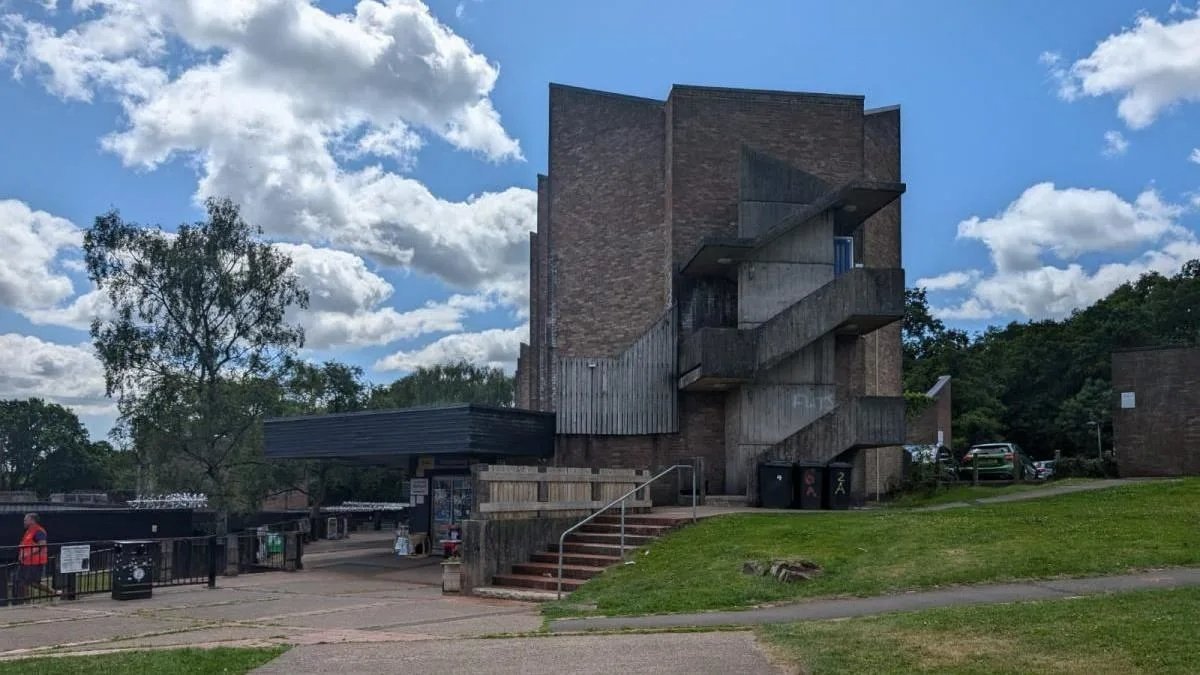
A shopping centre in Cwmbran was plunged into darkness for several weeks following the clocks going back, causing frustration and safety concerns for shopkeepers and residents alike. Fairwater Square, a hub for local businesses and shoppers, experienced prolonged periods of inadequate lighting after the clocks were set back on 26 October, leaving areas of the precinct pitch black well into the evening.
Rob Strinati, owner of the Fairwater Fish Bar, described the situation as “intimidating” and said the darkness posed a significant risk to both pedestrians and local businesses. Mr Strinati, who finishes work at 20:30 GMT, highlighted that the lighting system did not adjust for the shorter daylight hours, leaving large sections of the shopping centre in near-total darkness during early evening.
“If it actually is, as I presume, set to the summer lighting schedule, it still wouldn’t come on until about 9:30pm. But with the discrepancy in the hour, it most probably doesn’t come on until 10:30pm,” he explained. The problem persisted for 17 days, only being resolved on 12 November, leaving shopkeepers frustrated over the prolonged delay.
Mr Strinati claimed he made numerous phone calls and sent emails to the council’s property managers, who are responsible for maintaining the precinct. However, he said his complaints went unanswered for weeks. “In previous years, when the lighting had not been reset with the clocks going back, the council dealt with it quickly. This time, we received no response at all,” he added.
The lack of lighting created an unnerving environment for people visiting the centre in the early evening. “It is pitch black from around 4:30 to 5pm, and with wet leaves underfoot, it deters anyone from coming to the area. This is unfair to residents and shopkeepers who rely on foot traffic for their businesses,” Mr Strinati said. He also described walking around the precinct as “intimidating,” highlighting the real risks posed by the darkness.
The issue has also drawn attention from local officials. At a recent meeting, Fairwater councillor Rose Seabourne pointed out that clocks in the council chamber in Pontypool had not been put back, remaining an hour ahead. “If something as basic as clocks in the council offices are not updated, it demonstrates a lack of oversight that has real consequences for local communities,” she said.

Residents of Cwmbran also expressed their concerns over the lighting failure, noting that the darkness increased the sense of insecurity in the area. Many elderly residents and parents with children said they were hesitant to visit shops or walk through the precinct during the early evening, citing safety concerns. The lack of light made them feel vulnerable to accidents or crime.
Local businesses reported a noticeable decline in footfall during the period when the lighting remained off. “People are cautious about walking into a shopping centre that’s in darkness,” said Mr Strinati. “We rely on evening trade, especially during the darker months, and this incident directly impacted our earnings.” Some business owners described a “loss of confidence” among shoppers, adding that the failure to restore lighting promptly could have long-term effects on community trust in the council.
The incident in Fairwater Square is not isolated. Across the UK, councils and local authorities sometimes face challenges in updating lighting systems and other infrastructure following changes in daylight hours. Experts say that many systems are automated but require manual adjustments to account for daylight saving changes. Failure to do so can create safety hazards and disrupt daily life for residents and businesses alike.
Lighting engineers consulted by the English Chronicle explained that most municipal lighting systems rely on timers that can be preset for summer and winter schedules. “When the clocks go back, some systems need to be manually adjusted to ensure they match the shorter daylight hours. If this step is overlooked, areas can remain dark well past sunset,” said one engineer, speaking on condition of anonymity. He added that such oversights, while not uncommon, are particularly concerning in commercial areas where pedestrian safety is essential.
The delay in restoring lighting sparked calls from local community groups for improved monitoring and maintenance of public infrastructure. Residents emphasized the need for clearer communication from councils when issues arise. “People need to know what is being done and when they can expect a resolution,” said one local resident. “Ignoring the problem only increases anxiety and creates unnecessary risks.”
Safety concerns are not limited to the threat of crime. Wet leaves, uneven pavements, and other obstacles become harder to detect in low light, increasing the likelihood of slips, trips, and falls. Shopkeepers like Mr Strinati stressed that this adds to the urgency of ensuring proper lighting in commercial precincts. “We want people to feel safe coming here, and lighting is a basic but essential part of that,” he said.

Torfaen council has been approached for comment regarding the delay and the steps it is taking to prevent similar issues in the future. The council has yet to provide a detailed response, though it acknowledged that the lighting system had recently been restored. Community leaders hope that lessons will be learned from this incident to avoid further disruptions.
For the shopkeepers and residents of Fairwater Square, the experience has been a stark reminder of the importance of consistent municipal services, particularly as the UK moves into the darker months. “We understand that mistakes happen,” said Mr Strinati, “but it shouldn’t take more than two weeks for a basic safety feature like lighting to be fixed. People’s safety and well-being should always be the priority.”
As winter approaches and daylight hours continue to shorten, residents and business owners alike are urging councils to ensure that public areas remain adequately lit. Failure to address these issues promptly not only affects commerce but also public confidence in local governance.
In the meantime, shopkeepers like Mr Strinati are calling for clearer protocols and faster response times from council property managers. “This isn’t just about inconvenience,” he said. “It’s about safety, accessibility, and ensuring our community remains vibrant and welcoming, even as the nights grow longer.”
The incident has sparked wider discussions on the need for councils to implement automated systems that adjust seamlessly to daylight changes, or to establish rapid response teams to address lighting failures. Experts suggest that with proper planning, such issues can be avoided, ensuring that public spaces remain safe and welcoming for all users.
Fairwater Square is once again illuminated, but the lessons from this episode will likely resonate with local authorities across the UK, highlighting the critical role that simple infrastructure like lighting plays in everyday life. Residents and business owners hope that no community will face similar darkness in future, and that councils will be held accountable for ensuring public safety is never compromised.
Related News:
 Mother dies after black market weight loss injection
 Young Woman Missed 13 Times by GPs Before Bowel Cancer Diagnosis
 Derby Bounce Centre to Close Amid Car Park Dispute
 Peterborough Mosques Tighten Security After Attack
 Prunella Scales: From Fawlty Towers Icon to Beloved Canal Explorer
 Hospice Cuts Raise Alarm Across England Amid Funding Crisis
 Nearly 48,000 Zombie Knives Removed from UK Streets in a Year
 UK Woman Loses Child Benefit After Booking Flight She Never Took
 Prince Andrew Stripped of Title: Giuffre Family Hails Historic Moment
 UK launches search for first-ever ‘town of culture’ to highlight overlooked areas
 Experts Question HMRC Over Possible Child Benefit Privacy Breach
 Children to Learn Local History in Major Curriculum Overhaul
 Hollywood Is an Industry of Looney Tunes Pretending to Be Normal
 150-Year-Old Arctic Beer to Be Reborn in Scotland
 Experts Warn on Home Birth Risks, Call for Skilled Midwives
 Court Hears Challenge Over Water Bills Funding Sewage Fixes
 The Lowry Hotel: Manchester’s Iconic Five-Star Retreat
 Prince William Plants Trees with Brazil’s Nature Heroes
 Greta Thunberg Backs Student Facing UK Visa Revocation
 Kent village told to remove flags before Christmas lights go up
 Oprah enjoys Meghan’s jam on English muffins
 Experts Urge Legal Right to Timely Cancer Care
 Nicola Sturgeon Urges SNP to Oppose New Oil Fields
 Newcastle United Lifts Ban on Fan Over Gender-Critical Views
 British Grandmother to Return Home After Death Sentence in Bali
 NHS Takes Over Nuffield Hospital in ‘Windfall’ for London Care
 Jailed UK climate protesters face extremist-style restrictions
 Boris Johnson accused of undermining BBC leadership
 North Sea oil workers must lose weight or face job loss
 Crisis charity to become landlord amid UK housing emergency
 No link found between paracetamol in pregnancy and autism
 Tim Davie resigns as BBC director general amid bias claims
 Bar Council urges legal aid for all domestic abuse family cases
 How to get help when a child goes missing – call 999 urgently
 ‘Reckless’ cuts to victims’ services will cost more than they save
 The Debate Over Princess Beatrice and Eugenie’s Royal Status Intensifies
 UK Disability Pay Gap Means Millions Work for Free From Today
 Shouting Works Best to Deter Gulls, UK Study Finds
 Tim Davie Defends BBC Amid Bias Scandal Storm
 Reeves rejects £1bn plea for NHS redundancy payouts
 UK toy market enjoys bumper year as ‘kidults’ fuel demand
 NHS trust fined after woman takes life in mental health unit
 Politics latest: Starmer ‘will fight any leadership coup’ as Streeting denies attempt to oust Labour PM
 Leading doctors issue warning amid ‘bad’ flu season
 PM Condemns Leaks, Vows Loyalty to Ministers and Stability
 Son Reveals UK Couple in Iran Resort to Hunger Strike for Help
 Two in Three Women in UK Armed Forces Report Harassment
 Cold Snap Brings Snow Risk as Flood Recovery Continues
 Couple Win Damages Over Arrest Linked to WhatsApp Chat
 Crowborough Protest Over Plan to House 600 Asylum Seekers
 UK Asylum Overhaul Sparks Debate Over Human Rights and Deportations
 UK Asylum Reforms: Temporary Refugee Status and Faster Deportations
 Five Young People Killed in Tragic Dundalk Road Crash
 Mum Calls for New Licence Rules After Teen Road Death
 UK Schools Face Staff Exodus Amid Wellbeing Crash
 Mother Watches in Horror as Teen Daughter Dies on Tracks
 Witnesses Recall Tragedy as Couple Die in Flood
 ‘Traumatic Wait’: Northern Ireland Women Face Breast Cancer Delays
 Commuters warned as yellow snow and ice alert hits Northern Ireland
 PM Shares Emotional Letter to Son on Men’s Struggles
 Court to Hear Challenge to Wimbledon Expansion Plan
 Podcaster Faces Abuse Charges Over Controlling Behaviour
 Kate Forbes: Motherhood Harder Than Politics
 TikTok Star Jessie Yendle Mocked by KFC
 UK Energy Bills to Rise Slightly in January
 Coffins Now Too Large to Cremate Amid Rising Obesity Crisis
 Reeves to Crack Down on Benefit Fraud While Lifting Two-Child Limit
 Chef Skye Gyngell, Slow Food Pioneer, Dies Aged 62
 David Cameron Reveals Prostate Cancer Diagnosis, Advocates Screening
 DWP to Reassess Hundreds of Thousands in Carer Allowance Scandal
 Labour MP claims devolution bill is ‘blatant discrimination’ against Cornwall
 Rookie Driver Hollie McRae Flips Car but Walks Away Safe
 Planned Palestinian Flag Raising at Belfast City Hall Faces Delay Amid Legal Concerns
 Sudanese Family Vows to Stay After Racist Graffiti
 Fibromyalgia Patients Struggle as NHS Fails to Provide Care
 Machynlleth High Street Left Without Christmas Lights
 Second homes curbs quashed in Gwynedd legal ruling
 Search underway for British man overboard off Tenerife
 Virgin Media Fined £23.8m Over Telecare Safety Failures
 Thousands in Kent and East Sussex Still Without Water