Published: 20 November 2025 Thursday . The English Chronicle Desk. The English Chronicle Online
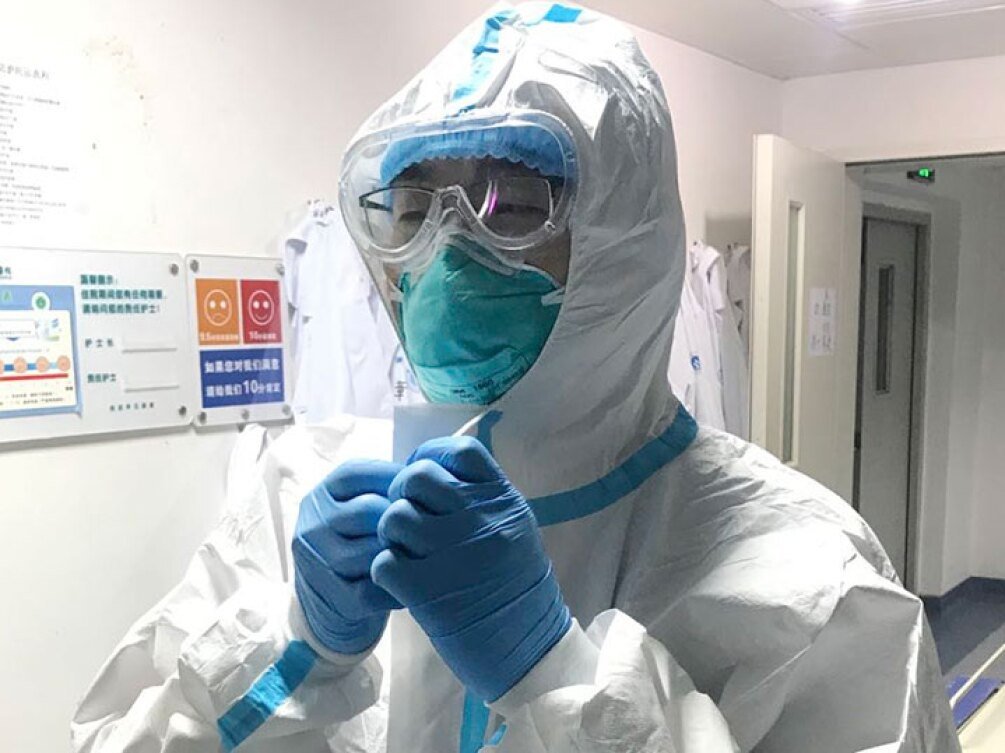
In an email sent to his wife during the height of the coronavirus pandemic, Dr Matt Morgan, a 40-year-old doctor working in intensive care at Cardiff’s University Hospital of Wales, wrote what he feared might be his final farewell. Titled “Things To Know In Case I Die”, the message outlined instructions for his family and reflected a life he described as “bloody wonderful,” despite the uncertainty surrounding his own survival.
“I have had a bloody wonderful life. I have found love, travelled, partied, had two amazing children, spent time with friends, family, and done things I had never dreamed of,” he wrote. It was a message filled with warmth, love, and resilience, capturing both the gratitude of a life well-lived and the fear of a frontline worker facing a deadly virus with limited knowledge, resources, and protection.
At the time, Wales, like the rest of the UK, was grappling with the first wave of Covid-19. Hospitals were overwhelmed, intensive care units stretched beyond capacity, and healthcare workers were confronting an invisible threat without vaccines or effective treatments. Dr Morgan, originally from Neath, recalls vividly the moment the first Covid patient arrived at the hospital, the anxiety of watching them placed on a ventilator, and the simultaneous concern for the patient’s family.
“The fear among staff was palpable,” he said in a reflection five years on. “We were unvaccinated, unprepared, but we did everything we could to save lives. I wrote everything I wanted to say to my wife, my parents, and my two daughters, who were just 13 and 16 at the time.”
Dr Morgan’s daughters are now teenagers, and he continues to grapple with the emotional toll of those early days. In his email, he left practical instructions for his wife, including internet passwords and notes on household matters, but also shared heartfelt guidance about grief and resilience. “Easier said than done, but don’t stay sad for too long. Remember the good times, the times we laughed, and the times we cried. Look at old photos, remember me on my birthday, but don’t stay sad too long. We only have one life, as I now realise. Go and live it.”

He even suggested a non-religious funeral service, with the addition of one prayer for his parents’ comfort, and requested that the song Nightswimming by R.E.M. be played, demonstrating the personal and thoughtful touches that reflected his character and his love for his family.
The email is part of the broader context of the UK Covid-19 inquiry, which is set to release its findings on the Welsh government’s handling of the pandemic. The second report of the inquiry will focus on political decisions taken in Cardiff, as well as in London, Edinburgh, and Belfast. Between 2020 and mid-2024, Wales recorded more than 12,000 Covid-related deaths, with 83 fatalities reported in a single day at the peak of the second wave in January 2021.
Dr Morgan, now 45, has since highlighted both the extraordinary efforts of healthcare staff and the remarkable development of vaccines in record time. Yet he also voices concern about the lack of preparedness for future pandemics. Wales, he notes, has some of the lowest intensive care bed numbers in Europe per head of population, a statistic that leaves the healthcare system vulnerable. “Of course, politics has to consider the bigger picture: long-term issues, the impact on businesses, schools, and society,” he said. “But it’s challenging when decisions need to be made without results for a decade or more. We need better planning for future health crises.”
The pandemic also profoundly affected the younger generation. Rhys Morgan, from Gowerton, Swansea, was just 16 and studying for his GCSEs when the pandemic began. Now 21, he is the youngest member of the Covid-19 Bereaved Families for Justice Cymru group. Rhys recalls the disruption, grief, and uncertainty he faced when his aunt, Lynne, who had been like a second mother to him, passed away due to Covid in December 2020.
“I couldn’t really make out what she was saying on her last call because of the breathing machine, but I knew she wanted me to know it was okay and that we could get through it,” Rhys recalled. “Then on Christmas Eve, my dad got the call to tell us she had passed. Dealing with that loss, and then trying to manage family life and Christmas, was incredibly difficult. It has left a long-lasting impact.”
Stories like Dr Morgan’s and Rhys’s highlight the human dimension of the pandemic: the anxiety, uncertainty, and emotional strain endured by both healthcare workers and bereaved families. Dr Morgan’s email is emblematic of the frontline experience, showing the personal sacrifices, fears, and moral weight carried by doctors, nurses, and staff as they navigated the unprecedented crisis.
The inquiry is also examining political decisions, healthcare capacity, and resource allocation. Critics have pointed to a lack of sufficient intensive care beds, delayed lockdown measures, and inconsistent public health guidance as areas that exacerbated the impact of Covid-19 in Wales. The upcoming report will shed light on how these choices influenced the course of the pandemic and what lessons can be learned for future public health emergencies.

Dr Morgan’s reflections underscore the importance of recognising the human cost of healthcare crises. Beyond statistics and policy, there are families, individuals, and frontline workers who bore the brunt of the pandemic’s effects. His message to his family remains a poignant reminder of the fragility of life and the enduring value of love, resilience, and human connection.
Despite the fear and uncertainty of those early days, Dr Morgan celebrates the extraordinary efforts of his colleagues, the resilience of his patients, and the remarkable speed with which vaccines were developed. He believes that while politics must weigh a multitude of factors, the health system itself must be better equipped, with adequate resources, training, and preparedness, to prevent future loss of life on such a scale.
For families like Rhys Morgan’s, the pandemic was a deeply personal tragedy that disrupted education, relationships, and milestones. The grief experienced by young people, who lost relatives during formative years, will continue to shape their perspectives and lives for years to come. The inquiry’s report will not only examine institutional and governmental responses but also the societal repercussions of the pandemic, highlighting the urgent need for policies that prioritise both safety and mental health.
Dr Morgan’s email, now public, has touched many across Wales and the UK. It is a testament to courage, foresight, and the deep bonds of family. “We only have one life,” he wrote, urging loved ones to remember joy, embrace memories, and continue living fully, even amidst tragedy. His story, alongside those of countless families affected by Covid, serves as both a personal reflection and a call for accountability, preparedness, and humanity in the face of public health crises.
Related News:
 Hospice Cuts Raise Alarm Across England Amid Funding Crisis
 Seven Conditions That Automatically Qualify You for a Free Bus Pass
 Shouting Works Best to Deter Gulls, UK Study Finds
 Woman Meets Boy Whose Life She Saved with Kidney
 Vicki Fears Losing Motability Car
 Five-Year-Old Dies After Rare Tonsil Surgery Complication
 More Patients Now Contacting GPs Online, Data Shows
 Verbal Abuse in Childhood Linked to Greater Risk of Poor Mental Health in Adulthood, New Study Reveals
 Women Challenge Meta Over Targeted Ads After Miscarriage
 Mother dies after black market weight loss injection
 Young Woman Missed 13 Times by GPs Before Bowel Cancer Diagnosis
 Man Trapped in Quicksand Rescued in Dramatic Coastal Rescue
 Derby Bounce Centre to Close Amid Car Park Dispute
 Morning-After Pill Now Free Across England’s Pharmacies
 Experts Warn on Home Birth Risks, Call for Skilled Midwives
 Experts Urge Legal Right to Timely Cancer Care
 NHS Takes Over Nuffield Hospital in ‘Windfall’ for London Care
 North Sea oil workers must lose weight or face job loss
 Crisis charity to become landlord amid UK housing emergency
 No link found between paracetamol in pregnancy and autism
 NHS frontline staff forced to cover gaps as managers remain scarce
 From Lego to Pokémon: How Adults Are Driving UK Toy Market Growth
 Understanding Missing Children: Facts vs. Myths
 UK Disability Pay Gap Means Millions Work for Free From Today
 Reeves rejects £1bn plea for NHS redundancy payouts
 NHS trust fined after woman takes life in mental health unit
 Leading doctors issue warning amid ‘bad’ flu season
 New Research Explains Severe Diabetes in Children
 PM Condemns Leaks, Vows Loyalty to Ministers and Stability
 Son Reveals UK Couple in Iran Resort to Hunger Strike for Help
 Working-Class Men with Prostate Cancer Left Behind by NHS
 Two in Three Women in UK Armed Forces Report Harassment
 Senator John Fetterman Hospitalized After Fall from Heart Flare-Up, Keeps Sense of Humor
 Bataclan Anniversary: France Remembers but Jihadist Danger Lingers
 UK Asylum Reforms: Temporary Refugee Status and Faster Deportations
 Five Young People Killed in Tragic Dundalk Road Crash
 New Campaign Trains Vets to Spot Farmers’ Health Risks
 Owner Hits Out at Amazon After Pet Hurt During Delivery
 Stroke Patient Mistaken for Drunk, Care Delayed
 Mother Watches in Horror as Teen Daughter Dies on Tracks
 107-Year-Old Veteran Credits Whiskey for Longevity
 Stop Phone Habits From Sabotaging Your Relationships
 Seven Countries, One Winner: Europe’s Best Christmas Market
 Mum and Three Children Killed in Jealous Ex’s Fire
 Van Dwellers Face Eviction After Park Misuse Sparks Outcry
 ‘Traumatic Wait’: Northern Ireland Women Face Breast Cancer Delays
 Commuters warned as yellow snow and ice alert hits Northern Ireland
 Paramilitary Murals and Memorials Persist on Public Housing Land
 Healthy Habits in Your 30s That Boost Life in Your 70s
 Court to Hear Challenge to Wimbledon Expansion Plan
 Snow and Ice Cause Travel Chaos in North Yorkshire
 Senedd Suspends Politician Over Offensive Racial Slur
 Raccoons Could Become America’s Next Pet
 Australia to Ban Social Media for Kids Under-16 Starting December
 Director Michael Caton-Jones Reflects on Career and Beginnings
 Scottish Families Take Legal Action Over School CO Leak
 TikTok Star Jessie Yendle Mocked by KFC
 UK Energy Bills to Rise Slightly in January
 South African Women Call Purple Protest Over Gender Violence
 Coffins Now Too Large to Cremate Amid Rising Obesity Crisis
 David Cameron Reveals Prostate Cancer Diagnosis, Advocates Screening
 Inquiry Opens Into Disgraced Surgeon Eljamel Scandal
 Rookie Driver Hollie McRae Flips Car but Walks Away Safe
 Planned Palestinian Flag Raising at Belfast City Hall Faces Delay Amid Legal Concerns
 Sudanese Family Vows to Stay After Racist Graffiti
 Delhi’s Toxic Air Crisis Leaves Children Sick and Vulnerable
 Australians Angry as BOM Website Revamp Backfires
 Fibromyalgia Patients Struggle as NHS Fails to Provide Care
 Scotland Gains 33 New Towns – Life in Growing Communities
 Machynlleth High Street Left Without Christmas Lights
 Second homes curbs quashed in Gwynedd legal ruling
 Fury After Hong Kong’s Deadliest Fire in Decades
 Europe, North America face early wave of bird flu
 Southeast Asia floods claim 241 lives, rescue efforts continue
 Search underway for British man overboard off Tenerife
 Hong Kong Orders Probe Into Deadly 151-Death Fire
 UK Criticises Gaza Aid Delays as Tents Arrive After Year
 Pavarotti statue frozen in Italian ice rink sparks backlash
 Delhi’s Toxic Air Drives Spike in Respiratory Illnesses
 7 Travel Trends Set to Shape 2026 Adventures