Published: 27 November 2025 Thursday. The English Chronicle Desk. The English Chronicle Online.
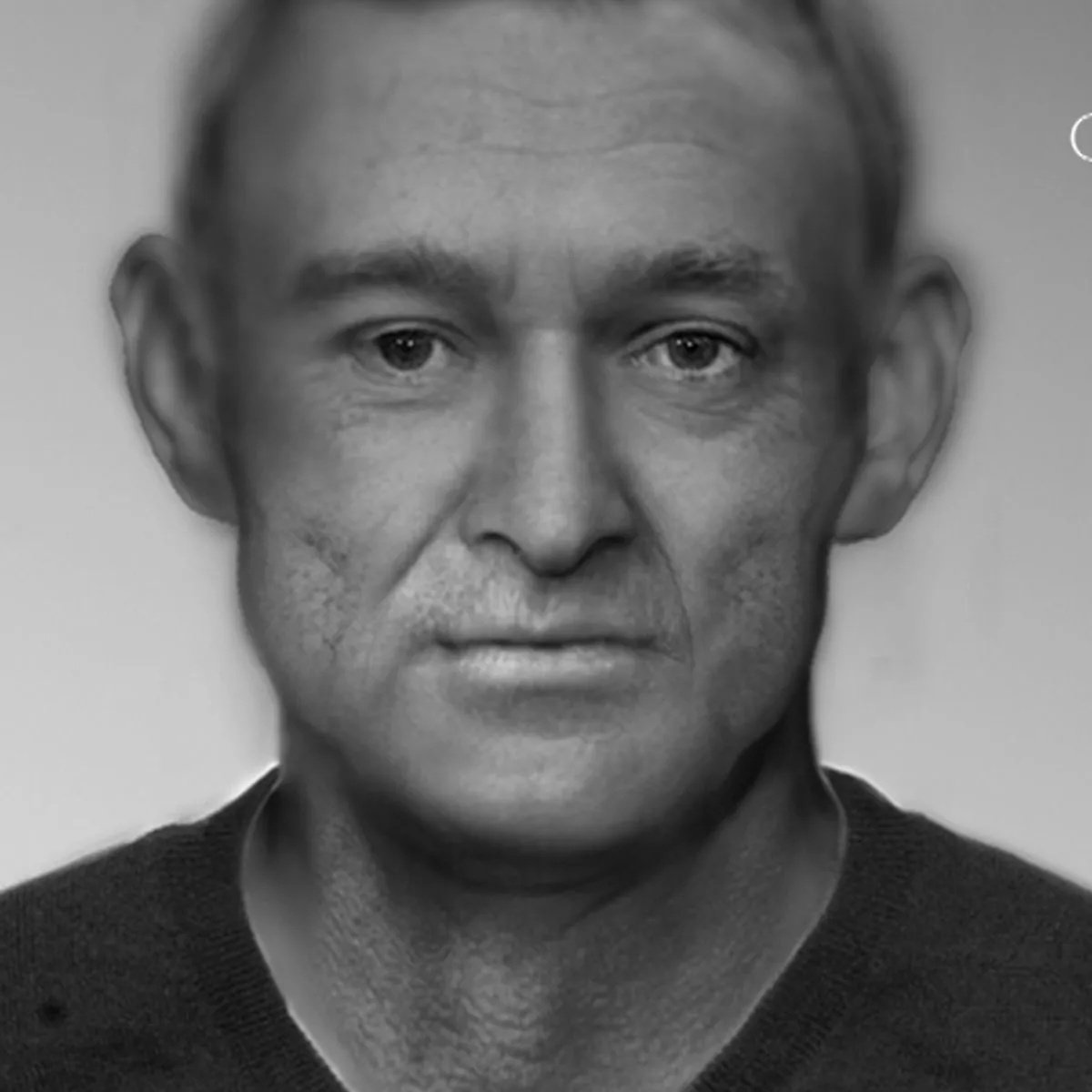
A decade-old murder case in North Wales is being revisited in the hope of finally identifying a man whose remains were discovered in a remote forest. The body, found in Clocaenog Forest in Conwy county, has remained unidentified despite extensive investigations, leaving both the community and police seeking answers for more than ten years.
In November 2015, two brothers camping in Clocaenog Forest, near Pentrellyncymer and Cerrigydrudion, made a grim discovery: part of a man’s skull protruding from the forest floor. Their report to the authorities prompted a police investigation, which soon revealed a complete skeleton. Forensics determined that the man had suffered serious head trauma and that his remains had been in the forest for several years, potentially dating back as far as 2004.
Despite numerous appeals to the public, forensic tests, and the collaboration of national experts, the man’s identity remained elusive. North Wales Police has now announced a review of the case, led by their newly formed Major Crime Review Team, in partnership with the National Crime Agency (NCA) and other specialists across the UK.
A spokesperson for North Wales Police said: “We can confirm an investigation into a body found in Clocaenog Forest in November 2015 is being reviewed by North Wales Police’s Major Crime Review Team. The team of detectives is working with the National Crime Agency and a leading team of specialists across the country to help identify the man.”
The victim’s remains were initially discovered in an area commonly used by campers and hikers attending the Wales Rally GB. While the site is remote and forested, it is accessible enough that the discovery by the brothers shocked local communities and raised concerns about a possible violent crime that had gone unsolved for years.

Forensic analysis estimated that the man was over 54 years old at the time of his death and measured between 5ft 8in (172cm) and 5ft 10in (177cm) tall. Examinations revealed that his nose had been fractured at some point in his life, and he suffered from arthritis. Investigators also noted identifiable dental work, specifically crown procedures performed between 1980 and 2000 in the UK, which prompted a nationwide appeal to dental professionals for assistance in identifying him.
In 2016, authorities issued requests to dentists across the country, seeking anyone with records that matched the victim’s dental work. Despite this effort, the man’s identity could not be confirmed, and the case eventually became a cold file, leaving unanswered questions about who he was, how he came to be in Clocaenog Forest, and the circumstances of his death.
The new review aims to bring fresh perspectives, updated forensic techniques, and modern investigative methods to the case. Experts are expected to use advancements in DNA analysis, facial reconstruction, and genealogical databases to identify the victim and potentially link the crime to known suspects.
Detective Inspector Rhys Griffiths, overseeing the review, emphasised the significance of the investigation: “Cases like this, where a victim has remained unidentified for so long, present unique challenges. However, modern technology and dedicated forensic expertise give us renewed hope that we can finally provide closure to the victim’s family and bring justice in this longstanding case.”
The Clocaenog Forest case has long intrigued both the public and true-crime enthusiasts. The combination of a remote location, a body hidden for years, and the lack of identifying information has made it one of North Wales’ most enduring unsolved mysteries. Community members have expressed hope that the renewed investigation could finally reveal the identity of the victim and uncover the circumstances surrounding his death.
Over the years, police have explored multiple theories, ranging from accidental death to foul play. The discovery of serious head trauma suggests that the man may have been murdered, although the passage of time and the exposure of his body to environmental elements complicated forensic conclusions.
Efforts to identify him have included appeals for missing persons, cross-referencing dental records, and consultation with forensic anthropologists and pathologists. However, despite these extensive efforts, the victim remained anonymous, leaving the case unresolved and the community unsettled.

The Major Crime Review Team intends to re-examine every piece of evidence, including forensic reports, field notes, and photographic records from the initial investigation. They will also explore digital methods, including mapping software to assess possible travel routes and historical activity in the forest, as well as revisiting witness statements and public tips from the original investigation.
Investigators hope that the integration of modern technology with traditional detective work may provide breakthroughs. DNA phenotyping, which can estimate physical traits and ancestry from genetic material, and genealogical databases may offer potential leads that were unavailable a decade ago. Additionally, enhanced facial reconstruction techniques may allow the creation of an accurate image of the victim, which could be distributed to the public to aid identification.
North Wales Police has urged anyone who may have information, whether from personal experiences in the forest, historical encounters, or knowledge of the victim, to come forward. Even minor details, they stress, could prove crucial in helping to solve the case.
The review also demonstrates the commitment of law enforcement agencies to revisit cold cases and apply new investigative approaches to ensure that victims of violent crime are not forgotten. The collaboration with the National Crime Agency and other national specialists highlights the seriousness with which authorities are treating this case.
Community leaders have welcomed the review, emphasising the importance of resolving such cases for the wider public. “Identifying this man is not just about solving a decade-old mystery; it’s about justice, accountability, and providing closure,” said local councillor Megan Hughes. “It reminds us that even long-forgotten cases deserve attention and that modern forensic science can make a real difference.”
As the review progresses, there is cautious optimism among law enforcement, local residents, and true-crime observers that the man’s identity can finally be determined. Should the victim be identified, it may open new avenues in the investigation, potentially leading to charges against those responsible and resolution for what has been a tragic, unexplained death in Clocaenog Forest.
In summary, the Clocaenog Forest murder case represents a significant challenge for investigators due to the passage of time and the lack of identifying information. However, advances in forensic technology, combined with a dedicated review by North Wales Police and the National Crime Agency, offer hope that the man’s identity will soon be revealed. The renewed investigation underscores the ongoing commitment to justice and the potential of modern science to solve even the most challenging cold cases.
Related News:
 Mother dies after black market weight loss injection
 Peterborough Mosques Tighten Security After Attack
 Badenoch Warns Farage’s Grooming Gangs Plan Could Backfire
 Five More Prisoners Freed by Mistake in Essex Week
 Nearly 48,000 Zombie Knives Removed from UK Streets in a Year
 Prince Andrew Stripped of Title: Giuffre Family Hails Historic Moment
 Afghan man charged with murder after west London knife attack
 Reform Councillor Defects to Tories Over ‘Uncomfortable’ Policies
 FBI Director Kash Patel Defends Girlfriend Amid Government Jet Claims
Trump Speaks on Prince Andrew’s Royal Scandal Fallout
FBI Director Kash Patel Defends Girlfriend Amid Government Jet Claims
Trump Speaks on Prince Andrew’s Royal Scandal Fallout
 Man Charged Over Cambridgeshire Train Stabbing
 Police Probe Four Knife Incidents Linked to Cambridgeshire Train Attack
 French Taxi Driver Cleared in David Lammy Theft Case After Fare Dispute
 UK Bans Fake Numbers: Scammers Lose Their Trick
 Just Stop Oil Protesters Convicted Amid Climate Defence Row
 Company linked to Michelle Mone owes £39m in tax
 Prison sentencing reforms expected to raise crime by up to 6%, police warn
 Met Police Culture Makes Racial Harm ‘Inevitable’
 Southport Inquiry: Killer’s Parents Must Face Accountability
 British Grandmother to Return Home After Death Sentence in Bali
 Eleven Arrested After Pro-Palestine Protest at Villa Match
 Jailed UK climate protesters face extremist-style restrictions
 Bar Council urges legal aid for all domestic abuse family cases
 How to get help when a child goes missing – call 999 urgently
 ‘Reckless’ cuts to victims’ services will cost more than they save
 Shook the ground under my feet: Panic as car blast hits near Delhi’s Red Fort
 Madeleine McCann Suspect Forced into Woodland Hideout After Release
 British state supplied victims to ‘worst sex offender in history’
 New Epstein Files Spark Political Clash in Washington
 Sydney Pair Accused of Running Multimillion-Dollar Scam
 South Korea’s Jeju Island Faces Rising Tide of Illicit Drugs
 Ukraine Energy Corruption Scandal Hits Zelensky’s Inner Circle
 ‘Fever Pitch’ Screaming: Red Flags Before Sara Sharif’s Death
 Oklahoma Governor Grants Last-Minute Clemency to Death Row Inmate
 Rio Raid’s Death Toll Raises Questions About Gang Impact
 Israel Confirms Returned Hostage as Meny Godard
 ‘Fake Admiral’ Sparks Outrage at Remembrance Event
 Delhi Car Bomb Arrest: Suspect Linked to Deadly Attack
 Jurors Visit Beach Where Queensland Murder Victim Found
 New Evidence Emerges in Haditha Family Killings
 Criminal Gangs Pose as Truckers to Hijack UK Supply Chains
 UK Candidate Moved to Safe House After Election Threats
 Ex-PM Hasina Gets Death Penalty for Crimes Against Humanity
 Paralegal Fired After Exposé on Illegal Worker Scam
 Dan Wootton Rejects Catfishing Allegation in Court
 Mother Watches in Horror as Teen Daughter Dies on Tracks
 Charlotte Raids: 130 Arrested in Major Immigration Sweep
 South African Detained After Neo-Nazi Rally in Australia
 Convicted Killer Challenges Vegemite Ban Behind Bars
 The Lasting Legacy of Seven: Crime, Morality, and Urban Decay
 Newport Man Left Injured After Electric Bike Collision
 Myanmar Military Busts Thai Border Scam Hub, 346 Arrested
 Teens ‘Ran Amok’ at Ex-MP’s Covid Testing Firm
 Serial Rapist and Former Cop Found Guilty Again
 Man Charged Over Attempted Murder of Senior Officer
 Two Officers Injured After Van Deliberately Rams Patrol Car
 Podcaster Faces Abuse Charges Over Controlling Behaviour
 Man Denies Stealing Bronze Age Gold from Museum
 Ex-Olympian Snowboarder Now Drug Kingpin Charged with Murder
 WhatsApp Messages Expose Nathan Gill’s Bribery
 Venezuela Threatens Nobel Winner Machado with Fugitive Status
 Police Name Woman Who Died in Swindon as Murder Probe Continues
 Swindon Counsellor Dies; Teen Arrested and Released
 Gardener Guilty of Brutal Attack on Teacher Partner
 Ex-Classmate Accuses Farage of Dishonesty on Racism Claims
 15-Year-Old Arrested After Sheffield Shooting Leaves Teen Critical
 Runaway Driver Caught by DNA Evidence
 Trump Envoy to Discuss Ukraine Peace at Kremlin
 Twenty-Four Nigerian Schoolgirls Freed After Abduction
 Sudanese Family Vows to Stay After Racist Graffiti
 Two National Guard Soldiers Critically Injured Near White House
 Southern Lebanon reels as Israeli strikes shatter communities
 Video shows Israeli troops kill Palestinians after surrender
 Ex-Brexit MEP Rejects Claim of Pro-Russia Payments
 Man Arrested Over Manchester Synagogue Terror Attack
 Guinea-Bissau President Flees After Military Coup
 Kidnap Gangs, Jihadists and Separatists Plague Nigeria
 Rare shark attack kills woman, injures man at remote NSW beach
 Twelve Prisoners Released in Error, Two Still Missing
 Man Swallows $19K Fabergé Egg Pendant in Theft