Published: 28 November 2025 Friday. The English Chronicle Desk. The English Chronicle Online
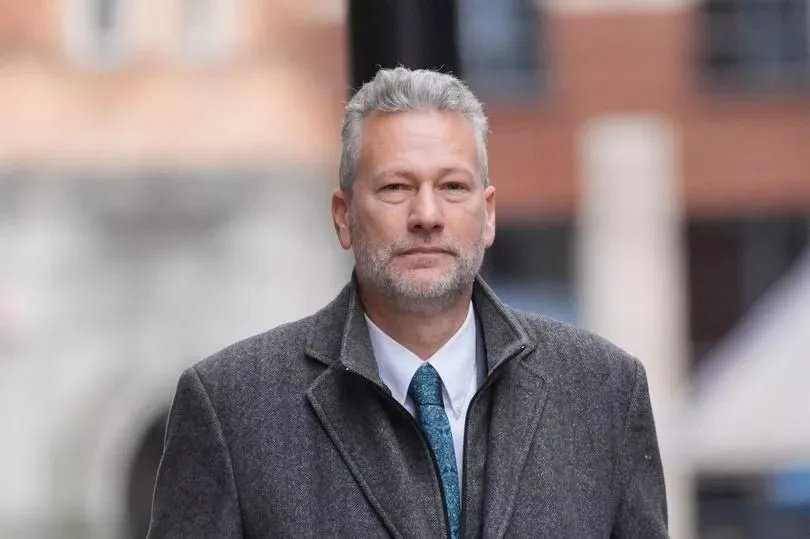
David Coburn, a former Brexit Party MEP and one-time leader of UKIP Scotland, has strongly denied taking any money linked to a pro-Russian influence effort in the European Parliament. His name appears in WhatsApp exchanges between disgraced ex-MEP Nathan Gill and Oleg Voloshyn, a Ukrainian politician sanctioned by the UK and US for alleged ties to Russian intelligence operations.
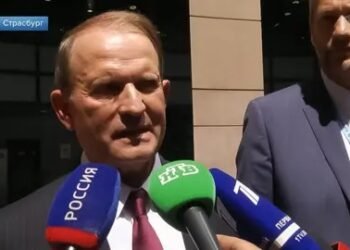
The messages came to light during Gill’s sentencing at the Old Bailey last week, where the former Wales leader of the Brexit Party—now Reform UK—received a ten-and-a-half-year prison term. Gill admitted eight counts of bribery after taking payments to deliver speeches and interviews promoting narratives favourable to the Kremlin, particularly through two Ukrainian broadcasters tied to Putin ally Viktor Medvedchuk.
Coburn, who served alongside Gill in the European Parliament from 2014 to 2019, was approached by the BBC at his home in rural France. Asked directly whether he had ever been paid to support pro-Russian messaging, he replied simply: “No.” He declined further questions, including why his name appeared in documents submitted by the Crown Prosecution Service. The BBC has found no evidence that Coburn received or was directly offered money.
The CPS documents reveal that Voloshyn allegedly set aside $6,500—around £5,000—for another MEP identified only as “D” or “David.” Messages dated April 2019 show Gill asking about the amount intended for this unnamed MEP, with Voloshyn confirming a portion of the money was already in Gill’s possession. Investigators believe “David” refers to Coburn, the only MEP of that name linked to the broadcasters’ so-called “editorial board.”

The exchanges were uncovered when counter-terrorism police seized Gill’s phone at Manchester Airport in 2021. He had been en route to Moscow for a conference when he was stopped. Officers later said Gill used his leadership role within UKIP and the Brexit Party to bring other MEPs into pro-Russian media environments, even though those individuals were not aware he was being bribed.
Coburn and fellow former MEP Jonathan Arnott had previously visited the pro-Russian channels 112 Ukraine and NewsOne in 2018 and spoke in their defence during a European Parliament debate. Both echoed claims that Ukrainian authorities were suppressing media freedom—arguments that aligned closely with Russian propaganda about Kyiv. Arnott has insisted he was never offered a bribe and said any suggestion he was acting for Russia is “nonsensical.”
Medvedchuk, believed by the CPS to be the ultimate source of the funds, is a longstanding ally of Vladimir Putin whose daughter counts the Russian president as her godfather. Both Medvedchuk and Voloshyn have since been sanctioned for attempts to destabilise Ukraine. The broadcasters at the heart of the scheme were shut down by Ukraine in 2021 under President Volodymyr Zelensky.

The court heard that Gill used his influence to secure interviews with multiple MEPs for the pro-Russian channels. Police say the conversations on his phone indicate that money was also earmarked “for other individuals,” though no evidence shows others knowingly participated in bribery. The Metropolitan Police confirmed that no further arrests have been made but said the investigation remains active.
The revelations have triggered renewed calls for political accountability. UK Prime Minister Keir Starmer urged Reform UK leader Nigel Farage—Gill’s former party chief—to “urgently investigate” any other potential Russian links. Farage responded that he is confident no other members engaged in wrongdoing but stressed that he is “not a police force” and cannot conduct such inquiries himself. He instead called for a broader MI5-led investigation into foreign interference in British politics, including from both Russia and China.
Reform UK issued a statement emphasising that Coburn has “no involvement” with the party in its current form. However, the allegations have cast a shadow over past relationships within the Brexit Party and UKIP, reigniting debates about the vulnerability of UK politics to covert influence campaigns.
The ongoing police investigation, combined with the increasingly detailed picture emerging from Gill’s messages, continues to raise questions about the scale and intent of Russian attempts to manipulate European political discourse. As further evidence surfaces, the scrutiny surrounding former MEPs—particularly those linked to Gill—appears far from over.
Related News:
 Ex-Classmate Accuses Farage of Dishonesty on Racism Claims
 UK Police to Gain New Powers to Manage Repeated Protests, Home Office Announces
 It’s time to come clean on the China spy case
 Out of reach: stalled newbuilds leave Labour’s social housing targets in tatters
 Reform Councillor Defects to Tories Over ‘Uncomfortable’ Policies
 FBI Director Kash Patel Defends Girlfriend Amid Government Jet Claims
 French Taxi Driver Cleared in David Lammy Theft Case After Fare Dispute
 Who is Rama Duwaji? What Zohran Mamdani’s wife has said about Gaza and ICE as he’s elected NYC mayor
 Company linked to Michelle Mone owes £39m in tax
 Met Police Culture Makes Racial Harm ‘Inevitable’
 Eleven Arrested After Pro-Palestine Protest at Villa Match
 Boris Johnson accused of undermining BBC leadership
 Remaining rebel Labour MPs have whip restored
 Second world war veterans honoured as King leads Remembrance Sunday
 ‘Reckless’ cuts to victims’ services will cost more than they save
 BBC Faces Backlash as Reform UK Withdraws from Film
 Wes Streeting Denies Leadership Plot Against Starmer
 British state supplied victims to ‘worst sex offender in history’
 PM Condemns Leaks, Vows Loyalty to Ministers and Stability
 UK Asylum Reforms: Temporary Refugee Status and Faster Deportations
 UK Candidate Moved to Safe House After Election Threats
 Mother Watches in Horror as Teen Daughter Dies on Tracks
 UN Security Council Approves Trump’s Gaza Peace Plan
 South African Detained After Neo-Nazi Rally in Australia
 Minister Defends Tough New Asylum Reform Plan
 UK Net Migration Falls Sharply After ONS Revisions
 UK Vulnerable to Attack, Defence Committee Finds
 Rama Rebukes Mahmood for Targeting Albanian Families
 Russian Vessel Used Lasers on RAF Pilots, UK Claims
 MP Offers Seat to Help Burnham Challenge Starmer
 Serial Rapist and Former Cop Found Guilty Again
 Trump Slams Democrats With ‘Seditious’ Death Claim
 WhatsApp Messages Expose Nathan Gill’s Bribery
 Venezuela Threatens Nobel Winner Machado with Fugitive Status
 Most Tories Expect to Support a Farage-Led Government
 BBC Chairman Faces Scrutiny Over Bias Claims
 English Mayors Set to Introduce Tourist Taxes
 15-Year-Old Arrested After Sheffield Shooting Leaves Teen Critical
 Inquiry Opens Into Disgraced Surgeon Eljamel Scandal
 Trump Envoy to Discuss Ukraine Peace at Kremlin
 Millions Face Higher Taxes Under Reeves New Budget
 Peers Get Extra Time to Debate Assisted Dying Bill
 Planned Palestinian Flag Raising at Belfast City Hall Faces Delay Amid Legal Concerns
 Sudanese Family Vows to Stay After Racist Graffiti
 UK Military Chiefs Warn Funding Gap Threatens Defence
 Video shows Israeli troops kill Palestinians after surrender
 Labour U-turn: Unfair Dismissal Rights Delayed Six Months
 Man Arrested Over Manchester Synagogue Terror Attack
 Government righting decades-old injustice for miners
 Guinea-Bissau President Flees After Military Coup
 Ukraine Anti-Corruption Agents Search Zelensky Adviser
 Jordan Bardella: France’s Young Presidential Contender
 Twelve Prisoners Released in Error, Two Still Missing
 Kent Reform Councillors Criticised Over Political Staff Spending
 Urgent Action Needed on Windrush Compensation as Survivors Speak of “Waiting to Die”
 Army Barracks to House Migrants as Hotels Phase Out
 Peterborough Mosques Tighten Security After Attack
 Hospice Cuts Raise Alarm Across England Amid Funding Crisis
 Green Party Surges Past Labour in Latest UK Poll
 Trump’s UK Ambassador Urges North Sea Drilling to Strengthen US Ties
 UK Bans Fake Numbers: Scammers Lose Their Trick
 Britain deploys RAF specialists to assist Belgium with drone threats
 Millionaires group urge Reeves to introduce wealth tax to ‘lift kids out of poverty’
 Shouting Works Best to Deter Gulls, UK Study Finds
 Reeves rejects £1bn plea for NHS redundancy payouts
 Major Rent Reform Ends No-Fault Evictions in England
 Greene Pushes Epstein Files Amid Trump Fallout
 December Run-Off in Chile as Election Produces No Winner
 Criminal Gangs Pose as Truckers to Hijack UK Supply Chains
 Stroke Patient Mistaken for Drunk, Care Delayed
 Van Dwellers Face Eviction After Park Misuse Sparks Outcry
 Shadow Fleet at Sea: Europe’s Battle Against Illicit Oil Shipping
 Deadly Russian Strikes Hit Western Ukraine, 20 Killed in Ternopil
 Inside the Helpline Protecting Missing Children in the UK
 Runaway Driver Caught by DNA Evidence
 Georgians Defy Government Crackdown After Year of Protests
 US National Guard Member Killed in DC Shooting
 Search underway for British man overboard off Tenerife
 EU plans $105bn Ukraine aid using frozen Russian assets
 Culture secretary to review Telegraph takeover by Daily Mail owner