Published: 28 November 2025 Friday. The English Chronicle Desk. The English Chronicle Online
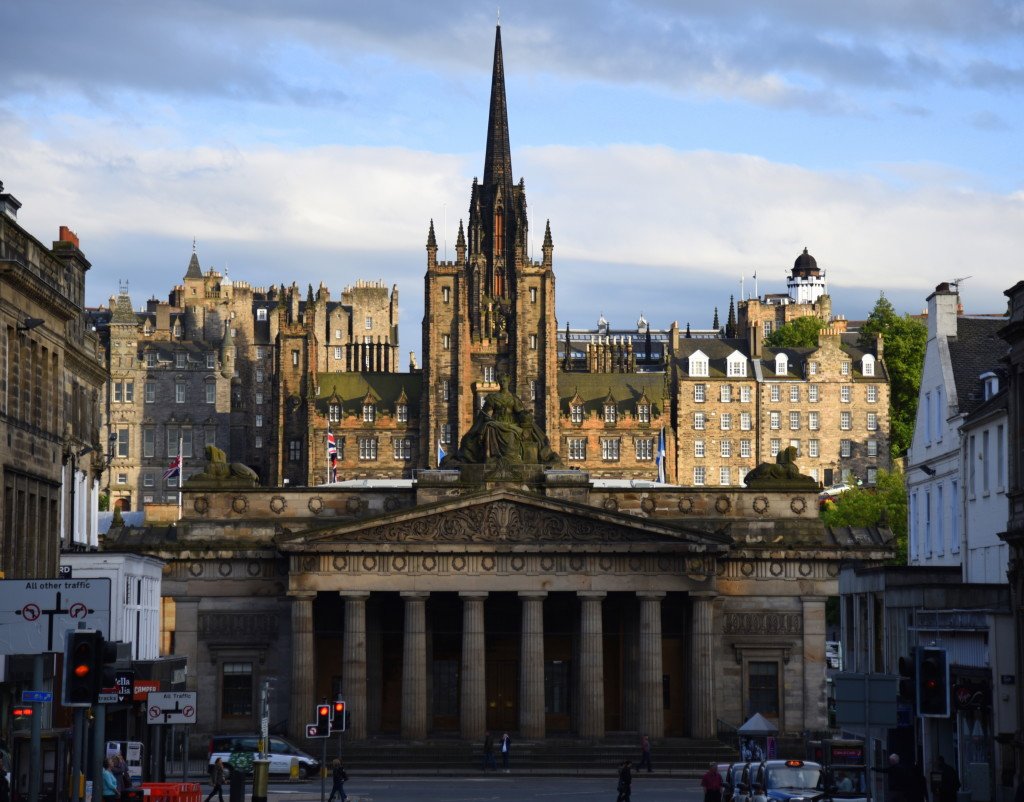
Scotland has seen a surge in the number of towns, with 33 former villages reclassified over the past 11 years due to population growth and new housing developments. Data from Understanding Scottish Places (USP) shows that Scotland now has 509 towns, up from 479 in 2014, reflecting shifts in demographics and community expansion.
Aberdeenshire leads the growth with five new towns, followed by Fife with four, and three each in Angus, Highland, and the Borders. While some, like Countesswells near Aberdeen, are purpose-built, others have grown naturally, often within commuting distance of larger cities. Conversely, several areas such as Findochty in Moray and Gowkthrapple in North Lanarkshire have fallen off USP’s list, illustrating the fluidity of town classification.
The transformation has had tangible effects on local life. In Tarves, Aberdeenshire, the population has grown to over 1,000, shifting its status from a village to a town. Residents like Edyta and Lukasz Kranz, who moved from Poland, appreciate the combination of community charm and increased activity. They operate the Murly Tuck café, a local establishment that retains its traditional name, and have noticed a positive impact on business as more families move into the area.

“It is a bit busier, definitely, more people,” said Edyta. “But it still has that village feel. Tarves is known as a good community and the people are very welcoming.” Her husband Lukasz agreed that the town’s proximity to larger cities makes it an ideal place to settle while maintaining a quiet lifestyle.
Long-term residents have also observed the changes. Morag Davidson, 68, noted that the town has expanded significantly with new housing, while Joyce Duncan, 75, believes a growing population provides more opportunities for social interaction among older residents. Stacey Barr, a freelance graphic designer, welcomed the transition, emphasizing that increased population brings economic benefits to the town.

Across Scotland, towns with populations between 1,000 and 50,000 now house 53.8% of the population, indicating that mid-sized towns are becoming a central feature of Scottish life. The expansion of these communities reflects broader social and economic trends, including the desire for accessible housing, proximity to work, and strong local connections.
While the change in status may bring concerns for some residents about the loss of village identity, many see it as a positive development, introducing new energy, services, and business opportunities while preserving the close-knit character that defines small-town Scotland.
The evolving landscape highlights the dynamic nature of Scottish settlements, where growth, investment, and community spirit intersect to create vibrant towns for the 21st century.
Related News:
 Shouting Works Best to Deter Gulls, UK Study Finds
 Seven Countries, One Winner: Europe’s Best Christmas Market
 Search underway for British man overboard off Tenerife
 Lisbon’s Historic Funicular Turns to Tragedy: The Elevador da Glória Derailment
 Derby Bounce Centre to Close Amid Car Park Dispute
 Hospice Cuts Raise Alarm Across England Amid Funding Crisis
 UK launches search for first-ever ‘town of culture’ to highlight overlooked areas
 UK Charters Emergency Flights to Evacuate Britons from Jamaica
 The Lowry Hotel: Manchester’s Iconic Five-Star Retreat
 World Whisky Tour: 9 Global Gems
 From Lego to Pokémon: How Adults Are Driving UK Toy Market Growth
 Seven Conditions That Automatically Qualify You for a Free Bus Pass
 A Local Chef’s Guide to Iconic Boston Clam Chowder
 PM Condemns Leaks, Vows Loyalty to Ministers and Stability
 Son Reveals UK Couple in Iran Resort to Hunger Strike for Help
 Two in Three Women in UK Armed Forces Report Harassment
 Bataclan Anniversary: France Remembers but Jihadist Danger Lingers
 UK Asylum Reforms: Temporary Refugee Status and Faster Deportations
 Five Young People Killed in Tragic Dundalk Road Crash
 Owner Hits Out at Amazon After Pet Hurt During Delivery
 Mother Watches in Horror as Teen Daughter Dies on Tracks
 Snow and Ice Warnings Affect Scotland and Northern England
 Mum and Three Children Killed in Jealous Ex’s Fire
 Van Dwellers Face Eviction After Park Misuse Sparks Outcry
 Commuters warned as yellow snow and ice alert hits Northern Ireland
 Arctic Blast Hits UK as Snow and Ice Warnings Trigger Travel Disruption
 Paramilitary Murals and Memorials Persist on Public Housing Land
 Court to Hear Challenge to Wimbledon Expansion Plan
 Snow and Ice Cause Travel Chaos in North Yorkshire
 Woman Meets Boy Whose Life She Saved with Kidney
 Senedd Suspends Politician Over Offensive Racial Slur
 Covid Doctor’s Emotional Farewell Letter to Family
 Raccoons Could Become America’s Next Pet
 Australia to Ban Social Media for Kids Under-16 Starting December
 Director Michael Caton-Jones Reflects on Career and Beginnings
 TikTok Star Jessie Yendle Mocked by KFC
 UK Energy Bills to Rise Slightly in January
 South African Women Call Purple Protest Over Gender Violence
 Night Bus Crash in Cambodia Kills 16
 Rookie Driver Hollie McRae Flips Car but Walks Away Safe
 Vicki Fears Losing Motability Car
 Planned Palestinian Flag Raising at Belfast City Hall Faces Delay Amid Legal Concerns
 Sudanese Family Vows to Stay After Racist Graffiti
 Australians Angry as BOM Website Revamp Backfires
 Five-Year-Old Dies After Rare Tonsil Surgery Complication
 Machynlleth High Street Left Without Christmas Lights
 Second homes curbs quashed in Gwynedd legal ruling
 Fury After Hong Kong’s Deadliest Fire in Decades
 A Colourful Cultural Escape in Mexico’s Querétaro
 Southeast Asia floods claim 241 lives, rescue efforts continue
 Hong Kong Orders Probe Into Deadly 151-Death Fire
 UK Criticises Gaza Aid Delays as Tents Arrive After Year
 Pavarotti statue frozen in Italian ice rink sparks backlash
 More Patients Now Contacting GPs Online, Data Shows
 7 Travel Trends Set to Shape 2026 Adventures
 Post Office Scandal Compensation Tops £1 Billion as Victims Finally See Justice
 Access to Iconic Cornish Beach Cut Off by National Trust Amid Safety Concerns
 Army Barracks to House Migrants as Hotels Phase Out
 Peterborough Mosques Tighten Security After Attack
 Army Officers Orders to Cut Ties with Men-Only Clubs
 Kent village told to remove flags before Christmas lights go up
 Britain deploys RAF specialists to assist Belgium with drone threats
 Reeves rejects £1bn plea for NHS redundancy payouts
 TalkTV Fires Mike Graham Over Racist Facebook Post
 Senator John Fetterman Hospitalized After Fall from Heart Flare-Up, Keeps Sense of Humor
 Saka Solidifies Role as Tuchel’s Key England Lieutenant
 December Run-Off in Chile as Election Produces No Winner
 Zelenskyy Signs Fighter Jet Deal Amid Russian Drone Attacks
 Stroke Patient Mistaken for Drunk, Care Delayed
 What Now for the Queen’s Childhood Playhouse After Andrew’s Eviction?
 Shadow Fleet at Sea: Europe’s Battle Against Illicit Oil Shipping
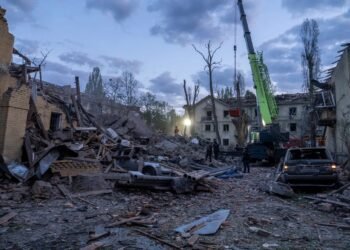 Deadly Russian Strikes Hit Western Ukraine, 20 Killed in Ternopil
 Ukraine Peace Plan: Zelensky Ready for Dialogue
 Inside the Helpline Protecting Missing Children in the UK
 Runaway Driver Caught by DNA Evidence
 US Suspends Afghan Immigration After White House Shooting
 Georgians Defy Government Crackdown After Year of Protests
 US National Guard Member Killed in DC Shooting
 Jordan Bardella: France’s Young Presidential Contender
 Virgin Media Fined £23.8m Over Telecare Safety Failures