Published: 09 December 2025. The English Chronicle Desk. The English Chronicle Online.
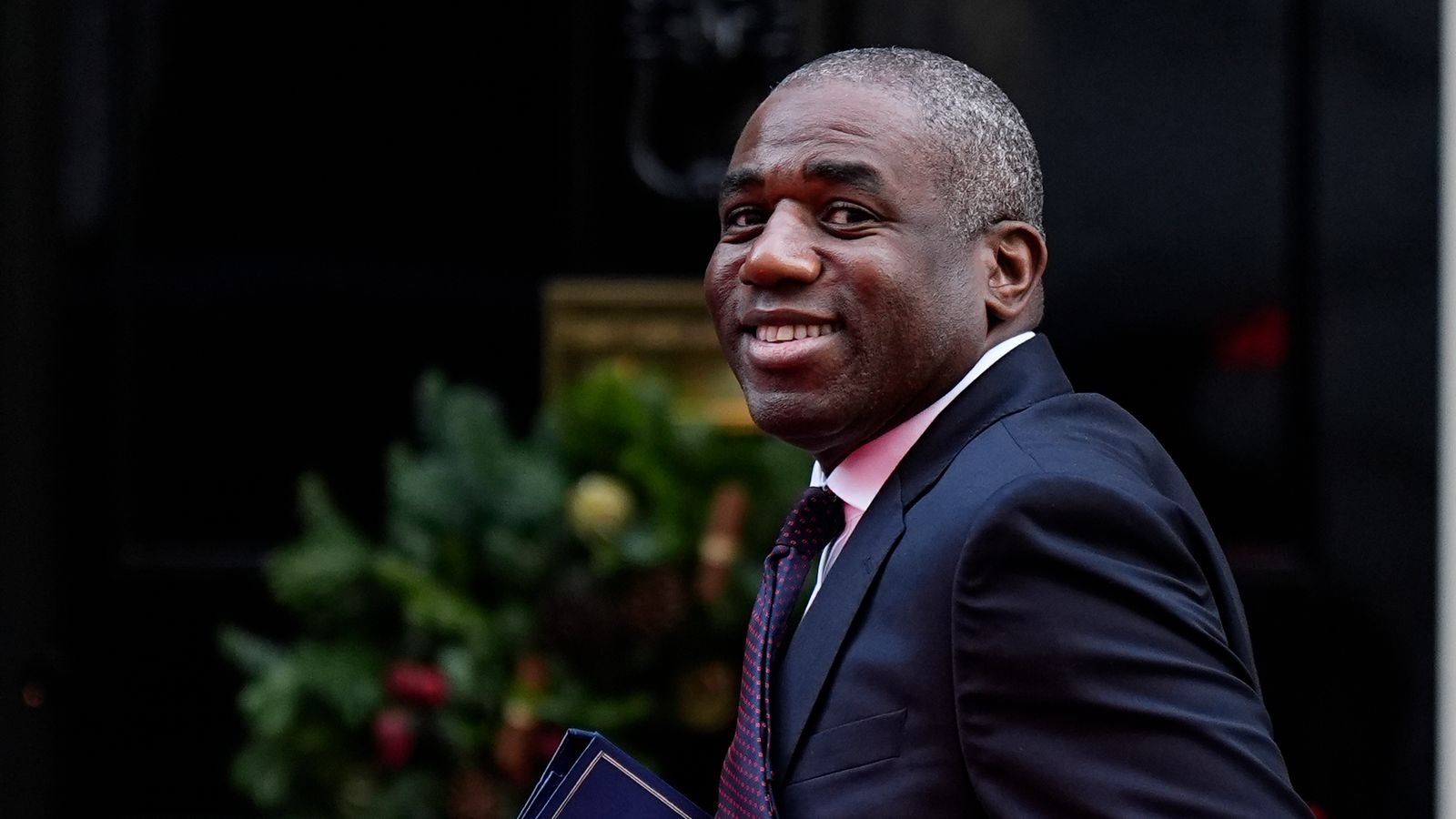
David Lammy has renewed the government’s commitment to stopping abusive legal actions that threaten journalists and whistleblowers, signalling a significant shift in the UK’s approach to curbing strategic lawsuits against public participation. His remarks came during the launch of the government’s expanded anti-corruption strategy, which outlines an ambition to strengthen protections for those who expose wrongdoing while ensuring powerful individuals cannot weaponise the legal system to suppress vital information. His pledge arrives at a moment when concerns about the misuse of litigation have intensified across political and media circles, particularly following several high-profile cases involving wealthy foreign nationals and major corporate scandals that exposed gaps in current legislation.
Lammy told attendees at the London summit that the government intended to press ahead with its plans to reinforce existing safeguards, emphasising that the country could not allow deep-pocketed individuals to intimidate reporters through costly and time consuming legal threats. Several campaigners at the event welcomed the renewed commitment, noting that the growing recognition of these issues across government represents an important step toward establishing a fairer legal environment. Yet they stressed that progress felt overdue, especially as previous attempts to introduce comprehensive reforms failed to survive the parliamentary timetable before the last election.

The government has already committed to enforcing the provisions set out in the Economic Crime and Corporate Transparency Act 2023, which introduced the first targeted measures to address Slapps linked to economic offences. These existing powers are regarded as a starting point rather than a complete solution, particularly because abusive lawsuits have been used in cases far wider than economic crime. Several journalists targeted in recent years were reporting on the activities of Russian oligarchs, financial claims around the Post Office Horizon scandal and allegations connected to Mohamed Al Fayed. Many of these cases highlighted the vulnerability of smaller news outlets that cannot sustain prolonged legal battles.
Lammy acknowledged that the measures now in place do not tackle the full scope of the problem, which is why the government intends to explore broader options that would deal with all forms of Slapps. The anti-corruption strategy assigns 2029 as the target for resolving the long-term legislative approach, a date that campaigners fear may leave journalists exposed for too long. Given the pace at which legal threats evolve and the growing sophistication of international actors seeking to manipulate the UK legal system, many believe a stronger and faster response is required. Lammy argued that further work was essential to design legislation that delivers solid protections without compromising genuine legal rights.
Rishi Sunak previously supported former MP Wayne David’s proposal for a wide ranging ban on Slapps, yet that bill fell when parliament dissolved. The current administration has shown signs of reviving the idea, although these intentions have not been accompanied by firm legislative plans. Lammy’s recent comments represent the clearest indication in months that the government still intends to act, especially as he has been a long standing advocate for more robust laws targeting abusive legal tactics. His argument that “sunlight is always the best disinfectant” reflects growing public concern that unchecked legal harassment erodes democratic accountability.
Campaigners expect justice ministers to push for new proposals before the next king’s speech and hope they will consider either a standalone bill or provisions within a larger reform package. Many argue that narrow reforms would be insufficient because Slapps rely on broad strategies that exploit multiple aspects of the legal system. Effective legislation would need to address the balance of resources between wealthy claimants and journalists, ensure courts can rapidly identify meritless cases and create consistent standards to discourage intimidation. Without these elements, they fear the UK may remain a favourable environment for those seeking to suppress unwelcome scrutiny.
There is also debate within cabinet circles about the best path forward. Prime Minister Keir Starmer has publicly expressed support for tackling Slapps, yet several observers suggest he favours allowing courts more discretion to decide which cases lack merit. His legal background contributes to his cautious approach, and the absence of an explicit ban in the Labour manifesto has prompted some to question how far he is prepared to go. Critics argue that leaving the issue to judicial discretion fails to address the imbalance of power that makes threats effective long before a case reaches court.
The all party parliamentary group on anti-corruption and responsible tax welcomed elements of the government’s new strategy but said its commitments lacked sufficient urgency. They noted that the prime minister himself has described the current situation as intolerable, which makes the distant target for comprehensive legislative action difficult to justify. Their statement underscored the need for a clearer timetable, pointing out that prolonged uncertainty allows those with significant resources to continue exploiting legal loopholes.
As part of the strategy presented at Mansion House, justice secretary Alex Chalk outlined several broader plans to strengthen the UK’s stance against corruption. These include additional funding for an elite police unit tasked with investigating complex financial crimes and hosting a major summit designed to coordinate international efforts against illicit finance. The strategy also introduces a review examining stolen or illegitimate assets held within the UK, with the aim of identifying weaknesses that criminals can exploit. Officials hope that this work will enhance cooperation across law enforcement agencies and improve the country’s ability to track sophisticated financial networks.
Despite these commitments, several civil society groups expressed disappointment over the lack of concrete plans to address political financing. They highlighted concerns about foreign donations, cryptocurrency contributions and spending limits, arguing that these areas remain among the most significant vulnerabilities in the UK’s democratic processes. Many activists had hoped the anti-corruption strategy would include stricter rules on the transparency of political funds and a more assertive stance on closing gaps that allow outside influence to enter UK politics.

Their frustration reflects a broader sentiment that meaningful reform requires action on every front, not only on legal threats against journalists but also on the structural weaknesses that allow corruption to flourish. Supporters of stronger Slapps laws argue that the protection of investigative reporting is central to uncovering abuses, which in turn supports the wider goals of the anti-corruption strategy. Without secure conditions for journalists and whistleblowers, misconduct remains hidden, reducing the effectiveness of any regulatory or enforcement measures.
Lammy’s speech appears designed to reassure those concerned that the government understands the gravity of the challenge. His emphasis on protecting individuals who “shine a light on corruption” underscores the cultural shift he hopes to encourage, where transparency is prioritised and accountability becomes embedded in public life. However, the months ahead will determine whether this renewed determination translates into firm legislative proposals or whether delays will continue to hinder progress.
For now, the announcement marks a renewed promise from a government seeking to demonstrate its seriousness about fighting corruption and defending the public’s right to know. As the push for meaningful legislation gains momentum, campaigners and journalists will continue pressing ministers to deliver reforms that provide real protection. Whether the eventual package arrives sooner than the 2029 target remains to be seen, but the pressure for swifter action is unlikely to diminish.
Related News:
 Concerns Mount Over Accuracy of At-Home Health Tests as Study Calls for Stricter Regulation
 UK Must Act with Courage and Clarity on Israel-Palestine Conflict, Says Foreign Affairs Committee Report
 The Ketamine Crisis in the UK is a Silent Epidemic Leaving Users with Lifelong Pain
 London Set to Honour Euro 2025 Champions as Lionesses Take Victory Parade Through the Capital
 Targeted Attack in Bury Sparks Murder Investigation as Community Awaits Justice
 Chancellor Faces Mounting Pressure Amid “Impossible Trilemma” Over Tax Rises
 Princess of Wales Launches Animated Video Series to Support Early Childhood Development
 Heartbreak in the New Forest as Shetland Ponies Vanish, Community on Edge
 Radioactive Leak at UK’s Nuclear Warhead Base Sparks Outcry Over Safety and Secrecy
 Mutual Inconvenience: Why Alaska Was Chosen for the Trump-Putin Summit on Ukraine
 Fire Contained at Edinburgh’s Arthur’s Seat After Overnight Battle by Firefighters
 Premier League Supercomputer Predicts Tough Season for Man Utd Amid Three-Team Title Battle
 Mystery Wallaby Spotted on Norfolk-Suffolk Border Sparks Police Appeal
 UK Weather: Heat Alerts Extended as Temperatures Set to Reach 30°C This Weekend
 Terence Stamp, ’60s British Film Legend and Star of Superman, Dies at 87
 Chancellor Rachel Reeves Pushes for Sweeping Changes to Environmental Protections to Accelerate Development
 Inflation Latest: Cost of Living Expected to Rise Again in Key Figures Released Today
 Merseyside Police Helicopter Crew Cleared After Low-Altitude Pursuit of Suspect
 Is the UK Ready to Put Boots on the Ground in Ukraine? Assessing Military Capacity and Challenges
 Reform Voices Alarm as UK Asylum Figures Reveal Growing Hotel Crisis Amid Channel Crossings Surge
 Education Leaders Call for End to Compulsory GCSE Resits in English and Maths
 Police Scotland Spends £500,000 Compensating Officers Over Trump Visit
 Britain’s Migration Challenge: Rising Asylum Numbers and Hotel Pressures
 Elon Musk Sparks New Controversy by Backing Tommy Robinson Amid Farage Feud
 Thousands of New School Nursery Places to Be Rolled Out Across England
 Urgent Action Needed on Windrush Compensation as Survivors Speak of “Waiting to Die”
 Shein UK Faces Allegations of Shifting Majority of Profits to Singapore to Reduce UK Tax
 Tanni Grey-Thompson Faces Abuse Over Opposition to Assisted Dying Bill
 London to Regulate Pedicabs: Music Turned Down, Fares Set by the Minute
 Rising Food Bank Dependence Highlights Deepening Hardship Across the UK
 Birmingham Bin Strike Enters Sixth Month as Negotiations Stall
 TfL Invites RMT to Resume Talks as London Tube Strikes End
 Over 40% of Private Renters Forced to Ration Energy to Afford Bills, Study Reveals
 Jaguar Land Rover Extends Production Halt Following Cyber-Attack
 Systemic Racism in Maternity Care Continues to Endanger Black Women in England, MPs Warn
 One in Three GPs in England Do Not Work in NHS, Raising Concerns Over Access to Care
 Northern Ireland Faces Fears of Prolonged Race Riot “Permacrisis”
 Nigel Farage Unveils Controversial Immigration and Welfare Plans at Reform UK Press Conference
 Great Britain’s Energy Operator Commits to Strengthening Grid to Prevent Blackouts
 Scottish Teenager’s Petition on Single-Use Plastics Gains Parliamentary Support
 White Low-Income Pupils in England Show Lowest Levels of School Engagement, Study Finds
 Ed Miliband Warns UK Government on X, Citing Elon Musk as a “Dangerous Influence”
 No Evidence Found to Substantiate Alleged Rape in Oxfordshire Churchyard, Police Confirm
 UK House Price Growth Slows as Buyers Exercise Caution Ahead of Autumn Budget
 Kemi Badenoch Unveils ‘Golden Rule’ to Halve Spending Cuts for Deficit Reduction at Tory Conference
 Massive London Poundland Fire Engulfs High Street
 Sussexes Warn on Children’s Phone Use Echoing Princess of Wales
 Paedophile Singer Ian Watkins Dies After Prison Attack
 Prince Andrew told Epstein “we are in this together”
 Former Premier League Referee David Coote Pleads Guilty to Child Image Offence
 UK border officers deployed to Balkans to tackle migrant smuggling
 UK MPs warn of repeat riots over online misinformation
 New V-Level qualification to transform post-16 education
Giuffre’s bombshell memoir names Prince Andrew 88 times in shocking revelations
New V-Level qualification to transform post-16 education
Giuffre’s bombshell memoir names Prince Andrew 88 times in shocking revelations
 Real living wage set to rise nearly 7% for UK workers in 2026
 M&S and Morrisons Lead Christmas Supermarket Taste Test
 New Prostate Cancer Drug Set to Halve Death Risk in England
 Army Barracks to House Migrants as Hotels Phase Out
 Reeves Faces Setback as Labour May Miss Homes Target
 Kate Winslet to Narrate Film Highlighting King’s Environmental Mission
 Trump’s UK Ambassador Urges North Sea Drilling to Strengthen US Ties
 UK Bans Fake Numbers: Scammers Lose Their Trick
 M&S Profits More Than Halve After Cyber-Attack
 Patients to Test Health at Home to Ease NHS Winter Pressure
 Millionaires group urge Reeves to introduce wealth tax to ‘lift kids out of poverty’
 Reeves rejects £1bn plea for NHS redundancy payouts
 Northern Lights may illuminate UK skies this week
 PM Condemns Leaks, Vows Loyalty to Ministers and Stability
 Major Rent Reform Ends No-Fault Evictions in England
 Criminal Gangs Pose as Truckers to Hijack UK Supply Chains
 Stroke Patient Mistaken for Drunk, Care Delayed
 Van Dwellers Face Eviction After Park Misuse Sparks Outcry
 Royal Navy Shadows Russian Warships Entering the Channel
 Inside the Helpline Protecting Missing Children in the UK
 Boots Showstopper Beauty Bundle Outshines Many Advent Calendars This Holiday Season
 Labour’s ‘blinkered’ drive to build risks pushing wildlife to point of no return, nature experts warn
 PlayStation PS5 Deals Hit Lowest Prices Ahead of Black Friday
 Five-Year-Old Dies After Rare Tonsil Surgery Complication
 Starmer Says Labour’s Economic Plan Needs Years to Deliver
 More Patients Now Contacting GPs Online, Data Shows