Published: 12 December 2025. The English Chronicle Desk. The English Chronicle Online.
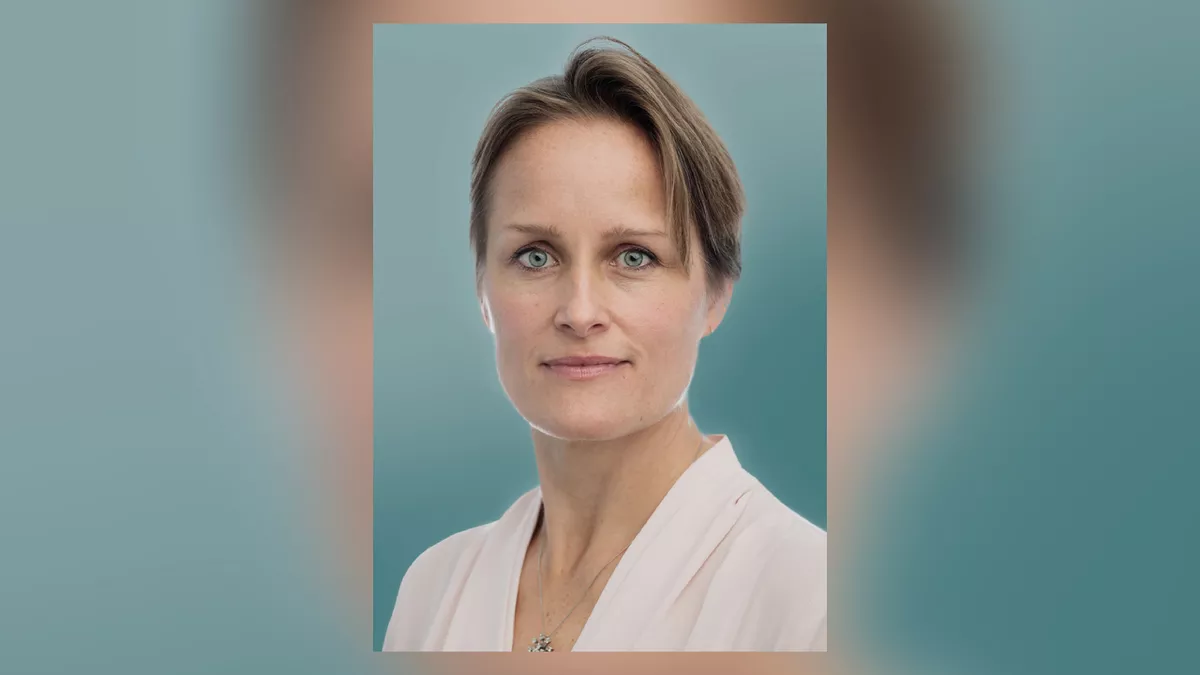
The new head of MI6, Blaise Metreweli, will deliver a stark warning on Monday about the growing threat from Russia and other hostile states, insisting that “the frontline is everywhere.” In her first major speech as the agency’s chief, Metreweli is expected to outline a new “age of uncertainty” in which traditional rules of conflict are being rewritten, particularly in response to Kremlin aggression following the invasion of Ukraine.

“The export of chaos is a feature, not a bug, in the Russian approach to international engagement,” Metreweli will argue, adding that until Vladimir Putin alters his strategic calculations, such aggressive actions are likely to continue. Her remarks underscore the scale of threats facing the UK, ranging from assassination plots and sabotage to cyber-attacks and the manipulation of information on a global scale.
Air Chief Marshal Richard Knighton, the chief of the defence staff, is also expected to emphasise the severity of the threat in a separate speech. He will describe the current situation as “more dangerous than I have known during my career” and urge the nation to elevate defence as a priority. His lecture at the Royal United Services Institute thinktank will highlight the dangers Russia poses not only to the UK but to the broader NATO alliance, citing Moscow’s willingness to target neighbouring states, including civilians.
Metreweli’s speech comes amid urgent international diplomacy. Labour leader Keir Starmer is scheduled to fly to Berlin for a summit with European leaders, including Ukrainian President Volodymyr Zelenskyy, alongside the US special envoy Steve Witkoff. The aim is to persuade Washington to endorse an alternative European peace plan for Ukraine amid fluctuating US positions on the conflict.
Russia remains the primary focus for Metreweli, who will describe its mindset as “aggressive, expansionist, and revisionist.” She is expected to reaffirm the UK’s unwavering support for Ukraine, stating that pressure on Russia will continue until a shift in Kremlin policy is achieved. Previous Russian attacks on UK soil, including the 2018 Skripal poisoning, underline the enduring threat. Dawn Sturgess tragically died after accidentally encountering a nerve agent, and a public inquiry recently concluded that Vladimir Putin was “morally responsible” for the incident.
The new MI6 chief will also highlight Russia’s use of artificial intelligence to spread disinformation online, aimed at undermining support for Ukraine or disseminating false claims about public figures. These campaigns, along with cyber-espionage incidents, such as the Bulgarian spy network jailed for hostile surveillance, exemplify the persistent threats faced by the UK.
While the pre-released excerpts focus heavily on Russia, there are brief references to China, particularly concerning the sanctioning of two companies allegedly engaged in indiscriminate hacking. The UK government continues to deliberate on whether to allow China to establish a new super-embassy at Royal Mint Court in London, while the prime minister plans a visit to Beijing in January ahead of US engagement in April.
Knighton is expected to argue that long-term success for the armed forces depends on reconnecting with society, making defence a higher national priority, and encouraging more public engagement. He stresses that NATO’s strength relies on unified support against aggressive powers and the ability to deter threats to peace and stability.
Metreweli, who succeeded Richard Moore in October, previously led MI6’s technology and innovation department. She has extensive experience in the Middle East and Europe, and her appointment marks a historic first as MI6’s first female chief. Her leadership will focus on integrating advanced technology with traditional human intelligence, ensuring that officers are proficient not only in languages and tradecraft but also in programming and cyber expertise.

“Mastery of technology must infuse everything we do,” she will say. “Not just in our labs, but in the field, and even more importantly, in the mindset of every officer. We must be as comfortable with lines of code as we are with human sources.” Allies interpret these remarks as a broader call for societal engagement with technological development rather than a direct critique of US policy.
Metreweli is expected to conclude her speech with a reflection on the moral and human dimensions of security. She will stress that the defining challenge of the 21st century is not merely possessing powerful technologies, but guiding them wisely. “Our security, our prosperity, and our humanity depend on it,” she will state, highlighting the ethical responsibility inherent in modern intelligence work.
In a wider call to action, the MI6 chief will underline the importance of collective responsibility, urging society to rediscover shared humanity, listen more attentively, and act courageously. These qualities, she asserts, will shape the UK’s capacity to respond to threats and safeguard democratic values.
The warnings from both Metreweli and Knighton reflect an urgent and evolving security environment, in which conventional and unconventional threats converge. With the rise of cyber warfare, disinformation campaigns, and targeted attacks, the UK faces complex challenges that demand innovation, vigilance, and societal resilience. By blending technological mastery with traditional intelligence methods, Metreweli aims to fortify the UK’s position in a world where the rules of conflict are constantly changing, and where every citizen, in some measure, shares responsibility for national security.
Related News:
 Kinnock’s Rebuke Echoes Loudly as Corbyn Allies Launch Left-Wing Breakaway: “A Gift to Farage”
 UK and Norway Forge Stronger Ties Through Joint Sanctions and Enhanced Defence Cooperation
 Trump Administration Dismisses 17 Immigration Judges, Sparking Debate Over Judicial Independence
 England’s Euro Odyssey: A Tale of Grit, Glory and the Lionesses’ Miraculous March to the Final
 UK Must Act with Courage and Clarity on Israel-Palestine Conflict, Says Foreign Affairs Committee Report
 Northern Ireland Family of Three Shot Dead in Maguiresbridge Home Incident
 Seventeen Dead as Russia Targets Ukrainian Prison in Devastating Airstrike
 Tears in Tarragona: British Siblings Drown in Spanish Sea as Holiday Turns to Horror
 Global Trade Earthquake: Trump Slaps 35% Tariff on Canada and Expands Tariff Blitz to Over 90 Nations
 Tottenham Takes On Newcastle
 Gen Z Embraces the Big, Bold ‘Fake’ Indian Wedding Party Trend
 Trump Threatens 100% Tariff on Nations Importing Russian Oil Amid India Standoff Over Ukraine War
 Radioactive Leak at UK’s Nuclear Warhead Base Sparks Outcry Over Safety and Secrecy
 Mutual Inconvenience: Why Alaska Was Chosen for the Trump-Putin Summit on Ukraine
 China’s crackdown on civil servant perks sparks economic concerns
 Terence Stamp, ’60s British Film Legend and Star of Superman, Dies at 87
 Where Is Prince William and Kate Middleton’s New House? Inside the Historic Lodge Set to Become Their ‘Forever Home’
 Hong Kong Summons UK and Australian Envoys Following Asylum Grants to Democracy Activists
 Is the UK Ready to Put Boots on the Ground in Ukraine? Assessing Military Capacity and Challenges
 Costa Blanca Holiday Horror as Food Poisoning Outbreak Hits Four-Star Hotel
 Shein UK Faces Allegations of Shifting Majority of Profits to Singapore to Reduce UK Tax
 Conservative Influencer Charlie Kirk Fatally Shot During University Debate
 Thousands Gather in London to Protest Donald Trump’s Second UK State Visit
 Channel Crossings Surge: Over 1,000 People Arrive in the UK in Small Boats in a Single Day
 Widow of Charlie Kirk Forgives Killer at Emotional Memorial Service
 Las Vegas Faces Decline as Rising Costs Drive Tourists Away
 Public Executions in Gaza City Captured on Video Amid Ongoing Conflict
 Macron Phones Trump Over Traffic Jam in New York
 Comey Indictment Deepens Fears of Political Retribution Under Trump
 Google at 27: The Untold Story of Ruth Kedar, the Woman Behind the Iconic Logo
 Yvette Cooper Signals Global Momentum Towards Gaza Peace Deal Amid Humanitarian Crisis
 A Third of EU Citizens in UK Report Discrimination by Public Bodies Post-Brexit
 “It Was Very Tough, But I Love Life”: Former Israeli Hostage Rebuilds Life After Family Killed by Hamas
 Chaos at Ibrox as Martin’s Rangers Era Comes to an End
 Arsenal Showcase Depth and Flexibility as Arteta Eyes Title Challenge
 Nobel Prize Honours Pioneers Behind Materials That Could Heal the Planet
 Public Trust in SNP Hits Historic Low Amid NHS Concerns
 Johnson Suggests Mandelson Linked to China Spy Controversy
 Trump Claims Modi Has Agreed to Halt Russian Oil Imports Amid Heightened US Pressure
 Rachel Reeves signals welfare reform ahead of key budget
 Ireland Votes as Two Women Compete for Presidency
 Russia’s Latest Push to Win US Favors Shows Deep Desperation
 WW2 Pilot’s Long-Lost Crash Site Unearthed in Essex
 Experts Warn Russia’s Burevestnik Missile Could Destabilise Arms Control
 Tragedy on Lizard Island: Cruise Passenger Dies
 Just Stop Oil Protesters Convicted Amid Climate Defence Row
 I’m a Celebrity 2025 line-up revealed: Osbourne joins
 BBC to Apologise Over Edited Trump Speech Amid Backlash
 Britain deploys RAF specialists to assist Belgium with drone threats
 Palace May Restore Hyphen to Andrew Mountbatten-Windsor’s Name
 Trump Urges Herzog to Grant Netanyahu Full Pardon
 Japan Deploys Police to Curb Deadly Bear Attacks
 Indian authorities demolish Kashmir home linked to Red Fort blast
 Pokémon to open world’s first theme park in Japan next year
 Greene Pushes Epstein Files Amid Trump Fallout
 Trump Deploys DHS to Charlotte in Major Arrest Operation
 December Run-Off in Chile as Election Produces No Winner
 Zelenskyy Signs Fighter Jet Deal Amid Russian Drone Attacks
 Orban Says Ukraine Has ‘No Chance’ as EU Support Continues
 Canada Passes Carney’s First Budget in Tight Parliamentary Vote
 Israeli Strike Kills 13 Near Palestinian Camp in Lebanon
 Shadow Fleet at Sea: Europe’s Battle Against Illicit Oil Shipping
 Tiny Curacao Makes History as Smallest Nation to Reach World Cup
 Haiti Qualifies for World Cup Despite Coach Never Visiting Country
 Deadly Russian Strikes Hit Western Ukraine, 20 Killed in Ternopil
 Pentagon Officials in Ukraine to Discuss War End
 Ukraine Peace Plan: Zelensky Ready for Dialogue
 Vietnam Battles Deadly Floods as Rains Continue
 India’s COP30 Delay Raises Global Climate Concerns
 Venezuela Threatens Nobel Winner Machado with Fugitive Status
 Royal Navy Shadows Russian Warships Entering the Channel
 Trump EPA Moves to Roll Back Soot Pollution Limits
 US Suspends Afghan Immigration After White House Shooting
 Two National Guard Soldiers Critically Injured Near White House
 Georgians Defy Government Crackdown After Year of Protests
 Southern Lebanon reels as Israeli strikes shatter communities
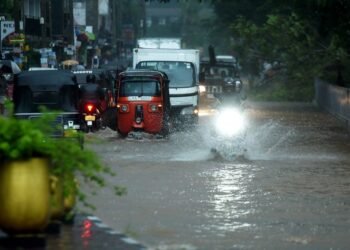 Sri Lanka Floods Leave 56 Dead, Dozens Missing
 Tokyo court rules Japan’s same-sex marriage ban constitutional
 ‘Extinct’ Antelope Returns to Sahara, Bringing Hope
 EU plans $105bn Ukraine aid using frozen Russian assets