Published: 09 January 2026. The English Chronicle Desk. The English Chronicle Online.
Rachel Reeves has moved decisively to contain unrest within Labour by signalling a reversal on pub business rates, a decision that has eased immediate pressure on the chancellor while reopening debate about economic judgment and policy timing. The promise of change follows sustained criticism from Labour MPs, industry leaders, and local publicans who warned that sharp increases in pub business rates risked accelerating closures across England. Within the first days of January, the issue had become a defining test of Reeves’s authority and listening credentials, forcing the Treasury to confront the consequences of November’s budget decisions.
At the heart of the controversy lay a projected average increase of 76 per cent in pub business rates over three years, driven by the end of Covid-era reliefs and a scheduled revaluation of commercial properties. Although Reeves had announced a headline cut to hospitality rates, the combined impact of these changes far outweighed the relief, leaving pubs exposed to higher liabilities at a time of fragile consumer confidence. For many Labour MPs, especially those representing towns where pubs remain vital social anchors, the policy appeared politically and economically unsustainable.
Government sources confirmed that Reeves is finalising a support package that would address structural problems in how pub business rates are calculated. Officials stressed that the emerging plan would acknowledge flaws in valuation methods and offer targeted reductions designed to prevent sudden cost shocks. Alongside rates reform, ministers are considering measures to simplify licensing, extend opening hours flexibility, and reduce administrative burdens that have long frustrated the sector. While details remain under wraps, the commitment itself has already shifted the political mood.

Industry reaction has been cautiously optimistic. Leaders across brewing and hospitality described the pledge as a welcome change of tone after weeks of escalating tension. For publicans, the prospect of relief on pub business rates offers breathing space following years marked by pandemic disruption, rising energy costs, and changing consumer habits. Yet many remain wary, noting that previous announcements promised help but delivered limited practical benefit once technical adjustments were applied.
The political stakes for Reeves were unusually high. More than thirty Labour MPs had been preparing to support an amendment to the government’s finance bill that would have reduced rates for hospitality businesses. Such a move would have represented a significant rebellion early in Labour’s economic programme. Although that amendment has now been withdrawn, several MPs made clear they would revive it later if the final package failed to meet expectations. Their stance reflects growing impatience with what some see as avoidable missteps followed by reactive corrections.
Tonia Antoniazzi, chair of the all-party parliamentary group on beer, expressed relief that progress was finally being made. She described the shift as an encouraging sign that ministers had recognised the scale of the problem facing pubs. However, she also underlined that goodwill would depend on delivery. The willingness to rebel, she suggested, has not disappeared but merely been deferred pending concrete action on pub business rates.
Reeves’s recalibration mirrors earlier reversals that have characterised her tenure. Cuts to winter fuel payments, proposed changes to disability benefits, and plans to raise inheritance tax for farmers all faced intense resistance before being softened or abandoned. Critics argue that this pattern undermines confidence in fiscal planning, while supporters counter that responsiveness is preferable to stubbornness. Within Labour ranks, frustration is mixed with pragmatism, as MPs weigh loyalty against constituency pressures.
From the Treasury’s perspective, officials argue that the full impact of the budget only became apparent once valuation notices reached individual businesses. They maintain that the interaction between revaluation and relief withdrawal produced effects that were difficult to model centrally. This explanation has done little to satisfy those who believe the risks should have been anticipated. One senior MP remarked privately that the sense of inevitability surrounding the U-turn had dulled anger but increased cynicism.
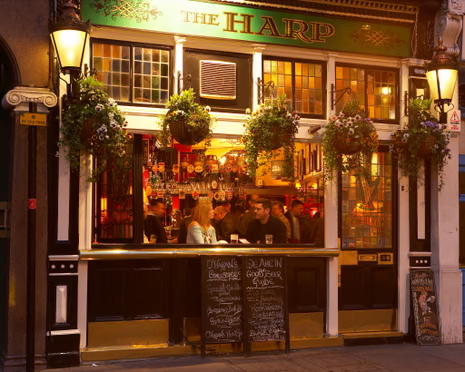
The hospitality industry’s campaign against pub business rates has been notably effective. Hundreds of landlords took the symbolic step of barring Labour MPs from their premises, transforming pubs into sites of protest as well as community. For many parliamentarians, this was personally uncomfortable, given the role pubs play as informal meeting spaces and refuges from Westminster pressures. The visibility of the backlash amplified media attention and accelerated political consequences.
Large operators also felt the strain. Whitbread, owner of the Premier Inn chain and numerous pubs, warned that it faced an additional £40 million to £50 million tax burden under the existing framework. Such figures strengthened the argument that the issue extended beyond small independent pubs to the broader hospitality ecosystem. Industry bodies have repeatedly emphasised that piecemeal fixes risk distorting competition and delaying recovery.
Emma McClarkin, chief executive of the British Beer and Pub Association, described the review of pub business rates as potentially transformative. She said it signalled that government had not only heard concerns but was prepared to act on them. Her cautious optimism was echoed by others who nonetheless called for clarity on timelines and eligibility. Without swift implementation, they warned, confidence gains could quickly evaporate.
Calls have also grown for a sector-wide approach. UKHospitality chair Kate Nicholls argued that focusing solely on pubs ignores parallel pressures on hotels, restaurants, and cafés, many of which face even steeper projected increases. A comprehensive solution, she said, would recognise the interconnected nature of hospitality and avoid shifting burdens within the sector. This view has gained traction among MPs representing tourist regions and city centres.

Behind the scenes, Reeves commissioned Treasury minister Dan Tomlinson to lead consultations with business groups before Christmas. Those discussions informed the emerging package and underscored the depth of concern across the industry. While some lobbyists continue to press for a substantial VAT cut, others accept that targeted rate discounts may be more fiscally realistic in the short term. The balance Reeves strikes will shape perceptions of her economic stewardship.
For now, the immediate threat of a Labour rebellion has receded. Yet the episode has left lasting questions about policy design, consultation, and political timing. The saga of pub business rates illustrates how technical fiscal decisions can carry profound social and political consequences when they intersect with cherished institutions. As pubs continue to struggle with changing habits and rising costs, the government’s next steps will be closely scrutinised.
Whether Reeves’s promise marks a turning point or another temporary truce depends on delivery. MPs, publicans, and industry leaders alike are watching for evidence that lessons have been learned. In an era when trust in economic management is fragile, the handling of pub business rates may prove a small but telling measure of Labour’s capacity to govern with foresight as well as flexibility.
Related News:
 CMA Flags Concerns Over Greencore-Bakkavor Merger
 Reeves Faces Setback as Labour May Miss Homes Target
 Aston Martin cuts £300m investment as Trump tariffs and weak China demand hit profits.
 Virgin Trains Moves Closer to Challenging Eurostar Monopoly
 UK Small Business Owner to Challenge L’Oréal in Tribunal
 Trump’s UK Ambassador Urges North Sea Drilling to Strengthen US Ties
 150-Year-Old Arctic Beer to Be Reborn in Scotland
 Ryanair Chief UK Economy ‘Doomed’ Under Labour
 Court Hears Challenge Over Water Bills Funding Sewage Fixes
 London bagel shop tops Deliveroo’s global orders list
 ABF May Split Primark from Food Division Amid Tough Market
 Rachel Reeves Set to Break Labour Pledge and Raise Income Tax
 UPS Cargo Plane Crash in Kentucky Kills Seven
 Thinktanks Urge Rachel Reeves to Reform UK Tax System
 M&S Profits More Than Halve After Cyber-Attack
 Company linked to Michelle Mone owes £39m in tax
 Tony Blair think tank warns Rachel Reeves must cut taxes if manifesto broken
 Oprah enjoys Meghan’s jam on English muffins
MPs Press Rachel Reeves to Hike Gambling Taxes
Oprah enjoys Meghan’s jam on English muffins
MPs Press Rachel Reeves to Hike Gambling Taxes
 Earl of Yarmouth Faces £1.3m Legal Bill Over Family Estate
 NHS Takes Over Nuffield Hospital in ‘Windfall’ for London Care
 North Sea oil workers must lose weight or face job loss
 Cuts to home insulation funding threaten UK climate goals
 US private equity set to acquire UK online retailer Very Group
 Warning as Britons prepare to spend £4 billion this Black Friday
 Troubled drinks giant Diageo names former Tesco boss to lead turnaround push
 Millionaires group urge Reeves to introduce wealth tax to ‘lift kids out of poverty’
 From Lego to Pokémon: How Adults Are Driving UK Toy Market Growth
 Borough Market Clash Sparks Influencer Backlash
 UK toy market enjoys bumper year as ‘kidults’ fuel demand
 New laws to bolster UK’s defences against cyber attacks on NHS, transport and energy
 Skims Eyes Global Expansion After Reaching $5 Billion Value
 US Strikes Last Penny After 230 Years of Production
 Switzerland Rolls Out Charm Offensive to Cut Trump’s 39% Tariffs
 Trump Moves to Cut Coffee and Banana Tariffs in Latin America Deals
 Reeves’s Tax U-Turn Triggers Fresh Jitters in UK Markets
 Global markets drop amid tech sell-off and China slowdown
 Canada Passes Carney’s First Budget in Tight Parliamentary Vote
 UK Rejects Funding to Save Mossmorran Plant
 Nvidia Soars as Blockbuster Earnings Silence AI Bubble Fears
 PM Highlights UK Business at G20 in South Africa
 Mossmorran Plant Closure Hits Cowdenbeath Hard
 UK Energy Bills to Rise Slightly in January
 UK Government Borrowing Higher Than Expected
 Netherlands Suspends Nexperia Takeover Amid China Talks
 UK Taskforce Unveils Plan to Streamline Nuclear Reactor Rules
 Steel billionaire Lakshmi Mittal reportedly leaves UK
 Minister Denies Budget Leaks Have Harmed UK Economy
 English Mayors Set to Introduce Tourist Taxes
 India’s Labour Law Overhaul Sparks Fierce Debate
 Carney’s Alberta Pipeline Deal Sparks Immediate Pushback
 EU reviews Apple Ads and Maps under strict digital rules
 Starmer Says Labour’s Economic Plan Needs Years to Deliver
 Virgin Media Fined £23.8m Over Telecare Safety Failures
 Rising Water Bills Lift Troubled Thames Back to Profit
 Tesla Warns UK That Weak EV Rules Could Threaten Sales
 Prada buys Versace for $1.38bn, expanding luxury fashion empire
 Starmer’s communications chief to outline media strategy overhaul
 Bet365 Boss Nets £280m Despite Profit Drop
 Farm Inheritance Tax U‑Turn Eases Burden After Months of Protests
 U‑Turn on Farmers’ Inheritance Tax Sparks Political Firestorm
 BP agrees £7.4bn Castrol sale to US investment firm
 UK to Launch Military ‘Gap Year’ Scheme to Boost Recruitment
 Sainsbury’s CEO leads business honours in New Year list
 Starmer Allies Honoured in New Year Awards List
 European Court Questions UK Over Shamima Begum Case
 UK Small Boat Crossings Surge Past 41,000 in 2025
 UK rails face crisis as calls to end “rail outsourcing racket” grow louder
 FTSE 100 Hits 10,000: UK Market Celebrates Record Year
 UK House Prices Fall Sharply at Year-End, Nationwide Reports
 UK Govt Faces Backlash Over Focus on Freeing Activist Alaa Abd el-Fattah
 GMB Union Faces Turmoil Amid Female Leaders’ Claims
 UK MPs Challenge Ministers Over Venezuela Attack Response
 UK Car Sales Pass 2 Million as Chinese Brands Surge
 Starmer Faces Parliamentary Battles Over UK-EU ‘Reset’ Plan
 Phoenixism Costs UK Taxpayers Millions in Recruitment Sector
 Labour Urged to Rebuild Voter Trust Amid Poll Warning
 MoJ Prison Leasing Scandal Triggers £100m Public Cost
 Smaller farms funding prioritised in England nature plans
 Election Deepfakes Pilot Launched for Scottish and Welsh Votes