Published: 17 January 2026. The English Chronicle Desk. The English Chronicle Online
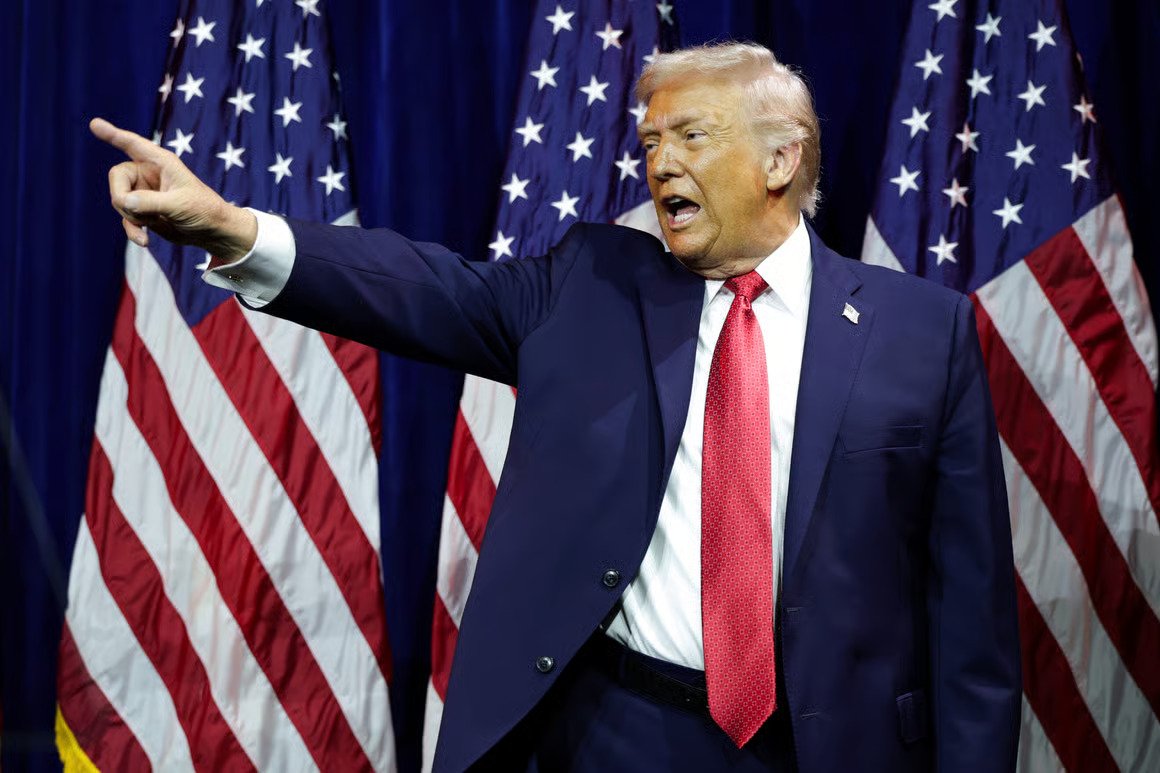
The escalating crisis over Greenland may prove to be the defining moment when Europe is finally compelled to stand up to Donald Trump, even as it remains heavily dependent on the United States for its security. European officials have warned that any US attempt to annex the vast Arctic territory would represent an unprecedented breach of international norms and could fatally undermine the transatlantic alliance that has underpinned Nato for more than seven decades.
For nearly a year, European leaders have absorbed Trump’s confrontational style with notable restraint. They have tolerated his relentless demands that Nato members raise defence spending to 5% of GDP, despite the political and economic strain this would impose on many governments. They have also responded cautiously to his threats to withdraw or condition US support for Ukraine on a peace settlement widely seen as favouring Russia. Even episodes of American adventurism abroad, including the controversial capture and rendition of Venezuela’s Nicolás Maduro, have been met with muted criticism from European capitals.

This accommodating approach has often bordered on public deference. Several European leaders have competed for the role of informal intermediary to Trump, hoping personal rapport might soften his demands. The most striking example came last June, when Nato secretary general Mark Rutte referred to the US president as “daddy” during a summit, a remark that caused unease across European diplomatic circles. Yet while trade disputes, defence budgets and even Ukraine have been treated as negotiable terrain, Greenland has emerged as something fundamentally different.
Trump’s repeated and increasingly forceful insistence that Denmark should cede or sell Greenland has triggered one of the gravest crises in the history of the transatlantic partnership. The island, a semi-autonomous territory within the Danish realm, is not only strategically vital but also symbolic of European sovereignty. For many European officials, the idea that a Nato ally could openly seek to acquire another ally’s territory crosses a line that cannot be ignored.
“The president’s ambition is on the table,” Denmark’s foreign minister, Lars Løkke Rasmussen, said after tense talks in Washington with US officials. “Of course we have our red lines. This is 2026. You trade with people, but you don’t trade people.” His words captured the growing resolve in Copenhagen and beyond. Following the meeting with US vice-president JD Vance and secretary of state Marco Rubio, Rasmussen and Greenland’s foreign minister, Vivian Motzfeldt, were seen outside the Eisenhower Executive Office Building, visibly strained after hours of high-stakes diplomacy.
According to Kristine Berzina, a senior fellow at the German Marshall Fund focusing on US defence and transatlantic security, the Greenland dispute has crystallised Europe’s sense of vulnerability and responsibility. “When it comes to Greenland, the Europeans have found a red line they really want to stand by,” she said. “Everything else has been subject to negotiation, but this goes to sovereignty and to whether Europe is capable of standing up for its own territory and rights.”
That resolve, however, is tempered by reality. Europe remains deeply dependent on the United States for its security, particularly through Nato’s military infrastructure and nuclear umbrella. Latvia’s former prime minister, Krišjanis Kariņš, warned that this dependency leaves Europe at a diplomatic disadvantage. Any serious escalation, he argued, could provoke retaliation from Washington, especially in trade. At the end of the day, he said, Europe still needs the US, even as it tries to defend its own interests.
The pressure on Danish and Greenlandic officials has been immense. Motzfeldt, speaking a day after the Washington talks, admitted she had been emotionally overwhelmed by the pace and intensity of negotiations. Observers note that Denmark has long been a loyal ally of the United States, making Trump’s approach all the more shocking. Marisol Maddox, a senior fellow at Dartmouth University’s Arctic studies institute, described the situation as akin to a betrayal by a close friend. There had been no provocation, she said, and no indication that Denmark had failed in its alliance commitments.
Trump’s fascination with Greenland is not new, but it has intensified dramatically. The idea was first floated to him in 2019 by Ronald Lauder, heir to the Estée Lauder cosmetics empire and a longtime associate. Since returning to power, Trump has reframed the issue as a matter of national security, citing concerns about Russian and Chinese activity in the Arctic. Yet he has also been unusually candid about the personal dimension, telling the New York Times that owning Greenland was “psychologically needed for success”. Last week, he went further, threatening tariffs against countries that refused to support his ambitions.
Within the US administration, some officials appear to see the Greenland issue as an opportunity to challenge European allies more broadly. European diplomats have expressed particular concern about JD Vance’s involvement in the negotiations, interpreting it as a sign that the White House is prepared to escalate tensions. Several diplomats have suggested that Vance relishes confrontation with Europe, and few believe he can be persuaded to soften his stance.
In response, Europe has begun to act more assertively, seeking to undermine the central argument used by the Trump administration: that Greenland is insufficiently protected from external threats. This week, a small French military contingent arrived on the island as part of a broader, limited Nato deployment that includes troops from Germany, Sweden, Norway, Finland, the Netherlands and the UK. Denmark’s prime minister, Mette Frederiksen, emphasised that the defence of Greenland is a shared Nato responsibility, not a justification for unilateral action.
Kariņš argued that strengthening Greenland’s security could remove a key pretext for annexation. By demonstrating that Europe takes Arctic defence seriously, Nato allies hope to neutralise claims that only the US can guarantee the island’s safety. Yet military measures alone may not be enough to deter Trump, whose record suggests a willingness to pursue objectives regardless of diplomatic norms.

Beyond defence deployments, European policymakers are debating a range of diplomatic and economic responses. Some have proposed convening an international summit on Arctic security in Nuuk, co-hosted by Denmark and Greenland with participation from EU and non-EU partners such as the UK, Canada and Norway, as well as the US itself. Others have floated more confrontational options, including delaying ratification of the EU–US trade deal agreed last year at Trump’s Turnberry golf resort. Supporters of this idea argue that proceeding with the vote would appear to reward aggressive behaviour, though resistance within the European parliament makes such a move unlikely.
Official EU rhetoric remains cautious. European Commission president Ursula von der Leyen has continued to describe the US as an ally and partner, even while reaffirming support for Greenland. She highlighted plans to deepen EU engagement with the island, including the opening of a permanent EU office in Nuuk and proposals to double financial assistance. Cyprus’s foreign minister, Constantinos Kombos, whose country holds the EU’s rotating presidency, stressed the need for dialogue rather than isolation, arguing that engagement remains essential even with a difficult partner.
Yet behind the diplomatic language, many European officials privately acknowledge that the Greenland crisis represents a turning point. It has exposed the limits of accommodation and raised uncomfortable questions about Europe’s ability to defend its own sovereignty. Whether Europe can balance its reliance on the US with a firmer assertion of its interests remains uncertain. What is clear is that Greenland has become more than an Arctic territory; it is now a test of Europe’s political maturity and its willingness to draw a line when core principles are at stake.
Related News:
 Putin Intensifies Territorial Demands Before US Talks
 Trump to Recheck Green Cards from 19 Nations After DC Attack
 Russia losses Ukraine war peace talks intensify amid rising deaths
 Trump Escalates Minnesota Immigration Surge Amid Rising Tensions
 Trump: US Stands Ready to Help Iran Find Freedom Amid Widespread Unrest
 US Conducts Large-Scale Strikes Against ISIS Targets Across Syria
 Trump Says US Will Act on Greenland ‘Whether They Like It or Not’
 Trump Administration Probe of Fed’s Powell Draws Pushback
 Greenland Faces Pivotal Summit Over Arctic Power Struggle
 Trump Threatens Strong Action If Iran Executes Protesters
 Trump Receives Machado’s Nobel Medal in White House Meeting
 Kinnock’s Rebuke Echoes Loudly as Corbyn Allies Launch Left-Wing Breakaway: “A Gift to Farage”
 UK and Norway Forge Stronger Ties Through Joint Sanctions and Enhanced Defence Cooperation
 Trump Administration Dismisses 17 Immigration Judges, Sparking Debate Over Judicial Independence
 Modi’s London Visit Seals Historic UK-India Trade Pact Amid Global Tensions
 UK Must Act with Courage and Clarity on Israel-Palestine Conflict, Says Foreign Affairs Committee Report
 Trump Threatens 100% Tariff on Nations Importing Russian Oil Amid India Standoff Over Ukraine War
 Netanyahu Announces Plan to Take Over Gaza City, Escalating Conflict Further
 Radioactive Leak at UK’s Nuclear Warhead Base Sparks Outcry Over Safety and Secrecy
 Lammy and Vance Meet in Britain to Advance US-Brokered Ukraine Peace Talks
 Mutual Inconvenience: Why Alaska Was Chosen for the Trump-Putin Summit on Ukraine
 Hong Kong Summons UK and Australian Envoys Following Asylum Grants to Democracy Activists
 Is the UK Ready to Put Boots on the Ground in Ukraine? Assessing Military Capacity and Challenges
 Ukraine-Russia War Latest: Trump Suggests Putin Avoiding Zelensky Summit Due to ‘Personal Dislike’
 Protests Expected as Israeli Arms Firms Join Global Defence Trade Fair in London
 Trump Appears Sidelined as Israel’s Unprecedented Strikes Hit Qatar
 Conservative Influencer Charlie Kirk Fatally Shot During University Debate
 Thousands Gather in London to Protest Donald Trump’s Second UK State Visit
Trump Urges UK to “Call Out the Military” to Secure Borders Amid State Visit
Thousands Gather in London to Protest Donald Trump’s Second UK State Visit
Trump Urges UK to “Call Out the Military” to Secure Borders Amid State Visit
 Channel Crossings Surge: Over 1,000 People Arrive in the UK in Small Boats in a Single Day
 Widow of Charlie Kirk Forgives Killer at Emotional Memorial Service
 Denmark Investigates Professional Drone Incursions Across Multiple Airports, No Evidence of Russian Involvement
 UK Fighter Jet Purchase Could Breach Nuclear Treaty, Warns CND
 Yvette Cooper Signals Global Momentum Towards Gaza Peace Deal Amid Humanitarian Crisis
 A Third of EU Citizens in UK Report Discrimination by Public Bodies Post-Brexit
 Jailed Georgian Opposition Leaders Warn UK of Iranian Links to Ruling Party
 Misinformation and Political Pressure Force Weston-super-Mare to Abandon Refugee Sanctuary Plan
 Public Trust in SNP Hits Historic Low Amid NHS Concerns
 Johnson Suggests Mandelson Linked to China Spy Controversy
 Witness statements reveal the CPS China spy row collapse in the UK
 Rachel Reeves signals welfare reform ahead of key budget
 Kosovo agrees to host Britain’s refused asylum seekers
 Ireland Votes as Two Women Compete for Presidency
 Russia’s Latest Push to Win US Favors Shows Deep Desperation
 Experts Warn Russia’s Burevestnik Missile Could Destabilise Arms Control
 British Woman in Iran ‘Losing Hope’ Amid Ongoing Detention
 Johnson Approved China’s London ‘Super-Embassy’ in 2018
 BBC Journalist Held and Interrogated in Vietnam
 UK University Suspends Human Rights Research Following Pressure from China
 BBC to Apologise Over Edited Trump Speech Amid Backlash
 Britain deploys RAF specialists to assist Belgium with drone threats
 Ukraine-Russia war latest: Putin’s troops exploit bad weather to force Kyiv withdrawal from multiple towns
 Trump Urges Herzog to Grant Netanyahu Full Pardon
 US Justice Department Files Lawsuit Against California Over Partisan Voting Maps
 Indian authorities demolish Kashmir home linked to Red Fort blast
 Greene Pushes Epstein Files Amid Trump Fallout
 Trump Deploys DHS to Charlotte in Major Arrest Operation
 December Run-Off in Chile as Election Produces No Winner
 Canada Passes Carney’s First Budget in Tight Parliamentary Vote
 Shadow Fleet at Sea: Europe’s Battle Against Illicit Oil Shipping
 Pentagon Officials in Ukraine to Discuss War End
 India’s COP30 Delay Raises Global Climate Concerns
 Venezuela Threatens Nobel Winner Machado with Fugitive Status
 Trump Envoy to Discuss Ukraine Peace at Kremlin
 Two National Guard Soldiers Critically Injured Near White House
 Georgians Defy Government Crackdown After Year of Protests
 US National Guard Member Killed in DC Shooting
 India’s Labour Law Overhaul Sparks Fierce Debate
 EU plans $105bn Ukraine aid using frozen Russian assets
 Global campaign launched to free Palestinian leader Barghouti
 American Mother Extradited From UK to U.S. on Murder Charges
 Trump Taiwan China drills: US President Downplays Tensions
 Zelenskyy Accuses Russia of Sabotaging Peace Talks
 US Cities Erupt in Protests Against Trump’s Venezuela Military Action
 Albanese Opens Door to Bondi Royal Commission Amid Rising Pressure
 Iran Protesters Defy Crackdown as Violent Clashes Intensify
 Homeland security agents deployed amid Minneapolis protests
 Trump Weighs Response to Iran Crackdown as Tehran Says Communication Open With US
 US Clears Nvidia AI Chip Sales to China in Policy Shift
 Machado Trump medal gesture reshapes Venezuela power struggle