Published: 18 January 2026. The English Chronicle Desk. The English Chronicle Online
The idea that democracy can be delivered at the point of a missile has long haunted modern geopolitics. From Baghdad to Kabul, history has repeatedly shown that bombs may topple regimes, but they rarely build stable, free societies in their wake. As Donald Trump once again threatens military action against Iran, that lesson feels more urgent than ever. Iran cannot be bombed into democracy. But it can, with patience and purpose, be helped to find its own path there.
Donald Trump’s instinctive attraction to overwhelming force is well documented. Soon after taking office in 2017, he authorised the first-ever combat use of the GBU-43, the so-called “mother of all bombs,” against an Islamic State tunnel complex in Afghanistan. The strike produced dramatic images and headlines, killing scores of militants. Strategically, however, it achieved almost nothing. The Taliban continued its advance, Islamic State survived, and America’s longest war staggered on towards eventual failure. The episode revealed less about military necessity than about Trump’s desire to project strength, to be seen as a decisive commander-in-chief unafraid of spectacular gestures.

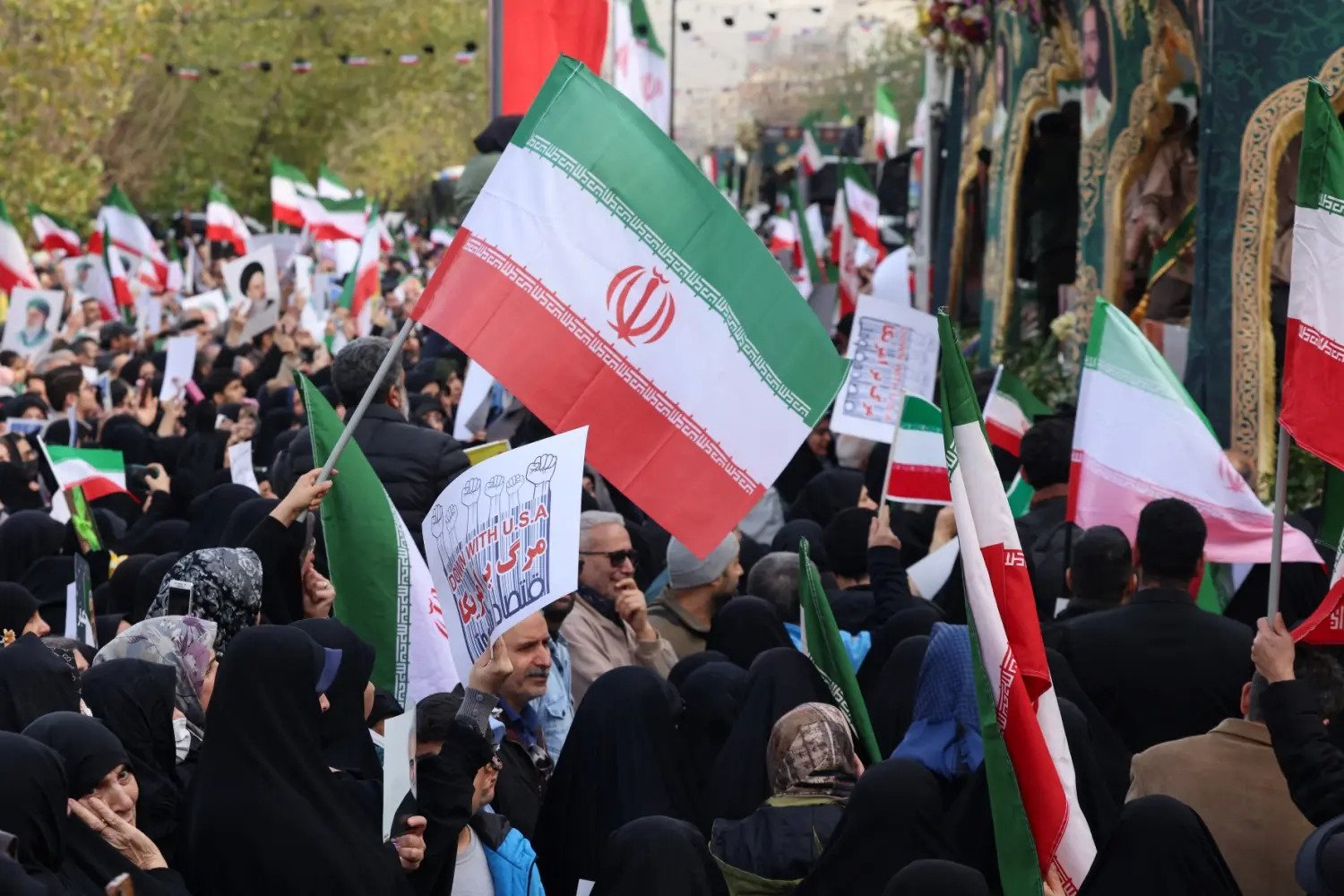
That same impulse now colours his rhetoric on Iran. Recent unrest and brutal crackdowns inside the country have been met with thunderous declarations from Washington, including threats of bombing and promises to Iranian protesters that “help is on its way”. Yet there is little evidence Trump’s concern is rooted in solidarity with unarmed demonstrators. His record at home, where federal forces have confronted protest movements with force, undermines any claim to principled commitment to democratic rights. Nor has he shown consistent concern for democracy abroad, whether in Venezuela, where he flirted with regime change theatrics, or elsewhere.
Instead, Iran represents a familiar temptation: a proud, defiant, energy-rich state that has resisted decades of US pressure. For Trump, it is an opportunity to impose American dominance where previous presidents failed, to demand capitulation rather than compromise. He does not seek a negotiated settlement with Tehran’s clerical leadership, but unconditional submission and regime change on his terms. Yet Trump also craves speed and spectacle. As seen in his erratic approaches to Ukraine and the Israel-Palestine conflict, he lacks patience for the slow, complex work of diplomacy and post-conflict reconstruction.
That contradiction has already tempered his actions. As the White House reviewed military options, it became clear that strikes on Iranian nuclear facilities, missile systems or Revolutionary Guard bases would not deliver the instant success Trump desires. Regional allies, particularly Gulf states, warned that such attacks could trigger devastating retaliation and widespread instability. Even Israel’s prime minister, Benjamin Netanyahu, urged caution, mindful that Iranian missile responses could endanger Israeli cities and his own political future.
The idea of “decapitation”, eliminating Iran’s supreme leader, has also been exposed as illusory. Trump boasted last year that US and Israeli forces could easily have killed Ayatollah Ali Khamenei. But assassinating one man would not dismantle a system. Iran’s theocracy is deeply entrenched, with multiple potential successors waiting in the wings, including Khamenei’s son, all shaped by the same hardline ideology. Far from accelerating reform, such an act could entrench repression, provoke nationalist backlash and delay change for a generation.
For now, Trump appears to have stepped back from the brink. Yet the underlying question remains: how can Iran’s people be supported in their clear desire for fundamental change, without plunging the country into greater bloodshed?
There is no doubt that Iran’s clerical regime has lost legitimacy. Installed after the 1979 revolution, it has presided over decades of repression, corruption and economic mismanagement. Its crimes did not begin with the latest wave of protests, nor will they end without radical transformation. The demand for change is visible in repeated uprisings, in surveys showing majority support for a secular constitution, and in the courage of women and young people who continue to challenge the system at immense personal risk.
But externally imposed regime change, particularly through military force, would be disastrous. It would likely strengthen hardliners, justify harsher crackdowns and devastate civilian life. Western governments must abandon the illusion that democracy can be delivered by shock and awe. Instead, the goal should be to help Iranians dismantle theocratic rule themselves, through sustained, nonviolent pressure and support.
That begins with isolating the regime, not the people. Targeted economic and financial sanctions against senior officials, security agencies and corrupt state monopolies can increase pressure where it hurts most, while minimising humanitarian harm. Diplomatic engagement that confers legitimacy on the regime should be suspended, including talks that normalise Tehran without meaningful reform. Embassies may need to close, and official contacts frozen, until clear change is underway.
Beyond sanctions, there are other tools short of war. Cyber and hybrid operations, already part of modern statecraft, can disrupt surveillance networks, communications and revenue streams used to repress dissent. Illicit oil exports can be intercepted, and pressure applied to states that continue to prop up the regime economically and militarily. None of these measures are without risk, but they fall far short of the catastrophic consequences of bombing campaigns.
Crucially, support must be directed towards Iranian civil society and opposition movements. The country’s opposition is fragmented, but that is not unusual under authoritarian rule. Western governments can help by offering platforms, protection and resources to activists, journalists and future leaders. Technology companies have a role to play by enabling Iranians to bypass internet shutdowns and censorship. Persian-language broadcasting and cultural engagement should be expanded, not cut, to counter state propaganda and keep channels of information open.
Justice must also be part of the vision. Those responsible for decades of abuse, from prison torture to extrajudicial killings, cannot simply fade into obscurity. International mechanisms, including UN investigations and courts, should be prepared to hold perpetrators accountable. This is not vengeance, but a necessary foundation for any credible democratic transition.

Ultimately, the driving force for change must come from within Iran. No foreign power can manufacture legitimacy or civic trust. What outsiders can do is create conditions in which peaceful transformation becomes possible, by weakening the structures of repression and amplifying the voices of those demanding freedom.
Trump’s promise that life in Iran “will change” rings hollow when paired with threats of bombs. Change imposed by force is rarely progressive or lasting. If he truly believes in morality, as he claims, then his obligation is clear. He must abandon the lure of short-term grandstanding and commit to sustained, constructive, nonviolent support for the Iranian people.
Dropping bombs is easy. Helping a wounded society rebuild itself, reclaim its dignity and choose its own future is far harder. But it is the only path that offers Iran, and the wider region, a chance at lasting peace and genuine democracy.
Related News:
 Putin Intensifies Territorial Demands Before US Talks
 Trump to Recheck Green Cards from 19 Nations After DC Attack
 Russia losses Ukraine war peace talks intensify amid rising deaths
 Trump Escalates Minnesota Immigration Surge Amid Rising Tensions
 Trump: US Stands Ready to Help Iran Find Freedom Amid Widespread Unrest
 US Conducts Large-Scale Strikes Against ISIS Targets Across Syria
 Trump Says US Will Act on Greenland ‘Whether They Like It or Not’
 Trump Administration Probe of Fed’s Powell Draws Pushback
 Greenland Faces Pivotal Summit Over Arctic Power Struggle
 Trump Threatens Strong Action If Iran Executes Protesters
 Trump Receives Machado’s Nobel Medal in White House Meeting
 Greenland Crisis Forces Europe to Draw a Line With Trump
 Kinnock’s Rebuke Echoes Loudly as Corbyn Allies Launch Left-Wing Breakaway: “A Gift to Farage”
 UK and Norway Forge Stronger Ties Through Joint Sanctions and Enhanced Defence Cooperation
 Trump Administration Dismisses 17 Immigration Judges, Sparking Debate Over Judicial Independence
 Modi’s London Visit Seals Historic UK-India Trade Pact Amid Global Tensions
 UK Must Act with Courage and Clarity on Israel-Palestine Conflict, Says Foreign Affairs Committee Report
 Trump Threatens 100% Tariff on Nations Importing Russian Oil Amid India Standoff Over Ukraine War
 Netanyahu Announces Plan to Take Over Gaza City, Escalating Conflict Further
 Radioactive Leak at UK’s Nuclear Warhead Base Sparks Outcry Over Safety and Secrecy
 Lammy and Vance Meet in Britain to Advance US-Brokered Ukraine Peace Talks
 Mutual Inconvenience: Why Alaska Was Chosen for the Trump-Putin Summit on Ukraine
 Hong Kong Summons UK and Australian Envoys Following Asylum Grants to Democracy Activists
 Is the UK Ready to Put Boots on the Ground in Ukraine? Assessing Military Capacity and Challenges
 Protests Expected as Israeli Arms Firms Join Global Defence Trade Fair in London
 Trump Appears Sidelined as Israel’s Unprecedented Strikes Hit Qatar
 Conservative Influencer Charlie Kirk Fatally Shot During University Debate
 Thousands Gather in London to Protest Donald Trump’s Second UK State Visit
Trump Urges UK to “Call Out the Military” to Secure Borders Amid State Visit
Thousands Gather in London to Protest Donald Trump’s Second UK State Visit
Trump Urges UK to “Call Out the Military” to Secure Borders Amid State Visit
 Channel Crossings Surge: Over 1,000 People Arrive in the UK in Small Boats in a Single Day
 Widow of Charlie Kirk Forgives Killer at Emotional Memorial Service
 Denmark Investigates Professional Drone Incursions Across Multiple Airports, No Evidence of Russian Involvement
 UK Fighter Jet Purchase Could Breach Nuclear Treaty, Warns CND
 Yvette Cooper Signals Global Momentum Towards Gaza Peace Deal Amid Humanitarian Crisis
 A Third of EU Citizens in UK Report Discrimination by Public Bodies Post-Brexit
 Misinformation and Political Pressure Force Weston-super-Mare to Abandon Refugee Sanctuary Plan
 Public Trust in SNP Hits Historic Low Amid NHS Concerns
 Johnson Suggests Mandelson Linked to China Spy Controversy
 Witness statements reveal the CPS China spy row collapse in the UK
 Rachel Reeves signals welfare reform ahead of key budget
 Kosovo agrees to host Britain’s refused asylum seekers
 Ireland Votes as Two Women Compete for Presidency
 Russia’s Latest Push to Win US Favors Shows Deep Desperation
 Experts Warn Russia’s Burevestnik Missile Could Destabilise Arms Control
 British Woman in Iran ‘Losing Hope’ Amid Ongoing Detention
 Johnson Approved China’s London ‘Super-Embassy’ in 2018
 BBC Journalist Held and Interrogated in Vietnam
 UK University Suspends Human Rights Research Following Pressure from China
 BBC to Apologise Over Edited Trump Speech Amid Backlash
 Britain deploys RAF specialists to assist Belgium with drone threats
 Ukraine-Russia war latest: Putin’s troops exploit bad weather to force Kyiv withdrawal from multiple towns
 Trump Urges Herzog to Grant Netanyahu Full Pardon
 US Justice Department Files Lawsuit Against California Over Partisan Voting Maps
 Indian authorities demolish Kashmir home linked to Red Fort blast
 Greene Pushes Epstein Files Amid Trump Fallout
 Trump Deploys DHS to Charlotte in Major Arrest Operation
 December Run-Off in Chile as Election Produces No Winner
 Canada Passes Carney’s First Budget in Tight Parliamentary Vote
 Shadow Fleet at Sea: Europe’s Battle Against Illicit Oil Shipping
 Pentagon Officials in Ukraine to Discuss War End
 India’s COP30 Delay Raises Global Climate Concerns
 Venezuela Threatens Nobel Winner Machado with Fugitive Status
 Trump Envoy to Discuss Ukraine Peace at Kremlin
 Two National Guard Soldiers Critically Injured Near White House
 Georgians Defy Government Crackdown After Year of Protests
 US National Guard Member Killed in DC Shooting
 India’s Labour Law Overhaul Sparks Fierce Debate
 EU plans $105bn Ukraine aid using frozen Russian assets
 Global campaign launched to free Palestinian leader Barghouti
 American Mother Extradited From UK to U.S. on Murder Charges
 Trump Taiwan China drills: US President Downplays Tensions
 Zelenskyy Accuses Russia of Sabotaging Peace Talks
 US Cities Erupt in Protests Against Trump’s Venezuela Military Action
 Albanese Opens Door to Bondi Royal Commission Amid Rising Pressure
 Iran Protesters Defy Crackdown as Violent Clashes Intensify
 Homeland security agents deployed amid Minneapolis protests
 Trump Weighs Response to Iran Crackdown as Tehran Says Communication Open With US
 US Clears Nvidia AI Chip Sales to China in Policy Shift
 Machado Trump medal gesture reshapes Venezuela power struggle
 European Leaders Condemn Trump Tariff Threat Over Greenland