Published: 18 January 2026. The English Chronicle Desk. The English Chronicle Online
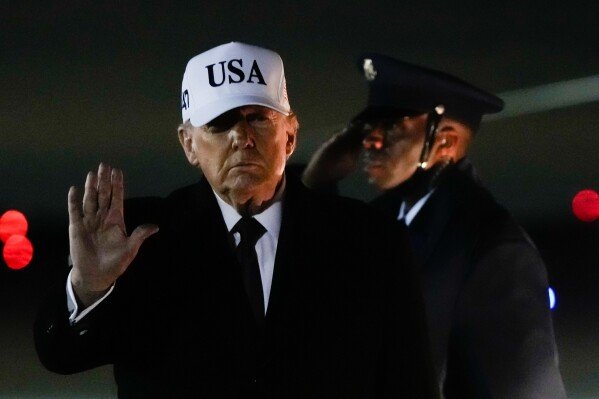
When Donald Trump publicly declared that he would “rescue” Iranian protesters if security forces opened fire, Siavash Shirzad chose to believe him. For the 38-year-old father, it was a promise unlike anything he had heard before. Iranian demonstrations had erupted and been crushed many times in his lifetime, but never had a sitting US president openly pledged support to people on the streets.
Despite urgent pleas from his family to stay home, Shirzad joined the swelling protests in Tehran. He believed that international backing, especially from Washington, meant this time might be different. That belief cost him his life.
On 8 January, as Iran’s authorities shut down the internet and plunged the country into near-total communications darkness, security forces fired on demonstrators. Shirzad was shot and later died from his injuries, leaving behind his 12-year-old son. Those close to him say he remained convinced until the very end that outside help would arrive.

“Siavash kept saying that Trump had promised to stand with the people,” a cousin said, speaking anonymously out of fear of reprisals. “We warned him how dangerous it was, but he told us: ‘Trump said he supports us. I have to go.’”
Just days earlier, Trump had encouraged Iranians to continue protesting and to “take over your institutions,” assuring them that “help is on its way.” As reports circulated that a US strike on Iran was imminent, hope spread among demonstrators and among Iranians watching anxiously from abroad. Yet within 24 hours, Trump shifted course, telling reporters he had received assurances that Iranian authorities would not carry out executions. He appeared to step back, at least temporarily, from the brink of military intervention.
Inside Iran, that reversal was devastating. Despite Trump’s claims, the crackdown intensified. Killings of protesters continued, mass arrests were reported, and Tehran’s streets fell eerily quiet, patrolled by armed security forces where tens of thousands had marched only days before. Protests persisted in provincial cities, but the communications blackout made it nearly impossible to assess their scale or coordination.
“People are being arrested in huge numbers,” a Tehran resident said in messages relayed through activists. “Once Trump’s attention moves on, the executions will begin.”
State television aired footage of forced confessions, while Iran’s chief justice was shown interrogating detained protesters. Human rights organisations warned that detainees were unlikely to receive fair trials and faced serious risks of abuse. In a joint letter, more than 30 rights groups said past unrest in Iran had repeatedly coincided with torture, enforced disappearances and extrajudicial killings inside detention facilities.
For now, authorities have stopped short of mass executions. The most prominent example was the cancellation of the death sentence of 26-year-old protester Erfan Soltani, with officials announcing that no hangings would take place. Trump publicly welcomed the decision, sharing news of Soltani’s reprieve. But many Iranians saw this as cold comfort amid continued repression.
Among the Iranian diaspora, feelings of betrayal ran deep. For weeks, families abroad had struggled to make contact with loved ones as violence escalated at home. Trump’s repeated assurances that help was coming became, for many, a fragile lifeline.
“It feels like a slap in the face,” said Elham, an Iranian living in Sydney. “We’ve been disappointed before, but this time there was real hope that something would finally change.”
To many overseas Iranians, Trump’s retreat from confrontation looked like a victory for Tehran. Rather than supporting protesters seeking to topple the regime, Washington appeared ready to negotiate. Comments by Iran’s foreign minister, Abbas Araghchi, calling for diplomacy during a US television interview, only reinforced fears that the regime was being given breathing space.
“If Trump gives this government a lifeline, it will crush hope completely,” Elham said. “Using people’s lives as political theatre is unforgivable.”
Despite unprecedented nationwide protests, analysts note that Iran’s leadership remains firmly in control in the short term, backed by well-armed and loyal security forces. A US strike, they warn, could provoke retaliation against Israel and American interests without protecting protesters on the ground. Others caution that foreign intervention risks reinforcing the regime’s narrative that demonstrations are orchestrated from abroad.
Still, many Iranians continue to hope for meaningful international action, even as they remain uncertain what form that help could take.

“The people believed his words,” said Azam Jangravi, an Iranian living in Canada whose close friend was killed during protests in Isfahan. “If he turns away now, they will remember who stood with them and who did not.”
Although Trump has stepped back from immediate military action, US officials insist that intervention has not been ruled out. Speaking to the UN security council, US ambassador Mike Waltz said all options remained on the table to halt what he described as the slaughter of civilians. A US aircraft carrier moving toward the Middle East and the redeployment of military assets to strengthen Israeli air defences suggested that escalation was still possible.
Inside Iran, however, protesters remain suspended in uncertainty. Cut off from the world and facing relentless pressure from authorities, many are unsure whether to return to the streets.
“For now, everything has paused,” said Alborz, a Tehran resident, in messages shared with activists. “People are waiting to see what Trump will do next.”
Related News:
 Putin Intensifies Territorial Demands Before US Talks
 US National Guard Member Killed in DC Shooting
 Trump to Recheck Green Cards from 19 Nations After DC Attack
 Trump to pause migration from ‘third-world countries’
 Republicans Hold Tennessee Seat Despite Democratic Surge
 Franklin Turtle, Sabrina Carpenter Slam US Social Media Use
 Russia losses Ukraine war peace talks intensify amid rising deaths
 Trump Escalates Minnesota Immigration Surge Amid Rising Tensions
 Homeland security agents deployed amid Minneapolis protests
 Democrats Push Affordability to Challenge Trump Ahead of Votes
 Greenland Faces Pivotal Summit Over Arctic Power Struggle
 Trump Threatens Strong Action If Iran Executes Protesters
 Government Unveils Northern Powerhouse Rail Plans
 Trump press secretary attacks reporter over ICE question
 Kyrsten Sinema Faces High-Profile Lawsuit Over Marriage Interference
 Trump Receives Machado’s Nobel Medal in White House Meeting
 British Woman in Iran ‘Losing Hope’ Amid Ongoing Detention
 BBC Journalist Held and Interrogated in Vietnam
 Green Party Surges Past Labour in Latest UK Poll
 Celebrities and Charities Demand UK Government Act on Child Poverty
 Army Officers Orders to Cut Ties with Men-Only Clubs
 Trump’s UK Ambassador Urges North Sea Drilling to Strengthen US Ties
 FBI Director Kash Patel Defends Girlfriend Amid Government Jet Claims
 French Taxi Driver Cleared in David Lammy Theft Case After Fare Dispute
 Labour immigration crackdown could cost UK £4.4bn
BBC to Apologise Over Edited Trump Speech Amid Backlash
Labour immigration crackdown could cost UK £4.4bn
BBC to Apologise Over Edited Trump Speech Amid Backlash
 Britain deploys RAF specialists to assist Belgium with drone threats
 ‘Reckless’ cuts to victims’ services will cost more than they save
 Millionaires group urge Reeves to introduce wealth tax to ‘lift kids out of poverty’
 Starmer Faces Growing Dissent as Labour MPs Weigh Leadership Challenge
 Reeves rejects £1bn plea for NHS redundancy payouts
 Politics latest: Starmer ‘will fight any leadership coup’ as Streeting denies attempt to oust Labour PM
 PM Condemns Leaks, Vows Loyalty to Ministers and Stability
 Major Rent Reform Ends No-Fault Evictions in England
 Peers Flood Assisted Dying Bill with 942 Amendments
 England’s Special Needs Support Faces Breaking Point
 Senator John Fetterman Hospitalized After Fall from Heart Flare-Up, Keeps Sense of Humor
 US Justice Department Files Lawsuit Against California Over Partisan Voting Maps
 MoD warned over Excel risks before Afghan data breach
 Greene Pushes Epstein Files Amid Trump Fallout
 Trump Deploys DHS to Charlotte in Major Arrest Operation
 December Run-Off in Chile as Election Produces No Winner
 Canada Passes Carney’s First Budget in Tight Parliamentary Vote
 Shadow Fleet at Sea: Europe’s Battle Against Illicit Oil Shipping
 Labour Faces Historic Decline in Wales
 Pentagon Officials in Ukraine to Discuss War End
 PM Highlights UK Business at G20 in South Africa
 Venezuela Threatens Nobel Winner Machado with Fugitive Status
 Most Tories Expect to Support a Farage-Led Government
 Labour MP claims devolution bill is ‘blatant discrimination’ against Cornwall
 Millions Face Higher Taxes Under Reeves New Budget
 Peers Get Extra Time to Debate Assisted Dying Bill
 Two National Guard Soldiers Critically Injured Near White House
 Georgians Defy Government Crackdown After Year of Protests
 India’s Labour Law Overhaul Sparks Fierce Debate
 ICC to Rule on Duterte’s Provisional Release
 Jordan Bardella: France’s Young Presidential Contender
 Starmer Says Labour’s Economic Plan Needs Years to Deliver
 EU plans $105bn Ukraine aid using frozen Russian assets
 Global campaign launched to free Palestinian leader Barghouti
 Culture secretary to review Telegraph takeover by Daily Mail owner
 American Mother Extradited From UK to U.S. on Murder Charges
 Khaleda Zia Death in Bangladesh: First Female PM Dies at 80
 Zelenskyy Accuses Russia of Sabotaging Peace Talks
 US Cities Erupt in Protests Against Trump’s Venezuela Military Action
 Albanese Opens Door to Bondi Royal Commission Amid Rising Pressure
 Capitol Attack Anniversary Sparks Deep Political Divide
 Iran Protesters Defy Crackdown as Violent Clashes Intensify
 Minneapolis mayor demands state access to Renee Good probe
 Plans to Limit Jury Trials Face Retreat After Mounting Opposition
 Minnesota Sues Trump Administration Over ICE Surge
 Trump targets Iran trade with 25% tariff warning
 Hanson and Joyce Use Rinehart Jet to Tour Flooded Queensland
 US Clears Nvidia AI Chip Sales to China in Policy Shift
 US Senate rejects resolution limiting Trump military powers
 Portland man pleads not guilty after Border Patrol shooting
 Quebec Premier François Legault Resigns in Surprise Move
 Machado Trump medal gesture reshapes Venezuela power struggle
 Right Must Unite After Jenrick Defection, Urges Rees-Mogg
 European Leaders Condemn Trump Tariff Threat Over Greenland