Published: 19 January 2026. The English Chronicle Desk. The English Chronicle Online.
Millions of patients across England are being urged to ask their GP to reconsider persistent symptoms under Jess’s rule, a new safety measure designed to prevent serious illnesses from being missed. The rule, now being promoted with posters in GP practices nationwide, encourages doctors to rethink their initial assumptions after three appointments without a diagnosis. Named after Jessica Brady, who tragically died of cancer at 27 after repeated consultations, Jess’s rule aims to empower patients to speak up and ensure potentially serious conditions are properly investigated.
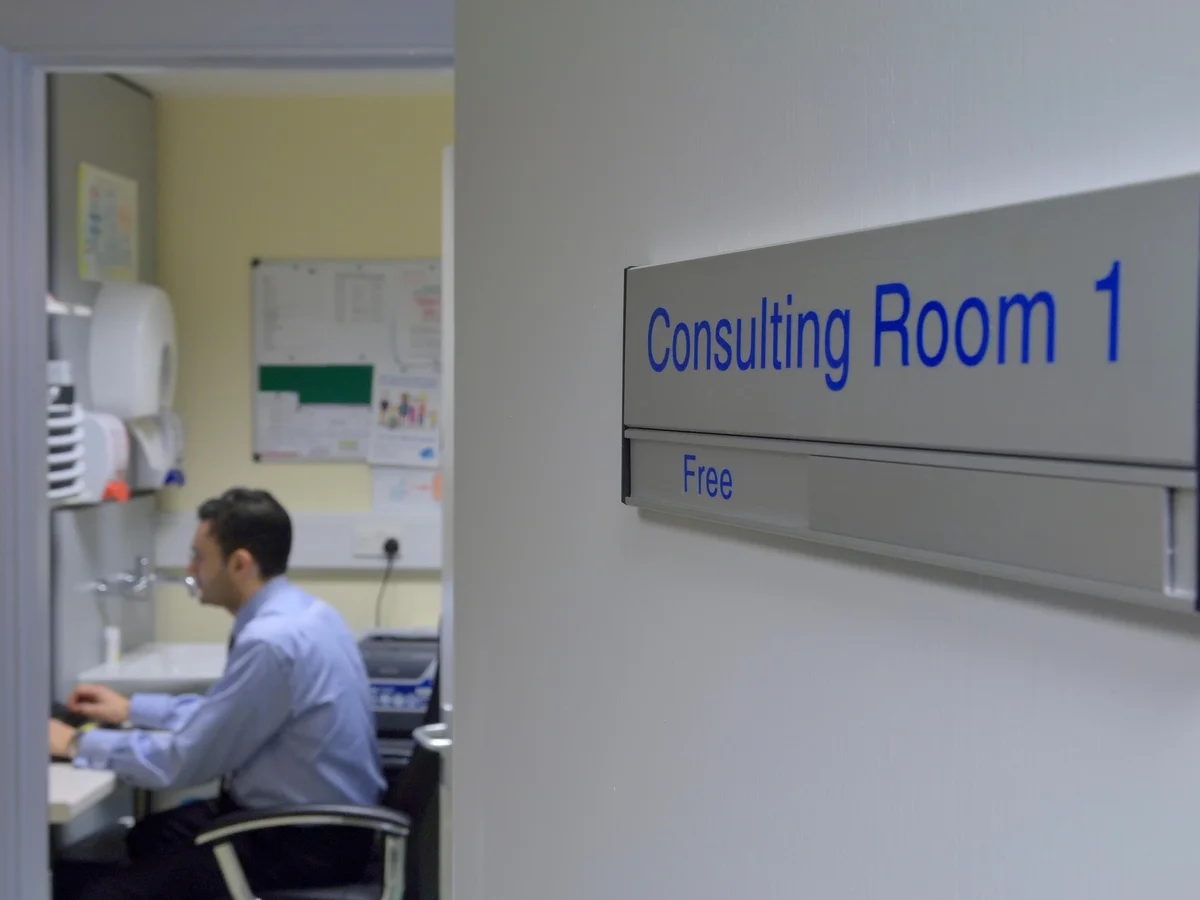
From Monday, all 6,170 GP practices in England will display posters highlighting Jess’s rule, which asks family doctors to consider face-to-face examinations, second opinions, or additional tests when patients have repeated appointments without clarity. Launched last September, the system has gained momentum with these visual reminders, reinforcing the message that persistent symptoms should never be overlooked. Health Secretary Wes Streeting said the initiative ensures patients are listened to and serious illnesses are caught early, turning tragedy into lasting change.

Jessica Brady, an Airbus engineer, contacted her GP surgery around 20 times within six months before her death in 2020. Reporting symptoms such as abdominal pain, vomiting, persistent coughing, and significant weight loss, her concerns were repeatedly addressed through virtual consultations during pandemic restrictions. She received medications including antibiotics and steroids, while some doctors suggested her symptoms might be related to long Covid. Only after her mother arranged a private consultation was cancer diagnosed, by which time it had already spread extensively.
The introduction of Jess’s rule seeks to prevent similar tragedies by ensuring repeated patient concerns trigger further investigation. GP surgeries across England have welcomed the initiative, with many committing to staff training and reinforcing the message to patients. Andrea Brady, Jessica’s mother, said the positive reception from GP practices has been “heartened” and expressed hope that the “three strikes and we rethink” approach will save lives.
Prof Victoria Tzortziou Brown, chair of the Royal College of GPs, emphasised that Jessica’s story serves as a crucial reminder: rare diagnoses, while uncommon, must always be considered. She highlighted that Jess’s rule reinforces clinical vigilance, encouraging doctors not to dismiss symptoms that persist despite multiple consultations. The posters, co-designed by the Brady family, NHS England, and the Department of Health and Social Care, aim to create a culture where patient voices are heard and reassessment is routine.
The campaign reflects a broader shift in UK healthcare towards patient-centred care, recognising that early detection is critical for successful treatment outcomes. By formalising a protocol for persistent symptoms, Jess’s rule ensures that GPs actively reconsider cases that could otherwise be misdiagnosed or delayed. The initiative has drawn praise from both medical professionals and patient advocacy groups for its potential to significantly reduce preventable deaths.
In addition to physical posters, GP surgeries will receive formal correspondence from Wes Streeting and Dr Claire Fuller, NHS England’s national medical director. These letters underline the importance of adherence to Jess’s rule, stressing that repeated appointments without diagnosis must trigger a structured review. The communications aim to ensure consistent understanding across practices, fostering a national standard for patient safety and clinician accountability.
Jessica’s experience highlights systemic challenges faced by patients during the pandemic, particularly reliance on virtual consultations that may miss critical physical signs. Jess’s rule addresses this gap by explicitly recommending in-person assessments after three appointments, empowering patients to advocate for themselves and ensuring no warning signs are overlooked. The Brady family hopes this policy will reduce the anxiety and uncertainty patients face when seeking medical help for persistent symptoms.
Health officials stress that Jess’s rule is not intended to replace clinical judgment but to complement it, offering a structured reminder that persistence of symptoms deserves deeper exploration. The initiative also encourages shared decision-making, where patients and clinicians work collaboratively to ensure comprehensive evaluation. Early reports suggest that surgeries are responding positively, with several developing internal guidelines and training sessions to support implementation.
As the posters reach GP waiting rooms across England, the campaign hopes to normalise open communication and reduce avoidable delays in diagnosis. By naming the initiative after Jessica Brady, the policy carries a human story, reinforcing the emotional importance of listening to patients. The campaign also aligns with broader NHS priorities of improving patient safety, promoting timely diagnosis, and preventing avoidable deaths through practical, actionable guidance.

The introduction of Jess’s rule represents a proactive approach to healthcare, combining patient advocacy with clinical oversight. By encouraging repeated assessment of unresolved symptoms, the system strengthens trust between patients and clinicians while mitigating risks of misdiagnosis. Both the Brady family and NHS leaders believe this initiative will set a precedent for similar programs in other areas of healthcare, ensuring lessons from tragic cases lead to meaningful systemic improvements.
Overall, Jess’s rule is positioned as a vital reminder that persistent symptoms must never be ignored. The national rollout of posters and guidance marks a decisive step towards safer, more responsive primary care in England. By empowering patients to request further investigation and urging clinicians to reassess assumptions, the initiative aims to transform healthcare practices and prevent unnecessary tragedies, ensuring stories like Jessica Brady’s are never repeated.
Related News:
 Mother dies after black market weight loss injection
 Young Woman Missed 13 Times by GPs Before Bowel Cancer Diagnosis
 Hospice Cuts Raise Alarm Across England Amid Funding Crisis
 How Bringing Forests Into Preschools Boosts Children’s Health
 The diet that can significantly ease symptoms of IBS
 Celebrities and Charities Demand UK Government Act on Child Poverty
 Long A&E waits causing heartbreaking suffering, charity says
 Experts Warn on Home Birth Risks, Call for Skilled Midwives
 Lancashire council plans to close care homes and day centres
 Britain could face worst flu season on record, NHS warns
 Experts Urge Legal Right to Timely Cancer Care
 Patients to Test Health at Home to Ease NHS Winter Pressure
 London’s Childlessness Crisis: Schools Closing as Families Shrink
 NHS Takes Over Nuffield Hospital in ‘Windfall’ for London Care
 North Sea oil workers must lose weight or face job loss
 Crisis charity to become landlord amid UK housing emergency
 No link found between paracetamol in pregnancy and autism
 UK Disability Pay Gap Means Millions Work for Free From Today
 Shouting Works Best to Deter Gulls, UK Study Finds
 Reeves rejects £1bn plea for NHS redundancy payouts
 NHS trust fined after woman takes life in mental health unit
 Leading doctors issue warning amid ‘bad’ flu season
 UK Centres Used Risky Heart Pump Despite Safety Fears
 Reeves Rejects £1bn NHS Payout Plea from Streeting
 New Campaign Trains Vets to Spot Farmers’ Health Risks
 Stroke Patient Mistaken for Drunk, Care Delayed
 ‘Traumatic Wait’: Northern Ireland Women Face Breast Cancer Delays
 Boris Johnson Oversaw Toxic No 10 Culture, Covid Inquiry Finds
 Welsh Government Christmas 2020 Lockdown Criticised
 Coffins Now Too Large to Cremate Amid Rising Obesity Crisis
 Thinktank Urges Smaller Hospitals to End NHS ‘Permacrisis’
 David Cameron Reveals Prostate Cancer Diagnosis, Advocates Screening
 NHS paediatric leave parents waiting months for answers
 Catherine urges end to stigma around addiction
 11 Best Supermarket Wines Chosen by Experts and Sommeliers
 Inquiry Opens Into Disgraced Surgeon Eljamel Scandal
 Five-Year-Old Dies After Rare Tonsil Surgery Complication
 Fibromyalgia Patients Struggle as NHS Fails to Provide Care
 More Patients Now Contacting GPs Online, Data Shows
 Streeting launches review into mental health and ADHD diagnoses
 Flu cases in Scotland more than double in a week
 People in England’s Poorest Areas Face Higher Lung Health Emergencies
 MND Patients Die Waiting for Home Adaptations in England
 Minor A&E Visits Surge Across England as Hospitals Face Pressure
 Children to Receive Home Vaccines as England Acts
 UK children to get chickenpox jab with MMRV vaccine
 UK Enforces Junk Food Ad Ban Before 9pm
 Salt Intake England: Crisps Comparison Sparks Health Alarm
 Weight Loss Jabs Linked to Rapid Weight Regain, New Study Shows
 Patients Collapsing in NHS Corridors, Watchdog Warns
 Offenders to Receive Health Support During Probation Appointments
 NHS Violence Crisis: Staff Face Daily Assaults
 Celebrity Campaign Highlights SMA Screening Failures
 NHS corridor care crisis sparks fears over patient safety
 The Ketamine Crisis in the UK is a Silent Epidemic Leaving Users with Lifelong Pain
 Systemic Racism in Maternity Care Continues to Endanger Black Women in England, MPs Warn
 One in Three GPs in England Do Not Work in NHS, Raising Concerns Over Access to Care
 Questions Remain as Rugby Legend Lewis Moody Faces Motor Neurone Disease Diagnosis
 M&S and Morrisons Lead Christmas Supermarket Taste Test
 New Prostate Cancer Drug Set to Halve Death Risk in England
 Peterborough Mosques Tighten Security After Attack
 Reeves Faces Setback as Labour May Miss Homes Target
 Kate Winslet to Narrate Film Highlighting King’s Environmental Mission
 Trump’s UK Ambassador Urges North Sea Drilling to Strengthen US Ties
 UK Bans Fake Numbers: Scammers Lose Their Trick
 M&S Profits More Than Halve After Cyber-Attack
 Millionaires group urge Reeves to introduce wealth tax to ‘lift kids out of poverty’
 Northern Lights may illuminate UK skies this week
 PM Condemns Leaks, Vows Loyalty to Ministers and Stability
 Major Rent Reform Ends No-Fault Evictions in England
 Inside the Helpline Protecting Missing Children in the UK
 Boots Showstopper Beauty Bundle Outshines Many Advent Calendars This Holiday Season
 PlayStation PS5 Deals Hit Lowest Prices Ahead of Black Friday
 Starmer Says Labour’s Economic Plan Needs Years to Deliver
 UK unemployment rises to four-year high of 5.1% before budget
 Wiltshire Police Use Lasso to Catch Rampaging Village Goat
 Childhood Hypertension Sparks Urgent UK Testing Calls
 Cambridge College Faces Backlash Over Private School Recruitment
 Bereaved Fathers Gain New Paternity Leave Rights in UK
 Woman Jailed for Life After Killing E-Bike Rider in Tragic Mistaken Identity Case