Published: 20 January 2026. The English Chronicle Desk. The English Chronicle Online.
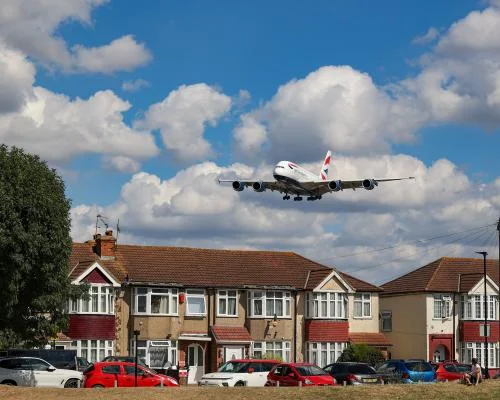
Airspace reform in the UK is raising concerns as campaigners warn that public input on flight paths could be sidelined. The government’s latest airspace modernisation plans aim to improve efficiency and support airport expansion, particularly a third runway at Heathrow. However, critics argue communities may have minimal say in crucial decisions, as consultations increasingly prioritise industry interests over noise and local concerns. Aviation campaigners emphasise that changes in flight paths under this airspace reform could impact hundreds of thousands of residents, while public health and environmental considerations risk being overlooked.
Airspace across the UK is set to be reconfigured under the airspace reform, designed to reduce delays and enhance aviation efficiency. Heathrow has stated that these changes are essential for its planned expansion, which includes a third runway that could significantly increase air traffic. Yet campaigners fear that the public will now have only a symbolic role in consultations, with decisions increasingly determined by aviation industry standards rather than local needs.
The government’s proposals notably reduce the emphasis on noise impacts, lowering the minimum altitude at which noise is considered from 7,000ft to 4,000ft. This change has alarmed campaigners, who stress that aircraft noise continues to affect communities well above this threshold. Experts warn that many residents living under new flight paths could experience disturbances for the first time, particularly near Heathrow, Gatwick, and Luton airports, which have all received approval for expansion.

The Aviation Environment Federation (AEF) highlighted that the new UK Airspace Design Service, intended to guide flight path planning nationally, appears to exclude community representatives. Charles Lloyd, of AEF, stated that while airspace modernisation has been ongoing since 2017 with promises of community engagement, the current approach marks a significant shift. Local residents are now likely to have minimal influence on decisions affecting their environment and quality of life.
Paul Beckford, policy director at Hacan, condemned the Department for Transport (DfT) and Civil Aviation Authority (CAA) consultations as “the worst tick-box exercise” he has witnessed. He added that these processes prioritise economic growth over meaningful public involvement and environmental safeguards. Similarly, the group Communities Against Gatwick Noise Emissions (Cagne) criticised the timing of consultations, stressing that those affected by aircraft noise would effectively have no voice.
Government officials defend the reforms, arguing that much of the UK’s airspace remains based on designs from the 1950s, when flight numbers were vastly lower. A DfT spokesperson explained that modernising the airspace is crucial to manage noise, reduce emissions, and accommodate the current aviation demand, which has increased tenfold since mid-20th century. The spokesperson emphasised that these measures are necessary to support a thriving aviation sector while addressing environmental concerns.
The CAA confirmed it remains the ultimate authority on flight path decisions, asserting that public consultation will still be part of the process. Nevertheless, campaigners worry that these consultations may have limited influence over the actual outcomes, given the reduced regulatory focus on noise and the dominance of industry-led planning.
Legal challenges are also underway. Cagne has taken the government’s decision to approve a second operating runway at Gatwick to the high court. Their judicial review addresses concerns over emissions and noise assessment, with hearings scheduled this week. The case could have significant implications for how much weight public and environmental considerations carry in future aviation planning.
In parallel, the government announced a £43m “green aviation” fund to support research and development aimed at reducing flight emissions. Transport Secretary Heidi Alexander stated that the initiative would encourage cutting-edge technology, stimulate economic growth, and create highly skilled jobs. However, critics caution that technological investment cannot replace meaningful community input, which remains limited under the current reforms.

Campaigners argue that the government’s approach prioritises airport efficiency and economic expansion over the everyday experiences of residents living near flight paths. Airspace modernisation may bring long-term benefits for the aviation sector, but communities fear their voices will be drowned out by the emphasis on operational metrics and financial returns. Local campaigns continue to highlight noise pollution, environmental concerns, and public health risks, underscoring the tension between national ambitions and grassroots advocacy.
As the debate unfolds, the future of UK aviation will hinge not only on infrastructure and technological upgrades but also on the government’s willingness to balance efficiency with the rights and well-being of affected communities. Residents and campaigners remain determined to ensure their concerns are not ignored, signalling potential legal and political challenges ahead for policymakers.
The airspace reform dispute reflects a broader global conversation on sustainable aviation and community engagement, highlighting the need for transparent, inclusive decision-making. While modernisation promises economic and operational benefits, the human and environmental impacts cannot be overlooked. The coming months may define whether UK airspace reforms truly deliver progress for all stakeholders or predominantly serve industry priorities.
Related News:
 Peterborough Mosques Tighten Security After Attack
 Reeves Faces Setback as Labour May Miss Homes Target
 Hospice Cuts Raise Alarm Across England Amid Funding Crisis
 UK Woman Loses Child Benefit After Booking Flight She Never Took
 Kate Winslet to Narrate Film Highlighting King’s Environmental Mission
 Green Party Surges Past Labour in Latest UK Poll
 Celebrities and Charities Demand UK Government Act on Child Poverty
 Trump’s UK Ambassador Urges North Sea Drilling to Strengthen US Ties
 Children to Learn Local History in Major Curriculum Overhaul
 FBI Director Kash Patel Defends Girlfriend Amid Government Jet Claims
 Granit Xhaka Rescue Earns Everton Draw at Sunderland
 French Taxi Driver Cleared in David Lammy Theft Case After Fare Dispute
 The Lowry Hotel: Manchester’s Iconic Five-Star Retreat
 UK Bans Fake Numbers: Scammers Lose Their Trick
 Prince William Plants Trees with Brazil’s Nature Heroes
 Top Christmas Books Reads: Classics to Cozy Romcoms
 M&S Profits More Than Halve After Cyber-Attack
 Just Stop Oil Protesters Convicted Amid Climate Defence Row
 Kent village told to remove flags before Christmas lights go up
 Tony Blair think tank warns Rachel Reeves must cut taxes if manifesto broken
 Patients to Test Health at Home to Ease NHS Winter Pressure
 Bellingham has ‘the edge’ among England No 10s
 King Charles to Lead Nation in Remembrance Sunday Service
 How to get help when a child goes missing – call 999 urgently
 Palace May Restore Hyphen to Andrew Mountbatten-Windsor’s Name
 Millionaires group urge Reeves to introduce wealth tax to ‘lift kids out of poverty’
 Starmer Faces Growing Dissent as Labour MPs Weigh Leadership Challenge
 Shouting Works Best to Deter Gulls, UK Study Finds
 Mary Earps’s Manchester United Return Faces Mixed Reception
 Reeves rejects £1bn plea for NHS redundancy payouts
 Northern Lights may illuminate UK skies this week
 PM Condemns Leaks, Vows Loyalty to Ministers and Stability
 Son Reveals UK Couple in Iran Resort to Hunger Strike for Help
 Major Rent Reform Ends No-Fault Evictions in England
 Peers Flood Assisted Dying Bill with 942 Amendments
 Former Lion Heskey Warns of Shortage of England Strikers
 Global markets drop amid tech sell-off and China slowdown
 Criminal Gangs Pose as Truckers to Hijack UK Supply Chains
 Mum Calls for New Licence Rules After Teen Road Death
 Stroke Patient Mistaken for Drunk, Care Delayed
 Mother Watches in Horror as Teen Daughter Dies on Tracks
 Van Dwellers Face Eviction After Park Misuse Sparks Outcry
 ‘Traumatic Wait’: Northern Ireland Women Face Breast Cancer Delays
 Serial Rapist and Former Cop Found Guilty Again
 Royal Navy Shadows Russian Warships Entering the Channel
 Coffins Now Too Large to Cremate Amid Rising Obesity Crisis
 Inside the Helpline Protecting Missing Children in the UK
 Most Tories Expect to Support a Farage-Led Government
 Boots Showstopper Beauty Bundle Outshines Many Advent Calendars This Holiday Season
 Bill Murray Terrified Wes Anderson but Became His Closest Collaborator
 Labour’s ‘blinkered’ drive to build risks pushing wildlife to point of no return, nature experts warn
 Labour MP claims devolution bill is ‘blatant discrimination’ against Cornwall
 PlayStation PS5 Deals Hit Lowest Prices Ahead of Black Friday
 Karen Carney Stuns on Blackpool Week, Deserves Strictly Final
 Millions Face Higher Taxes Under Reeves New Budget
 Five-Year-Old Dies After Rare Tonsil Surgery Complication
 Fibromyalgia Patients Struggle as NHS Fails to Provide Care
 Search underway for British man overboard off Tenerife
 Starmer Says Labour’s Economic Plan Needs Years to Deliver
 Virgin Media Fined £23.8m Over Telecare Safety Failures
 More Patients Now Contacting GPs Online, Data Shows
 Rising Water Bills Lift Troubled Thames Back to Profit
 UK unemployment rises to four-year high of 5.1% before budget
 Culture secretary to review Telegraph takeover by Daily Mail owner
 Wiltshire Police Use Lasso to Catch Rampaging Village Goat
 Prince George Helps Father at London Homelessness Charity
 Children to Receive Home Vaccines as England Acts
 Protest Rights Under Threat Across England and Wales
 Cambridge College Faces Backlash Over Private School Recruitment
 NHS Violence Crisis: Staff Face Daily Assaults
 Celebrity Campaign Highlights SMA Screening Failures
 Bereaved Fathers Gain New Paternity Leave Rights in UK
 Storm Goretti leaves Cornwall homes without power
 Plans to Limit Jury Trials Face Retreat After Mounting Opposition
 New Documentary Examines Teen’s Zombie Knife Murder
 Amazon Milton Keynes closure sparks concern for UK warehouse workforce
 Woman Jailed for Life After Killing E-Bike Rider in Tragic Mistaken Identity Case
 Right Must Unite After Jenrick Defection, Urges Rees-Mogg
 UK Ministers Drop Foreign Student Targets for Global Education Push
MPs warn AI financial risks threaten UK stability
UK Ministers Drop Foreign Student Targets for Global Education Push
MPs warn AI financial risks threaten UK stability