Published: 21 January 2026. The English Chronicle Desk. The English Chronicle Online.
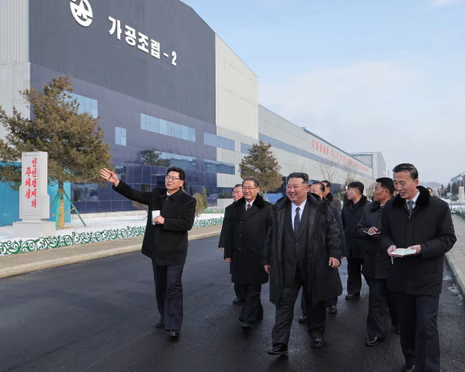
North Korea’s recent political shake-up highlights a serious North Korea crisis after Kim Jong-un dismissed a vice-premier over industrial mismanagement. The leader accused Yang Sung-ho of failing to deliver on the Ryongsong Machine Complex modernisation project, likening him to “a goat yoked to an ox cart,” reflecting Kim’s intense leadership style and zero tolerance for perceived incompetence. Analysts suggest this North Korea crisis signals increasing pressure on officials to perform ahead of a major Workers’ Party congress, which is expected to showcase new economic and political priorities while reshaping key leadership positions.
The dismissal comes just weeks before the party congress, the first in five years, which North Korean state media describes as a pivotal event to assess past achievements and outline future directives. KCNA reported that Kim sharply criticised Yang for causing “unnecessary man-made confusion” and significant economic losses during the factory modernisation project. According to the state news agency, Kim had previously addressed Yang’s failures during a December party meeting, but the vice-premier reportedly showed no accountability.

Kim’s metaphor of a goat attempting to pull an ox cart is more than rhetorical. It underlines a wider North Korea crisis in administrative competence, where top officials are being held responsible for structural problems that extend beyond individual failures. Experts note that North Korea’s systemic focus on weapons development and centralised economy has historically diverted resources from productive industrial projects, including vital manufacturing initiatives like the Ryongsong Complex.
Kwak Gil-sup, director of the One Korea Center, stated that public dismissals and harsh criticism are a recurring feature of Kim’s governance, designed to instil “extreme tensions among senior officials” and ensure adherence to party directives. Meanwhile, Moon Seong-mook of the Korea Research Institute for National Strategy suggested the factory’s troubles stem from broader structural inefficiencies, not merely Yang’s shortcomings. He argued that the prioritisation of nuclear and missile programmes has left little room for efficient economic management, making officials scapegoats for systemic failures.
The economic challenges facing North Korea have deepened since the Covid-19 pandemic. While South Korea’s central bank reports a modest 3.7% growth in 2024, independent observers argue this recovery is superficial, with wealth concentrated in the ruling elite and military-industrial sectors. This dynamic has exacerbated social inequalities, leaving ordinary citizens largely excluded from economic improvements, and magnifying the North Korea crisis in governance and administration.
The upcoming Workers’ Party congress is expected to signal Kim’s strategic intentions both domestically and internationally. Analysts predict an emphasis on strengthening alliances with Russia, China, and other supportive states while cautiously pursuing incremental economic reforms. The congress may also clarify North Korea’s position on international diplomacy, particularly regarding potential engagement with the United States, which could be influenced by former President Trump’s planned visit to Beijing in April.
Observers believe Kim may use the congress to formally consolidate his policy of simultaneously advancing nuclear and conventional weapons capabilities. This dual approach, combined with strict internal accountability measures like Yang’s dismissal, underscores the regime’s determination to maintain control over both domestic and foreign policy agendas.
The firing of a high-ranking official for operational failures highlights the intricate balance between leadership discipline and systemic dysfunction. By framing individual officials as responsible for larger economic inefficiencies, Kim Jong-un strengthens his narrative of absolute control, even amid persistent structural challenges. Analysts warn that without addressing underlying economic inefficiencies, North Korea risks ongoing stagnation, further aggravating its North Korea crisis.

Kim’s approach also raises questions about the potential impact on morale among mid- and senior-level bureaucrats. The public reprimand serves as both a warning and a signal that loyalty and performance are inseparable in North Korea’s political hierarchy. While such tactics may reinforce short-term compliance, experts caution that systemic mismanagement cannot be fully resolved by personnel changes alone, suggesting the North Korea crisis may persist without broader economic reforms.
The Workers’ Party congress, anticipated to convene later this month or early February, is expected to set the tone for North Korea’s economic and diplomatic trajectory. Analysts will watch closely for signs of policy shifts, particularly whether Kim will pursue renewed engagement with international partners to alleviate economic pressures or continue prioritising military development above industrial efficiency.
In summary, Kim Jong-un’s recent firing of vice-premier Yang Sung-ho signals intensified pressure on North Korean officials ahead of a significant political congress. This decision reflects both Kim’s authoritarian leadership style and the deeper structural challenges that perpetuate the North Korea crisis. With limited economic growth, an emphasis on military spending, and internal administrative inefficiencies, North Korea faces persistent hurdles that extend far beyond individual leadership failures.
Related News:
 Shock US Raid: Maduro Pleads Not Guilty in Manhattan Court
 Trump Plans Venezuela Meeting, Warns of Cartel Land Strikes
 Mandelson apologises over Epstein ties after public scrutiny
 Rudd successor: Defence chief and former ministers considered
 US Senate rejects resolution limiting Trump military powers
 Trump Calls Greenland Critical for US Security After Denmark Talks
 Trump: Iran Killing Has Stopped, Strike Threats Pulled Back
 Machado Trump medal gesture reshapes Venezuela power struggle
 Trump Receives Machado’s Nobel Medal in White House Meeting
 Iran unrest slows under brutal crackdown and global tensions
 Trump Allies Pursue $200m European Gas Pipeline Deal
 US Considers Asylum for British Jews Amid Rising Antisemitism
 Starmer Challenges US Over Controversial Greenland Deal
 Spoof “Make America Go Away” Caps Rally Denmark Over Greenland
 Trump slams UK ‘stupidity’ over Chagos Islands, eyes Greenland takeover
 UK Presses On With Chagos Handover Despite Trump Criticism
 Green Party Surges Past Labour in Latest UK Poll
 Celebrities and Charities Demand UK Government Act on Child Poverty
 Army Officers Orders to Cut Ties with Men-Only Clubs
 Trump’s UK Ambassador Urges North Sea Drilling to Strengthen US Ties
 FBI Director Kash Patel Defends Girlfriend Amid Government Jet Claims
 French Taxi Driver Cleared in David Lammy Theft Case After Fare Dispute
 Labour immigration crackdown could cost UK £4.4bn
BBC to Apologise Over Edited Trump Speech Amid Backlash
Labour immigration crackdown could cost UK £4.4bn
BBC to Apologise Over Edited Trump Speech Amid Backlash
 Britain deploys RAF specialists to assist Belgium with drone threats
 Millionaires group urge Reeves to introduce wealth tax to ‘lift kids out of poverty’
 Starmer Faces Growing Dissent as Labour MPs Weigh Leadership Challenge
 Reeves rejects £1bn plea for NHS redundancy payouts
 PM Condemns Leaks, Vows Loyalty to Ministers and Stability
 Major Rent Reform Ends No-Fault Evictions in England
 Peers Flood Assisted Dying Bill with 942 Amendments
 Senator John Fetterman Hospitalized After Fall from Heart Flare-Up, Keeps Sense of Humor
 US Justice Department Files Lawsuit Against California Over Partisan Voting Maps
 Greene Pushes Epstein Files Amid Trump Fallout
 Trump Deploys DHS to Charlotte in Major Arrest Operation
 December Run-Off in Chile as Election Produces No Winner
 Canada Passes Carney’s First Budget in Tight Parliamentary Vote
 Shadow Fleet at Sea: Europe’s Battle Against Illicit Oil Shipping
 Pentagon Officials in Ukraine to Discuss War End
 Venezuela Threatens Nobel Winner Machado with Fugitive Status
 Most Tories Expect to Support a Farage-Led Government
 Labour MP claims devolution bill is ‘blatant discrimination’ against Cornwall
 Millions Face Higher Taxes Under Reeves New Budget
 Georgians Defy Government Crackdown After Year of Protests
 US National Guard Member Killed in DC Shooting
 ICC to Rule on Duterte’s Provisional Release
 Jordan Bardella: France’s Young Presidential Contender
 Starmer Says Labour’s Economic Plan Needs Years to Deliver
 EU plans $105bn Ukraine aid using frozen Russian assets
 Global campaign launched to free Palestinian leader Barghouti
 Culture secretary to review Telegraph takeover by Daily Mail owner
 Khaleda Zia Death in Bangladesh: First Female PM Dies at 80
 Russia losses Ukraine war peace talks intensify amid rising deaths
 Zelenskyy Accuses Russia of Sabotaging Peace Talks
 Albanese Opens Door to Bondi Royal Commission Amid Rising Pressure
 Trump Escalates Minnesota Immigration Surge Amid Rising Tensions
 Capitol Attack Anniversary Sparks Deep Political Divide
 Saudi Officials Report Zubaidi Flee Before Yemen Peace Talks
 UK Targets in New York Bomb Threat Hoax: Man Jailed
 Gambia Supreme Court Hears Case to Overturn FGM Ban
 Iran Protesters Defy Crackdown as Violent Clashes Intensify
 Homeland security agents deployed amid Minneapolis protests
 Plans to Limit Jury Trials Face Retreat After Mounting Opposition
 Trump targets Iran trade with 25% tariff warning
 Hanson and Joyce Use Rinehart Jet to Tour Flooded Queensland
 Trump Threatens Strong Action If Iran Executes Protesters
 Quebec Premier François Legault Resigns in Surprise Move
 Gulf states warn Trump Iran strikes risk wider Middle East war
 Greenland defence seen as shared Nato duty amid troop arrivals
 Geopolitical football: Iran, Trump and the World Cup clash
 Canada-China trade gains momentum in new strategic partnership
 Right Must Unite After Jenrick Defection, Urges Rees-Mogg
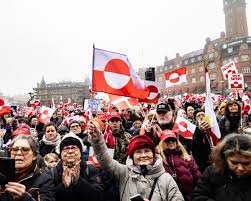 EU weighs response amid Greenland tariff crisis with Trump
 Syria President Declares Victory as Ceasefire Reached with SDF
 ICE street raids expose a chilling future for public freedoms
 UK Ministers Drop Foreign Student Targets for Global Education Push
 MPs warn AI financial risks threaten UK stability
 MPs warn AI financial risks threaten UK stability
 No Gas Boiler Ban as UK Warm Homes Plan Backs Heat Pumps
 Hugh Grant Joins Call for Under-16 Social Media Ban in UK