Published: 21 January 2026. The English Chronicle Desk. The English Chronicle Online.
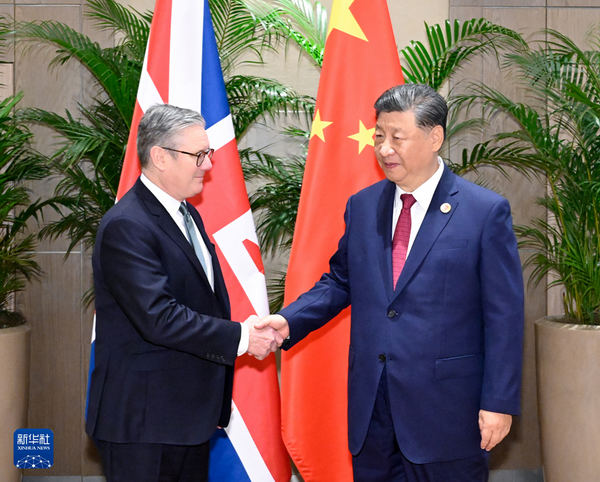
Keir Starmer is reportedly preparing for a UK-China visit next week, aiming to strengthen economic ties between British companies and Chinese institutions. This UK-China visit comes after his government approved Beijing’s plan to build a new embassy in London, signaling a renewed commitment to trade and diplomacy. Leading a delegation of top UK firms, including BP, HSBC, Jaguar Land Rover, Rolls-Royce, and Intercontinental Hotels Group, Starmer intends to revitalize the UK-China CEO council, which seeks to coordinate high-level business engagement between the two nations.
The UK-China visit also follows extensive planning by British officials, including national security adviser Jonathan Powell, who met China’s top diplomat Wang Yi in November. Powell’s meetings ensured that potential risks associated with the embassy construction near the Tower of London were addressed before Starmer’s visit. Communities Secretary Steve Reed recently approved the embassy plan, although local residents are raising legal challenges that could delay aspects of the project.\

The UK-China CEO council, originally established in 2018 by former Prime Minister Theresa May and Premier Li Keqiang, will be a key focus during Starmer’s UK-China visit. On the Chinese side, Bank of China, China Construction Bank, China Mobile, and Industrial and Commercial Bank of China are expected to participate. Analysts describe the council as a strategic platform to coordinate initiatives in energy, finance, infrastructure, and technology, offering both economic opportunities and a chance to navigate regulatory and security challenges.
China has confirmed that all planning for the new embassy follows international diplomatic practices and relevant laws. Spokesperson Guo Jiakun emphasized that host countries are obliged to provide support and construction for diplomatic premises. The statement reassures both countries that the upcoming UK-China visit will not face major diplomatic barriers, despite ongoing tensions related to espionage controversies and Arctic security issues.
The visit also aims to continue the momentum generated by previous ministerial trips. Chancellor Rachel Reeves recently secured £600 million in Chinese investments, while Energy Secretary Ed Miliband and Trade Secretary Peter Kyle engaged with Chinese counterparts to strengthen sector-specific partnerships. Starmer’s UK-China visit therefore represents both political symbolism and concrete economic planning, underscoring the UK government’s intention to integrate trade and diplomacy.
Public reactions are mixed, reflecting broader concerns about transparency and national security. Local residents near Royal Mint Court, the embassy site, have raised funds to seek judicial review, claiming that the approval may have overlooked critical evidence. Observers suggest these legal proceedings could affect aspects of Starmer’s visit, but are unlikely to disrupt key diplomatic meetings or business engagements.
The council meetings planned during the UK-China visit are expected to focus on promoting trade, investment, and collaboration while addressing security risks and regulatory alignment. Experts highlight that such structured dialogue is crucial to maintaining trust between both governments and business sectors, especially given growing competition from other global powers.

Beyond immediate business objectives, the UK-China visit carries symbolic importance. It is the first prime ministerial visit since Theresa May’s 2018 trip, signaling the UK’s commitment to high-level engagement with China. Observers note that this visit may set the tone for future bilateral relations, balancing economic priorities with strategic considerations. Chinese media have highlighted the visit as evidence of strong UK-China relations, emphasizing its role in facilitating new investment opportunities and technological cooperation.
Starmer’s visit demonstrates the UK’s strategic approach to international diplomacy. By combining political engagement with business participation, the government aims to strengthen economic partnerships without compromising national security. Outcomes will likely be measured in investment growth, trade expansion, and the quality of dialogue between UK and Chinese officials.
As Starmer departs for China, the international community will closely observe the outcomes of this UK-China visit, assessing its impact on bilateral relations, business development, and geopolitical dynamics. The visit is designed to position the UK as a pragmatic partner, capable of leveraging trade as a cornerstone of diplomacy while safeguarding its national interests.
Related News:
 Tories Push to Dilute Labour’s Workers’ Rights Bill
 Wales May Introduce Four-Day Work Week After Elections
 Trump’s UK Ambassador Urges North Sea Drilling to Strengthen US Ties
 Rachel Reeves Set to Break Labour Pledge and Raise Income Tax
 Thinktanks Urge Rachel Reeves to Reform UK Tax System
 Company linked to Michelle Mone owes £39m in tax
MPs Press Rachel Reeves to Hike Gambling Taxes
Company linked to Michelle Mone owes £39m in tax
MPs Press Rachel Reeves to Hike Gambling Taxes
 Cuts to home insulation funding threaten UK climate goals
 Millionaires group urge Reeves to introduce wealth tax to ‘lift kids out of poverty’
 Canada Passes Carney’s First Budget in Tight Parliamentary Vote
 PM Highlights UK Business at G20 in South Africa
 English Mayors Set to Introduce Tourist Taxes
 India’s Labour Law Overhaul Sparks Fierce Debate
 Carney’s Alberta Pipeline Deal Sparks Immediate Pushback
 Starmer Says Labour’s Economic Plan Needs Years to Deliver
BBC bosses ‘right to stick by their guns’ against Trump, says minister
Starmer Says Labour’s Economic Plan Needs Years to Deliver
BBC bosses ‘right to stick by their guns’ against Trump, says minister
 Closer EU Trade Ties ‘Strategic Necessity’ for UK Firms
 Austrian Airlines Halts Tehran Flights Amid Political Unrest
 Starmer links foreign trips to tackling cost of living crisis
 Mark Carney Walks Diplomatic Tightrope on China Visit
 Government Unveils Northern Powerhouse Rail Plans
 China Dependence Threatens UK Energy Supply Chains and Jobs
 MPs warn AI financial risks threaten UK stability
 MPs warn AI financial risks threaten UK stability
 Trump Fed bid heads to Supreme Court
 Chancellor Rachel Reeves Pushes for Sweeping Changes to Environmental Protections to Accelerate Development
 Kemi Badenoch Unveils ‘Golden Rule’ to Halve Spending Cuts for Deficit Reduction at Tory Conference
 Reeves Faces Setback as Labour May Miss Homes Target
 Virgin Trains Moves Closer to Challenging Eurostar Monopoly
 Green Party Surges Past Labour in Latest UK Poll
 Army Officers Orders to Cut Ties with Men-Only Clubs
 Ryanair Chief UK Economy ‘Doomed’ Under Labour
 French Taxi Driver Cleared in David Lammy Theft Case After Fare Dispute
M&S Profits More Than Halve After Cyber-Attack
French Taxi Driver Cleared in David Lammy Theft Case After Fare Dispute
M&S Profits More Than Halve After Cyber-Attack
 Tony Blair think tank warns Rachel Reeves must cut taxes if manifesto broken
 Labour immigration crackdown could cost UK £4.4bn
 Earl of Yarmouth Faces £1.3m Legal Bill Over Family Estate
BBC to Apologise Over Edited Trump Speech Amid Backlash
Earl of Yarmouth Faces £1.3m Legal Bill Over Family Estate
BBC to Apologise Over Edited Trump Speech Amid Backlash
 Britain deploys RAF specialists to assist Belgium with drone threats
 Starmer Faces Growing Dissent as Labour MPs Weigh Leadership Challenge
 From Lego to Pokémon: How Adults Are Driving UK Toy Market Growth
 Reeves rejects £1bn plea for NHS redundancy payouts
 New laws to bolster UK’s defences against cyber attacks on NHS, transport and energy
 Skims Eyes Global Expansion After Reaching $5 Billion Value
 PM Condemns Leaks, Vows Loyalty to Ministers and Stability
 Major Rent Reform Ends No-Fault Evictions in England
 Peers Flood Assisted Dying Bill with 942 Amendments
 Senator John Fetterman Hospitalized After Fall from Heart Flare-Up, Keeps Sense of Humor
 US Justice Department Files Lawsuit Against California Over Partisan Voting Maps
 Global markets drop amid tech sell-off and China slowdown
 Greene Pushes Epstein Files Amid Trump Fallout
 Trump Deploys DHS to Charlotte in Major Arrest Operation
 December Run-Off in Chile as Election Produces No Winner
 Shadow Fleet at Sea: Europe’s Battle Against Illicit Oil Shipping
 Pentagon Officials in Ukraine to Discuss War End
 Venezuela Threatens Nobel Winner Machado with Fugitive Status
 Most Tories Expect to Support a Farage-Led Government
 Labour MP claims devolution bill is ‘blatant discrimination’ against Cornwall
 Georgians Defy Government Crackdown After Year of Protests
 US National Guard Member Killed in DC Shooting
 ICC to Rule on Duterte’s Provisional Release
 Jordan Bardella: France’s Young Presidential Contender
 Virgin Media Fined £23.8m Over Telecare Safety Failures
 EU plans $105bn Ukraine aid using frozen Russian assets
 Culture secretary to review Telegraph takeover by Daily Mail owner
 Khaleda Zia Death in Bangladesh: First Female PM Dies at 80
 Russia losses Ukraine war peace talks intensify amid rising deaths
 FTSE 100 Hits 10,000: UK Market Celebrates Record Year
 Albanese Opens Door to Bondi Royal Commission Amid Rising Pressure
 Trump Escalates Minnesota Immigration Surge Amid Rising Tensions
 Iran Protesters Defy Crackdown as Violent Clashes Intensify
 Homeland security agents deployed amid Minneapolis protests
 Trump Threatens Strong Action If Iran Executes Protesters
 US Senate rejects resolution limiting Trump military powers
 Machado Trump medal gesture reshapes Venezuela power struggle
 Right Must Unite After Jenrick Defection, Urges Rees-Mogg
 EU weighs response amid Greenland tariff crisis with Trump
 UK Ministers Drop Foreign Student Targets for Global Education Push
 No Gas Boiler Ban as UK Warm Homes Plan Backs Heat Pumps
 Shinzo Abe’s killer receives life sentence in Japan