Published: 21 January 2026. The English Chronicle Desk. The English Chronicle Online.
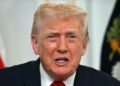
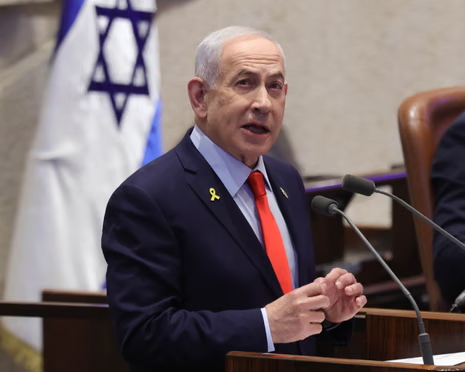
Israel’s prime minister, Benjamin Netanyahu, has confirmed he will join a US-led initiative called the “board of peace,” a development that comes despite earlier objections from his office regarding the committee’s membership. The board of peace, proposed by former US president Donald Trump, initially aimed to oversee a ceasefire in Gaza, but has since expanded its scope, potentially positioning itself as a global conflict mediation body beyond the Middle East. Netanyahu’s acceptance signals a major diplomatic shift, reflecting Israel’s willingness to engage with the board despite previous criticism of its executive composition.
The board of peace is chaired by Trump and has been presented as a limited forum of international leaders responsible for promoting regional stability. However, recent communications from the Trump camp indicate ambitions far exceeding this narrow mandate, inviting countries worldwide to participate. The proposal has prompted concerns among diplomats who warn that the board could undermine existing international institutions, particularly the United Nations, and potentially weaken multilateral conflict resolution frameworks.

Trump has openly questioned the UN’s effectiveness, stating in a recent press briefing that the world body “hasn’t been very helpful” and “has never lived up to its potential,” although he also insisted that the UN should continue operating due to its significant potential. Such statements underscore the board of peace’s role as a US-driven alternative for conflict management, further illustrating the geopolitical complexities surrounding the initiative.
Israel initially expressed reservations over the board of peace, primarily due to the inclusion of Turkey on the executive committee, a nation with a historically adversarial stance toward Israel. Netanyahu’s office described the committee’s formation as “contrary to its policy” and criticised the lack of coordination with the Israeli government. Despite this, the prime minister’s recent acceptance reflects a strategic decision to engage diplomatically, even amidst domestic opposition from far-right coalition members, who have openly rejected US-backed postwar governance plans in Gaza.
The Trump administration has extended invitations to approximately 60 countries to join the board of peace. Participating nations already include the United Arab Emirates, Morocco, Vietnam, Belarus, Hungary, Kazakhstan, and Argentina. Meanwhile, other influential players such as the UK, Russia, and the European Union’s executive arm have acknowledged receipt of invitations but have yet to confirm their participation. This wide-ranging engagement highlights the board of peace’s ambition to become a significant global diplomatic platform.
A draft charter circulated by the US administration outlines financial commitments and governance structures for the board of peace. Member states are expected to contribute $1 billion in cash if they wish to extend membership beyond three years. The charter stipulates that terms of service are renewable at the discretion of the chairman, who also holds sweeping powers to remove member states or appoint a successor if needed. Such provisions have raised concerns among diplomats regarding potential centralisation of authority and the bypassing of established international norms.
The proposed board of peace has triggered debate among global policymakers. Critics suggest the initiative could weaken the UN’s credibility and fragment multilateral efforts by creating an alternative decision-making body with a US-centric leadership model. The draft charter explicitly encourages members to “depart from approaches and institutions that have too often failed,” a phrase interpreted as a direct critique of traditional international organisations. Trump’s previous announcements of withdrawing the US from 66 international treaties and organisations, many linked to the UN, reinforce the perception that the board of peace could serve as a vehicle to reshape global governance.
Israel’s involvement in the board of peace may also have regional implications. By participating, Netanyahu signals a willingness to engage with international frameworks outside traditional UN channels, potentially recalibrating Israel’s diplomatic relations with Middle Eastern countries. Nonetheless, domestic opposition remains significant, with critics arguing that the initiative sidesteps pressing local concerns, including postwar governance and Palestinian territorial rights. The decision to join the board of peace thus illustrates the delicate balance Netanyahu seeks between international engagement and internal political pressures.
Observers note that the inclusion of countries from various continents, such as Africa, Europe, and Asia, may lend legitimacy to the board of peace, yet the financial and procedural requirements outlined in the draft charter could limit broader participation. With membership contingent on substantial monetary contributions, the initiative risks being viewed as exclusive and heavily influenced by wealthier states, further complicating its perception as a neutral global peace forum.
Despite these challenges, Netanyahu’s agreement marks a notable development in international diplomacy. It reflects a growing trend of US-led, bilateral or multilateral initiatives that operate alongside, or even in competition with, traditional institutions like the UN. The board of peace may act as a test case for such models, examining whether smaller, selective groups of countries can effectively manage international crises without broad multilateral consensus.
The Trump administration’s push for the board of peace illustrates a strategic vision of global leadership, one in which the United States and its allies exercise significant influence over international conflict resolution. While questions remain about accountability, transparency, and legitimacy, the initiative highlights the evolving nature of diplomatic engagement in the 21st century. Netanyahu’s participation, despite initial objections, underscores the complex calculus that leaders must navigate between domestic expectations, international obligations, and emerging alternative governance structures.

As negotiations and invitations continue, the board of peace will likely face scrutiny from both policymakers and global media. Its success or failure may set precedents for future international cooperation, particularly regarding the efficacy of selective, US-led initiatives versus established global institutions. With participation confirmed from diverse nations and tentative responses from others, the coming months will reveal whether the board of peace can assert itself as a credible mechanism for conflict resolution and global diplomacy.
The announcement also draws attention to the broader debate about US influence in global peacekeeping. By championing the board of peace, Trump demonstrates a vision of leadership that prioritises direct engagement with selected nations while questioning the effectiveness of longstanding international systems. For Israel, participation signifies both diplomatic pragmatism and a readiness to engage with novel approaches to regional and global peace.
In conclusion, Netanyahu’s decision to join the board of peace marks a critical moment in international relations, reflecting broader geopolitical strategies, domestic political considerations, and evolving attitudes toward multilateral institutions. The initiative continues to generate debate, with potential consequences for global governance and the future of conflict mediation. As the board of peace gains traction, its impact on both the Middle East and global diplomacy will be closely monitored by governments and international observers alike.
Related News:
 Shock US Raid: Maduro Pleads Not Guilty in Manhattan Court
 Trump Plans Venezuela Meeting, Warns of Cartel Land Strikes
 Mandelson apologises over Epstein ties after public scrutiny
 Rudd successor: Defence chief and former ministers considered
 US Senate rejects resolution limiting Trump military powers
 Trump Calls Greenland Critical for US Security After Denmark Talks
 Trump: Iran Killing Has Stopped, Strike Threats Pulled Back
 Machado Trump medal gesture reshapes Venezuela power struggle
 Trump Receives Machado’s Nobel Medal in White House Meeting
 Iran unrest slows under brutal crackdown and global tensions
 Trump Allies Pursue $200m European Gas Pipeline Deal
 US Considers Asylum for British Jews Amid Rising Antisemitism
 Starmer Challenges US Over Controversial Greenland Deal
 Spoof “Make America Go Away” Caps Rally Denmark Over Greenland
 Trump slams UK ‘stupidity’ over Chagos Islands, eyes Greenland takeover
 UK Presses On With Chagos Handover Despite Trump Criticism
 Kim Jong-un Fires Vice-Premier Over Factory Failures
 Shinzo Abe’s killer receives life sentence in Japan
 Starmer Resists Matching Trump Amid Greenland Tensions
 Green Party Surges Past Labour in Latest UK Poll
 Celebrities and Charities Demand UK Government Act on Child Poverty
 Army Officers Orders to Cut Ties with Men-Only Clubs
 Trump’s UK Ambassador Urges North Sea Drilling to Strengthen US Ties
 FBI Director Kash Patel Defends Girlfriend Amid Government Jet Claims
 French Taxi Driver Cleared in David Lammy Theft Case After Fare Dispute
 Labour immigration crackdown could cost UK £4.4bn
BBC to Apologise Over Edited Trump Speech Amid Backlash
Labour immigration crackdown could cost UK £4.4bn
BBC to Apologise Over Edited Trump Speech Amid Backlash
 Britain deploys RAF specialists to assist Belgium with drone threats
 ‘Reckless’ cuts to victims’ services will cost more than they save
 Millionaires group urge Reeves to introduce wealth tax to ‘lift kids out of poverty’
 Starmer Faces Growing Dissent as Labour MPs Weigh Leadership Challenge
 Reeves rejects £1bn plea for NHS redundancy payouts
 PM Condemns Leaks, Vows Loyalty to Ministers and Stability
 Major Rent Reform Ends No-Fault Evictions in England
 Peers Flood Assisted Dying Bill with 942 Amendments
 Senator John Fetterman Hospitalized After Fall from Heart Flare-Up, Keeps Sense of Humor
 US Justice Department Files Lawsuit Against California Over Partisan Voting Maps
 Greene Pushes Epstein Files Amid Trump Fallout
 Trump Deploys DHS to Charlotte in Major Arrest Operation
 December Run-Off in Chile as Election Produces No Winner
 Canada Passes Carney’s First Budget in Tight Parliamentary Vote
 Shadow Fleet at Sea: Europe’s Battle Against Illicit Oil Shipping
 Pentagon Officials in Ukraine to Discuss War End
 Venezuela Threatens Nobel Winner Machado with Fugitive Status
 Most Tories Expect to Support a Farage-Led Government
 Labour MP claims devolution bill is ‘blatant discrimination’ against Cornwall
 Millions Face Higher Taxes Under Reeves New Budget
 Georgians Defy Government Crackdown After Year of Protests
 US National Guard Member Killed in DC Shooting
 ICC to Rule on Duterte’s Provisional Release
 Jordan Bardella: France’s Young Presidential Contender
 Starmer Says Labour’s Economic Plan Needs Years to Deliver
 EU plans $105bn Ukraine aid using frozen Russian assets
 Culture secretary to review Telegraph takeover by Daily Mail owner
 Khaleda Zia Death in Bangladesh: First Female PM Dies at 80
 Russia losses Ukraine war peace talks intensify amid rising deaths
 Albanese Opens Door to Bondi Royal Commission Amid Rising Pressure
 Trump Escalates Minnesota Immigration Surge Amid Rising Tensions
 Capitol Attack Anniversary Sparks Deep Political Divide
 Saudi Officials Report Zubaidi Flee Before Yemen Peace Talks
 UK Targets in New York Bomb Threat Hoax: Man Jailed
 Gambia Supreme Court Hears Case to Overturn FGM Ban
 Iran Protesters Defy Crackdown as Violent Clashes Intensify
 Homeland security agents deployed amid Minneapolis protests
 Plans to Limit Jury Trials Face Retreat After Mounting Opposition
 Trump targets Iran trade with 25% tariff warning
 Hanson and Joyce Use Rinehart Jet to Tour Flooded Queensland
 Trump Threatens Strong Action If Iran Executes Protesters
 Quebec Premier François Legault Resigns in Surprise Move
 Gulf states warn Trump Iran strikes risk wider Middle East war
 Geopolitical football: Iran, Trump and the World Cup clash
 Canada-China trade gains momentum in new strategic partnership
 Right Must Unite After Jenrick Defection, Urges Rees-Mogg
 EU weighs response amid Greenland tariff crisis with Trump
 Syria President Declares Victory as Ceasefire Reached with SDF
 ICE street raids expose a chilling future for public freedoms
 UK Ministers Drop Foreign Student Targets for Global Education Push
 MPs warn AI financial risks threaten UK stability
 No Gas Boiler Ban as UK Warm Homes Plan Backs Heat Pumps
 Hugh Grant Joins Call for Under-16 Social Media Ban in UK