Published: 22 January 2026. The English Chronicle Desk. The English Chronicle Online.
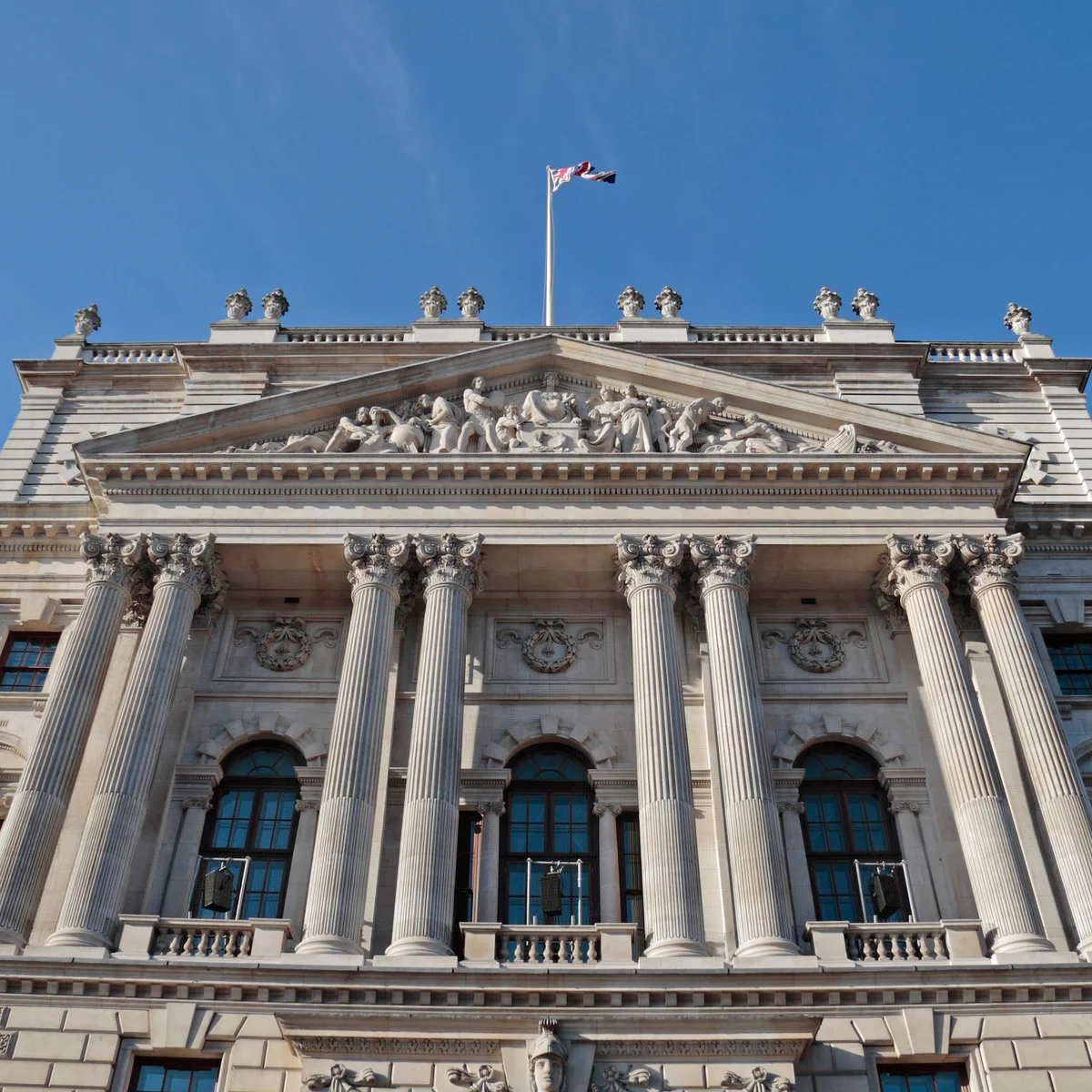
The UK government borrowing fell sharply in December, marking a notable improvement compared with last year. Public sector net borrowing, which measures the gap between government spending and income, reached £11.6bn last month, considerably lower than the £18.7bn recorded in December 2024. Analysts had anticipated borrowing of approximately £13bn, highlighting that the government managed to outperform expectations due to stronger receipts and moderated spending growth. These figures illustrate the impact of Chancellor Rachel Reeves’s fiscal strategy and her commitment to reducing borrowing while maintaining investment in essential public services.
According to the Office for National Statistics (ONS), borrowing in the financial year so far, up to December, stands at £140.4bn, slightly below last year’s £140.7bn. Revisions to earlier monthly figures lowered borrowing by an additional £3.5bn, reflecting the robust revenue collection during the past year. Tom Davies, a senior ONS statistician, noted that rising receipts, including income tax and national insurance, contributed significantly to the decline, while government spending increased only modestly. This combination created a favourable environment for borrowing to fall below market expectations.

Interest costs continue to dominate government borrowing, with £9.1bn of December’s £11.6bn dedicated to servicing debt. The high cost of debt has long been a concern for policymakers, as approximately £1 in every £10 spent by the government goes toward interest payments. Reeves has highlighted that reducing this burden allows more resources for essential public services such as healthcare, policing, and education, while also creating room for infrastructure investment.
Economists have welcomed the latest borrowing data, noting that the decline is likely to continue in the coming months. Dennis Tatarkov, senior economist at KPMG UK, stated that anticipated interest rate cuts and the Bank of England’s winding down of quantitative tightening could substantially reduce the government’s borrowing costs. This would provide further fiscal flexibility, potentially allowing increased public spending without compromising fiscal discipline.
The chancellor’s strategy includes tax rises announced in her autumn budget, which raised £26bn in additional revenue. These measures, combined with strict adherence to a fiscal rule requiring day-to-day spending to be funded by taxes, aim to stabilise public finances while supporting economic growth. The Office for Budget Responsibility (OBR) estimated that these tax measures created £22bn of spending headroom, reinforcing the government’s commitment to responsible borrowing.
The OBR projects that public sector net borrowing for the 2025-26 financial year will decline to £138bn, down from £152.6bn the previous year, reducing the deficit to 4.5% of GDP from 5.2% in 2024-25. Over the next decade, borrowing is expected to steadily decrease, reaching £67bn by 2031. James Murray, chief secretary to the Treasury, emphasised that the UK is on track to achieve the largest borrowing reduction among G7 countries, reflecting the effectiveness of current fiscal measures.
Murray highlighted that the government’s approach is focused on balancing economic stability with public service efficiency. By targeting borrowing reductions, eliminating waste in public spending, and ensuring taxpayers’ money delivers maximum value, the government seeks to maintain a stable economic outlook. He stressed that reducing debt interest payments can free resources for frontline services, ultimately benefiting citizens while supporting sustainable growth.
Fiscal experts have also noted that the improved borrowing figures are a positive signal to financial markets. Lower borrowing reduces the need for government debt issuance, which can ease pressure on gilt yields and borrowing costs. This could encourage investment and improve confidence in the UK’s economic management. The Treasury’s long-term strategy combines prudent borrowing, fiscal discipline, and targeted public spending, ensuring that short-term gains are complemented by sustainable economic health.
Analysts caution, however, that continued vigilance is necessary. Unexpected economic shocks, inflation fluctuations, or slower revenue growth could impact borrowing in the months ahead. The government remains committed to monitoring financial trends and adjusting policies as necessary to maintain fiscal balance. Reeves has reiterated that reducing government borrowing is central to her economic vision, aiming to provide fiscal stability while supporting public sector growth.

The ONS figures demonstrate that careful management of revenues and expenditures has tangible benefits. Strong tax receipts, moderated spending growth, and strategic financial planning collectively contribute to a decline in borrowing, demonstrating the effectiveness of the chancellor’s fiscal approach. These measures align with the broader goal of reducing debt interest payments and freeing funds for investment in public services.
With borrowing now below market expectations, the UK government continues to focus on implementing its medium-term fiscal strategy. This includes carefully balancing spending priorities, maintaining debt sustainability, and fostering conditions for economic growth. By prioritising responsible borrowing and strategic tax measures, policymakers aim to create a stable and predictable financial environment that benefits the UK economy and its citizens alike.
Related News:
 Tories Push to Dilute Labour’s Workers’ Rights Bill
 Trump’s UK Ambassador Urges North Sea Drilling to Strengthen US Ties
 Rachel Reeves Set to Break Labour Pledge and Raise Income Tax
 Thinktanks Urge Rachel Reeves to Reform UK Tax System
 Company linked to Michelle Mone owes £39m in tax
MPs Press Rachel Reeves to Hike Gambling Taxes
Company linked to Michelle Mone owes £39m in tax
MPs Press Rachel Reeves to Hike Gambling Taxes
 Cuts to home insulation funding threaten UK climate goals
 Millionaires group urge Reeves to introduce wealth tax to ‘lift kids out of poverty’
 PM Highlights UK Business at G20 in South Africa
 English Mayors Set to Introduce Tourist Taxes
 Starmer Says Labour’s Economic Plan Needs Years to Deliver
BBC bosses ‘right to stick by their guns’ against Trump, says minister
Starmer Says Labour’s Economic Plan Needs Years to Deliver
BBC bosses ‘right to stick by their guns’ against Trump, says minister
 China Dependence Threatens UK Energy Supply Chains and Jobs
 MPs warn AI financial risks threaten UK stability
 MPs warn AI financial risks threaten UK stability
 Chancellor Rachel Reeves Pushes for Sweeping Changes to Environmental Protections to Accelerate Development
 Senior Tories Condemn Badenoch’s Vow to Repeal Climate Change Act as Catastrophic
 Kemi Badenoch Unveils ‘Golden Rule’ to Halve Spending Cuts for Deficit Reduction at Tory Conference
 British Woman in Iran ‘Losing Hope’ Amid Ongoing Detention
 Reeves Faces Setback as Labour May Miss Homes Target
 BBC Journalist Held and Interrogated in Vietnam
 Green Party Surges Past Labour in Latest UK Poll
 Celebrities and Charities Demand UK Government Act on Child Poverty
 FBI Director Kash Patel Defends Girlfriend Amid Government Jet Claims
 Court Hears Challenge Over Water Bills Funding Sewage Fixes
 French Taxi Driver Cleared in David Lammy Theft Case After Fare Dispute
 ABF May Split Primark from Food Division Amid Tough Market
 UPS Cargo Plane Crash in Kentucky Kills Seven
M&S Profits More Than Halve After Cyber-Attack
UPS Cargo Plane Crash in Kentucky Kills Seven
M&S Profits More Than Halve After Cyber-Attack
 Tony Blair think tank warns Rachel Reeves must cut taxes if manifesto broken
 Oprah enjoys Meghan’s jam on English muffins
 Boris Johnson accused of undermining BBC leadership
 ‘Reckless’ cuts to victims’ services will cost more than they save
 Warning as Britons prepare to spend £4 billion this Black Friday
 Starmer Faces Growing Dissent as Labour MPs Weigh Leadership Challenge
 Reeves rejects £1bn plea for NHS redundancy payouts
 UK toy market enjoys bumper year as ‘kidults’ fuel demand
 Farage appointee to lead Reform youth accused of anti-British views
 Politics latest: Starmer ‘will fight any leadership coup’ as Streeting denies attempt to oust Labour PM
 PM Condemns Leaks, Vows Loyalty to Ministers and Stability
 Major Rent Reform Ends No-Fault Evictions in England
 Peers Flood Assisted Dying Bill with 942 Amendments
 England’s Special Needs Support Faces Breaking Point
 MoD warned over Excel risks before Afghan data breach
 Global markets drop amid tech sell-off and China slowdown
 UK Asylum Overhaul Sparks Debate Over Human Rights and Deportations
 UK Asylum Reforms: Temporary Refugee Status and Faster Deportations
 UK Candidate Moved to Safe House After Election Threats
 Mahmood Defends Tough Overhaul of UK Asylum System
 Canada Passes Carney’s First Budget in Tight Parliamentary Vote
 UK Warns China After MI5 Issues Espionage Alert
 UK Vulnerable to Attack, Defence Committee Finds
 Labour Faces Historic Decline in Wales
 Rama Rebukes Mahmood for Targeting Albanian Families
 Mossmorran Plant Closure Hits Cowdenbeath Hard
 Kate Forbes: Motherhood Harder Than Politics
 Welsh Government Christmas 2020 Lockdown Criticised
 UK Taskforce Unveils Plan to Streamline Nuclear Reactor Rules
 Most Tories Expect to Support a Farage-Led Government
 Steel billionaire Lakshmi Mittal reportedly leaves UK
 Labour MP claims devolution bill is ‘blatant discrimination’ against Cornwall
 Millions Face Higher Taxes Under Reeves New Budget
 Peers Get Extra Time to Debate Assisted Dying Bill
 Planned Palestinian Flag Raising at Belfast City Hall Faces Delay Amid Legal Concerns
 India’s Labour Law Overhaul Sparks Fierce Debate
 Government righting decades-old injustice for miners
 Virgin Media Fined £23.8m Over Telecare Safety Failures
 Rising Water Bills Lift Troubled Thames Back to Profit
 Culture secretary to review Telegraph takeover by Daily Mail owner
 Andy Burnham Apologises for Past LGBTQ+ Police Discrimination
 Sainsbury’s CEO leads business honours in New Year list
 3,000 Jobs at Risk Without UK Helicopter Order
 Plans to Limit Jury Trials Face Retreat After Mounting Opposition
 Jenrick Reform defection deepens Tory civil war
 Right Must Unite After Jenrick Defection, Urges Rees-Mogg
 UK Ministers Drop Foreign Student Targets for Global Education Push
 No Gas Boiler Ban as UK Warm Homes Plan Backs Heat Pumps
 Hugh Grant Joins Call for Under-16 Social Media Ban in UK
 Shinzo Abe’s killer receives life sentence in Japan
 Lords Vote Piles Pressure on Starmer Over Social Media Ban