Published: 22 January 2026. The English Chronicle Desk. The English Chronicle Online.
Sussan Ley leadership reached a defining milestone this week, quietly rewriting Liberal Party history during political turbulence. As Canberra endured tense negotiations and closed-door party meetings, Ley passed eight months and eight days as opposition leader. That moment ensured she outlasted Alexander Downer, whose brief tenure remains the shortest in modern Liberal memory. The achievement arrived without celebration, overshadowed by controversy, Coalition strain, and mounting speculation about her future.
For much of the summer period, Sussan Ley leadership appeared unexpectedly resilient. Colleagues privately acknowledged her persistence during a demanding parliamentary calendar and a fraught national mood. Following December’s Bondi Beach terror attack, Ley sharpened her criticism of Prime Minister Anthony Albanese, accusing the government of hesitancy and moral weakness. Her insistence on a federal royal commission into the shootings kept pressure firmly on Labor. When Albanese reversed his stance earlier this month, Ley’s supporters claimed it as a personal victory that strengthened her authority within the party room.

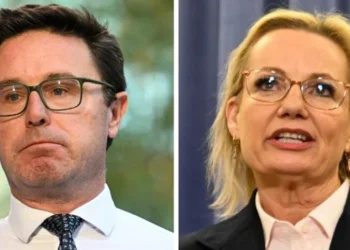
That momentum, however, proved fragile. The political atmosphere shifted dramatically after three Nationals senators crossed the floor during parliamentary debate on Labor’s hate speech bill. The move detonated long-simmering Coalition tensions and placed Sussan Ley leadership under unprecedented strain. Nationals leader David Littleproud responded by declaring the Coalition agreement “untenable” while Ley remained leader, a remark that stunned Liberal MPs already frustrated by summer disruptions and emergency sittings.
The timing of Littleproud’s statement was particularly jarring. Ley had stepped back from public commentary to observe the national day of mourning for the fifteen victims of the Bondi attack. Some Liberals privately argued the intervention crossed an ethical line, framing it as opportunistic and disrespectful. That sentiment temporarily rallied moderates behind Ley, reinforcing the view that leadership decisions should not be dictated by Coalition partners.
Despite this brief reprieve, doubts about Sussan Ley leadership are deepening. Many MPs now describe her position as precarious, even if an immediate challenge does not materialise. With parliament not resuming until early February, senior figures hope tempers may cool enough for Ley to rebuild her frontbench and present a Liberal-only opposition. Yet the underlying factional arithmetic remains unforgiving.
Within the party’s conservative wing, attention has turned to potential successors. Angus Taylor and Andrew Hastie continue to be discussed as leading contenders, though neither has openly declared an intention to challenge. Their hesitation reflects the risk of destabilising the party further while Labor seeks to capitalise on Coalition disunity. Still, several MPs believe a challenge is inevitable once the right faction coalesces around a single candidate.
Taylor’s imminent return from an overseas holiday has fuelled speculation, while Hastie has defended his decision to support legislation opposed by the Nationals, arguing it was necessary for national cohesion. That vote complicated his standing among grassroots conservatives but enhanced his appeal to moderates uneasy about ideological brinkmanship. The delicate balance underscores how fractured the party remains.
Meanwhile, discussions have quietly extended beyond the leadership role itself. Ley’s deputy, Ted O’Brien, and Victorian MP Tim Wilson have been mentioned in early conversations about senior positions. There is also growing talk around New South Wales frontbencher Melissa McIntosh as a potential deputy leader, particularly if a Western Australian such as Hastie were to take the top job. These manoeuvres reveal a party preparing for multiple scenarios, even as it publicly denies plotting.
Anger over the hate speech bill negotiations continues to simmer. Several MPs expressed frustration that strategy discussions broke down, allowing the Nationals to dominate the narrative. Many believe the episode distracted from sustained criticism of Labor and handed Albanese an opportunity to project stability. For a party still recovering from electoral defeat, such missteps are seen as costly.
The Nationals face challenges of their own. Littleproud’s hardline stance has unsettled his parliamentary team, with whispers of internal dissent growing louder. One Nation’s expanding appeal in regional seats adds further pressure, prompting fears of defections over the coming year. The Coalition’s traditional base appears increasingly fragmented, complicating any attempt to present a united opposition.
Against this backdrop, Sussan Ley leadership occupies a curious space. She has demonstrated endurance and tactical aggression, particularly in her handling of national security issues. Yet critics argue she has struggled to impose discipline across Coalition ranks or articulate a compelling long-term vision. Supporters counter that her tenure coincided with extraordinary circumstances and that frequent leadership changes would only deepen public cynicism.
Historical comparisons loom large. Ley may have surpassed Downer’s brief leadership, but Brendan Nelson’s nine months and thirteen days remain the next symbolic hurdle. Whether she clears that bar has become a topic of near-constant speculation in Canberra corridors. Some MPs privately concede that survival may depend less on performance and more on timing, factional compromise, and external events beyond her control.

Public perception also plays a role. As the country’s first female opposition leader, Ley’s every move attracts heightened scrutiny. Allies argue she faces harsher judgment than male predecessors, while detractors insist leadership standards should remain gender-blind. Regardless, the symbolism of her position adds another layer of complexity to an already volatile situation.
As February approaches, the Liberal Party confronts difficult choices. Allowing Sussan Ley leadership to continue could provide short-term stability but risks prolonged uncertainty if internal divisions persist. A leadership spill might satisfy restless factions yet expose deeper ideological rifts. For now, the party waits, watches, and counts numbers, aware that the next milestone may arrive sooner than expected.
What remains clear is that Sussan Ley leadership has already altered the party’s recent history. Whether her tenure becomes a footnote or a turning point depends on decisions made in the coming weeks. In a political environment defined by rapid shifts and unforgiving scrutiny, survival itself has become a measure of success.
Related News:
 Liberal Turmoil Threatens Victorian Election Hopes
 Hanson and Joyce Use Rinehart Jet to Tour Flooded Queensland
 Labor’s Hate Speech and Gun Laws Face Federal Roadblocks
 Nationals Crisis Meeting Threatens Coalition Stability
 British Woman in Iran ‘Losing Hope’ Amid Ongoing Detention
 Green Party Surges Past Labour in Latest UK Poll
 Celebrities and Charities Demand UK Government Act on Child Poverty
 Army Officers Orders to Cut Ties with Men-Only Clubs
 Trump’s UK Ambassador Urges North Sea Drilling to Strengthen US Ties
 FBI Director Kash Patel Defends Girlfriend Amid Government Jet Claims
 UK University Suspends Human Rights Research Following Pressure from China
 French Taxi Driver Cleared in David Lammy Theft Case After Fare Dispute
 Labour immigration crackdown could cost UK £4.4bn
BBC to Apologise Over Edited Trump Speech Amid Backlash
Labour immigration crackdown could cost UK £4.4bn
BBC to Apologise Over Edited Trump Speech Amid Backlash
 Britain deploys RAF specialists to assist Belgium with drone threats
 ‘Reckless’ cuts to victims’ services will cost more than they save
 Millionaires group urge Reeves to introduce wealth tax to ‘lift kids out of poverty’
 Starmer Faces Growing Dissent as Labour MPs Weigh Leadership Challenge
 Reeves rejects £1bn plea for NHS redundancy payouts
 Politics latest: Starmer ‘will fight any leadership coup’ as Streeting denies attempt to oust Labour PM
 PM Condemns Leaks, Vows Loyalty to Ministers and Stability
 Major Rent Reform Ends No-Fault Evictions in England
 Peers Flood Assisted Dying Bill with 942 Amendments
 England’s Special Needs Support Faces Breaking Point
 Senator John Fetterman Hospitalized After Fall from Heart Flare-Up, Keeps Sense of Humor
 US Justice Department Files Lawsuit Against California Over Partisan Voting Maps
 MoD warned over Excel risks before Afghan data breach
 Greene Pushes Epstein Files Amid Trump Fallout
 Trump Deploys DHS to Charlotte in Major Arrest Operation
 December Run-Off in Chile as Election Produces No Winner
 Canada Passes Carney’s First Budget in Tight Parliamentary Vote
 Shadow Fleet at Sea: Europe’s Battle Against Illicit Oil Shipping
 Labour Faces Historic Decline in Wales
 Pentagon Officials in Ukraine to Discuss War End
 PM Highlights UK Business at G20 in South Africa
 Kate Forbes: Motherhood Harder Than Politics
 Venezuela Threatens Nobel Winner Machado with Fugitive Status
 Most Tories Expect to Support a Farage-Led Government
 Labour MP claims devolution bill is ‘blatant discrimination’ against Cornwall
 Millions Face Higher Taxes Under Reeves New Budget
 Peers Get Extra Time to Debate Assisted Dying Bill
 Georgians Defy Government Crackdown After Year of Protests
 US National Guard Member Killed in DC Shooting
 India’s Labour Law Overhaul Sparks Fierce Debate
 ICC to Rule on Duterte’s Provisional Release
 Jordan Bardella: France’s Young Presidential Contender
 Starmer Says Labour’s Economic Plan Needs Years to Deliver
 EU plans $105bn Ukraine aid using frozen Russian assets
 Global campaign launched to free Palestinian leader Barghouti
 Culture secretary to review Telegraph takeover by Daily Mail owner
 Khaleda Zia Death in Bangladesh: First Female PM Dies at 80
 Russia losses Ukraine war peace talks intensify amid rising deaths
 Zelenskyy Accuses Russia of Sabotaging Peace Talks
 Albanese Opens Door to Bondi Royal Commission Amid Rising Pressure
 Trump Escalates Minnesota Immigration Surge Amid Rising Tensions
 Iran Protesters Defy Crackdown as Violent Clashes Intensify
 Adelaide Festival Sparks Widespread Controversy Among Writers
 Homeland security agents deployed amid Minneapolis protests
 Trump escalates Fed clash as Justice probes Jerome Powell
 Plans to Limit Jury Trials Face Retreat After Mounting Opposition
 Trump Threatens Strong Action If Iran Executes Protesters
 US Senate rejects resolution limiting Trump military powers
 Quebec Premier François Legault Resigns in Surprise Move
 Machado Trump medal gesture reshapes Venezuela power struggle
 Trump Receives Machado’s Nobel Medal in White House Meeting
 Right Must Unite After Jenrick Defection, Urges Rees-Mogg
 EU weighs response amid Greenland tariff crisis with Trump
 US Considers Asylum for British Jews Amid Rising Antisemitism
 Sydney Shark Attack Surge Shocks Australia Beaches
 ICE street raids expose a chilling future for public freedoms
 UK Ministers Drop Foreign Student Targets for Global Education Push
 MPs warn AI financial risks threaten UK stability
 MPs warn AI financial risks threaten UK stability
 NSW Shark Attacks Surge, Authorities Urge Swimmers to Stay Out
 Trump slams UK ‘stupidity’ over Chagos Islands, eyes Greenland takeover
 No Gas Boiler Ban as UK Warm Homes Plan Backs Heat Pumps
 Hugh Grant Joins Call for Under-16 Social Media Ban in UK
 Shinzo Abe’s killer receives life sentence in Japan
 Coalition crisis deepens after Nationals frontbench resignations
 Lords Vote Piles Pressure on Starmer Over Social Media Ban