Published: 23 January 2026. The English Chronicle Desk. The English Chronicle Online
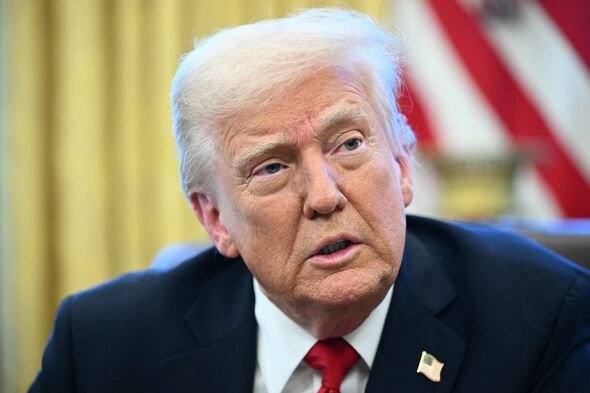
US President Donald Trump has abruptly withdrawn an invitation for Canada to join his newly announced global “board of peace”, escalating an already tense public exchange with Canadian Prime Minister Mark Carney and highlighting growing divisions among Western allies over Trump’s unconventional approach to global diplomacy.
The withdrawal was announced on Thursday through a post on Trump’s Truth Social platform, where he addressed Carney directly in characteristically blunt terms. In the message, Trump said the board was rescinding its invitation for Canada to join what he described as “the most prestigious Board of Leaders ever assembled, at any time”. The statement marked a sharp reversal from earlier indications that Ottawa had at least been open to participating in the initiative.
Trump unveiled the “board of peace” earlier this week at the World Economic Forum in Davos, portraying it as one of the most consequential international bodies in modern history. According to Trump, the board would play a central role in resolving major global conflicts and reshaping postwar governance arrangements, beginning with Gaza. The body is to be chaired by Trump himself and, despite initially being framed as temporary, has since taken on the appearance of a more permanent institution with significant financial and political commitments attached.
One of the most controversial aspects of the proposal is its funding structure. Trump has said that countries seeking permanent membership must contribute $1bn each to help finance the board’s work. This requirement immediately raised eyebrows among diplomats and policymakers, particularly in liberal democracies accustomed to multilateral institutions with clearer governance rules and accountability mechanisms.
Canada had initially appeared cautiously receptive. Before the Davos meeting, Carney had accepted the invitation in principle, though he emphasised that his government needed time to review the details. Speaking to reporters over the weekend, the Canadian prime minister said officials were still examining “the structure, how it’s going to work, what the financing is for”, stressing that Canada wanted any contribution it made on the international stage to deliver maximum impact.
That cautious stance hardened in the days that followed. On Tuesday, Canada’s finance minister, François-Philippe Champagne, made it clear that Ottawa had no intention of paying the $1bn fee reportedly required for permanent membership. His comments effectively placed Canada at odds with the financial model underpinning Trump’s initiative and appeared to set the stage for the diplomatic rupture that soon followed.
The withdrawal of Canada’s invitation did not occur in isolation. It came against the backdrop of an increasingly public war of words between Trump and Carney during the Davos summit. In a widely circulated speech earlier in the week, Carney warned that the world was witnessing a “rupture” in the long-standing rules-based international order, an order he said had traditionally been overseen by the United States. While he did not name Trump directly, the implication was clear, particularly as he criticised aggressive unilateral behaviour and the erosion of multilateral norms.
Trump, for his part, seemed keenly aware of Carney’s remarks. In his own address at Davos on Wednesday, he delivered a pointed comment aimed squarely at the Canadian leader. “Canada lives because of the United States,” Trump said. “Remember that, Mark, the next time you make your statements.” The remark was widely interpreted as a reminder of Canada’s economic and security ties to its southern neighbour, and it sparked swift reactions back home.
Carney responded firmly the following day. “Canada doesn’t live because of the United States,” he said. “Canada thrives because we are Canadian.” The exchange resonated strongly with Canadian audiences and underscored a broader assertion of national independence at a time when relations with Washington appear increasingly strained.
By Thursday evening, Trump’s decision to withdraw the invitation to Canada formalised what had already become an open rift. Neither Carney’s office nor the White House immediately responded to requests for comment, leaving the Truth Social post as the clearest indication of the administration’s position.
Trump has remained unapologetic about both the board and his approach to diplomacy. Speaking in Switzerland on Thursday, he doubled down on the scope of the initiative, saying that once the board was fully formed, “we can do pretty much whatever we want to do”, adding that its actions would be taken “in conjunction with the United Nations”. That assertion has raised further questions among international law experts and diplomats about how the board would interact with existing multilateral frameworks and whether it might undermine established institutions.
The board’s creation has already received a degree of formal international recognition. Its establishment was endorsed by a United Nations Security Council resolution as part of Trump’s Gaza peace plan. However, UN officials have been careful to limit expectations. UN spokesperson Rolando Gomez said on Thursday that the organisation’s engagement with the board would be confined strictly to the context of that resolution, suggesting a narrower role than Trump’s rhetoric might imply.
Membership of the board so far reflects a mix of regional and political alignments. Countries that have agreed to join include Argentina, Bahrain, Morocco, Pakistan and Turkey. Notably absent are several of Washington’s closest traditional allies. Britain, France and Italy have all indicated that they will not join the board for now, citing concerns over its structure, mandate and financing. Their reluctance underscores a broader unease in Europe and elsewhere about Trump’s preference for personalised, leader-driven diplomacy over established multilateral processes.
For Canada, the episode highlights a delicate balancing act. Ottawa has long sought to maintain close ties with Washington while also projecting itself as a defender of multilateralism and the rules-based order. Carney’s refusal to commit large sums of money to an initiative with unclear governance reflects both fiscal caution and political principle, particularly at a time when domestic priorities and global uncertainties are competing for attention.
Analysts say Trump’s decision to publicly withdraw the invitation may play well with his domestic base, reinforcing his image as a leader unwilling to tolerate dissent or half-measures from allies. At the same time, it risks further alienating partners whose cooperation the United States relies on to address global challenges, from conflict resolution to climate change and economic stability.

The controversy surrounding the “board of peace” also raises deeper questions about the future of international cooperation. Trump has framed the initiative as a bold alternative to what he portrays as slow, ineffective global institutions. Critics counter that bypassing established mechanisms in favour of ad hoc bodies led by a single powerful figure could weaken international norms and concentrate decision-making in ways that lack transparency and accountability.
As the dust settles from the Davos summit, the immediate implications of Canada’s exclusion from the board remain uncertain. The initiative is still in its early stages, and its effectiveness, legitimacy and longevity have yet to be tested. What is clear, however, is that the episode has exposed fault lines among Western allies and highlighted contrasting visions of global leadership at a moment of profound geopolitical change.
For Trump, the withdrawal of Canada’s invitation sends a clear message about the terms on which he expects countries to engage with his flagship peace initiative. For Carney, it reinforces his argument that Canada must chart its own course, even when that means pushing back against pressure from its most powerful ally. And for the wider international community, it offers an early glimpse of how Trump’s second-term foreign policy may continue to challenge, and disrupt, familiar diplomatic norms.
Related News:
 UK Must Act with Courage and Clarity on Israel-Palestine Conflict, Says Foreign Affairs Committee Report
 Starmer and Trump to Meet in Scotland Amid Growing Gaza Ceasefire Pressure
 Minister Dismisses Legal Concerns Over UK’s Pledge to Recognise Palestinian State
 MPs Call on UK Government to Delay Biometric Visa Checks for Gaza Students Amid Humanitarian Crisis
 Radioactive Leak at UK’s Nuclear Warhead Base Sparks Outcry Over Safety and Secrecy
 ‘I’m collateral damage’: ex-minister Tulip Siddiq on her Bangladesh corruption trial
 Mutual Inconvenience: Why Alaska Was Chosen for the Trump-Putin Summit on Ukraine
 “I Don’t Expect to Live a Normal Life”: How a Leeds Teenager Became the Target of a Chinese Bounty
 Ministers Accused of Defamation Over Palestine Action Ban and Mass Arrests
 UK Defence Secretary Says Allied Troops ‘Ready to Act from Day One’ if Ukraine Ceasefire Agreed
 Is the UK Ready to Put Boots on the Ground in Ukraine? Assessing Military Capacity and Challenges
 Protests Expected as Israeli Arms Firms Join Global Defence Trade Fair in London
 UK Home Office to Launch French Beach Signage to Warn Asylum Seekers of Risks
 Charlie Kirk Killing Used to Mobilise UK’s Largest Far-Right Rally in Decades
 UK Immigration Figures: Separating Facts from Perceptions
 Far-Right Rally in London Draws Record Crowds Amid Clashes with Police
 Thousands Gather in London to Protest Donald Trump’s Second UK State Visit
 UK and Ireland Set to Unveil New Proposals to Address Northern Ireland’s Troubles Legacy
 Trump Urges UK to “Call Out the Military” to Secure Borders Amid State Visit
Tulip Siddiq Raises Concerns Over Alleged ‘Fake’ Documents in Bangladesh Corruption Trial
Trump Urges UK to “Call Out the Military” to Secure Borders Amid State Visit
Tulip Siddiq Raises Concerns Over Alleged ‘Fake’ Documents in Bangladesh Corruption Trial
 UK Recognises State of Palestine in Push to Preserve Hope for Peace
 UK’s Recognition of Palestine: Symbolic Step or Real Change?
Trump’s UN Speech Criticises London and UK Policies, Draws Far-Right Attention
UK’s Recognition of Palestine: Symbolic Step or Real Change?
Trump’s UN Speech Criticises London and UK Policies, Draws Far-Right Attention
 UK Fighter Jet Purchase Could Breach Nuclear Treaty, Warns CND
 A Third of EU Citizens in UK Report Discrimination by Public Bodies Post-Brexit
 Jailed Georgian Opposition Leaders Warn UK of Iranian Links to Ruling Party
 Russia repeatedly targets UK military satellites, warns Space Command chief
 Pro-Palestine March to Proceed in London Despite Calls to Cancel After Manchester Attack
 UK Universities Warn Students Ahead of 7 October Pro-Palestine Protests
Starmer Considers Stricter Measures on Pro-Palestinian Protest Chants
UK Universities Warn Students Ahead of 7 October Pro-Palestine Protests
Starmer Considers Stricter Measures on Pro-Palestinian Protest Chants
 Public Trust in SNP Hits Historic Low Amid NHS Concerns
 Tony Blair Met Jeffrey Epstein at Downing Street in 2002
 China’s Mega Embassy in London Faces Further Delay
 Johnson Suggests Mandelson Linked to China Spy Controversy
 Minister Blames Deputy for Collapse of China Spy Case
 Shabana Mahmood Warns Border Failings Are Eroding Trust in States
 Witness statements reveal the CPS China spy row collapse in the UK
 Large scale Chinese spying in UK sparks political storm
 Nigel Farage Calls Vladimir Putin ‘A Very Bad Dude’
 Rachel Reeves signals welfare reform ahead of key budget
 Prince Andrew met alleged Chinese spies during Pitch@Palace China trips
 Kosovo agrees to host Britain’s refused asylum seekers
 Plaid Cymru Triumphs in Caerphilly, Ending Labour Century-Long Hold
 Rachel Reeves to lead UK trade push in Saudi Arabia amid rights debate
 British Woman in Iran ‘Losing Hope’ Amid Ongoing Detention
 Johnson Approved China’s London ‘Super-Embassy’ in 2018
 BBC Journalist Held and Interrogated in Vietnam
 Zohran Mamdani becomes New York City’s first Muslim mayor
Zohran Mamdani names all-female transition team for NYC mayoralty
Zohran Mamdani becomes New York City’s first Muslim mayor
Zohran Mamdani names all-female transition team for NYC mayoralty
 Second world war veterans honoured as King leads Remembrance Sunday
 BBC director-general and news chief resign amid bias row
 New review urges UK to repatriate Shamima Begum, others from Syria
 Rama Rebukes Mahmood for Targeting Albanian Families
 Russian Vessel Used Lasers on RAF Pilots, UK Claims
 Putin Intensifies Territorial Demands Before US Talks
 Trump to Recheck Green Cards from 19 Nations After DC Attack
 Ireland Boosts Ukraine Aid as Zelensky Visits Dublin
 Russia losses Ukraine war peace talks intensify amid rising deaths
 Trump Taiwan China drills: US President Downplays Tensions
 Britain Demands Israel Reverse Ban on Aid Groups
 Trump Escalates Minnesota Immigration Surge Amid Rising Tensions
 Trump: US Stands Ready to Help Iran Find Freedom Amid Widespread Unrest
 US Conducts Large-Scale Strikes Against ISIS Targets Across Syria
 Trump Says US Will Act on Greenland ‘Whether They Like It or Not’
 Trump Administration Probe of Fed’s Powell Draws Pushback
 Greenland Faces Pivotal Summit Over Arctic Power Struggle
 Trump Threatens Strong Action If Iran Executes Protesters
 Trump Receives Machado’s Nobel Medal in White House Meeting
 Greenland Crisis Forces Europe to Draw a Line With Trump
 Iran Cannot Be Bombed Into Democracy, Only Helped There
 US Africa aid remarks spark anger after leaked State email
 Barron Trump police call heard in London assault trial
 Historic Abu Dhabi Talks Bring US, Ukraine and Russia Together
 UK border officers deployed to Balkans to tackle migrant smuggling
 UK MPs warn of repeat riots over online misinformation
 Russia’s Latest Push to Win US Favors Shows Deep Desperation
 Trump’s UK Ambassador Urges North Sea Drilling to Strengthen US Ties
BBC to Apologise Over Edited Trump Speech Amid Backlash
Trump’s UK Ambassador Urges North Sea Drilling to Strengthen US Ties
BBC to Apologise Over Edited Trump Speech Amid Backlash
 Millionaires group urge Reeves to introduce wealth tax to ‘lift kids out of poverty’
 Reeves rejects £1bn plea for NHS redundancy payouts