Published: 24 January 2026. The English Chronicle Desk. The English Chronicle Online
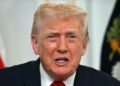
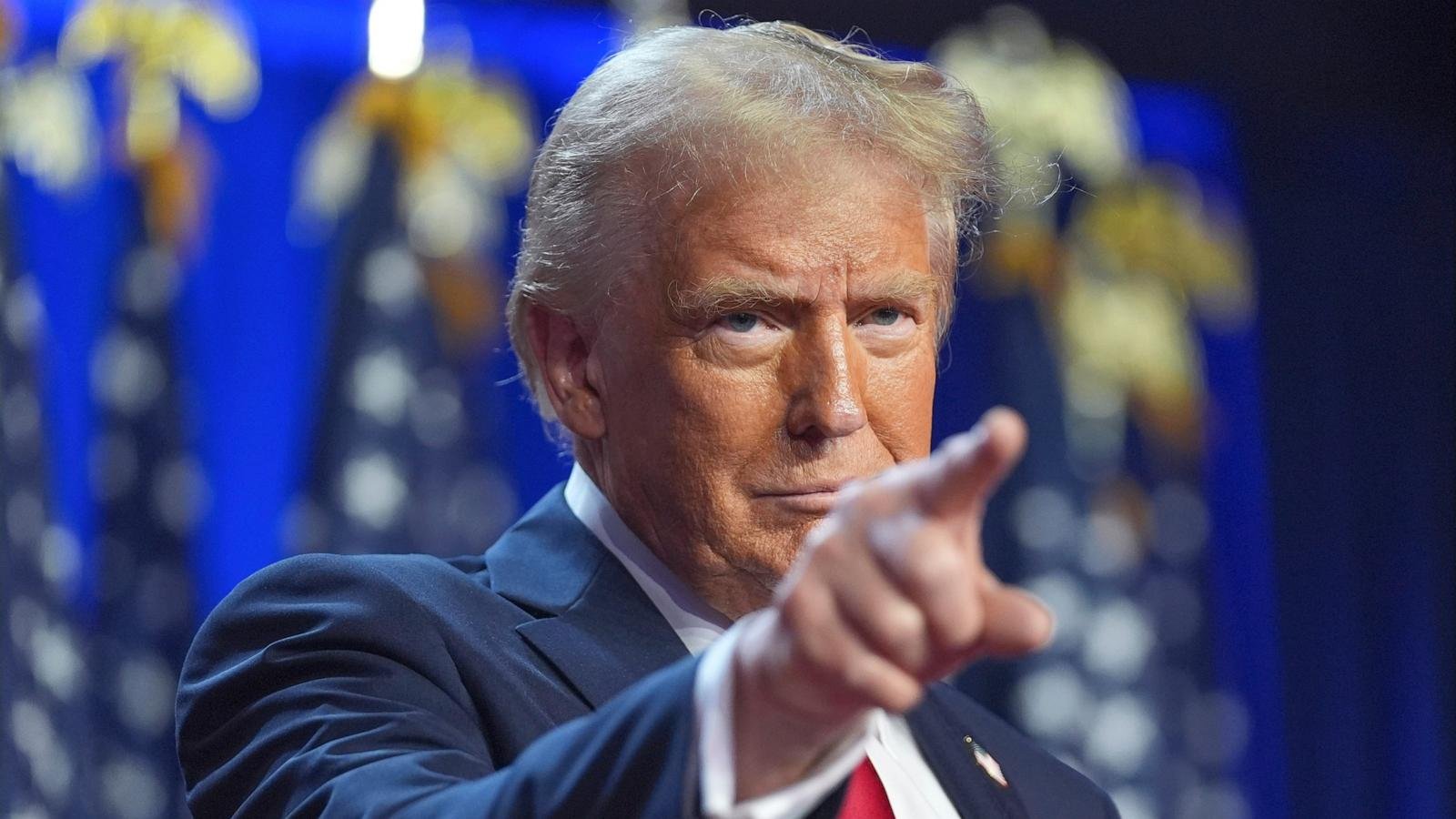
The head of Australia’s largest veterans’ organisation has categorically rejected Donald Trump’s claim that allied soldiers “stayed a little back” from the frontlines during the US-led war in Afghanistan, describing the remarks as “unfathomable” and deeply insulting to those who fought and died alongside American forces.
The comments, made by the US president during an interview on Fox News on Thursday, were framed as part of a broader critique of Nato’s reliability. Trump said he was “not sure” the alliance would meet the “ultimate test” of defending the United States if it were under threat, adding that while allies had sent troops to Afghanistan, “they stayed a little back, a little off the frontlines”.
The remarks have prompted an angry response in Australia, where nearly 40,000 service personnel deployed to Afghanistan over two decades in what became the country’s longest war. Forty-seven Australian soldiers were killed, 261 were wounded, and thousands more returned home carrying physical and psychological scars.
Peter Tinley, the national president of the Returned and Services League of Australia (RSL), said Trump’s comments would leave the vast majority of Australia’s 630,000 veterans “absolutely disgusted and outraged”. He described the president’s words as a “cowardly attack” on people who could no longer defend themselves.

“The families of those who lost their lives will be completely affronted,” Tinley said. “Their sacrifice has been denigrated in a way that is just unfathomable. It’s as senseless as throwing paint on a war memorial. It serves no purpose other than to hurt.”
Australian forces were embedded with US and Nato troops across multiple phases of the conflict, from the initial response to the September 11 attacks through to counterinsurgency operations, training missions and special forces deployments. Tinley himself served as deputy commander of the special forces task group and was deployed at short notice in the aftermath of 9/11.
“We were the lead force for General James Mattis, who later became Trump’s own secretary of defence,” Tinley said. “Australia then went on to participate in the longest continuous military operation in its history. Thousands of Australian soldiers, sailors and aircrew served in that conflict, often at great personal cost.”
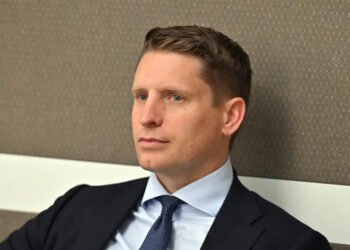
Trump’s remarks have also drawn criticism from across Australia’s political spectrum. Andrew Hastie, a Liberal MP and former troop commander in the Special Air Service Regiment, called the comments “a massive slur” against Australian soldiers who fought alongside Americans.
“One of the most important things in building coalitions and alliances is mutual respect,” Hastie said. “A really important virtue in a leader is restraint, and by dumping on allied troops, President Trump has shown neither.”
The controversy comes at a sensitive moment for Australia’s strategic relationship with the United States. Canberra is deeply invested in the Aukus security partnership with the US and the UK, which is intended to strengthen deterrence in the Indo-Pacific, particularly in response to China’s growing military power.
Tinley said he hoped prime minister Anthony Albanese would seek clarification from Trump about what his comments meant for future cooperation under Aukus and for the broader US–Australia alliance. “We need reassurance that they’re not going to run away from the fight when they’ve asked us to do so much,” he said, adding that an apology from the US president would be “the minimum effort”.
A government spokesperson responded cautiously when asked about Trump’s comments, saying only that Australian Defence Force personnel in Afghanistan had made a “very significant contribution” and that their bravery and sacrifice would continue to be honoured.
The fallout has not been limited to Australia. In the UK, prime minister Keir Starmer issued an unusually blunt rebuke, describing Trump’s remarks about British troops in Afghanistan as “insulting and frankly appalling” and suggesting the president should apologise. British forces suffered heavy casualties during the conflict, particularly in Helmand province.

Jennifer Parker, a former naval officer and non-resident fellow at the Lowy Institute, said Trump’s comments were “deeply disrespectful” not only to allied troops but also to their families and nations. She noted the apparent contradiction between the president’s rhetoric and official US policy.
“The US National Defense Strategy released on Friday highlights the importance of allies, with Australia central to US efforts to deter China,” Parker said. “That makes these remarks all the more troubling. An apology and acknowledgment of allied sacrifice is warranted.”
Parker added that Australia was once again facing “difficult strategic times” in which the risk of conflict could not be dismissed. “Australian Defence Force women and men who serve deserve respect from our closest ally,” she said.
For many veterans, the controversy has reopened old wounds. Tinley encouraged former service members and their families who were struggling with the news to seek support through Open Arms, Australia’s veterans’ counselling service.
“I’m absolutely here to reassure every veteran and their family that the RSL completely and utterly understands the situation they’re in,” he said. “Their service mattered, their sacrifice mattered, and it will not be rewritten by careless words.”
As debates over Nato, alliance burden-sharing and US global leadership intensify, Trump’s comments have underscored how sensitive the legacy of Afghanistan remains. For countries like Australia, the war is not an abstract policy argument but a lived experience marked by loss, loyalty and a deep expectation of mutual respect among allies.
Related News:
 Putin Intensifies Territorial Demands Before US Talks
 US National Guard Member Killed in DC Shooting
 Trump to Recheck Green Cards from 19 Nations After DC Attack
 Trump to pause migration from ‘third-world countries’
 Republicans Hold Tennessee Seat Despite Democratic Surge
 Franklin Turtle, Sabrina Carpenter Slam US Social Media Use
 Russia losses Ukraine war peace talks intensify amid rising deaths
 Trump Escalates Minnesota Immigration Surge Amid Rising Tensions
 Homeland security agents deployed amid Minneapolis protests
 Democrats Push Affordability to Challenge Trump Ahead of Votes
 Greenland Faces Pivotal Summit Over Arctic Power Struggle
 Trump Threatens Strong Action If Iran Executes Protesters
 Government Unveils Northern Powerhouse Rail Plans
 Trump press secretary attacks reporter over ICE question
 Kyrsten Sinema Faces High-Profile Lawsuit Over Marriage Interference
 Trump Receives Machado’s Nobel Medal in White House Meeting
 ‘He Believed Help Was Coming’: Why Iran’s Protesters Feel Betrayed
 Trump Fed bid heads to Supreme Court
 EU Says US Ties Have Suffered ‘Big Blow’ After Greenland Crisis
 Green Party Surges Past Labour in Latest UK Poll
 Celebrities and Charities Demand UK Government Act on Child Poverty
 Army Officers Orders to Cut Ties with Men-Only Clubs
 Trump’s UK Ambassador Urges North Sea Drilling to Strengthen US Ties
 FBI Director Kash Patel Defends Girlfriend Amid Government Jet Claims
 French Taxi Driver Cleared in David Lammy Theft Case After Fare Dispute
 Labour immigration crackdown could cost UK £4.4bn
BBC to Apologise Over Edited Trump Speech Amid Backlash
Labour immigration crackdown could cost UK £4.4bn
BBC to Apologise Over Edited Trump Speech Amid Backlash
 Britain deploys RAF specialists to assist Belgium with drone threats
 Millionaires group urge Reeves to introduce wealth tax to ‘lift kids out of poverty’
 Starmer Faces Growing Dissent as Labour MPs Weigh Leadership Challenge
 Reeves rejects £1bn plea for NHS redundancy payouts
 PM Condemns Leaks, Vows Loyalty to Ministers and Stability
 Major Rent Reform Ends No-Fault Evictions in England
 Peers Flood Assisted Dying Bill with 942 Amendments
 Senator John Fetterman Hospitalized After Fall from Heart Flare-Up, Keeps Sense of Humor
 US Justice Department Files Lawsuit Against California Over Partisan Voting Maps
 Greene Pushes Epstein Files Amid Trump Fallout
 Trump Deploys DHS to Charlotte in Major Arrest Operation
 December Run-Off in Chile as Election Produces No Winner
 Canada Passes Carney’s First Budget in Tight Parliamentary Vote
 Shadow Fleet at Sea: Europe’s Battle Against Illicit Oil Shipping
 Pentagon Officials in Ukraine to Discuss War End
 Venezuela Threatens Nobel Winner Machado with Fugitive Status
 Most Tories Expect to Support a Farage-Led Government
 Labour MP claims devolution bill is ‘blatant discrimination’ against Cornwall
 Millions Face Higher Taxes Under Reeves New Budget
 Two National Guard Soldiers Critically Injured Near White House
 Georgians Defy Government Crackdown After Year of Protests
 ICC to Rule on Duterte’s Provisional Release
 Jordan Bardella: France’s Young Presidential Contender
 Starmer Says Labour’s Economic Plan Needs Years to Deliver
 EU plans $105bn Ukraine aid using frozen Russian assets
 Culture secretary to review Telegraph takeover by Daily Mail owner
 American Mother Extradited From UK to U.S. on Murder Charges
 Khaleda Zia Death in Bangladesh: First Female PM Dies at 80
 US Cities Erupt in Protests Against Trump’s Venezuela Military Action
 Albanese Opens Door to Bondi Royal Commission Amid Rising Pressure
 Capitol Attack Anniversary Sparks Deep Political Divide
 Iran Protesters Defy Crackdown as Violent Clashes Intensify
 Minneapolis mayor demands state access to Renee Good probe
 Plans to Limit Jury Trials Face Retreat After Mounting Opposition
 Minnesota Sues Trump Administration Over ICE Surge
 Trump targets Iran trade with 25% tariff warning
 Hanson and Joyce Use Rinehart Jet to Tour Flooded Queensland
 US Clears Nvidia AI Chip Sales to China in Policy Shift
 US Senate rejects resolution limiting Trump military powers
 Portland man pleads not guilty after Border Patrol shooting
 Machado Trump medal gesture reshapes Venezuela power struggle
 Right Must Unite After Jenrick Defection, Urges Rees-Mogg
 European Leaders Condemn Trump Tariff Threat Over Greenland
 EU weighs response amid Greenland tariff crisis with Trump
 UK Ministers Drop Foreign Student Targets for Global Education Push
 MPs warn AI financial risks threaten UK stability
 No Gas Boiler Ban as UK Warm Homes Plan Backs Heat Pumps
 Shinzo Abe’s killer receives life sentence in Japan
 Lords Vote Piles Pressure on Starmer Over Social Media Ban
 Sussan Ley leadership milestone shakes Liberal future
 Andrew Hastie Emerges as Leadership Rival to Ley
 Satire Can Skewer Trump, But It Won’t Save Democracy
 Reform UK Health Plan ‘Would Cost £1.7bn’, Streeting Says