Published: 27 January 2026. The English Chronicle Desk. The English Chronicle Online.
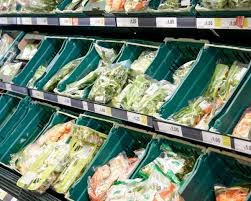
Food inflation has surged in the UK as retailers warn national insurance increases and energy costs are feeding directly into higher prices. The focus on food prices reveals persistent pressure on households already grappling with rising living costs. Retailers reported that the combined effect of higher business energy bills and the hike in employers’ national insurance contributions has significantly impacted shop pricing this month. Analysts say this could signal that inflation remains stickier than the government anticipated, with consumers continuing to face elevated costs in supermarkets across the country.
The British Retail Consortium (BRC) said overall prices in shops rose by 1.5% in January year on year, marking a sharp increase from December’s 0.7%. Food prices, however, climbed faster at 3.9%, up from 3.3% in December, while fresh food inflation jumped to 4.4%. Helen Dickinson, BRC chief executive, said that rising business energy costs and national insurance hikes are major contributors, adding that meat, fish, and fruit experienced the steepest increases. Non-food items such as furniture, flooring, and health and beauty products also saw noticeable price rises.

The surge in costs comes after Chancellor Rachel Reeves raised the rate of employers’ national insurance contributions from 13.8% to 15% in April 2025. Reeves also lowered the threshold for contributions from £9,100 to £5,000, coinciding with a 6.7% rise in the national minimum wage. Retailers have repeatedly warned that these measures would push up costs across the supply chain, making it difficult to absorb the increases without passing them to consumers. The BRC highlighted that employing a full-time minimum wage worker now costs retailers 10% more, and 13% more for part-time staff, directly impacting pricing decisions in supermarkets.
Retailers are also facing unprecedented energy cost pressures. Rising green levies and fluctuating wholesale energy prices have compounded the challenge, creating “spiralling energy charges” that feed directly into retail pricing. Dickinson emphasized the difficulty retailers face: margins are thin, competition is fierce, and rising operational costs leave little room to shield customers from inflationary effects.
The Treasury, meanwhile, defended the policy measures, arguing that they are crucial for national stability, reducing debt, and funding public services. A spokesperson highlighted that working people face rising costs, but insisted that inflationary pressures, including food price rises, are expected to moderate over time. The Bank of England projects that food inflation peaked in December and should begin falling in the coming months.
Despite government assurances, recent data indicate that inflation remains stubborn. Official figures show overall inflation climbed to 3.4% in December, up from 3.2% in November. The purchasing managers’ index from S&P Global also highlighted rising business costs in January, suggesting inflationary pressures remain strong across multiple sectors.
Non-food inflation remains subdued but is trending upward. The year-on-year rise for non-food items reached 0.3% in January, reversing December’s decline of 0.6%, signaling that inflation is broadening beyond food. Analysts warn that households may continue to experience pressure on both food and non-food expenditures as retailers navigate costlier operations.
Mike Watkins, head of retailer and business insight at NIQ, noted that cautious consumer spending in January often coincides with ongoing discounts, but inflation complicates these efforts. He added that while some non-food promotions continue, everyday food items remain under pressure from rising costs. Retailers are balancing the need to maintain sales with the challenge of absorbing higher operational costs, a tension that is likely to persist throughout 2026.
The BRC’s observations suggest that national insurance and energy bills are not merely temporary factors but structural pressures influencing retail pricing. The interplay between government policy, energy market volatility, and supply chain constraints has created a scenario where food inflation outpaces general price increases. Dickinson stressed that households are experiencing heightened financial strain, especially as essential items like meat, fruit, and vegetables carry steeper price tags, reflecting both higher costs and supply-demand imbalances.

Retailers also warn that further energy cost fluctuations could exacerbate price instability. Winter months traditionally bring higher energy usage, and with green levies contributing to rising overheads, the trend may continue into spring. Consumer behavior, meanwhile, remains cautious, with many shoppers seeking promotions and budget-friendly options to offset inflationary pressures. Watkins highlighted that retailers will likely continue offering discounts to attract shoppers while attempting to preserve profit margins, a delicate balancing act in a challenging economic environment.
Economists caution that while headline inflation may appear manageable, the lived experience of consumers reflects ongoing pressures on disposable income. Rising national insurance contributions, combined with energy price volatility, create a scenario where everyday items remain costly. Analysts emphasize the importance of monitoring food inflation closely, as it remains a key driver of overall cost-of-living stress for UK households.
In conclusion, the surge in UK food prices illustrates the intertwined impact of national insurance hikes and escalating energy bills. Retailers face complex decisions balancing operational costs with competitive pricing, while households absorb the effects of higher grocery bills. With inflation remaining resilient and energy markets volatile, experts suggest that consumers will continue to feel the pinch for months ahead. The persistence of these factors underscores the challenges in controlling inflation without broader economic measures to stabilize costs across sectors.
Related News:
 Peterborough Mosques Tighten Security After Attack
 Reeves Faces Setback as Labour May Miss Homes Target
 Hospice Cuts Raise Alarm Across England Amid Funding Crisis
 Kate Winslet to Narrate Film Highlighting King’s Environmental Mission
 Green Party Surges Past Labour in Latest UK Poll
 Trump’s UK Ambassador Urges North Sea Drilling to Strengthen US Ties
 Children to Learn Local History in Major Curriculum Overhaul
 Granit Xhaka Rescue Earns Everton Draw at Sunderland
 French Taxi Driver Cleared in David Lammy Theft Case After Fare Dispute
 UK Bans Fake Numbers: Scammers Lose Their Trick
 Prince William Plants Trees with Brazil’s Nature Heroes
 M&S Profits More Than Halve After Cyber-Attack
 Just Stop Oil Protesters Convicted Amid Climate Defence Row
 Kent village told to remove flags before Christmas lights go up
 Patients to Test Health at Home to Ease NHS Winter Pressure
 King Charles to Lead Nation in Remembrance Sunday Service
 How to get help when a child goes missing – call 999 urgently
 Palace May Restore Hyphen to Andrew Mountbatten-Windsor’s Name
 Millionaires group urge Reeves to introduce wealth tax to ‘lift kids out of poverty’
 Starmer Faces Growing Dissent as Labour MPs Weigh Leadership Challenge
 Shouting Works Best to Deter Gulls, UK Study Finds
 Reeves rejects £1bn plea for NHS redundancy payouts
 Northern Lights may illuminate UK skies this week
 PM Condemns Leaks, Vows Loyalty to Ministers and Stability
 Son Reveals UK Couple in Iran Resort to Hunger Strike for Help
 Major Rent Reform Ends No-Fault Evictions in England
 Peers Flood Assisted Dying Bill with 942 Amendments
 Former Lion Heskey Warns of Shortage of England Strikers
 Criminal Gangs Pose as Truckers to Hijack UK Supply Chains
 Mum Calls for New Licence Rules After Teen Road Death
 Stroke Patient Mistaken for Drunk, Care Delayed
 Mother Watches in Horror as Teen Daughter Dies on Tracks
 Van Dwellers Face Eviction After Park Misuse Sparks Outcry
 ‘Traumatic Wait’: Northern Ireland Women Face Breast Cancer Delays
 Serial Rapist and Former Cop Found Guilty Again
 Royal Navy Shadows Russian Warships Entering the Channel
 Coffins Now Too Large to Cremate Amid Rising Obesity Crisis
 Inside the Helpline Protecting Missing Children in the UK
 Most Tories Expect to Support a Farage-Led Government
 Boots Showstopper Beauty Bundle Outshines Many Advent Calendars This Holiday Season
 Bill Murray Terrified Wes Anderson but Became His Closest Collaborator
 Labour’s ‘blinkered’ drive to build risks pushing wildlife to point of no return, nature experts warn
 Labour MP claims devolution bill is ‘blatant discrimination’ against Cornwall
 PlayStation PS5 Deals Hit Lowest Prices Ahead of Black Friday
 Karen Carney Stuns on Blackpool Week, Deserves Strictly Final
 Millions Face Higher Taxes Under Reeves New Budget
 Five-Year-Old Dies After Rare Tonsil Surgery Complication
 Fibromyalgia Patients Struggle as NHS Fails to Provide Care
 Search underway for British man overboard off Tenerife
 Starmer Says Labour’s Economic Plan Needs Years to Deliver
 Virgin Media Fined £23.8m Over Telecare Safety Failures
 More Patients Now Contacting GPs Online, Data Shows
 Rising Water Bills Lift Troubled Thames Back to Profit
 UK unemployment rises to four-year high of 5.1% before budget
 Culture secretary to review Telegraph takeover by Daily Mail owner
 Wiltshire Police Use Lasso to Catch Rampaging Village Goat
 Prince George Helps Father at London Homelessness Charity
 Children to Receive Home Vaccines as England Acts
 Protest Rights Under Threat Across England and Wales
 Cambridge College Faces Backlash Over Private School Recruitment
 NHS Violence Crisis: Staff Face Daily Assaults
 Celebrity Campaign Highlights SMA Screening Failures
 Bereaved Fathers Gain New Paternity Leave Rights in UK
 Storm Goretti leaves Cornwall homes without power
 Plans to Limit Jury Trials Face Retreat After Mounting Opposition
 New Documentary Examines Teen’s Zombie Knife Murder
 Amazon Milton Keynes closure sparks concern for UK warehouse workforce
 Woman Jailed for Life After Killing E-Bike Rider in Tragic Mistaken Identity Case
 Right Must Unite After Jenrick Defection, Urges Rees-Mogg
 UK Ministers Drop Foreign Student Targets for Global Education Push
MPs warn AI financial risks threaten UK stability
UK Ministers Drop Foreign Student Targets for Global Education Push
MPs warn AI financial risks threaten UK stability
 No Gas Boiler Ban as UK Warm Homes Plan Backs Heat Pumps
 UK Glaucoma Rise Signals Looming Eye Health Crisis by 2060
 Shinzo Abe’s killer receives life sentence in Japan
 Lords Vote Piles Pressure on Starmer Over Social Media Ban
 Reform UK Health Plan ‘Would Cost £1.7bn’, Streeting Says
 Police response times face strict new national limits
 Edinburgh, Glasgow Lead UK Nightlife Hotspots, Uber Data
 Labour policing overhaul sparks fears over growing central control
 Tories criticised after Braverman defection sparks mental health row