Published: 08 February 2026. The English Chronicle Desk. The English Chronicle Online.
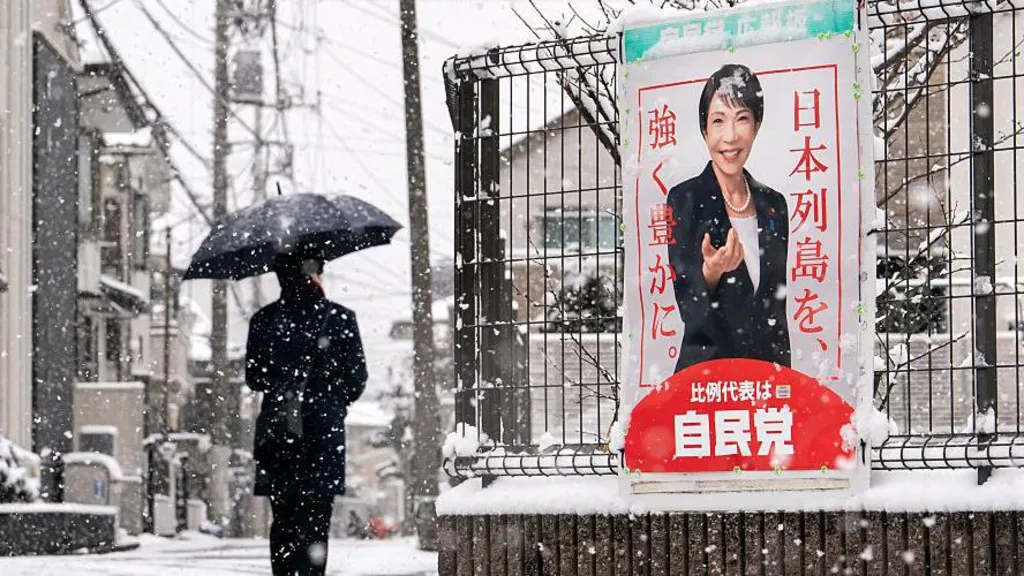
Japanese citizens are braving heavy snow to cast their votes in a rare snap election called by Prime Minister Sanae Takaichi, whose coalition is forecast to secure a strong victory. Takaichi, who won her party’s leadership last October, called Japan’s first mid-winter poll in 36 years to obtain a public mandate swiftly.
The decision was widely regarded as a political gamble, given that the ruling Liberal Democratic Party (LDP) had lost its majority in both houses of parliament and its longstanding coalition with the Komeito party had collapsed. Historically, an LDP-led coalition has governed Japan for much of the post-war era due to the absence of a strong opposition. However, recent corruption scandals had tarnished the party’s image before Takaichi assumed office.
Her personal popularity seems to have revived the party’s fortunes, with approval ratings for her government largely remaining above 70%. Polls suggest the LDP’s coalition with the Japanese Innovation Party could capture as many as 300 of the 465 seats in the lower house, signaling a dramatic recovery after previous leaders resigned early amid fundraising scandals and election defeats.

“People want their lives to be better and more comfortable because we are so accustomed to not having inflation… so people are very worried. I think we need a long-term solution rather than short-term fixes,” said Ritsuko Ninomiya, a voter in Tokyo.
Many Japanese voters expressed frustration over the recent scandals and rising living costs. “Housing is very expensive,” explained Rumi Hayama. “Our son is growing, and we need a bigger place, but it is not affordable, although we have decent jobs. Prices are getting higher, and it is becoming hard to live in Japan. It was not like this before.”
Takaichi’s populist spending pledges and nationalist rhetoric have energized some voters, but critics remain skeptical that increased government expenditure will revive Japan’s sluggish economy. The nation’s government debt is among the highest in the developed world, and her conservative immigration policies could worsen labor shortages in the country’s aging population.
“I think this election is more important for the younger generation, people like us,” said Daniel Hayama, adding that snow and cold weather will not stop youth from voting.
However, snowfall is expected to reduce voter turnout, particularly in northern and eastern regions. Early voting numbers dropped 2.5% compared with the 2024 election, with nearly 4.6 million people casting ballots so far. Niigata Prefecture and other central regions reported heavy snow, prompting the closure of 37 train lines, 58 ferry routes, and 54 flights. Even Tokyo saw rare snowfall as voters made their way to polling stations.
The LDP faces a more unified opposition than in previous elections, as former coalition partner Komeito joined forces with the Constitutional Democratic Party of Japan to form the largest opposition bloc in the lower house. Skeptics question whether Takaichi’s personal popularity will translate into legislative seats.

“This is not a presidential election but a parliamentary one, in which the LDP’s candidates are mostly men tainted by past scandals,” said Koichi Nakano, political science professor at Sophia University. Analysts argue that short-term relief measures fail to address structural issues such as weak productivity and stagnant real wages.
Additionally, Takaichi has strained Japan’s foreign relations, particularly with China. Her remarks suggesting Japan could deploy its own self-defense forces in response to a potential Chinese attack on Taiwan have angered Beijing. Relations with Washington remain uncertain under a predictable Trump presidency, although the US recently reduced threatened tariffs from 25% to 15%.
Some voters, like Yuko Sakai, consider international relations and defense spending while casting their ballots. “I am concerned with what President Trump is doing as well as national defense issues. I am not sure where the money is coming from to cover that. Balancing budget spending between defense and people’s lives is a major concern for me,” she said.
As Japan heads to the polls in freezing temperatures, the election outcome may hinge on whether Takaichi’s domestic popularity and pledges resonate strongly enough to overcome voter concerns about economic stability, governance, and foreign policy.
Related News:
 Green Party Surges Past Labour in Latest UK Poll
 Celebrities and Charities Demand UK Government Act on Child Poverty
 Army Officers Orders to Cut Ties with Men-Only Clubs
 Trump’s UK Ambassador Urges North Sea Drilling to Strengthen US Ties
 FBI Director Kash Patel Defends Girlfriend Amid Government Jet Claims
 French Taxi Driver Cleared in David Lammy Theft Case After Fare Dispute
 Labour immigration crackdown could cost UK £4.4bn
BBC to Apologise Over Edited Trump Speech Amid Backlash
Labour immigration crackdown could cost UK £4.4bn
BBC to Apologise Over Edited Trump Speech Amid Backlash
 Britain deploys RAF specialists to assist Belgium with drone threats
 ‘Reckless’ cuts to victims’ services will cost more than they save
 Millionaires group urge Reeves to introduce wealth tax to ‘lift kids out of poverty’
 Starmer Faces Growing Dissent as Labour MPs Weigh Leadership Challenge
 Reeves rejects £1bn plea for NHS redundancy payouts
 Politics latest: Starmer ‘will fight any leadership coup’ as Streeting denies attempt to oust Labour PM
 PM Condemns Leaks, Vows Loyalty to Ministers and Stability
 Major Rent Reform Ends No-Fault Evictions in England
 Peers Flood Assisted Dying Bill with 942 Amendments
 England’s Special Needs Support Faces Breaking Point
 Senator John Fetterman Hospitalized After Fall from Heart Flare-Up, Keeps Sense of Humor
 US Justice Department Files Lawsuit Against California Over Partisan Voting Maps
 MoD warned over Excel risks before Afghan data breach
 Greene Pushes Epstein Files Amid Trump Fallout
 Trump Deploys DHS to Charlotte in Major Arrest Operation
 December Run-Off in Chile as Election Produces No Winner
 Canada Passes Carney’s First Budget in Tight Parliamentary Vote
 Shadow Fleet at Sea: Europe’s Battle Against Illicit Oil Shipping
 Pentagon Officials in Ukraine to Discuss War End
 Venezuela Threatens Nobel Winner Machado with Fugitive Status
 Most Tories Expect to Support a Farage-Led Government
 Labour MP claims devolution bill is ‘blatant discrimination’ against Cornwall
 Millions Face Higher Taxes Under Reeves New Budget
 Georgians Defy Government Crackdown After Year of Protests
 US National Guard Member Killed in DC Shooting
 ICC to Rule on Duterte’s Provisional Release
 Jordan Bardella: France’s Young Presidential Contender
 Starmer Says Labour’s Economic Plan Needs Years to Deliver
 EU plans $105bn Ukraine aid using frozen Russian assets
 Global campaign launched to free Palestinian leader Barghouti
 Culture secretary to review Telegraph takeover by Daily Mail owner
 Khaleda Zia Death in Bangladesh: First Female PM Dies at 80
 Russia losses Ukraine war peace talks intensify amid rising deaths
 Zelenskyy Accuses Russia of Sabotaging Peace Talks
 Albanese Opens Door to Bondi Royal Commission Amid Rising Pressure
 Trump Escalates Minnesota Immigration Surge Amid Rising Tensions
 Iran Protesters Defy Crackdown as Violent Clashes Intensify
 Homeland security agents deployed amid Minneapolis protests
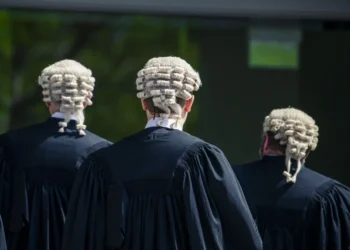 Plans to Limit Jury Trials Face Retreat After Mounting Opposition
 Hanson and Joyce Use Rinehart Jet to Tour Flooded Queensland
 Trump Threatens Strong Action If Iran Executes Protesters
 US Senate rejects resolution limiting Trump military powers
 Quebec Premier François Legault Resigns in Surprise Move
 Machado Trump medal gesture reshapes Venezuela power struggle
 Trump Receives Machado’s Nobel Medal in White House Meeting
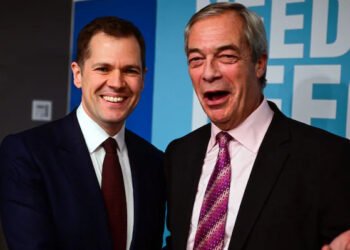 Right Must Unite After Jenrick Defection, Urges Rees-Mogg
 EU weighs response amid Greenland tariff crisis with Trump
 ICE street raids expose a chilling future for public freedoms
 UK Ministers Drop Foreign Student Targets for Global Education Push
 MPs warn AI financial risks threaten UK stability
 MPs warn AI financial risks threaten UK stability
 No Gas Boiler Ban as UK Warm Homes Plan Backs Heat Pumps
 Hugh Grant Joins Call for Under-16 Social Media Ban in UK
 Shinzo Abe’s killer receives life sentence in Japan
 Lords Vote Piles Pressure on Starmer Over Social Media Ban
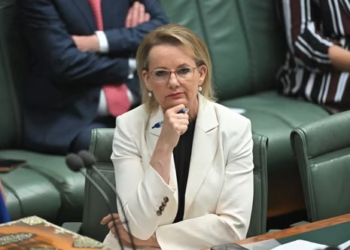 Sussan Ley leadership milestone shakes Liberal future
 EU Says US Ties Have Suffered ‘Big Blow’ After Greenland Crisis
 Andrew Hastie Emerges as Leadership Rival to Ley
 Satire Can Skewer Trump, But It Won’t Save Democracy
 Reform UK Health Plan ‘Would Cost £1.7bn’, Streeting Says
 Police response times face strict new national limits
 Labour policing overhaul sparks fears over growing central control
 Tories criticised after Braverman defection sparks mental health row
 Starmer warns of toxic division politics in Reform challenge
 Starmer China visit raises human rights pressure on Beijing
 Keir Starmer Signals UK China Reset With Xi Visit Possibility
 Cambridge Faces Scrutiny Over Arms Investment Transparency
 Israel Moves to Bar MSF From Gaza Operations
 David Littleproud and Sussan Ley to Discuss Coalition Future
 Trump Praises ‘Terrific’ Petro After White House Talks
 Palantir contracts face UK halt calls over transparency
 Epstein UAE Emails Shake British Royal Andrew’s Legacy