Published: 20 February 2026. The English Chronicle Desk. The English Chronicle Online.
In today’s volatile political climate, the global corruption crisis is no longer about secret payments or hidden envelopes. It has evolved into a deeper struggle over power, protection and political favour. Across capitals and courtrooms, questions are now being asked about who is shielded by Washington and who is left exposed. The global corruption crisis is shaping diplomacy, trade and even the credibility of democratic institutions.
Each year, the Transparency International publishes its closely watched Corruption Perceptions Index. The index ranks 182 countries and measures public-sector corruption worldwide. It often sparks headlines, political spin and carefully worded promises of reform. Yet once the spotlight fades, meaningful action frequently stalls. This year’s findings paint a sobering picture of democratic backsliding and institutional strain.
According to Transparency International, most countries have made little progress over the past decade. Many states remain stuck in patterns of stagnation or decline. The United Kingdom recorded its lowest score since 2012, raising concern among governance experts. Observers warn that political donations, lobbying scandals and attacks on watchdogs erode public trust.
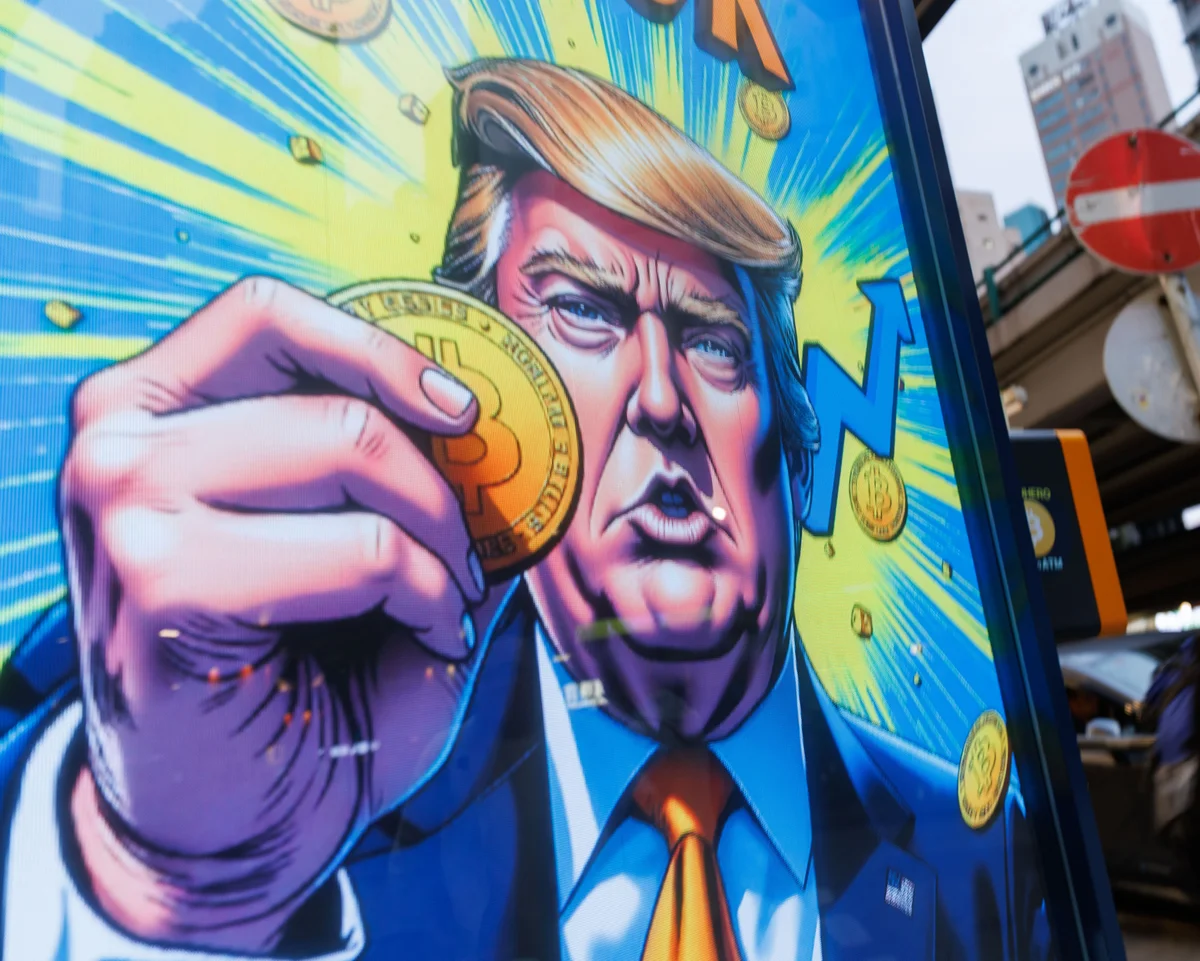
The United States slipped modestly to a score of 64. On paper, that decline appears limited. However, critics argue that numbers alone cannot capture deeper institutional stress. The presidency of Donald Trump has drawn intense scrutiny over the use of sanctions and legal enforcement. Supporters insist policies reflect strategic priorities, while detractors see selective application of anti-corruption tools.

The global corruption crisis extends beyond league tables and rankings. It touches on sanctions regimes, foreign policy decisions and international accountability mechanisms. For decades, global anti-corruption efforts rested heavily on American leadership. As the world’s largest economy and financial hub, US regulatory standards shaped international norms. When Washington enforced anti-bribery or money-laundering laws, others often followed.
Now, that assumption is under strain. Legal scholars argue that selective enforcement undermines credibility. Sanctions and financial restrictions were designed to constrain abuse and protect civilians. Yet humanitarian organisations report that broad sanctions often damage ordinary populations. Economists warn that scarcity and weakened institutions can fuel illicit markets rather than suppress them.
Concerns have also emerged regarding international justice institutions. Judges linked to the International Criminal Court have faced public criticism and punitive measures. Observers describe this as an alarming signal for judicial independence. When courts investigating powerful states encounter political retaliation, faith in impartial justice weakens.
Among those affected is prosecutor Karim AA Khan KC, whose office has pursued sensitive investigations. Human rights advocates argue that targeting international prosecutors risks setting dangerous precedents. They say accountability mechanisms must operate free from political intimidation. Without that independence, the rule of law becomes fragile.
The controversy extends beyond The Hague. In Brazil, Supreme Court Justice Alexandre de Moraes has faced sanctions from Washington. He is overseeing legal proceedings involving former president Jair Bolsonaro. Critics argue that sanctioning a foreign judge disrupts the delicate balance between sovereignty and international diplomacy. Supporters counter that human rights and due process concerns justify strong responses.
These developments illustrate how the global corruption crisis intersects with geopolitics. Enforcement appears harsher toward adversaries and softer toward allies, according to critics. Such perceptions can damage confidence in global governance structures. When rules seem flexible for some and rigid for others, legitimacy erodes.
Allegations surrounding political relationships with Israel have further complicated the debate. Campaigners question whether foreign policy decisions align with anti-corruption principles. While evidence varies, the broader concern centres on transparency. Without clear accountability, speculation flourishes and public trust declines.
The global corruption crisis also highlights financial secrecy. Beneficial ownership registers and transparency reforms have progressed unevenly. In some jurisdictions, implementation has slowed or faced political resistance. Anti-corruption experts warn that opaque corporate structures enable illicit wealth flows. Kleptocrats adapt quickly, shifting assets to permissive environments.
So-called “golden visa” programmes remain another contentious issue. These residency schemes offer access to markets in exchange for investment. Without strict safeguards, they can attract questionable funds. Several European states have tightened regulations after facing scrutiny. Yet loopholes persist, leaving regulators under pressure to strengthen oversight.
In this shifting landscape, leadership may become more distributed. The European Union wields significant regulatory influence through its financial directives. If applied consistently, those rules could reinforce transparency standards globally. Canada and Nordic countries are also cited for strong institutional frameworks and judicial independence.
Coalitions across Africa, the Caribbean and Latin America are increasingly vocal. Many nations in these regions have endured extractive corruption and punitive sanctions. Leaders argue that reform must prioritise development and social justice. They seek anti-corruption models that address inequality rather than merely punish political rivals.
Civil society organisations remain vital actors. Journalists, investigative bodies and independent prosecutors continue to expose wrongdoing. Their work often carries personal and professional risk. Funding constraints and political pressure pose constant challenges. Nevertheless, they remain central to sustaining reform momentum.
The global corruption crisis ultimately tests democratic resilience. When anti-corruption laws serve geopolitical convenience, they lose moral authority. Public institutions depend on consistent enforcement to maintain legitimacy. Selective application weakens the very safeguards meant to protect citizens.

The debate also raises broader philosophical questions. Can global governance function without a dominant enforcer? Or must a coalition of mid-sized powers fill the gap? Scholars suggest that shared norms, rather than hegemonic leadership, offer a more sustainable path. Such a model would demand courage and consistency from multiple actors.
For the United Kingdom, the challenge is particularly acute. As a major financial centre, London influences global capital flows. Strengthening transparency and corporate oversight could bolster international credibility. British policymakers face mounting pressure to close loopholes and enhance enforcement capacity.
The global corruption crisis shows no sign of fading. Instead, it evolves alongside geopolitical rivalry and economic uncertainty. Climate change, armed conflict and technological disruption add further complexity. In this environment, integrity becomes both more fragile and more essential.
Ultimately, the question is not whether corruption exists. It is whether global leaders confront it impartially and transparently. When powerful states shield allies while punishing adversaries, trust deteriorates. Restoring credibility requires consistent standards and collective responsibility.
The coming years will determine whether reform gains traction. A distributed coalition may yet strengthen accountability frameworks. If not, the global corruption crisis could deepen divisions and erode democratic norms. The stakes extend far beyond reputational rankings. They touch on fairness, equality and the resilience of international law itself.
Related News:
 British Woman in Iran ‘Losing Hope’ Amid Ongoing Detention
 BBC Journalist Held and Interrogated in Vietnam
 UK University Suspends Human Rights Research Following Pressure from China
 UK University Faces Counter-Terror Probe Over China Pressure
 Abigail Spanberger Elected Virginia’s First Female Governor
China-critical UK academics face ‘extremely heavy’ pressure from Beijing
Abigail Spanberger Elected Virginia’s First Female Governor
China-critical UK academics face ‘extremely heavy’ pressure from Beijing
 British military receives first Ajax armoured vehicles – eight years late
 BBC to Apologise Over Edited Trump Speech Amid Backlash
 Britain deploys RAF specialists to assist Belgium with drone threats
 Ukraine-Russia war latest: Putin’s troops exploit bad weather to force Kyiv withdrawal from multiple towns
 Trump Claims Victory as Longest Shutdown Ends
 Hamas Fighters in Gaza Tunnels Stall Ceasefire Progress
 US Justice Department Files Lawsuit Against California Over Partisan Voting Maps
 South Sudan President Removes Vice-President Amid Political Uncertainty
 Greene Pushes Epstein Files Amid Trump Fallout
 Trump Deploys DHS to Charlotte in Major Arrest Operation
 December Run-Off in Chile as Election Produces No Winner
 Canada Passes Carney’s First Budget in Tight Parliamentary Vote
 Why Russian Liberals Push Strongly Pro-Israel Narratives
 Congress Approves Release of Epstein Files, Trump Expected to Sign
 Shadow Fleet at Sea: Europe’s Battle Against Illicit Oil Shipping
 Rama Rebukes Mahmood for Targeting Albanian Families
 Russian Vessel Used Lasers on RAF Pilots, UK Claims
 Pentagon Officials in Ukraine to Discuss War End
 US Military Team Visits Kyiv Amid War Talks
 Venezuela Threatens Nobel Winner Machado with Fugitive Status
 Texas Governor Faces Lawsuit From CAIR
 Trump Envoy to Discuss Ukraine Peace at Kremlin
 Pope Leo XIV Begins Historic Trip to Turkey and Lebanon
 Georgians Defy Government Crackdown After Year of Protests
 India’s Labour Law Overhaul Sparks Fierce Debate
 Video shows Israeli troops kill Palestinians after surrender
 Trump to Recheck Green Cards from 19 Nations After DC Attack
 Chinese & Japanese Boats Clash Near Disputed Islands
 EU plans $105bn Ukraine aid using frozen Russian assets
 Global campaign launched to free Palestinian leader Barghouti
 UK Aid Cuts Could Undermine Global Influence, Experts Warn
 Thailand and Cambodia Agree Ceasefire After Weeks of Deadly Clashes
 Russia losses Ukraine war peace talks intensify amid rising deaths
 Zelenskyy Accuses Russia of Sabotaging Peace Talks
 Trump ‘Not Worried’ as China Conducts Massive Taiwan Wargame
 Khaleda Zia Laid to Rest with State Honour in Dhaka
 Maduro Faces Court in New York Over Drugs and Weapons Case
 Albanese Opens Door to Bondi Royal Commission Amid Rising Pressure
 Shock US Raid: Maduro Pleads Not Guilty in Manhattan Court
 Trump Escalates Minnesota Immigration Surge Amid Rising Tensions
 Iran Protesters Defy Crackdown as Violent Clashes Intensify
 Iran Leader Blames Protesters, Says They Serve Trump
 Trump Eyes Strong Military Options Amid Iran Protest Crackdown
 Trump Threatens Strong Action If Iran Executes Protesters
 Machado Trump medal gesture reshapes Venezuela power struggle
 Trump Receives Machado’s Nobel Medal in White House Meeting
 EU weighs response amid Greenland tariff crisis with Trump
 US Considers Asylum for British Jews Amid Rising Antisemitism
 ICE street raids expose a chilling future for public freedoms
 US Africa aid remarks spark anger after leaked State email
 Trump Launches “Board of Peace” Amid Global Diplomacy Push
 EU Says US Ties Have Suffered ‘Big Blow’ After Greenland Crisis
 Andrew Hastie Emerges as Leadership Rival to Ley
 Russia Strikes Kyiv and Kharkiv as Peace Talks Enter Day Two
 Pentagon Signals Reduced Role in Deterring North Korea
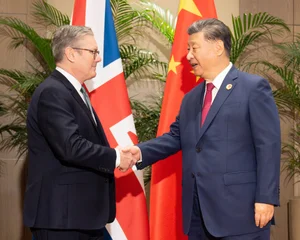 Starmer China visit underscores clear-eyed national security stance
 Starmer China visit raises human rights pressure on Beijing
 Israel Moves to Bar MSF From Gaza Operations
 Mandelson resignation shakes Labour over Epstein row
 Cory Bernardi joins One Nation for SA election
 Saif al-Islam Gaddafi Reportedly Killed in Libya Shooting
 Trump Praises ‘Terrific’ Petro After White House Talks
 Sydney Protest Escalates and Elderly Woman Suffers Severe Injury
 Tarique Rahman’s Rise Toward Bangladesh’s Top Job
 Glass Cliff Debate After Ley’s Ouster
 Japan Seizes Chinese Boat Amid Rising Tensions
 Sydney Protest Clash Triggers Police Probe
 Australian Families Leave Syrian Camp for Home
 Trump Attacks UK-California Energy Pact
 Kim Jong-un Unveils Housing for War Families
 Trump Warns Over Chagos Islands Deal
 Trump and Chagos Deal Rift Over Iran Strikes
 Andrew Mountbatten-Windsor Arrest After FBI Radar
 Andrew Arrest Sparks Republic Debate in Australia