Published: 23 February 2026. The English Chronicle Desk. The English Chronicle Online.
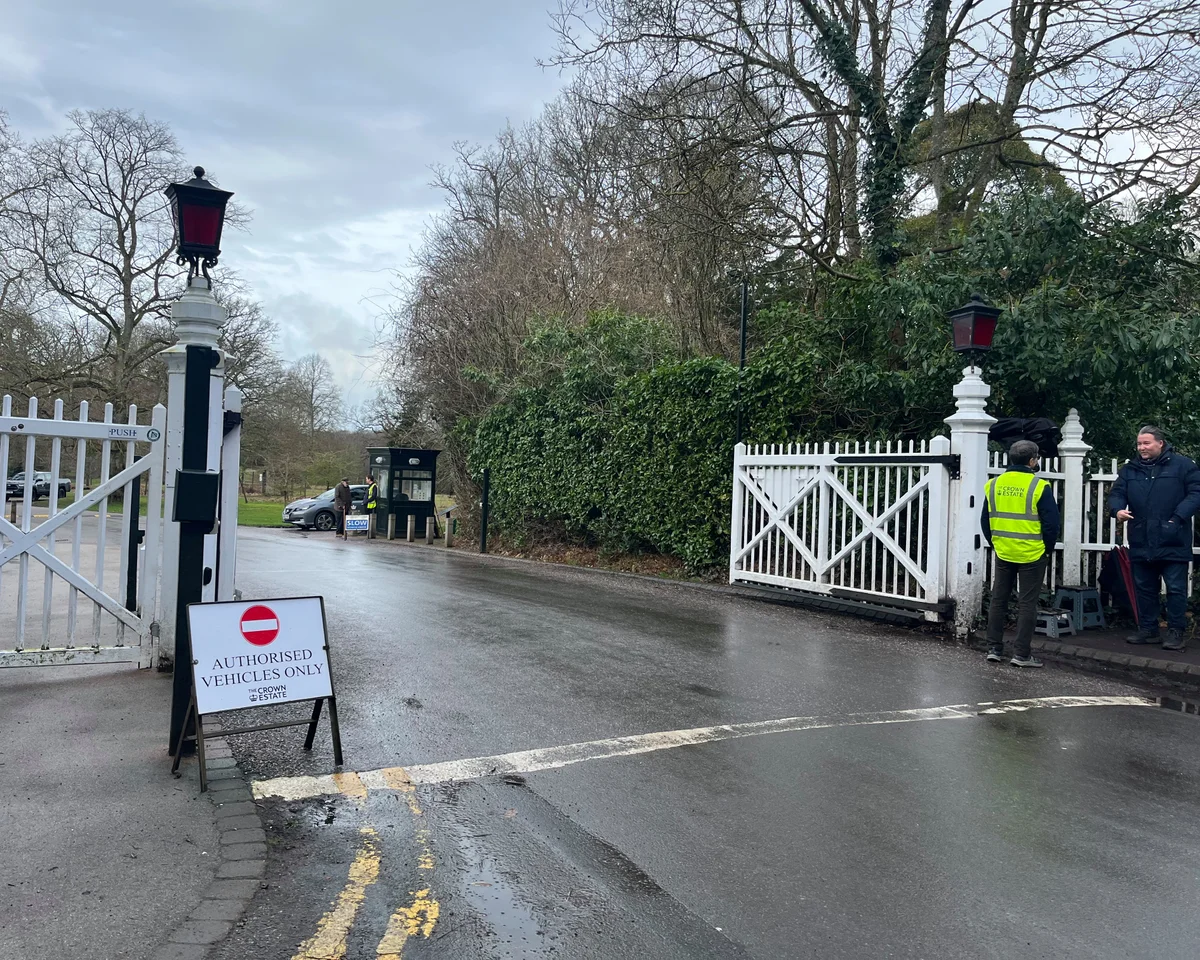
The Andrew inquiry gathered fresh momentum this weekend as police searches continued at Royal Lodge. Officers from Thames Valley Police remained at the Windsor estate property, examining material linked to Andrew Mountbatten-Windsor. The development comes as senior ministers declined to rule out a future judge-led investigation into his past association with the late financier Jeffrey Epstein.
Mountbatten-Windsor, who turned 66 on Thursday, was arrested on suspicion of misconduct in public office. He was questioned for eleven hours regarding allegations he shared sensitive information during his tenure as the United Kingdom’s trade envoy. Detectives are examining whether confidential material was disclosed to Epstein during that period. The Andrew inquiry now stands at the centre of an escalating political and constitutional debate.
Speaking on Sky News, Education Secretary Bridget Phillipson said the government would not rule out any “sensible proposals” once the police investigation concluded. She stressed that it would be premature to commit to a public inquiry while officers were still gathering evidence. Her remarks reflected the careful tone adopted across Whitehall as the case unfolds.
Phillipson emphasised that no individual stands above the law in Britain. She said police must be given time and space to follow the evidence wherever it leads. Her comments echoed a statement from King Charles III, who pledged full cooperation with authorities after his brother’s arrest. Buckingham Palace has so far declined further public comment.

The Andrew inquiry has prompted renewed scrutiny of royal accountability and constitutional safeguards. Several prominent figures have called for a broader examination of the former prince’s past dealings. Among them is Conservative MP Tom Tugendhat, who urged Parliament to consider a special committee investigation. He suggested retired judges and peers could assess potential national security implications.
Tugendhat argued that the affair raises urgent questions about foreign influence and institutional transparency. He said Parliament must determine what ministers and palace officials knew at the time. His intervention signals mounting cross-party unease over the reputational damage to Britain’s monarchy. The Andrew inquiry is therefore unfolding not only in police stations but also in Westminster corridors.
The Metropolitan Police confirmed that former royal protection officers are being contacted. A spokesperson for the Metropolitan Police said officers who served Mountbatten-Windsor have been asked to share relevant information. They are reviewing whether anything observed during past assignments could assist ongoing inquiries. This outreach broadens the scope beyond the Windsor estate.
Former head of royal protection Dai Davies told Sky News it was inconceivable that no guard witnessed relevant events. He argued that travel to residences in the United States should be examined carefully. His comments added weight to demands for transparency. The Andrew inquiry may therefore extend across borders if evidence requires.
Political reaction has not been confined to the Conservative benches. The leader of the Liberal Democrats, Ed Davey, described it as intolerable for Mountbatten-Windsor to remain in the line of succession. Reform UK has echoed similar sentiments, signalling rare consensus among divergent parties. Several campaigners have urged legislative changes to remove him formally from succession rights.
Royal historians suggest comparisons with the abdication crisis of 1936 are inevitable. Author Andrew Morton noted that Edward VIII’s abdication concluded within days, whereas this episode shows no clear endpoint. He warned that prolonged uncertainty could erode public confidence in the institution. The Andrew inquiry, he said, may define this royal era.
Despite the turbulence, other members of the Royal Family have continued official engagements. The Princess Royal carried out visits in Sheffield and London, maintaining scheduled commitments. The Prince and Princess of Wales attended the Bafta ceremony as planned. Their appearances projected stability amid gathering controversy.
Mountbatten-Windsor has denied wrongdoing in previous statements regarding Epstein. However, he has not addressed the specific allegations underpinning his arrest. Legal representatives have indicated he will cooperate fully with investigators. For now, he remains eighth in line to the throne.
Public sentiment appears divided but intensely engaged. Social media platforms have carried heated debate over monarchy reform and accountability. Activist groups staged symbolic protests in Paris, displaying an arrest photograph in the Louvre. The image, captured by Reuters photographer Phil Noble, quickly circulated online.
Advocates for a judge-led inquiry argue that only independent oversight can restore trust. They contend that parliamentary committees may lack perceived neutrality. Ministers, however, insist that due process must prevail before any additional mechanism is announced. The Andrew inquiry thus balances legal procedure with political pressure.

Phillipson also linked the case to broader concerns about violence against women and girls. She said society too often fails to listen to survivors who report abuse. Her comments resonated with campaigners seeking systemic reform. The controversy has therefore intersected with ongoing debates about justice and gender equality.
Constitutional scholars note that removing someone from the line of succession would require legislation. Such action would involve both Houses of Parliament and likely extensive debate. Palace sources suggest the King would not obstruct parliamentary will if changes were pursued. Nonetheless, the process could prove complex and lengthy.
International observers are watching developments closely. Britain’s monarchy remains a symbol of continuity across the Commonwealth. Any perceived instability could carry diplomatic implications. The Andrew inquiry is therefore not solely a domestic matter.
For now, detectives continue their meticulous search of Royal Lodge. Evidence collected will be assessed alongside witness testimony and documentary records. Officials expect the current phase of property searches to conclude shortly. Whether that leads to charges remains uncertain.
What is clear is that the Andrew inquiry has reshaped the national conversation. Questions about privilege, transparency, and constitutional reform now dominate headlines. As police work proceeds, ministers and MPs tread cautiously. The coming weeks may determine whether this episode becomes a defining chapter in modern royal history.
Related News:
 Peterborough Mosques Tighten Security After Attack
 Reeves Faces Setback as Labour May Miss Homes Target
 Hospice Cuts Raise Alarm Across England Amid Funding Crisis
 Kate Winslet to Narrate Film Highlighting King’s Environmental Mission
 Green Party Surges Past Labour in Latest UK Poll
 Trump’s UK Ambassador Urges North Sea Drilling to Strengthen US Ties
 Children to Learn Local History in Major Curriculum Overhaul
 French Taxi Driver Cleared in David Lammy Theft Case After Fare Dispute
 UK Bans Fake Numbers: Scammers Lose Their Trick
 Prince William Plants Trees with Brazil’s Nature Heroes
 M&S Profits More Than Halve After Cyber-Attack
 Kent village told to remove flags before Christmas lights go up
 Patients to Test Health at Home to Ease NHS Winter Pressure
 King Charles to Lead Nation in Remembrance Sunday Service
 Palace May Restore Hyphen to Andrew Mountbatten-Windsor’s Name
 Millionaires group urge Reeves to introduce wealth tax to ‘lift kids out of poverty’
 Starmer Faces Growing Dissent as Labour MPs Weigh Leadership Challenge
 Shouting Works Best to Deter Gulls, UK Study Finds
 Reeves rejects £1bn plea for NHS redundancy payouts
 Northern Lights may illuminate UK skies this week
 PM Condemns Leaks, Vows Loyalty to Ministers and Stability
 Son Reveals UK Couple in Iran Resort to Hunger Strike for Help
 Major Rent Reform Ends No-Fault Evictions in England
 Former Lion Heskey Warns of Shortage of England Strikers
 Criminal Gangs Pose as Truckers to Hijack UK Supply Chains
 Stroke Patient Mistaken for Drunk, Care Delayed
 Van Dwellers Face Eviction After Park Misuse Sparks Outcry
 ‘Traumatic Wait’: Northern Ireland Women Face Breast Cancer Delays
 Serial Rapist and Former Cop Found Guilty Again
 Royal Navy Shadows Russian Warships Entering the Channel
 Inside the Helpline Protecting Missing Children in the UK
 Most Tories Expect to Support a Farage-Led Government
 Boots Showstopper Beauty Bundle Outshines Many Advent Calendars This Holiday Season
 Labour’s ‘blinkered’ drive to build risks pushing wildlife to point of no return, nature experts warn
 PlayStation PS5 Deals Hit Lowest Prices Ahead of Black Friday
 Karen Carney Stuns on Blackpool Week, Deserves Strictly Final
 Five-Year-Old Dies After Rare Tonsil Surgery Complication
 Fibromyalgia Patients Struggle as NHS Fails to Provide Care
 Starmer Says Labour’s Economic Plan Needs Years to Deliver
 Virgin Media Fined £23.8m Over Telecare Safety Failures
 More Patients Now Contacting GPs Online, Data Shows
 UK unemployment rises to four-year high of 5.1% before budget
 Culture secretary to review Telegraph takeover by Daily Mail owner
 Wiltshire Police Use Lasso to Catch Rampaging Village Goat
 Prince George Helps Father at London Homelessness Charity
 Children to Receive Home Vaccines as England Acts
 Cambridge College Faces Backlash Over Private School Recruitment
 NHS Violence Crisis: Staff Face Daily Assaults
 Celebrity Campaign Highlights SMA Screening Failures
 Bereaved Fathers Gain New Paternity Leave Rights in UK
 Storm Goretti leaves Cornwall homes without power
 New Documentary Examines Teen’s Zombie Knife Murder
 Woman Jailed for Life After Killing E-Bike Rider in Tragic Mistaken Identity Case
 Right Must Unite After Jenrick Defection, Urges Rees-Mogg
 UK Ministers Drop Foreign Student Targets for Global Education Push
MPs warn AI financial risks threaten UK stability
UK Ministers Drop Foreign Student Targets for Global Education Push
MPs warn AI financial risks threaten UK stability
 No Gas Boiler Ban as UK Warm Homes Plan Backs Heat Pumps
 UK Glaucoma Rise Signals Looming Eye Health Crisis by 2060
 Shinzo Abe’s killer receives life sentence in Japan
 Police response times face strict new national limits
 Edinburgh, Glasgow Lead UK Nightlife Hotspots, Uber Data
 Labour policing overhaul sparks fears over growing central control
 Devon hosts first high-density hydro power system
 Pornhub blocks new UK users over age checks dispute
 Reform candidate sparks British identity row in byelection
 Starmer warns of toxic division politics in Reform challenge
 Households in England Face Rising Water Bills in April
 UK New Car Discounts Near £6,000 as Prices Are Slashed
 Pneumonia Surge Pushes England Emergency Cases Higher
 Wigan Dump Crisis Sparks Health and Safety Alarm
 Palantir contracts face UK halt calls over transparency
 Teen Girl Chased in Broad Daylight in Ipswich
 Send spending gap leaves deprived areas behind
 Cabinet Secretary Shake-Up Triggers Due Diligence Warning
 Hidden Crisis: Domestic Abuse Suicide Toll in UK
 Farage to Name Jenrick as Reform Chancellor Pick
 UK MPs Demand Ban on Brazilian Butt Lifts
 Civil Service Pay: Union Urges Ministers to End ‘Barking Mad’ Limits
 Antonia Romeo appointment sparks criticism
 Farage Chagos Islands Row Sparks Fury