Published: 23 February 2026 . The English Chronicle Desk. The English Chronicle Online
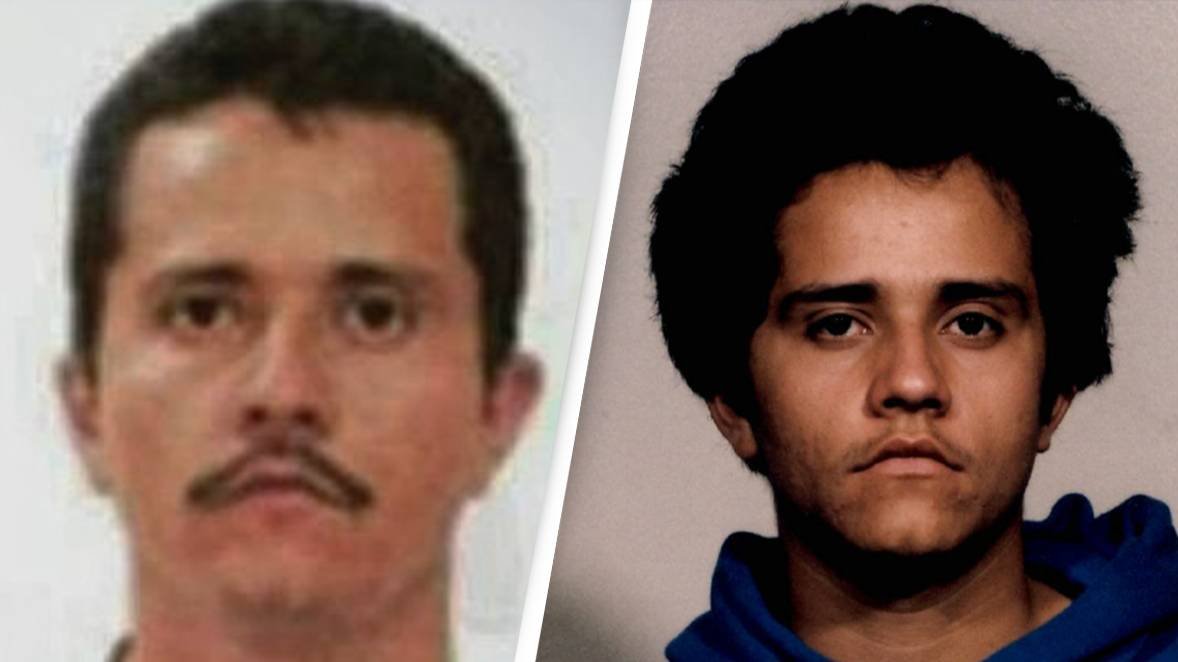
Nemesio Rubén Oseguera Cervantes — better known as El Mencho — was the elusive and feared leader of Mexico’s most powerful drug syndicate, the Jalisco New Generation Cartel (CJNG), and for years one of the most wanted men in the world. His death in a high‑stakes Mexican military operation in Jalisco state this week marked the end of a decades‑long criminal reign that reshaped Mexico’s organized‑crime landscape and triggered waves of violence across the country.

Born on 17 July 1966 in the rural town of Naranjo de Chila in Michoacán, El Mencho grew up amid poverty before emigrating to the United States as a young man and becoming involved in small‑scale drug trafficking. In 1994 he was arrested in California on heroin distribution charges and served nearly three years in prison before being deported back to Mexico.
Back in Mexico, Oseguera Cervantes first worked with established criminal groups, including the Milenio Cartel and later elements of the now‑infamous Sinaloa Cartel. By around 2009 he had broken away and founded the CJNG, which quickly expanded into one of the country’s fastest‑growing and most violent criminal organisations. His cartel built a sprawling network trafficking cocaine, methamphetamine, heroin and fentanyl into the United States, as well as engaging in extortion, fuel theft, kidnapping and other rackets across Mexico and beyond.
Under El Mencho’s rule, the CJNG became notorious for its combination of brutal violence and paramilitary‑style tactics, deploying advanced weaponry, including drones and heavy arms, to fight rival groups and Mexican security forces. At its height, the suicide‑raid‑style attacks and public beheadings attributed to CJNG cells helped cement the cartel’s fearsome reputation.
Oseguera’s rise was marked not just by battlefield ferocity but also by strategic expansion. He leveraged alliances, corruption and tight internal loyalty to build CJNG into a global trafficking powerhouse that rivalled the Sinaloa Cartel — the group once led by iconic criminal Joaquín “El Chapo” Guzmán, who is now serving a U.S. life sentence. For years, Mexican and U.S. authorities offered large rewards — reportedly up to $15 million — for information leading to his capture.
El Mencho kept a low public profile, so few clear personal images of him exist, and much of what authorities knew about his whereabouts was pieced together from intelligence and cartel member arrests. His death came during a federal security operation in the rugged terrain near Tapalpa, Jalisco, where he was reportedly killed after Mexican forces engaged cartel fighters.

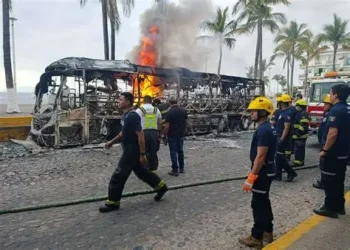
News of his death sparked violent reactions from CJNG factions across several Mexican states, with roads blocked, vehicles burned and clashes reported in cities such as Guadalajara as rival groups and loyalists reacted to the power vacuum.
As the CJNG adjusts to a post‑El Mencho world, analysts caution that cartel fragmentation could fuel further violence — raising questions about how Mexico will contain organized crime and stem the flow of illicit drugs into North America.
Related News:
 Two National Guard Soldiers Critically Injured Near White House
 American Mother Extradited From UK to U.S. on Murder Charges
 Suspect in Rhode Island Ice Hockey Shooting Killed Ex‑Wife and Son
 Eight Skiers Found Dead After California Avalanche
 Desperate Hunt for Breakthrough in Nancy Guthrie Case Turns to Mexico
 Violence Erupts in Mexico After Drug Lord El Mencho Killed
 Northern Ireland Family of Three Shot Dead in Maguiresbridge Home Incident
 Seventeen Dead as Russia Targets Ukrainian Prison in Devastating Airstrike
 Channel Crossings Surge: Over 1,000 People Arrive in the UK in Small Boats in a Single Day
 Jailed Georgian Opposition Leaders Warn UK of Iranian Links to Ruling Party
 Cooper Unveils £4m Cyber Plan Against Russian Hackers
 Kosovo agrees to host Britain’s refused asylum seekers
 WW2 Pilot’s Long-Lost Crash Site Unearthed in Essex
 UK University Faces Counter-Terror Probe Over China Pressure
 Just Stop Oil Protesters Convicted Amid Climate Defence Row
 BBC’s Tim Davie to Address Staff Amid Trump $1bn Threat
 Ukraine-Russia war latest: Putin’s troops exploit bad weather to force Kyiv withdrawal from multiple towns
 New review urges UK to repatriate Shamima Begum, others from Syria
 Oklahoma Governor Grants Last-Minute Clemency to Death Row Inmate
 US Pushes Global Effort to Stop Arms Flow to Sudan RSF Forces
 Israel Confirms Returned Hostage as Meny Godard
 Indian authorities demolish Kashmir home linked to Red Fort blast
 Greene Pushes Epstein Files Amid Trump Fallout
 Deadly Russian Strikes Hit Western Ukraine, 20 Killed in Ternopil
 Venezuela Threatens Nobel Winner Machado with Fugitive Status
 Trump Envoy to Discuss Ukraine Peace at Kremlin
 Twenty-Four Nigerian Schoolgirls Freed After Abduction
 Southern Lebanon reels as Israeli strikes shatter communities
 Video shows Israeli troops kill Palestinians after surrender
 Russia losses Ukraine war peace talks intensify amid rising deaths
 Trump Taiwan China drills: US President Downplays Tensions
 US Venezuela protests sweep cities after intervention
 US Cities Erupt in Protests Against Trump’s Venezuela Military Action
 Trump Escalates Minnesota Immigration Surge Amid Rising Tensions
 Portland Shooting: Federal Agents Open Fire Near Hospital
 Trump Says US Must ‘Own’ Greenland to Block Russia, China
 Trump Weighs Response to Iran Crackdown as Tehran Says Communication Open With US
 Australia’s US Ambassador Rudd to Step Down Early
 US Clears Nvidia AI Chip Sales to China in Policy Shift
 Trump Threatens Strong Action If Iran Executes Protesters
 Portland man pleads not guilty after Border Patrol shooting
 Trump Receives Machado’s Nobel Medal in White House Meeting
 Iran Cannot Be Bombed Into Democracy, Only Helped There
 Thousands Flee Cambodia Scam Centres Amid Global Pressure
 Trump Aide Sparks Fury as Greenland Dispute Intensifies
 EU Says US Ties Have Suffered ‘Big Blow’ After Greenland Crisis
 Arizona border shooting leaves suspect hospitalised after agent pursuit
 Videos reveal earlier clash before Alex Pretti shooting
 Emails Show Epstein Funded Mandelson’s Husband After Jail
 ‘Painful Times’ as Melinda Gates Responds to Epstein Files
 Trump Praises ‘Terrific’ Petro After White House Talks
 ‘We Are Ready to Talk’: US News Anchor Savannah Guthrie Pleads for Return of Her Abducted Mother
 Fears of New Arms Race as US-Russia Nuclear Weapons Treaty Expires
 US Military Says Two Killed in Strike on Alleged Drug Boat in Eastern Pacific
 US and Iran Hold Nuclear Talks as Trump Ramps Up Military Threats
 Venezuela’s Opposition Says Party Leader Kidnapped Hours After Being Freed
 Trump Says Iran Regime Change Is “Best Thing That Could Happen”
 Obama Slams Trump’s Racist ‘Ape’ Video Amid Backlash
 What We Know About the Abduction of Savannah Guthrie’s Mother
 No Arrests Made After Police Search Near Nancy Guthrie Home
 ALL OUT: Pam Bondi Announces Epstein Files Released With 300+ High-Profile Names
 SA Police Intensify Search in Gus Lamont Case
 Taylor Swift concert attack plot shocks Austria
 Actor Robert Duvall, Who Starred in The Godfather, Dies Aged 95
 ‘He Did It for Us’: US Soldier Recalls Jesse Jackson’s Efforts to Free Him and Two Other POWs
 Iran Says ‘Guiding Principles’ Agreed With US at Nuclear Talks
 Stephen Colbert Says CBS Spiked Interview With Democrat Over FCC Fears
 Moment Officers Rescue Injured Bald Eagle From Icy Hudson River
 Nine Arrested in France Over Death of Far‑Right Student
 India Sentences Three Men to Death for Attack on Israeli Tourist and Hosts
 South Korea’s Ex-President Faces Death Penalty in Insurrection Trial
 US Urges Iran to Make Deal as Military Presence Rises
 How Much Could Andrew’s Arrest Hurt the Royal Family?
 Epstein Eyed Record Label Investment to Access Women, Files Suggest
 Epstein Files Could Be Just Tip of the Iceberg for Andrew Investigation
 Man Guilty of XL Bully Offence After Fatal Attack
 New Mexico Reopens Criminal Inquiry into Jeffrey Epstein’s Zorro Ranch
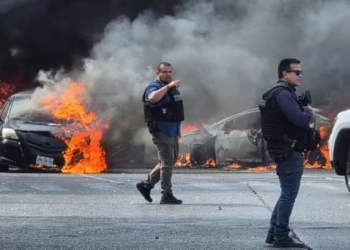 El Mencho Killed as Mexico Faces Violence
 US Will Not Back Out of Tariff Deals with UK and Others, Says Trump Trade Representative
 Australian Prosecutors Consider Reopening British Girl’s Cold Case Disappearance